North Decatur Water Damage Restoration
A wet room needs a clear next step. North Decatur property owners can arrange water removal, contaminated material cleanup and measured drying, with the damaged rooms and source assessed together before restoration proceeds.
(888) 532-4616Discuss damage at the property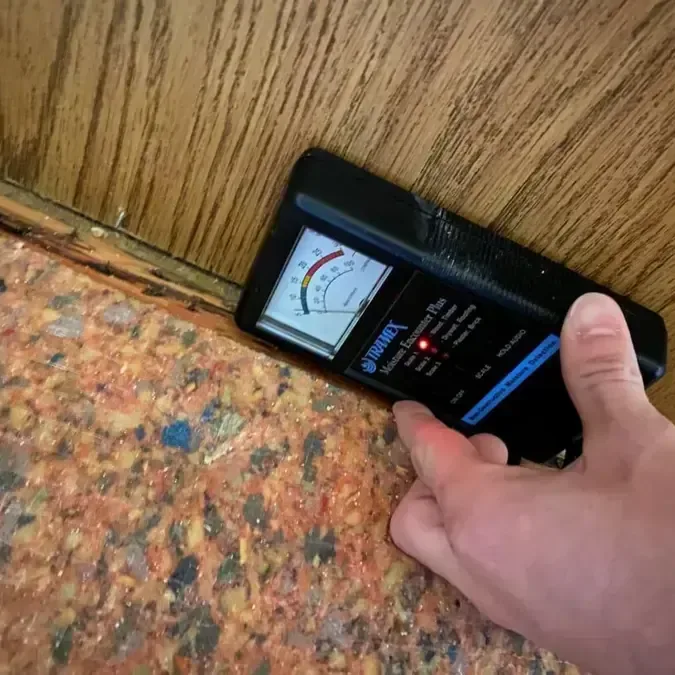
The affected materials and water source determine the work, equipment and restoration sequence.
Make the next decision from a safe place
- 1Keep the room clear
People and pets should stay outside water containing sewage, exposed wiring or falling ceiling material until the hazards have been assessed.
- 2Stop additional water safely
An accessible supply shutoff may limit a plumbing release. A valve reached through standing water or electrical equipment should remain untouched.
- 3Photograph the visible spread
Images from a dry doorway can capture water marks, affected furnishings and the starting condition without disturbing wet or contaminated materials.
- 4Identify the access contact
Condominium occupants should notify management when another unit, shared ceiling or locked equipment space may be involved in tracing the leak.
- 5Describe what changed
The first report should distinguish a new puddle, continuing drip, wastewater backup or rain entry and identify rooms that remain unsafe.
Start with the source of the damage
A ceiling drip, spreading floor puddle and wastewater spill each need a different response. These services address the affected materials as well as visible water.
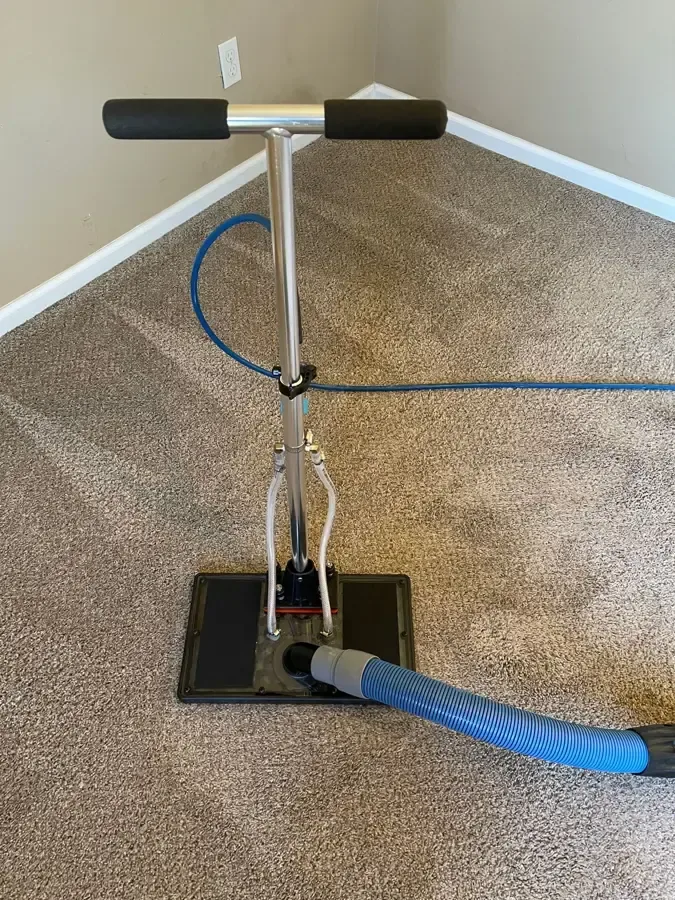 Water ExtractionStanding water is removed from accessible rooms before moisture checks identify soaked padding, wall bases and adjoining floor sections.
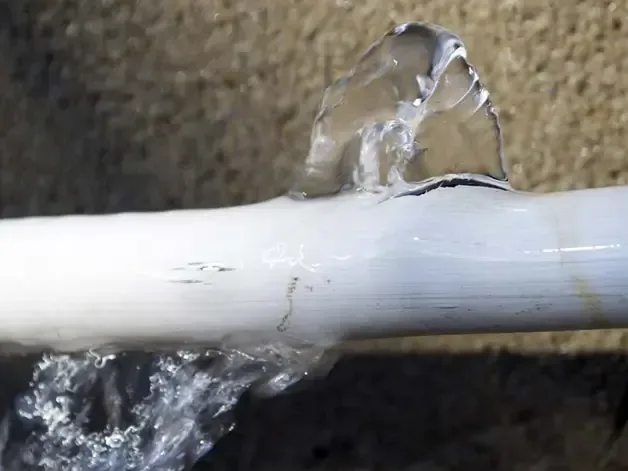 Burst Pipe Water DamageA ruptured supply pipe can wet several surfaces at once; cleanup follows the spray path and water behind finishes.
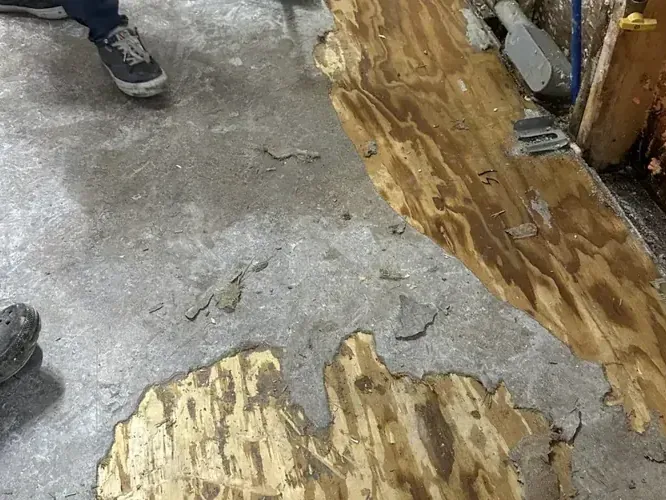 Slab Leak Water DamageDamp flooring over concrete needs a source investigation and substrate assessment before replacement coverings hide remaining moisture beneath them.
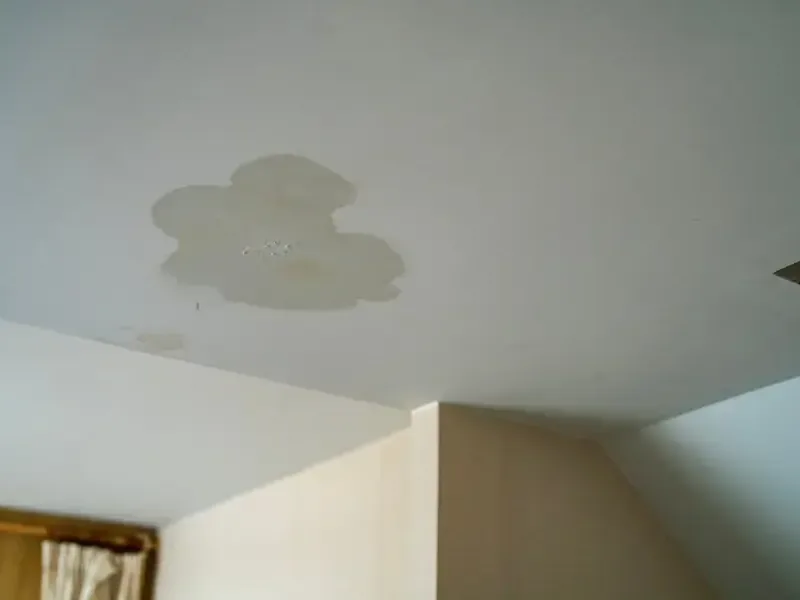 Ceiling Leak Water DamageOverhead stains require access planning, especially where another condominium unit or concealed plumbing sits above the damaged ceiling area.
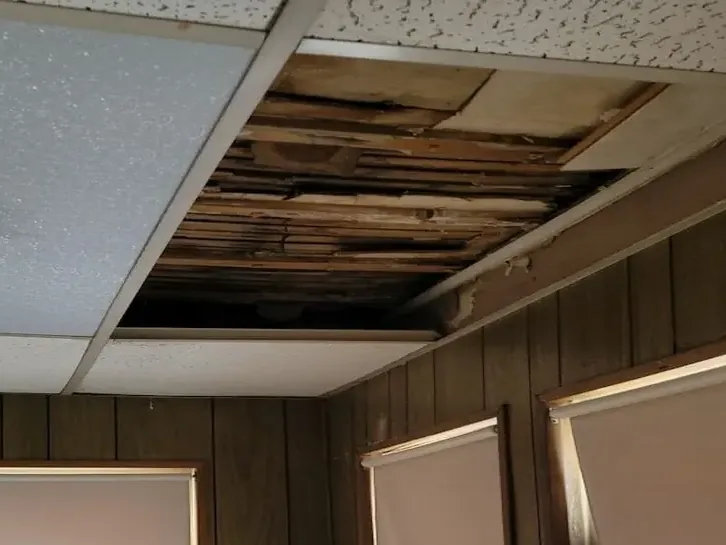 Roof Leak Water DamageRain entering overhead can soak insulation before appearing indoors; interior restoration follows the affected roof cavity and ceiling materials.
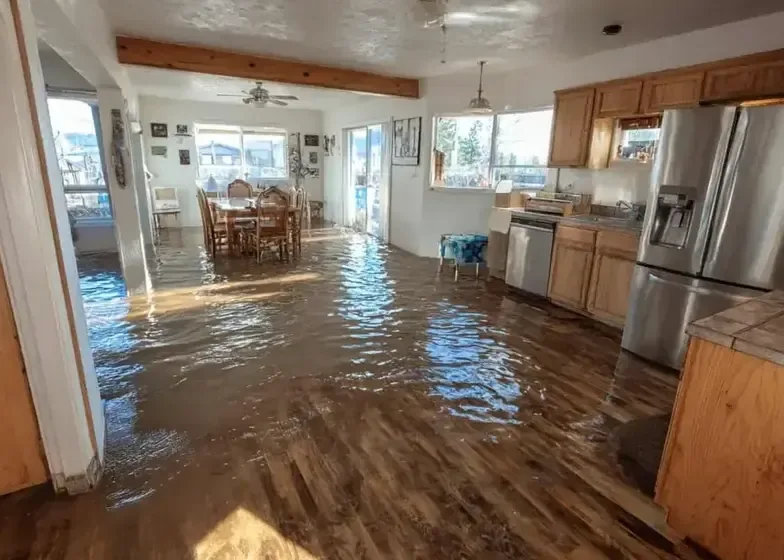
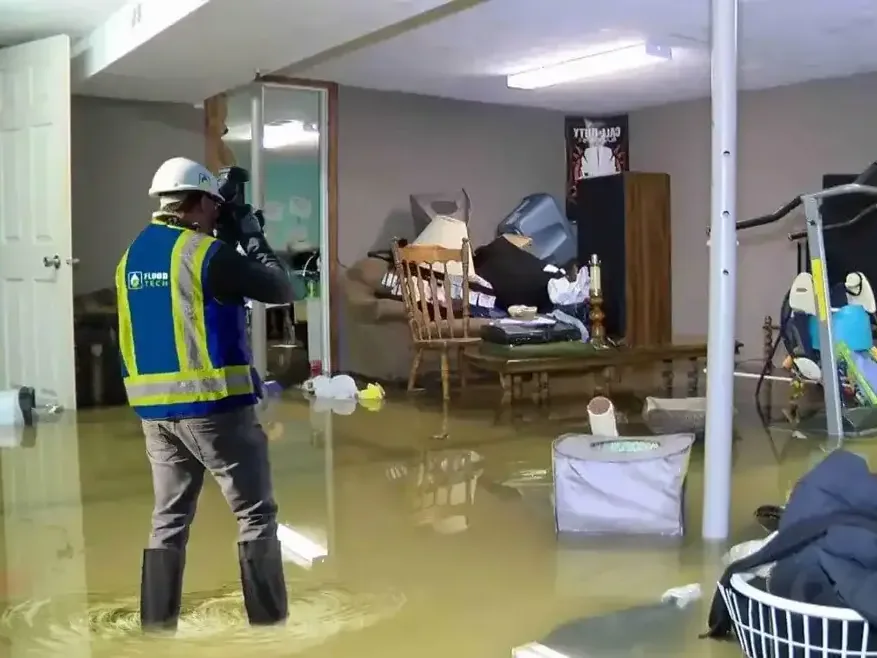 Storm Flood CleanupIncoming stormwater leaves more than puddles; sediment, contaminated finishes and the route of entry shape the interior cleanup scope.
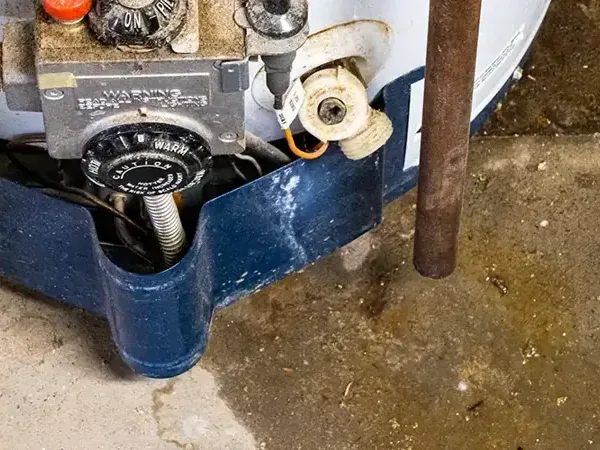 Water Heater Leak CleanupA leaking tank can send water past its closet; floor transitions and stored belongings deserve inspection alongside the equipment.
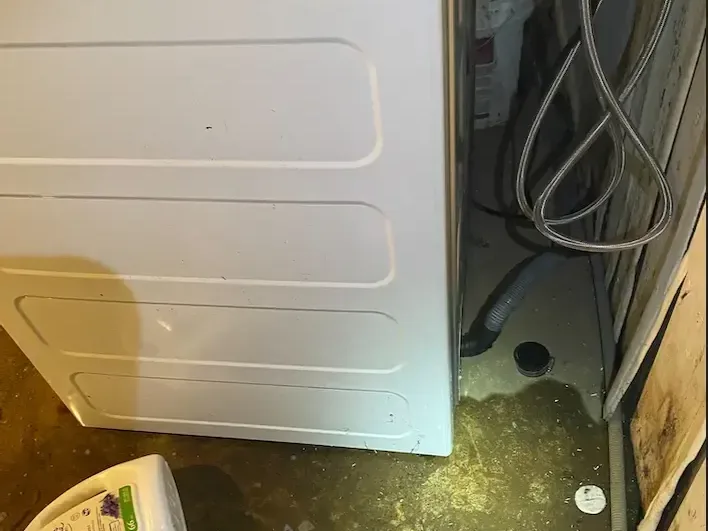 Appliance Leak Water DamageWater behind an appliance may reach cabinetry unseen, making controlled access and checks beneath nearby flooring especially useful.
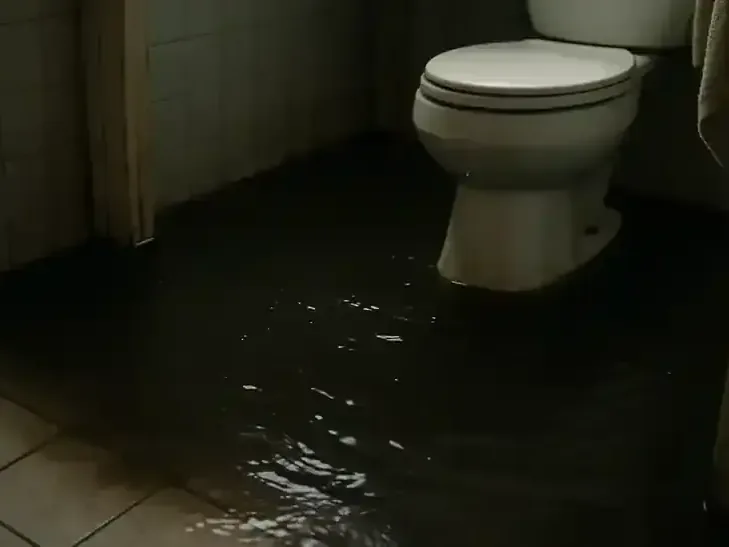 Toilet Overflow CleanupAn overflow assessment separates a limited bathroom spill from contaminated water that has crossed thresholds or reached another level.
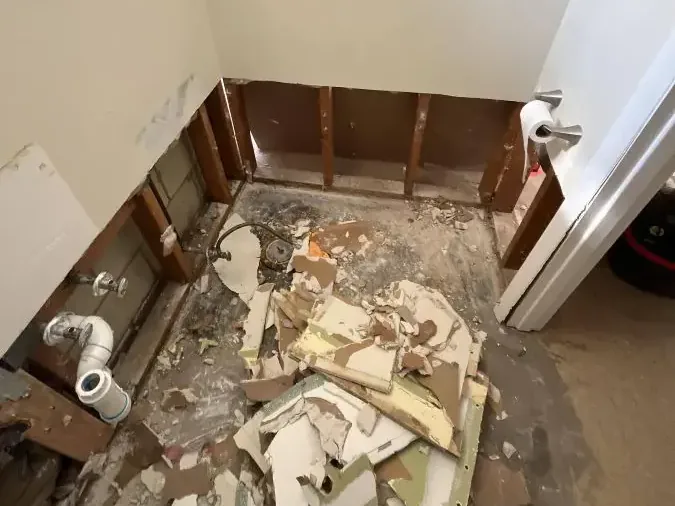
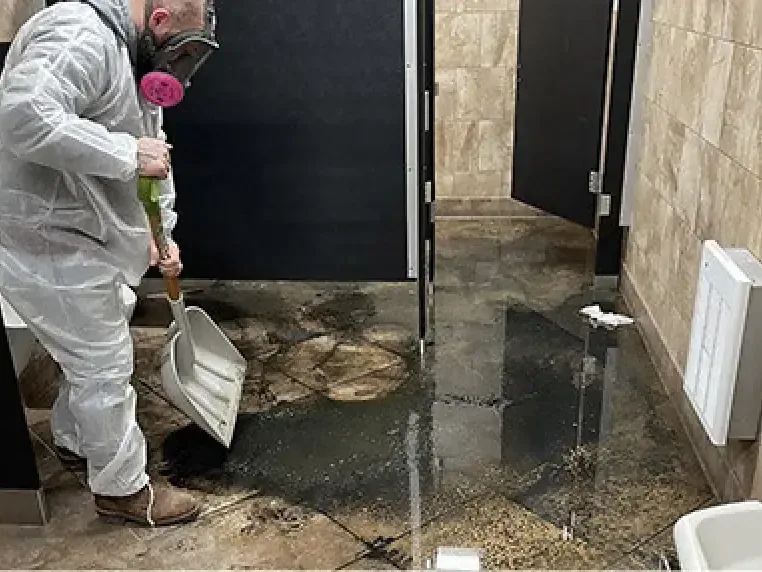 Sewage Backup CleanupWastewater cleanup isolates affected rooms, removes unsalvageable porous materials and prepares remaining surfaces for cleaning and monitored drying.
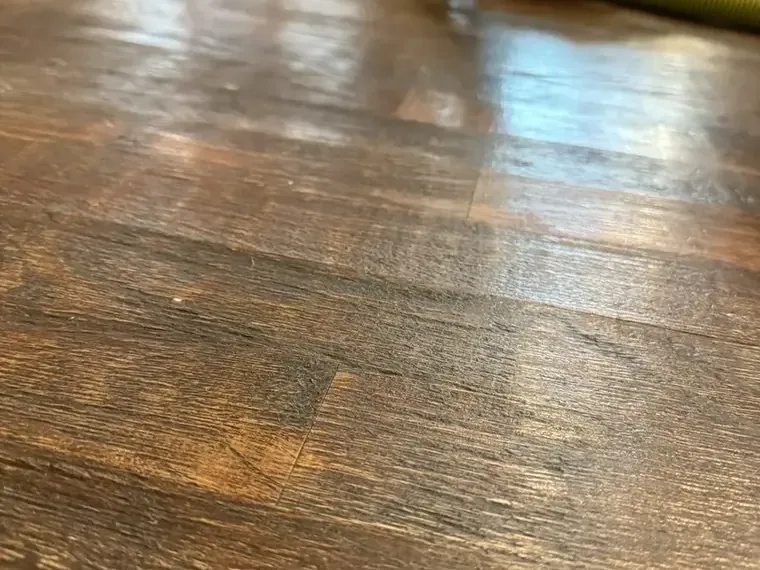 Hardwood Floor Water DamageRaised edges and dark seams need moisture measurements across boards and the supporting assembly before refinishing decisions are made.
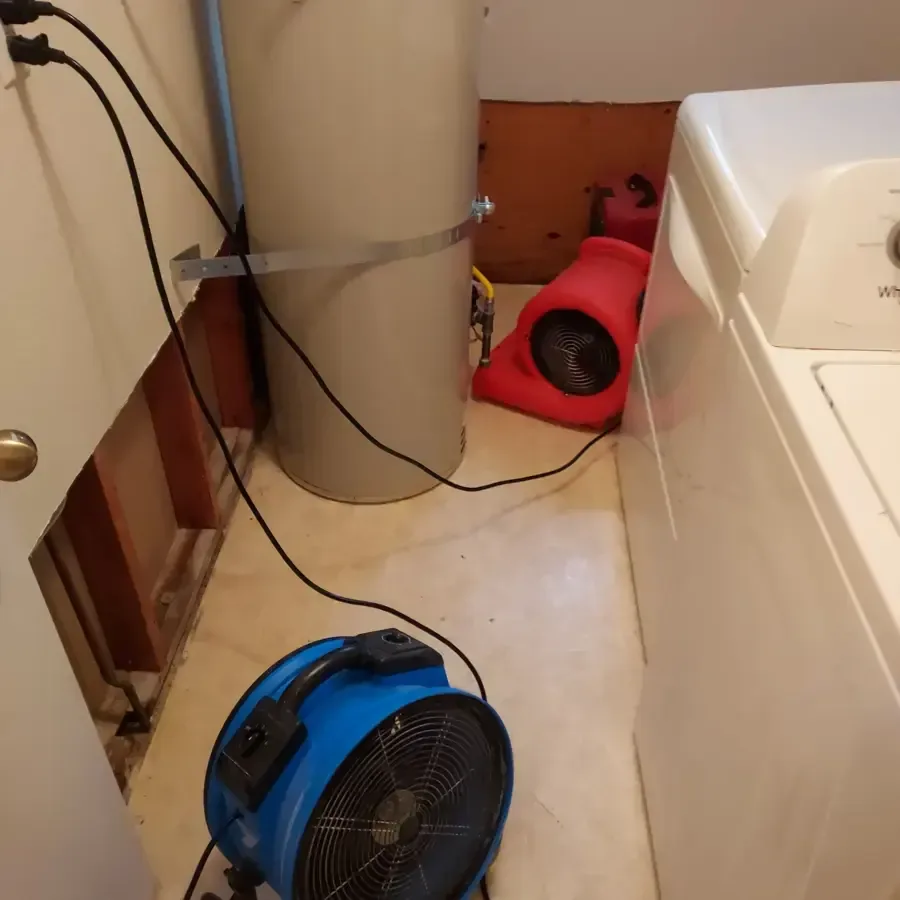
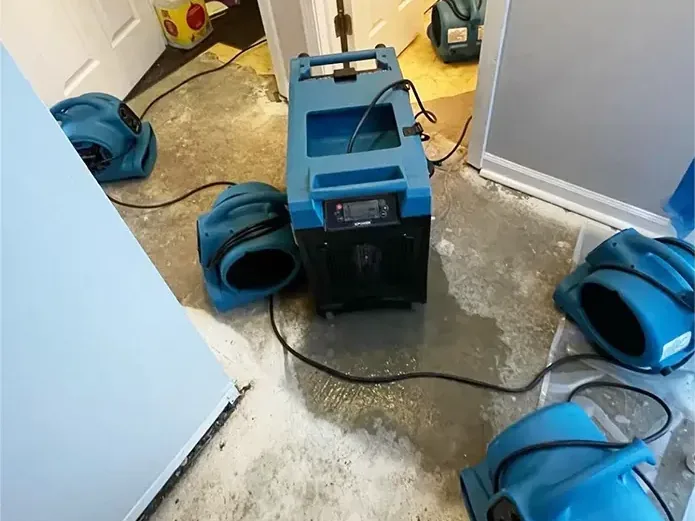 Structural DryingDrying equipment works toward material targets, with readings used to adjust airflow and confirm progress inside affected assemblies.
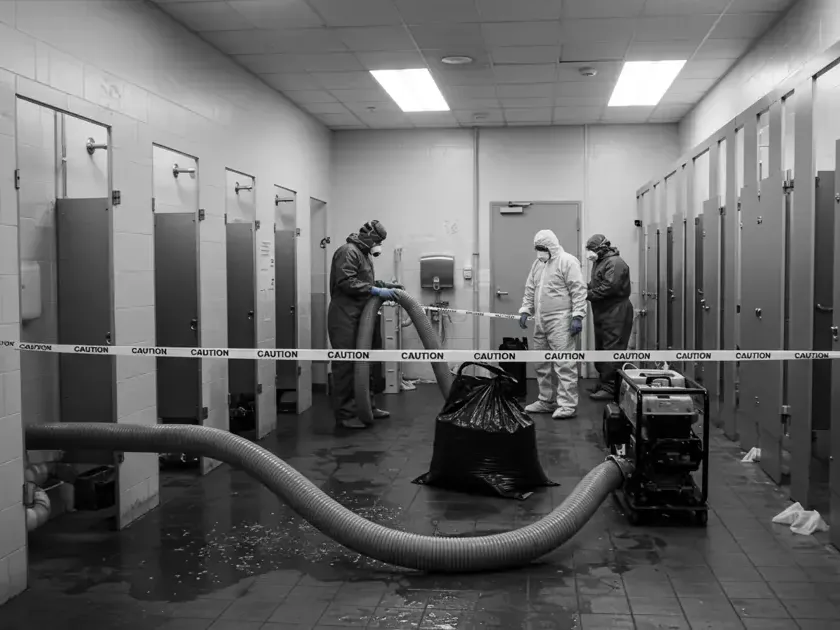 Commercial Water Damage RestorationWet business interiors need protected access, inventory documentation and a cleanup sequence that accounts for customers and employees.
 Frozen Pipe Water DamageAfter a frozen pipe releases water, restoration maps concealed wet sections while plumbing repairs address the damaged supply component.
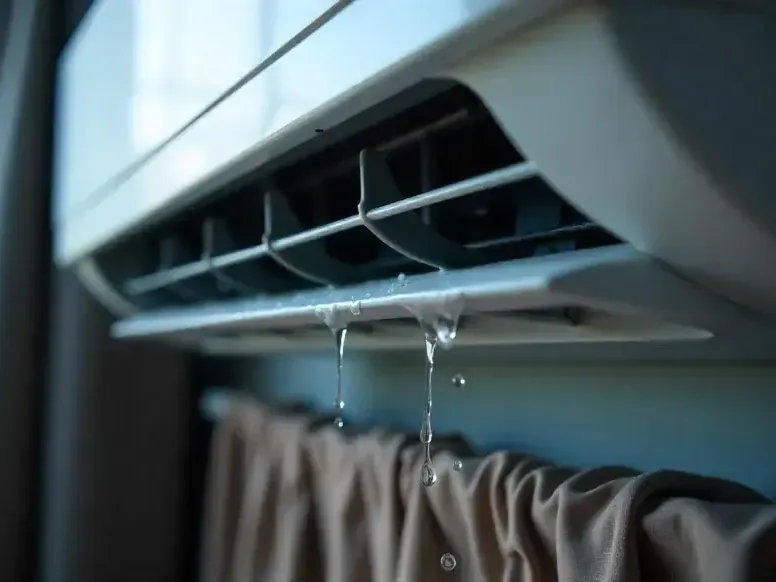 AC Leak Water DamageCondensate escaping from cooling equipment can wet a closet or ceiling; cleanup pairs source correction with affected material assessment.
Follow water beyond the visible patch
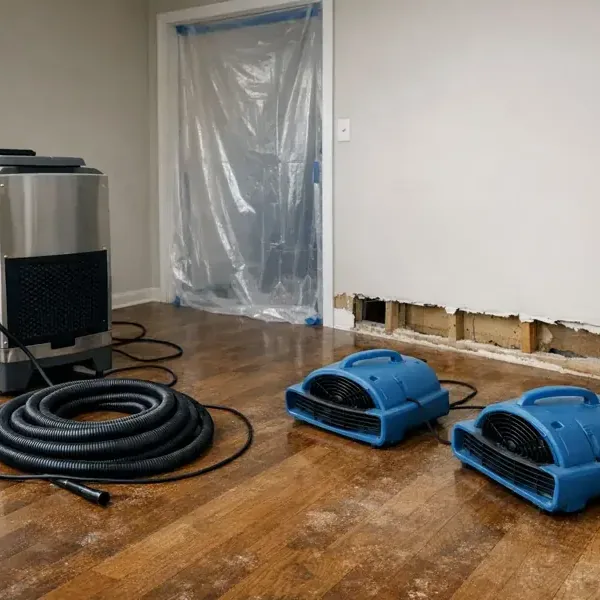
A mapped starting point
Room notes separate visibly wet surfaces from adjacent materials that need testing, keeping removal decisions tied to the actual affected area.
Purposeful material decisions
Swollen cabinet panels, wet insulation and contaminated padding require different decisions. The scope should explain why each material is retained or removed.
Access arranged early
Management contacts, locked doors and occupied rooms are identified before equipment arrives so the cleanup sequence accounts for practical building access needs.
Progress that stays visible
Moisture records help owners understand why drying continues, where equipment is positioned and when remaining finishes can move toward repair or replacement.
North Decatur water damage experts, day and night
North Decatur primarily consists of ranch homes from the 1950s and 1960s, while condominiums are also being developed. Restoration starts with the actual building: which surfaces became wet, which cavities are accessible and who can authorize work. A ranch interior may need several connected floor areas checked, while a condominium loss can require coordinated access above or beside the first visible stain.
The assessment and repair sequence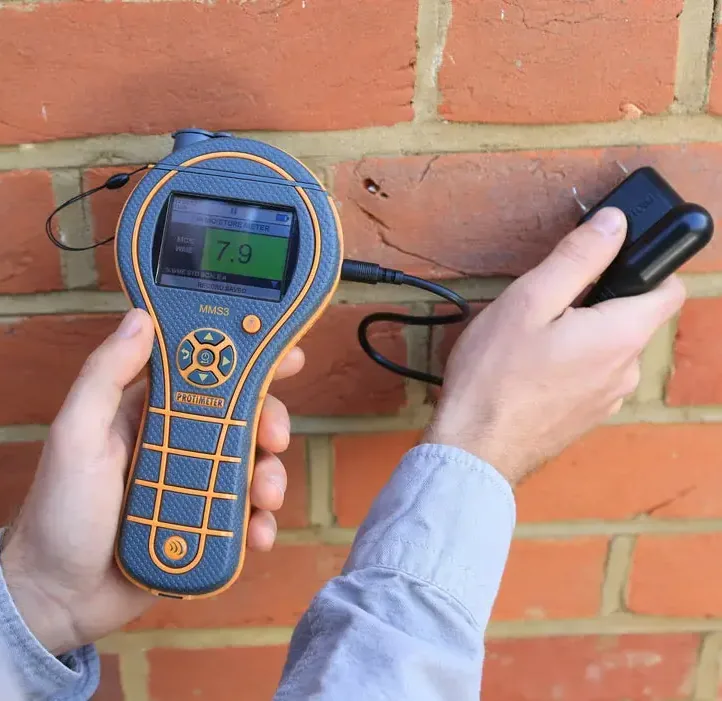
Drying follows inspection and source control
Equipment selection comes after identifying the water pathway and the materials holding moisture. Regular readings then show whether the approach is working or whether concealed areas need a closer inspection before repair.
Define the affected space
The inspection records wet rooms, visible deterioration and access limitations so extraction and removal can be planned around the building.
Remove recoverable standing water
Extraction reduces water available to soak further into flooring, while affected contents and vulnerable finishes are evaluated for appropriate handling.
Manage remaining material moisture
Air movement and dehumidification address retained assemblies, with adjustments made when readings indicate a damp pocket or an obstructed drying surface.
Prepare the repair handoff
Closing documentation identifies drying results, removed finishes and unresolved source repairs before the owner schedules reconstruction or replacement flooring.
Record damage before details disappear
Useful records show the starting condition and the work performed. Coverage depends on the policy and cause, so claim decisions belong with the carrier handling the loss.
- Photos of each affected room
- Notes about the apparent source
- A list of damaged belongings
- Copies of cleanup work estimates
- Drying readings and completion records
Paying for cleanup directly
An owner arranging payment directly should request a scope that separates water recovery, ongoing drying and repairs so the immediate work is understandable.
Questions about equipment duration, material disposal and changes discovered during access belong in the estimate discussion before additional work expands the original cleanup plan.
What affects North Decatur water damage costs?
North Decatur cleanup costs depend on the rooms involved, water condition and concealed moisture. The ranges below provide an initial planning framework. An inspection establishes the material quantities, access requirements and equipment needs before the actual restoration scope is priced.
Limited interior release
$1,000 to $2,500- Accessible wet surfaces
- Contained material damage
- Focused drying setup
Connected room damage
$2,500 to $5,000- Several affected finishes
- Additional moisture checks
- Broader equipment placement
Extensive interior loss
$5,000 to $8,000- Complex material removal
- Concealed water migration
- Expanded cleaning scope
Water category, wet area, material depth and the delay before extraction affect the scope. The water damage cost calculator gives a planning range; the assessment sets the work required.
Equipment and materials during water damage restoration
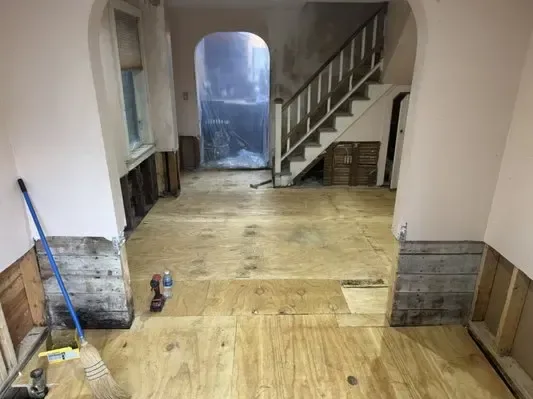
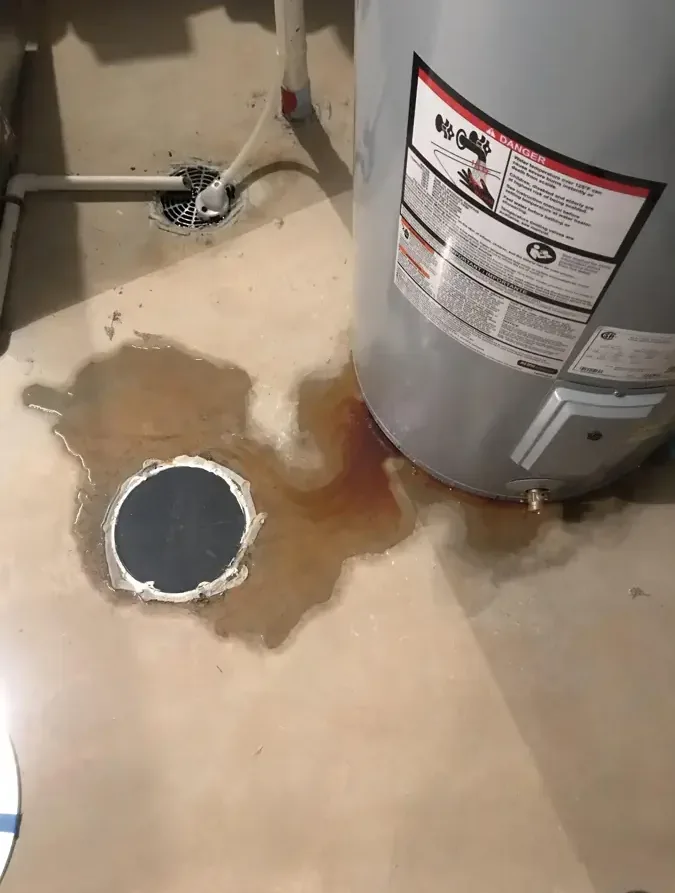
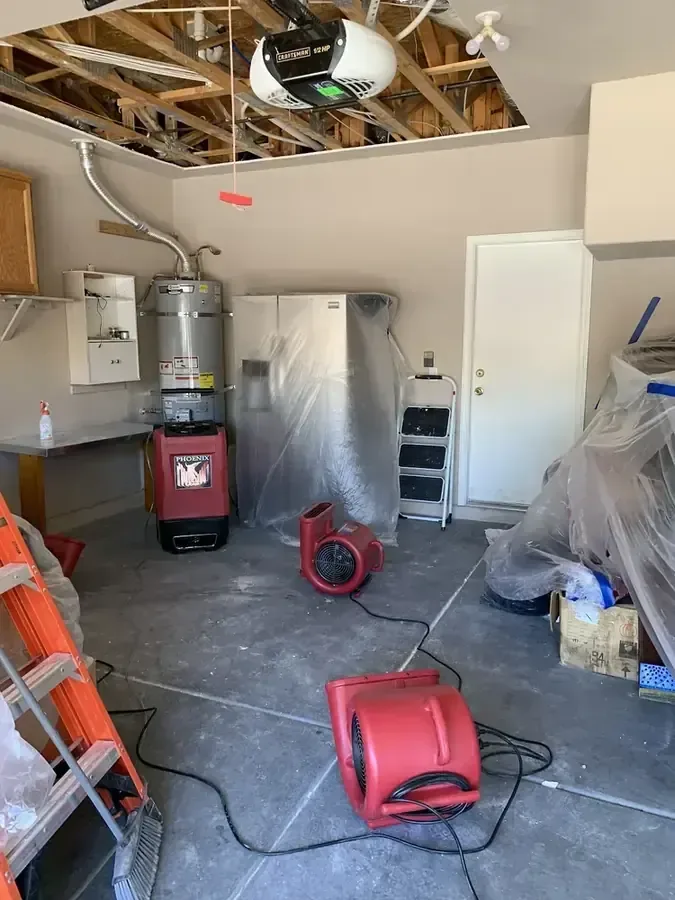
Choose cleanup around the water involved
A supply component breaks
A fresh plumbing release still needs prompt assessment because water can spread into hidden layers and change condition while remaining inside the building.
Trace a ruptured pipeAn appliance releases water
A washer or dishwasher leak may involve detergents or food residue. The appliance cycle and wetted materials help determine the appropriate cleaning approach.
Check appliance water spreadWastewater enters occupied space
Sewage requires restricted access and controlled removal. Porous finishes that absorbed wastewater may need disposal before retained surfaces can be cleaned and dried.
Assess sanitary spill cleanupRestoration planning across North Decatur
Other service areas
Explain the building access first
Clairmont Heights, University Heights and Medlock Park provide useful neighborhood references when arranging a visit. The property contact should also describe parking access, locked entries and occupied rooms.
For a condominium at Tuxworth Springs or Winston Place, the discussion should include management authorization and access to adjoining spaces where water may have traveled.
Water damage service areas
More detail about cleanup decisions
Track the route into the building
Local waterways and drainage systems provide context for a storm loss. Indoor assessment still starts at the entry point and follows the affected materials.
Creek mapping: USGS flood maps cover South Fork Peachtree Creek through the Willivee Drive bridge for selected stream stages.
Rain entry pathways
County stormwater services maintain catch basins and culverts. At a damaged property, photographs of the entry opening help separate exterior drainage issues from indoor restoration.
Concealed moisture movement
Water can travel behind a wall or above a ceiling before appearing. Inspection should connect the visible patch with the materials along that route.
Condominium access needs
Tuxworth Springs sits off Scott Boulevard, and Winston Place is off LaVista Road. Access to neighboring spaces may be needed when a leak crosses assemblies.
Affected floor transitions
Different flooring materials can hide different amounts of water. Doorways, wall bases and cabinet edges deserve attention when a puddle appears to stop at a seam.
Wastewater service questions
DeKalb County Department of Watershed Management provides county wastewater services. Indoor cleanup and a reported wastewater service problem need distinct followup and documentation.
Questions about a wet property
Is North Decatur an incorporated city?
North Decatur is an unincorporated community and census designated place in DeKalb County. A service request should identify the property itself and relevant access details, particularly when postal names or a nearby neighborhood reference could cause confusion.
Can a floor look dry while materials remain wet?
Yes. Surface water can disappear while padding, wall bases or the substrate retain moisture. Measurements at selected points help determine the affected depth and whether retained materials need continued drying before a floor covering or wall finish is replaced.
What information helps with a condominium leak?
The unit contact, building management contact and description of the visible leak are useful starting details. If water appears below another space, access coordination can allow the source and receiving room to be assessed as connected parts of the loss.
Should damaged belongings be discarded immediately?
Photographs and an inventory should be made when that can happen safely. Contaminated belongings need controlled handling, and disposal decisions should account for material condition and claim documentation rather than moving everything through clean rooms before assessment.
Does a creek map replace a property inspection?
A flood map provides information about mapped flood extent and depth at selected stages. The cleanup scope comes from the actual entry route, affected rooms and materials at the property, along with the observed water condition and remaining hazards.
What changes the drying plan after equipment arrives?
Readings can reveal a damp pocket, restricted airflow or moisture in an adjoining assembly. The plan may then require different equipment placement, further access or material removal. Progress records should explain the adjustment and its purpose for the affected building.
Who handles the leaking plumbing component?
Source repair is coordinated with the appropriate plumbing professional. Restoration addresses released water and damaged materials. Keeping those scopes distinct helps the owner understand which work stops the leak and which work prepares the interior for repairs afterward.
Can a business keep unaffected rooms open?
That decision depends on safe separation, clean access and the condition of the building systems. Equipment, hoses and contaminated areas must be accounted for before ordinary activity continues. A room outside the puddle may still need assessment for concealed moisture.
How is the end of drying determined?
The endpoint depends on material readings and the agreed drying targets. A dry appearance alone is insufficient. Completion notes should identify the retained materials checked and distinguish finished drying work from source repairs or reconstruction that remain outstanding.
Turn a wet room into a clear work plan
Describe the visible damage, suspected source and building access so the next restoration step can be established for the property.