Water damage response across DeKalb CountyWater and sewage cleanup · IICRC S500
Cooling equipment water damage

North Decatur AC Leak Water Damage

A slow condensate escape can wet a cabinet or ceiling without creating a dramatic puddle. North Decatur AC leak restoration traces that moisture into receiving materials and coordinates cleanup with service of the cooling equipment and its drainage components.

(888) 532-4616Discuss the condensate receiving area
Cooling source coordination Enclosure moisture inspection Ceiling and floor assessment
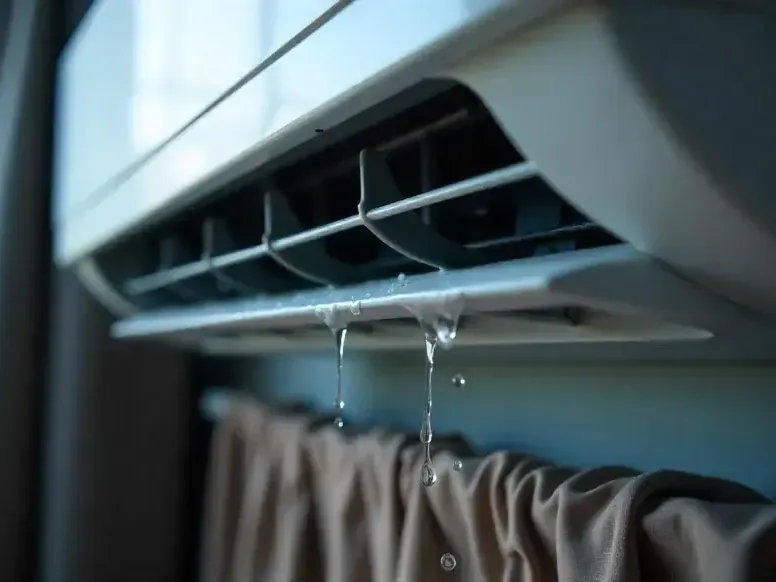
Water dripping from the lower edge of a wall mounted air conditioner
Water pathwayEquipment to nearby finishes
Repair contactCooling service professional
Concealed concernWet enclosure backing
Before closureRetained materials assessed
First steps

AC Leak Water Damage: what to do now

  1. 1.Describe the observed condensate escape

    The contact describes the equipment location and visible moisture. Cooling service findings connect restoration to the receiving pathway without requiring occupants to open covers or handle wet controls.

  2. 2.Coordinate safe service and interior entry

    The service professional handles source correction. Interior entry accounts for electrical concerns, wet backing and lower ceiling hazards, with management involvement when another condominium area requires inspection.

  3. 3.Evaluate backing and adjoining finish layers

    Inspection checks cabinet bases, wall edges, flooring and overhead surfaces reached by the leak. Targeted access reveals concealed moisture where necessary, and the scope explains which damaged components require removal and which retained materials can receive effective drying treatment.

  4. 4.Check the assembly before the enclosure closes

    Progress readings and condition checks document retained materials after source repair. Reinstallation or finish closure is coordinated around remaining access needs so a serviced cooling unit does not conceal damp backing or an untreated receiving surface inside the building.

Safety before AC leak water damage

Wet controls, wiring and electrical connections require safe handling by the appropriate professional. Occupants should not remove equipment covers or reach through a wet enclosure to investigate the drip. Cooling service addresses the equipment condition, while restoration access is planned around the receiving materials and any electrical hazards near the affected room surfaces.

A ceiling beneath leaking equipment can weaken as it absorbs water. The area below sagging or loose finishes should stay clear until assessed. Household fans should not be positioned where they blow debris from an untreated cavity or create cords across a wet route while the source of the condensate escape remains active.

How the work is held to standard

How AC leak water damage is handled

Connect the cooling service findings with the loss

The assessment records the observed water release and any diagnosis from the equipment service professional. Source correction is coordinated with inspection of the surrounding materials. This keeps the repair of the cooling system distinct from the work needed to recover water and dry the cabinet, wall, floor or ceiling that received it during the leak.

Examine the enclosure and receiving surfaces

The technician checks visible edges and accessible backing around the equipment. Stains and swelling help locate areas for moisture measurement, while adjoining rooms or lower ceilings are included where water migrated. Access limitations are documented so the scope can identify targeted openings rather than assume that the equipment's exterior shows the full interior damage pattern.

Treat damaged layers and retained materials

Unsuitable finishes are evaluated for removal, and accessible water is recovered before the drying arrangement is established. Retained backing, framing and floor layers receive treatment suited to their exposure and accessibility. The equipment service schedule remains coordinated with this work so replacement parts or closed panels do not prevent inspection of surfaces still holding moisture.

Prepare the enclosure and finish repair handoff

Monitoring and material checks establish the condition of the retained assembly after the source is corrected. The owner receives records of removed finishes, drying results and remaining access concerns. Cabinet closure, ceiling repair or equipment reinstallation can then be planned with a clear understanding of the water damage work completed and the separate reconstruction tasks still outstanding.

Typical cost ranges

What does AC leak water damage cost in North Decatur, GA?

AC leak restoration costs in North Decatur depend on the equipment location, concealed spread and condition of the receiving finishes. The ranges below address water damage cleanup and drying. Cooling system service, replacement equipment and later cabinet or ceiling repairs should be shown separately in the overall estimate.

Accessible condensate spill

$700 to $1,300
  • Open receiving surface
  • Limited finish treatment
  • Focused moisture checks

Closet or wall assembly

$1,300 to $2,400
  • Enclosure backing access
  • Connected material damage
  • Additional drying setup

Ceiling or concealed spread

$2,400 to $3,800
  • Hidden receiving layers
  • Overhead access needs
  • Broader restoration footprint

Water category, wet area, material depth and the delay before extraction affect the scope. The water damage cost calculator gives a planning range; the assessment sets the work required.

The process

AC Leak Water Damage from assessment to dry materials

AC leak cleanup treats building materials affected by water escaping from cooling equipment. The inspection follows the observed drip or overflow into the equipment enclosure and nearby finishes, then plans recovery and drying while the cooling system receives appropriate source repair.

  1. Source assessment

    The source repair record identifies the entry point and the correction performed.

  2. Material decisions

    Photos and moisture mapping define the affected assembly before removal or replacement.

  3. Drying verification

    Repeat measurements compare the affected materials with suitable dry references.

  4. Repair handoff

    The final scope separates completed drying from finish work and reconstruction still required.

A damp patch near cooling equipment can develop gradually enough to blend into ordinary room wear. Swollen trim, a marked ceiling or a wet closet base deserves a source and material assessment. North Decatur AC leak restoration follows the observed water path rather than assuming that clearing the equipment's drainage component will also resolve moisture already inside the surrounding building finishes.

Trace a small drip into the surrounding assembly

Winston Place is a condominium complex off LaVista Road. When cooling equipment water affects an interior there, the equipment location and receiving room matter more than the size of the drip. Moisture can collect behind a panel, beneath a cabinet base or along a wall corner before reaching an open surface. Inspection should connect those areas to the observed release.

  • Describe when the moisture appears without opening or operating unsafe equipment.
  • Record swelling, staining and wet edges around the equipment enclosure.
  • Identify any lower ceiling or neighboring room receiving the escaping water.
  • Coordinate access before repaired equipment or finishes hide the affected backing.

Equipment service and material drying answer different questions

Tuxworth Springs sits off Scott Boulevard. A condominium leak may need management involvement when the cooling enclosure or a receiving space is outside the occupant's direct access. The service professional investigates the equipment and its drainage, while restoration checks the building materials. Both findings belong in the work record so a stopped drip does not hide an unresolved wet wall.

Absorbent backing, insulation and cabinet panels can retain moisture after the equipment problem is corrected. The restoration scope should identify which layers are accessible and which may need selective removal. Material deterioration and water condition influence retention decisions. The objective is a dry, appropriately treated assembly, not merely a clean looking exterior around the serviced cooling unit.

Inspect the floor and ceiling that received the water

North Druid Valley is centered on Homewood Court. At an affected property, cooling equipment can occupy different locations, so the inspection begins with the actual arrangement. A low enclosure may direct water into flooring, while an overhead installation can affect a ceiling and the room below. Each receiving surface needs a suitable access and moisture assessment.

Ceiling water damage work may address overhead finishes, and structural moisture treatment handles retained layers. The final record should connect the equipment repair status with removed materials and drying results. It should also note any inaccessible section that needs further attention before a cabinet panel, ceiling finish or cooling enclosure is returned to its closed position.
Service area

AC leak water damage coverage in North Decatur

Winston Place, Tuxworth Springs and North Druid Valley provide references for scheduling a condensate damage assessment. The property contact should identify the cooling equipment location and the wall, ceiling or floor surfaces showing new moisture nearby.

The same service nearby: ac leak water damage in Clarkston, Scottdale, Avondale Estates.

Water damage restoration in North Decatur · every town covered

Questions

AC Leak Water Damage questions in North Decatur

Does a stopped AC drip mean the wall is dry?

Stopping the release prevents additional water but does not remove moisture from backing, trim or insulation. Those materials need their own assessment. The restoration scope should identify what remained wet after cooling service and how the retained assembly will be checked before closure.

Who repairs the cooling equipment source?

The appropriate cooling service professional investigates the equipment and drainage components. Restoration addresses the water damage in surrounding materials. Coordinating those tasks helps ensure the source is corrected while the affected enclosure, ceiling or floor receives the access and drying it needs.

Can a small condensate leak damage a room below?

Water can travel through an overhead assembly and appear on the ceiling beneath the equipment. The receiving room should be inspected when staining or dripping develops. Its ceiling, walls and floor may need treatment even if the equipment enclosure contains little visible standing water.

Why might a cabinet panel need removal?

A panel can hide wet backing or obstruct airflow to a retained surface. It may also be physically deteriorated by the leak. The assessment should explain whether removal is needed for access, material condition or both, and identify the layers that require subsequent treatment.

What should condominium management know about the loss?

The report should identify the cooling equipment location, visible receiving damage and any adjoining space that needs access. Management coordination can help arrange entry and authorization. Separate records for equipment service and interior restoration keep the source repair and affected material work understandable.

When can the enclosure be closed again?

Closure should account for source correction, material condition and satisfactory drying findings. A serviced unit can otherwise conceal damp backing that still requires access. The handoff should identify the retained surfaces checked and any finish or cabinet repair work that remains before ordinary use resumes.

Water loss support

Resolve moisture around the serviced cooling equipment

Arrange assessment of the enclosure and receiving finishes so source repair and interior drying can move toward a coordinated repair handoff.

(888) 532-4616Request condensate damage restoration
(888) 532-4616Water help, 24/7