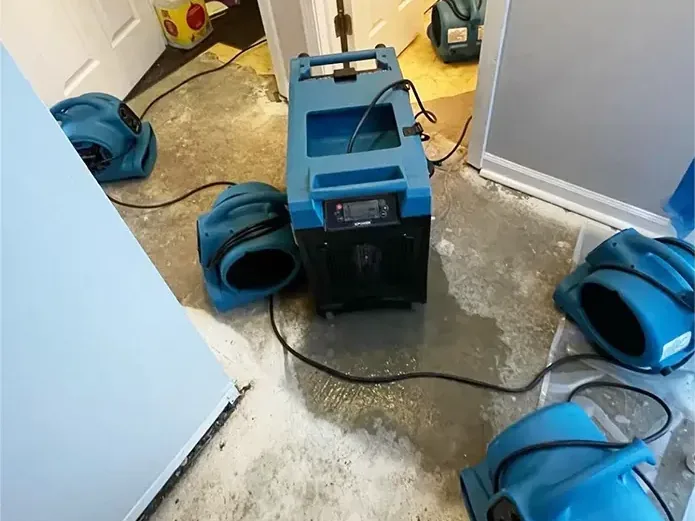
Water damage response across DeKalb CountyWater and sewage cleanup · IICRC S500
Water release during a pipe thaw

Frozen Pipe Water Damage in Clarkston, GA

A freeze-damaged pipe may release water as flow returns. The restoration team checks the affected room and concealed layers after safe plumbing isolation, then extracts water and tracks the assembly through controlled drying.

(888) 532-4616Thaw exposed a leak? Discuss it
24/7 thaw-loss assessment Safe plumbing coordination Concealed moisture checks
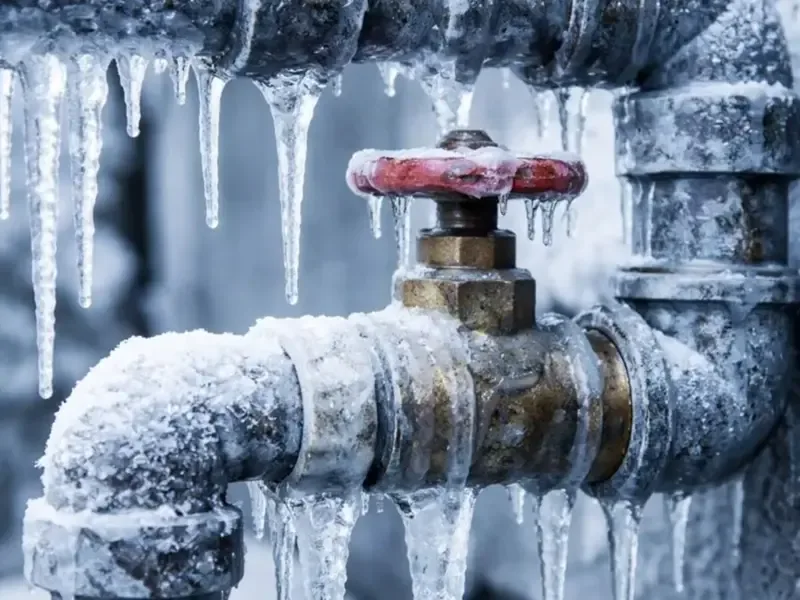
Ice and icicles covering exposed pipes and a shutoff valve
Source eventLeak during thaw
Safety ruleNo open-flame thawing
InspectionExposed and concealed areas
Drying goalMaterial-specific readings
First steps

Frozen Pipe Water Damage: what to do now

  1. 1.Avoid improvised thawing

    The household leaves open flames and high-heat methods out of the response. A plumber evaluates the pipe location and safe thawing or repair approach, especially around wet electrical equipment or concealed plumbing.

  2. 2.Watch the return of flow safely

    The owner notes whether water begins leaking as pressure returns and reports the first wet location. People keep clear of affected ceiling areas and water near outlets while the source receives attention.

  3. 3.Document the connected rooms

    The technician checks wall bottoms, ceilings and floor transitions beyond the visible break. The moisture map follows the building connections so a concealed wet layer does not remain outside the cleanup scope.

  4. 4.Coordinate cavity closure

    The repair trade keeps required access available while the restoration team dries and measures exposed materials. Replacement insulation and finishes follow the documented goal rather than simply the return of warmer room air.

Safety before frozen pipe water damage

The household does not use an open flame, torch or improvised high heat to thaw plumbing. Wet electrical equipment and inaccessible pipe locations need qualified assessment. A known shutoff can be useful only when someone can reach it safely from a dry position.

A pipe that was quiet while frozen can release water as ice loosens. People watch from a safe location and report new flow, wet ceilings or water at wall bottoms. The plumber determines the source-control approach. The restoration crew checks the resulting building damage rather than treating the return of water pressure as proof that the plumbing and surrounding materials are sound.

How the work is held to standard

How frozen pipe water damage is handled

Confirm the plumbing condition

The plumber investigates the suspected freeze damage and controls the source. The restoration technician records when leakage appeared and identifies safe access to the rooms and cavities reached by the released water. The owner supplies the sequence of reduced flow, thawing and visible leakage so the technician can align the moisture map with the plumbing findings.

Map the water through connected layers

The crew measures around the source and along nearby framing, wall bases and floor transitions. Initial photos and readings establish the affected boundary before removal or extraction changes the visible condition. The team identifies wet insulation and records any inaccessible section, explaining how additional opening may support both inspection and effective drying.

Expose and dry retained moisture

Authorized access allows the team to remove unsalvageable wet layers and position equipment for the remaining assembly. Dehumidification supports controlled evaporation while the technician tracks materials that remain concealed from ordinary room view. The owner keeps the agreed room conditions and equipment arrangement stable, reporting any new leak or interruption that changes the material trend.

Verify before the repair closes

Repeated measurements demonstrate progress to the drying goal and identify any remaining problem area. The owner keeps the source repair and moisture records together before insulation, drywall or floor finishes cover the inspected structure. Remaining damaged finishes are noted separately from the drying result, allowing the repair trade to plan closure using the full source and moisture record.

Typical cost ranges

What does frozen pipe water damage cost in Clarkston, GA?

Frozen pipe water damage cleanup in Clarkston typically costs $1,200 to $6,500, with plumbing diagnosis and pipe replacement separate. The release size, concealed insulation and number of affected rooms drive the restoration work. A leak discovered during thawing can require checks beyond the first visible wet surface.

Contained thaw-related leak

$1,200 to $2,200
  • Source isolation complete
  • Accessible wet room
  • Initial extraction and checks

Concealed wall or ceiling loss

$2,200 to $4,200
  • Cavity moisture mapping
  • Selective insulation removal
  • Controlled drying setup

Multiple affected rooms

$4,200 to $6,500
  • Broader water footprint
  • Additional equipment zones
  • Detailed repair handoff

Water category, wet area, material depth and the delay before extraction affect the scope. The water damage cost calculator gives a planning range; the assessment sets the work required.

The process

Frozen Pipe Water Damage from assessment to dry materials

Frozen pipe cleanup addresses water released from a damaged supply during or after thawing. The plumber assesses the pipe and safe source control; the restoration crew follows the resulting water path, removes recoverable water and dries affected materials.

  1. Source assessment

    The source repair record identifies the entry point and the correction performed.

  2. Material decisions

    Photos and moisture mapping define the affected assembly before removal or replacement.

  3. Drying verification

    Repeat measurements compare the affected materials with suitable dry references.

  4. Repair handoff

    The final scope separates completed drying from finish work and reconstruction still required.

Frozen pipe water damage in Clarkston needs attention when a suspected frozen supply begins to leak or flow returns unexpectedly. The damaged point may sit behind a wall or in an exposed service area. A plumber controls the source and assesses the pipe. The restoration technician checks where the released water traveled, including spaces that show no obvious puddle.

Following the release after water returns

The first wet surface may appear below or beside the damaged pipe. Water can follow framing, insulation and floor penetrations before entering a visible room. The technician maps those connections and checks the wall or ceiling cavity when accessible. The source repair report helps locate the initial release, while moisture readings establish the restoration footprint.

  • The owner records when flow stopped, returned and produced visible leakage.
  • The plumber checks the damaged pipe and other affected supply sections.
  • The crew documents wet insulation and finishes before any approved opening.
  • Drying equipment operates only after safe electrical access and source control.

Distinguishing property plumbing from utility conditions

DeKalb County Watershed Management supplies public water service information. A loss of pressure at a property can have more than one cause, so the owner should not assume a frozen pipe without a plumbing assessment. The cleanup team records the actual source findings and the affected materials once a release occurs.

In the Clarkston High School service area, the technician may need access to a wall cavity adjoining occupied rooms. Around the Clarkston Branch, a property owner can identify the entrance and level where water first appeared. The inspection establishes the pipe route, affected insulation and water path through the assembly.

Drying the opened assembly after source repair

Wet insulation can keep framing damp even after the room warms up. The team evaluates removal and drying access, then manages airflow and dehumidification within the affected zone. The technician measures concealed layers even when the room has returned to a comfortable temperature. Repeated readings determine the progress.

The burst pipe service explains pressurized releases, while structural drying covers the material goal. Ready.gov winter weather information provides cold-weather safety background. EPA WaterSense offers leak-awareness information. The owner keeps the plumbing findings, initial water photographs and drying record together before repair closes the affected cavity.
Service area

Frozen Pipe Water Damage coverage in Clarkston

Water damage service covers ZIP 30021, including the areas around the public library and high school. Emergency dispatch is available 24/7. The assessment identifies the source and the wet materials before equipment placement.

Browse the service area

Questions

Frozen Pipe Water Damage questions in Clarkston

Does reduced water flow prove that a pipe is frozen?

No. Pressure changes can have other causes. The owner checks the public utility information and asks a plumber to assess the property supply. The restoration scope begins with the actual water release and resulting damage, not an assumed diagnosis.

Can a pipe leak only after thawing?

A damaged section can release water as flow returns. The owner reports the timing and visible wet area from a safe position. The plumber checks the source, and the restoration technician maps the materials reached by that release.

Should a torch or heater thaw a concealed pipe?

Improvised high heat and open flames create hazards, particularly near concealed materials and wet electrical components. A plumber determines the safe approach. The household should not cut into a wall or apply uncontrolled heat to chase a suspected frozen section.

Why inspect insulation after the pipe is repaired?

Insulation can retain water and obstruct airflow to framing. The technician assesses its condition and the available drying access. A repaired pipe prevents new water but does not remove moisture already held in the surrounding assembly.

Will warming the room finish the drying?

The technician verifies material dryness with moisture readings. Airflow, dehumidification, access and the wet material volume all matter. The technician compares repeated readings with a suitable dry reference before recommending equipment removal or cavity closure.

What should the owner record during discovery?

Note the loss and return of flow, the first visible leak and source-control actions. Safe photographs and the plumbing diagnosis support the cleanup record. The drying team adds moisture maps, removal decisions and final readings for the repair handoff.

Water loss support

Dry what the repaired pipe left wet

The restoration team follows concealed water paths and records the material condition before finishes return.

(888) 532-4616Plan thaw-loss drying
(888) 532-4616Water help, 24/7