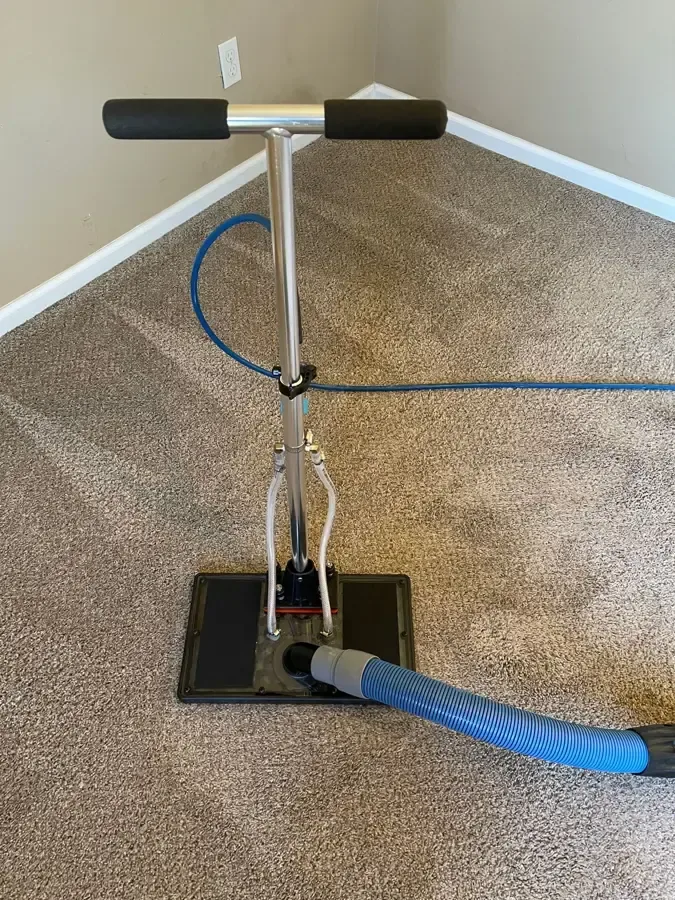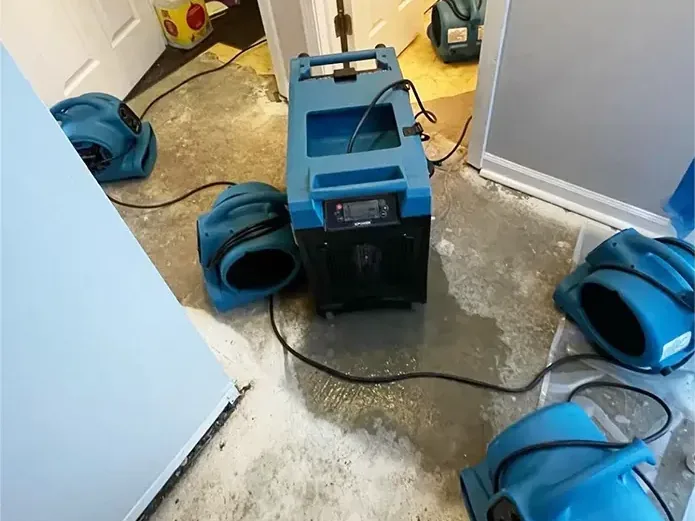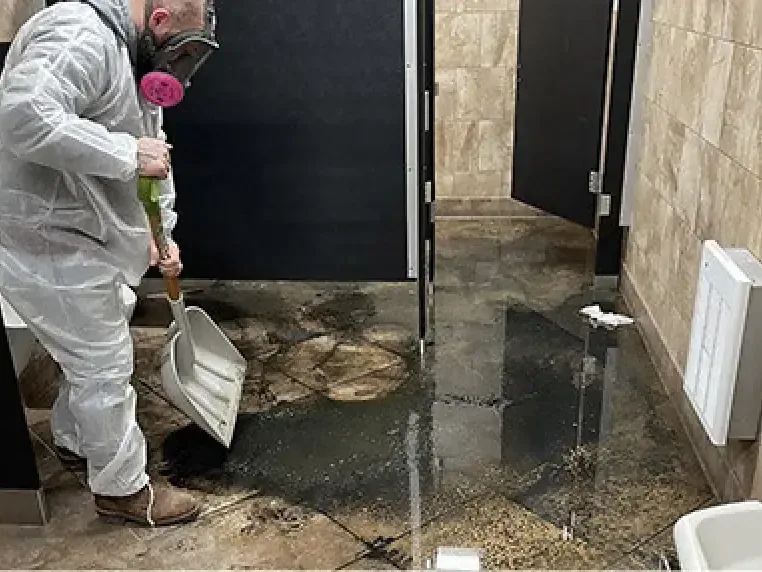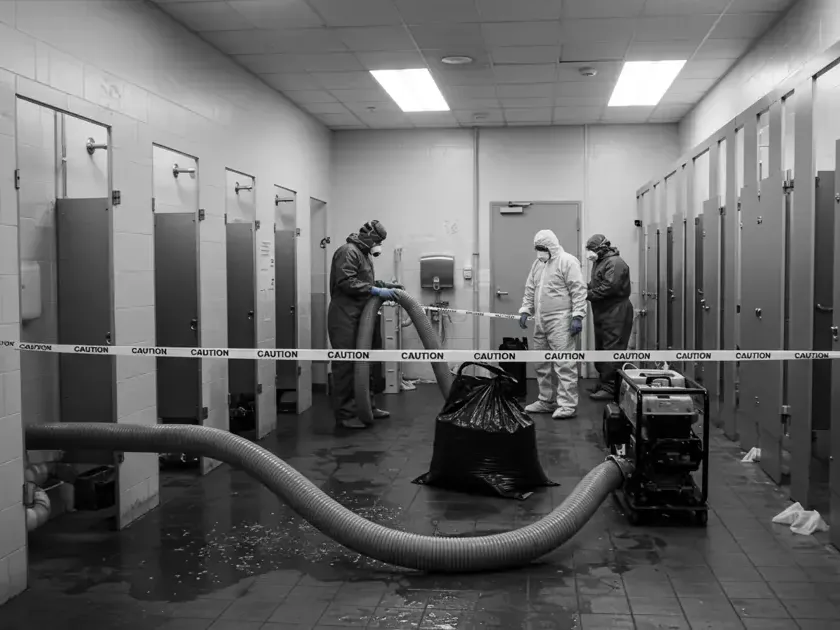
Commercial water damage restoration in Clarkston begins with the people using the building and the route water has taken through it. The manager identifies occupied areas, essential equipment and access restrictions. The restoration technician maps the loss and explains which spaces need separation before extraction or removal. A clear work zone supports safer decisions about business activity during recovery.
Building a room-by-room commercial loss record
The technician records the source, water category and affected materials by area. Office partitions, storage rooms, customer spaces and utility rooms can require different access and drying arrangements. Contents that obstruct inspection need a documented handling plan. The team distinguishes building-material restoration from specialist recovery of electronics, records or stock.
- The manager identifies authorized contacts and access to utility shutoffs.
- The crew maps wet rooms and checks adjoining walls, ceilings and floor layers.
- Photos preserve the condition of affected finishes and contents before movement.
- Equipment routes remain coordinated with exits and any occupied clean areas.
Local facilities and public-system coordination
DeKalb County Watershed Management provides water and wastewater services. A public water incident and a leak within business premises require different source contacts. The property manager records the utility or repair findings, while the restoration crew documents the indoor effects and the drying scope. The source record helps distinguish a continuing release from moisture left after repair.
Service coverage includes the areas around Clarkston High School and the Clarkston Branch. Commercial properties in those service areas need their own inspection of access, contents and building construction. A nearby landmark helps identify the location; the manager floor plan and the technician's measurements establish the work zones at the actual premises.
Making the drying milestones useful to a manager
The drying plan identifies what can be inspected, which materials require removal and where equipment operates. Repeated readings show progress by assembly, allowing the manager to coordinate repair access with the measured condition. Reopening a room should account for utilities, contamination, trip hazards and unfinished repairs as well as moisture.
The structural drying service explains material verification, and sewage cleanup covers contaminated losses. Ready.gov business preparedness offers continuity information. The county watershed department provides public-system details. The claim file can include a room inventory, pre-removal photos, equipment records and drying measurements, while the insurer evaluates the applicable coverage and any business-interruption provisions.