Water damage response across DeKalb CountyWater and sewage cleanup · IICRC S500
Overhead water and wet drywall

Ceiling Leak Water Damage in Clarkston, GA

The ceiling cleanup team checks overhead stability, traces water from the room above and measures concealed framing. Controlled removal and drying address the wet assembly before a patch hides the remaining moisture.

(888) 532-4616Ceiling dripping? Review the damage
24/7 overhead-loss assessment Electrical safety first Framing moisture records
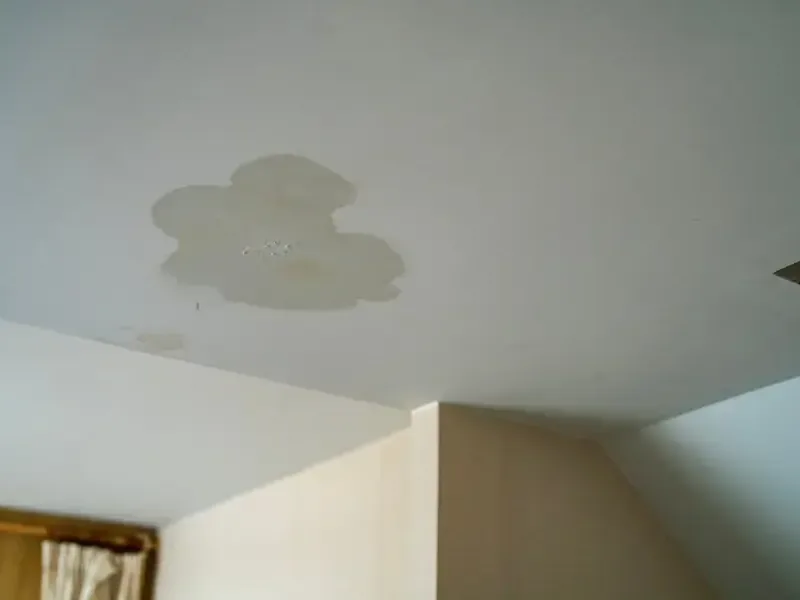
Broad water stain across a ceiling below a leak
Keep clearSagging surfaces
Source checkAbove the stain
Hidden layersInsulation and framing
CompletionMeasured dry assembly
First steps

Ceiling Leak Water Damage: what to do now

  1. 1.Clear the falling-material zone

    People leave the room beneath a sagging or bulging ceiling and keep children away. Nobody probes the surface or stands below a wet light to inspect the drip.

  2. 2.Arrange safe source access

    The property manager or owner provides access to the room or attic above. A plumber or appropriate repair trade investigates the source while the cleanup technician assesses the wet assembly.

  3. 3.Document both levels

    Photos record the overhead stain and any water on the lower floor from a safe position. The technician checks contents and wall edges below the leak as separate affected materials.

  4. 4.Keep the cavity open for checks

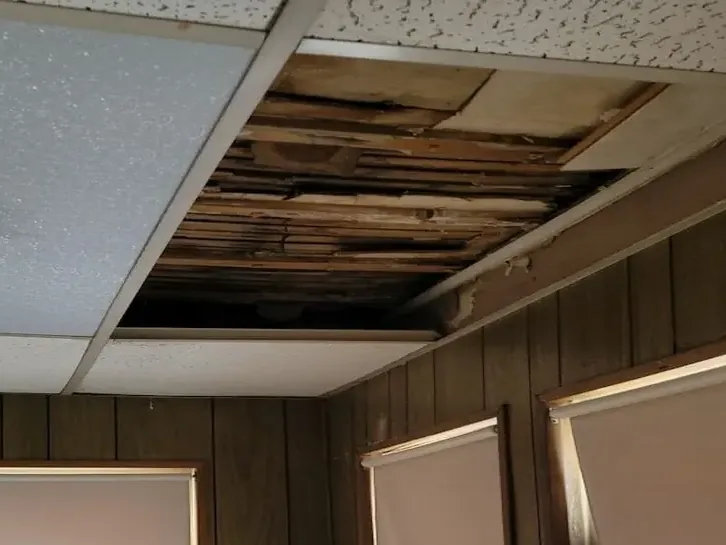
    After authorized removal, the crew leaves access for airflow and measurements. Replacement drywall waits until the source is controlled and concealed materials reach the established drying goal.

Safety before ceiling leak water damage

A bulging ceiling can release water and heavy material without warning. The household clears the space below the bulge and avoids puncturing it. Wet lights, switches and electrical fixtures require qualified electrical assessment before the crew opens the overhead assembly or operates equipment beneath it.

A bucket on a dry, safe floor may catch a small drip, but it does not make a weak ceiling stable. People keep furniture moving and cleanup activity outside the falling-material zone. The response team checks access, support and the water source first. An upper-floor occupant or property manager may need to provide access before diagnosis can proceed.

How the work is held to standard

How ceiling leak water damage is handled

Check stability and utilities

The technician assesses overhead sagging and the location of electrical fixtures before entering the work zone. Safe access and source isolation set the sequence for any inspection or controlled removal. The household identifies any room above the stain and whether dripping changes when a fixture operates or rain reaches the building.

Follow the concealed route

Moisture readings connect the stain with nearby framing and the space above it. The crew records the source findings and marks the wet boundary before deciding which ceiling layers need access. The team checks the floor beneath the leak and records contents exposure so lower-room damage remains part of the same assessment.

Open and dry the assembly

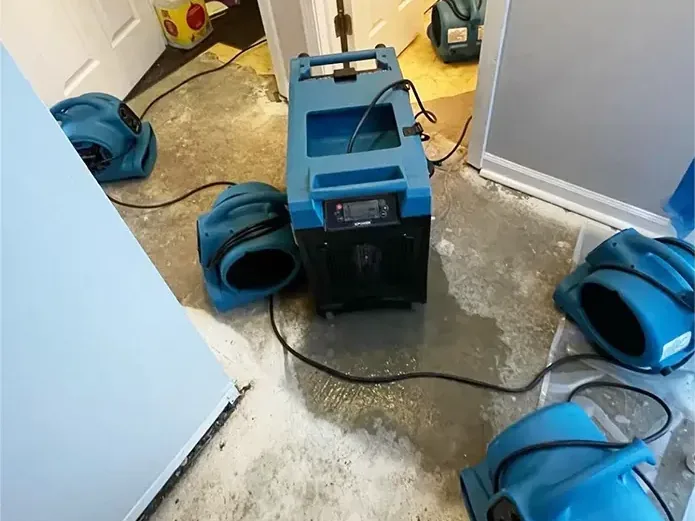
The team protects the room, removes unsalvageable material and places equipment for the exposed cavity. Dehumidification supports evaporation while the technician checks that airflow reaches the wet framing rather than only the room. The crew keeps the falling-material zone separated and leaves marked framing locations accessible for repeat readings throughout the overhead dry-out.

Separate drying from refinishing

The closing readings show the condition of the opened assembly. The repair trade then addresses drywall, insulation and paint, with source correction and drying records retained separately in the property file. The owner keeps photographs of the opened cavity with the readings so the repair trade can review the condition before closure.

Typical cost ranges

What does ceiling leak water damage cost in Clarkston, GA?

Ceiling leak cleanup in Clarkston usually ranges from $900 to $4,500 before plumbing, roof repair or finish replacement. Height, wet insulation, electrical access and damage to the room below affect the cost. A small stain can require broader inspection when water has traveled along framing.

Small accessible ceiling area

$900 to $1,700
  • Source already corrected
  • Limited opening
  • Framing moisture checks

Ceiling and upper walls

$1,700 to $3,000
  • Wet insulation removal
  • Protected work area
  • Controlled cavity drying

Overhead and lower-room loss

$3,000 to $4,500
  • Multiple wet materials
  • Additional access needs
  • Separate floor assessment

Water category, wet area, material depth and the delay before extraction affect the scope. The water damage cost calculator gives a planning range; the assessment sets the work required.

The process

Ceiling Leak Water Damage from assessment to dry materials

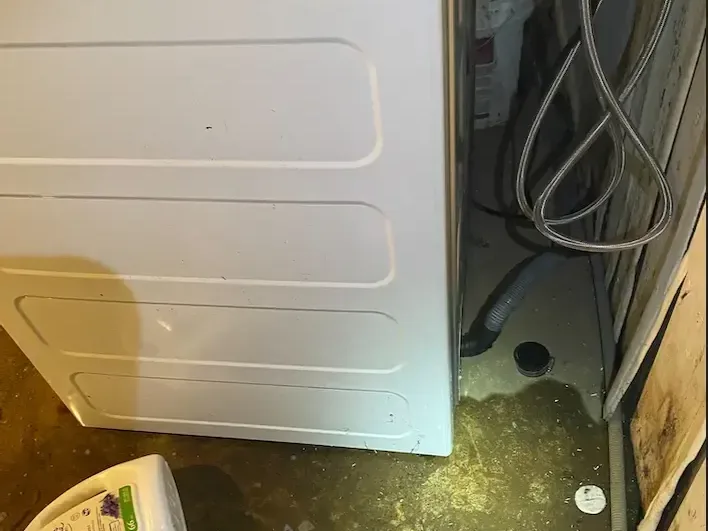
Ceiling leak restoration focuses on overhead finishes and the spaces they conceal. The inspection separates a plumbing or appliance source from roof entry, checks the room below and documents the materials that need drying or removal.

  1. Source assessment

    The source repair record identifies the entry point and the correction performed.

  2. Material decisions

    Photos and moisture mapping define the affected assembly before removal or replacement.

  3. Drying verification

    Repeat measurements compare the affected materials with suitable dry references.

  4. Repair handoff

    The final scope separates completed drying from finish work and reconstruction still required.

A ceiling leak in Clarkston can show up far from the source. Water travels along a joist or pipe before it finds a seam, light opening or low spot. The technician checks above and around the stain, then follows the route into the room below. Painting over a dry-looking mark leaves the concealed layers untested.

Tracing a stain through the ceiling assembly

The inspection compares the visible mark with moisture readings along the ceiling and upper wall. Plumbing fixtures, appliance connections and floor penetrations above the room receive attention when they fit the water path. If rain triggers the problem, roof and attic inspection becomes part of the source investigation. The cleanup scope follows the findings rather than the stain shape alone.

  • The crew photographs the ceiling before any controlled opening.
  • Testing identifies wet insulation, framing and adjacent wall materials.
  • Safe access above the room helps distinguish the source from the exit point.
  • The floor and contents below receive their own water-damage assessment.

Coordinating access in an occupied building

A ceiling loss can involve more than one household or business space. The owner or manager arranges access to the source area while the restoration team keeps the affected room separated. DeKalb County water service information helps with public utility questions, but an indoor leak still needs a property-specific plumbing investigation. The ceiling inspection determines whether affected materials can remain after source repair.

Properties around the Clarkston Branch and Clarkston High School service areas may require a clear equipment path through occupied rooms. The technician asks which rooms remain in use and where water has reached lights or furniture. The work plan protects clean access and records the actual building layout instead of assuming a particular ceiling construction.

Drying before the patch and paint

Wet insulation can block airflow to framing. The team explains which layers require removal and checks the exposed cavity before positioning equipment. Dehumidifiers manage the moisture that leaves the ceiling, while air movement reaches accessible wet surfaces. Readings at marked locations show whether drying continues inside the assembly.

The roof leak page covers rain entry, while appliance leak cleanup addresses releases from equipment above a room. The Ready.gov flood information reinforces electrical precautions around water. The city public works information identifies municipal infrastructure responsibilities. The repair record should distinguish source correction, drying completion and finish replacement so a new patch does not conceal an unfinished moisture problem.
Service area

Ceiling Leak Water Damage coverage in Clarkston

Water damage service covers ZIP 30021, including the areas around the public library and high school. Emergency dispatch is available 24/7. The assessment identifies the source and the wet materials before equipment placement.

Browse the service area

Questions

Ceiling Leak Water Damage questions in Clarkston

Should someone puncture a ceiling bubble?

A wet ceiling can contain heavy water and weakened material. The household keeps clear instead of puncturing it. The restoration technician evaluates stability and safe removal, with electrical hazards addressed before opening a surface near lights or wiring.

Why is the leak source away from the stain?

Water can follow framing, pipes and seams before emerging at a low point. The visible mark is often an exit point. The technician checks above and around it, then confirms moisture with a meter rather than judging the source by appearance.

Can a ceiling dry without opening?

Some small, accessible clean-water losses may allow drying in place. Trapped insulation, wet framing or weakened drywall can require an opening. The technician explains that decision using the material condition, contamination and ability to verify the concealed area.

Does the room below need inspection?

Yes, when water reaches its floor, wall edges or contents. A ceiling repair does not address moisture under a rug or beside a cabinet below. The assessment maps both the overhead assembly and the surfaces that received the dripping water.

Who handles an upstairs plumbing source?

A plumber investigates the fixture or supply connection. The owner or manager arranges access to that space. The restoration crew documents and dries the affected materials after source control, keeping the plumbing report with the cleanup record.

When can paint cover the stain?

The source must stop, the assembly must meet the drying goal and any damaged finish must receive the required repair. A dry painted surface alone is insufficient. The technician records concealed-material readings before the repair team closes the opening.

Water loss support

Make the ceiling repair follow the readings

The restoration crew checks hidden layers and records drying progress before a new finish covers the opening.

(888) 532-4616Plan ceiling cavity drying
(888) 532-4616Water help, 24/7