Water Damage Restoration Clarkston, GA
Water spreading through a room needs a clear next step. The restoration team removes standing water, checks concealed moisture and dries affected materials to a measured goal, with emergency dispatch available 24/7.
(888) 532-4616Wet rooms? Discuss the next step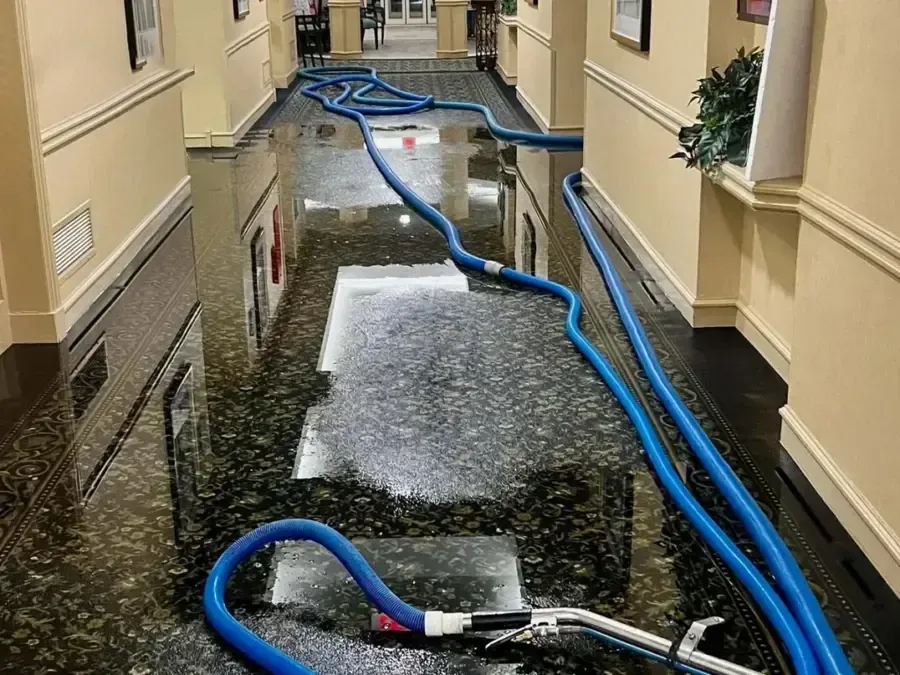
The drying goal follows comparable unaffected material, with readings recorded before equipment leaves.
What to do while the water is still moving
- 1Stay outside electrical hazards
People avoid standing water near outlets, equipment or a breaker panel. A dry access route comes before any cleanup attempt.
- 2Use a safe shutoff
An accessible known valve may stop a supply release. The household leaves unsafe or unfamiliar utility work to the appropriate repair trade.
- 3Keep contaminated water contained
Children and pets stay outside affected rooms. Sewage-soaked materials remain separate from clean belongings until the cleanup assessment sets a handling plan.
- 4Photograph from a safe position
The owner records the source, water level and damaged contents before movement or removal, keeping a simple discovery timeline with the images.
- 5Describe the affected rooms
Emergency dispatch needs the source status, wet levels and access concerns. The technician then checks the actual material boundary at the property.
Water Damage Restoration Services in Clarkston, GA
Choose the problem that matches the source or damaged material. Each assessment separates source repair, water removal, cleaning and the drying work that follows.
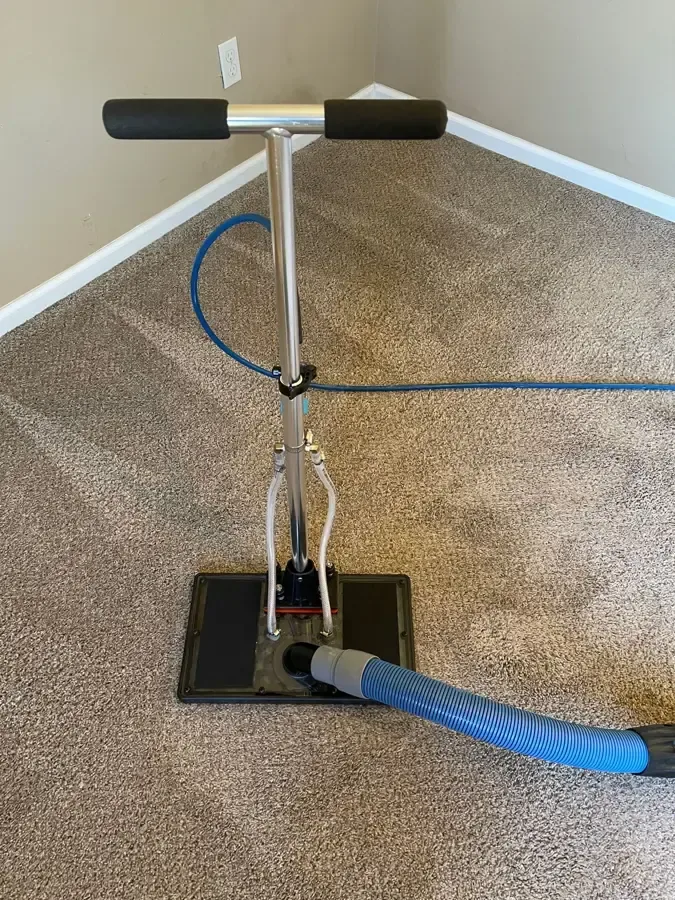 Water ExtractionStanding water needs recovery before it spreads through floor joints. Pumps and extractors remove the accessible water first.
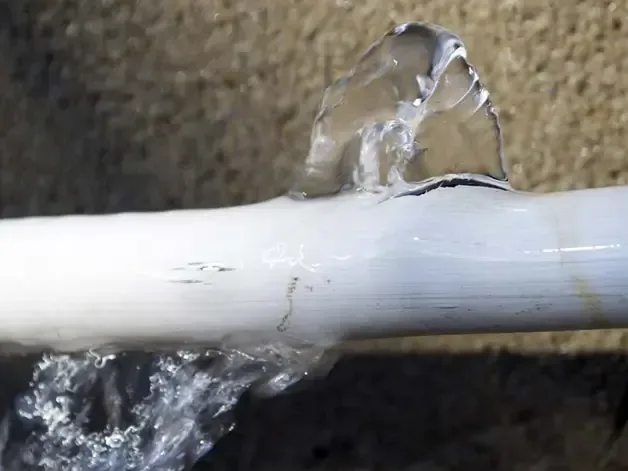 Burst Pipe Water DamageA pressurized release can wet adjoining cavities. The inspection follows the pipe damage through connected walls and floors.
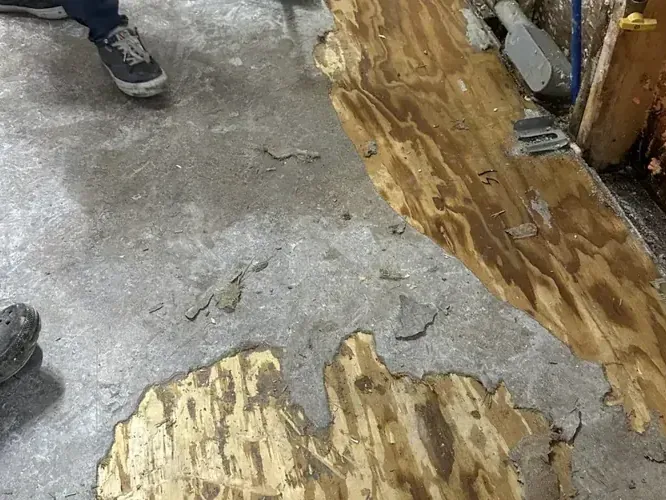 Slab Leak Water DamagePersistent floor moisture needs a plumbing diagnosis and substrate checks. Drying continues after the buried source receives repair.
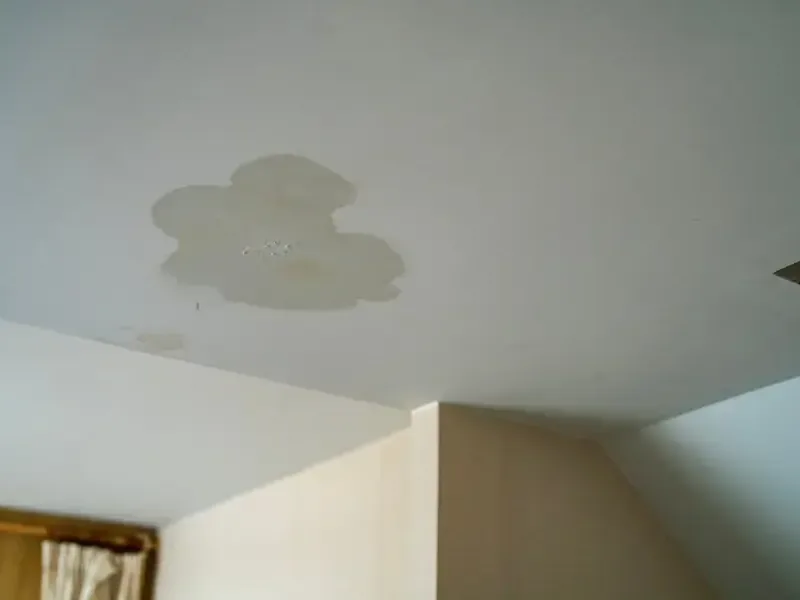 Ceiling Leak Water DamageA ceiling stain can conceal wet insulation and framing. Safe overhead access comes before opening the affected assembly.
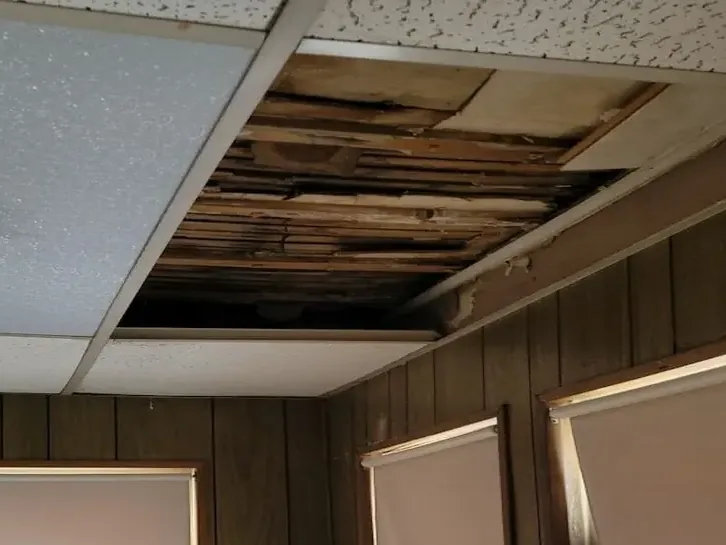 Roof Leak Water DamageRain entry can soak the attic before reaching a room. Roof source correction and interior drying need coordinated access.
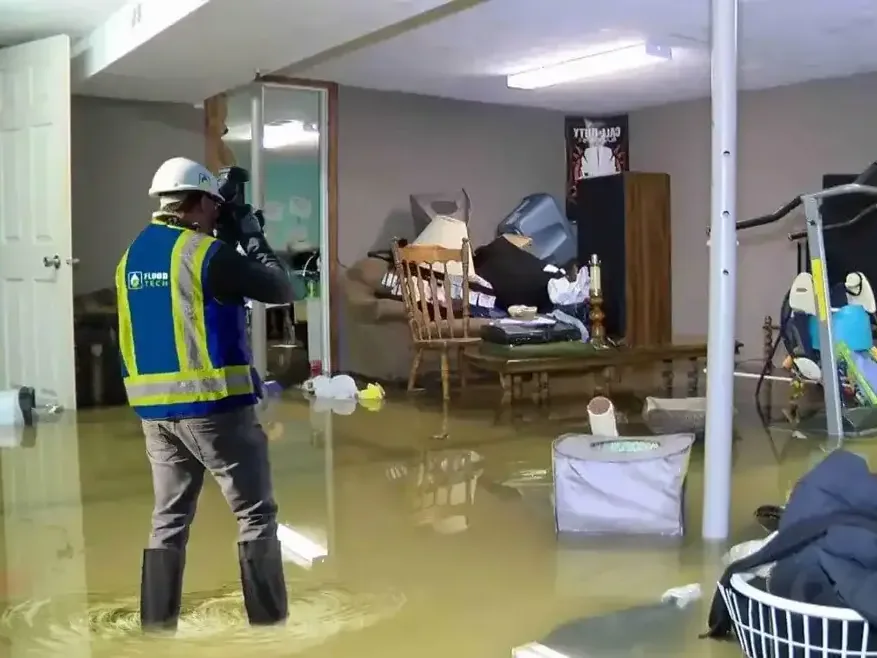 Storm Flood CleanupOutdoor water carries contamination into finishes. Controlled removal and surface cleaning prepare the remaining structure for drying.
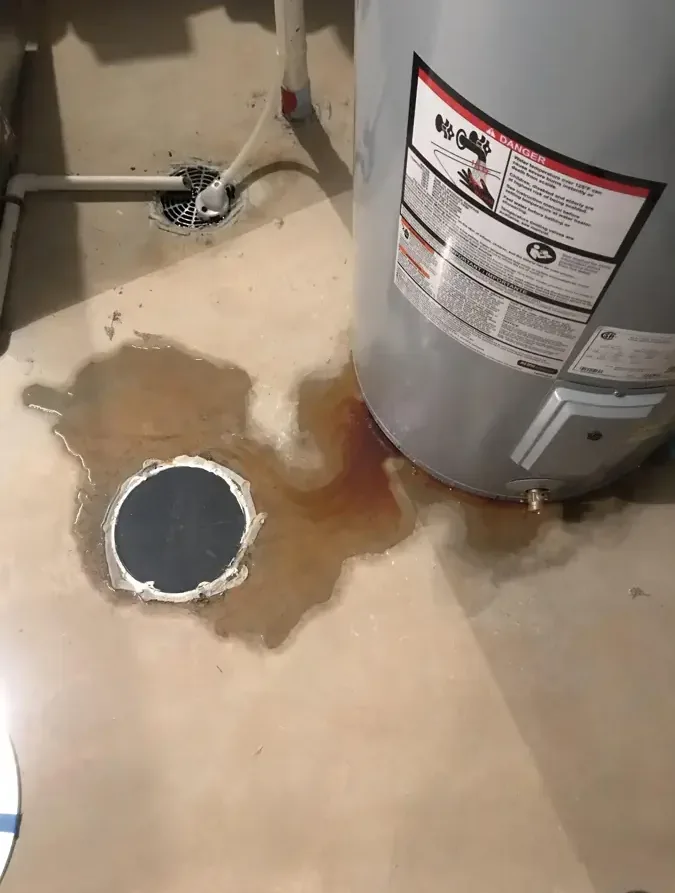
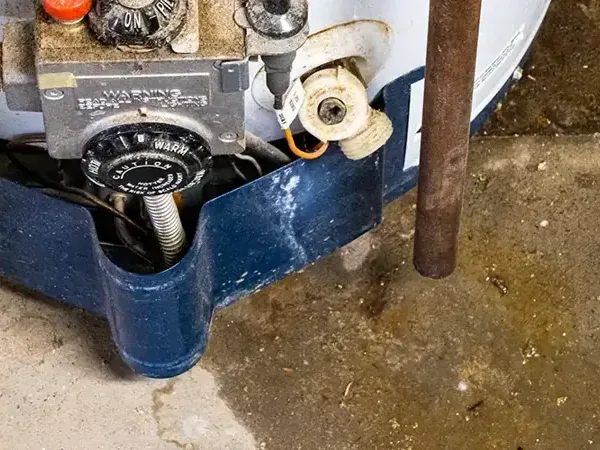 Water Heater Leak CleanupWater around a tank can reach closet walls and adjoining flooring. The crew checks beyond the collection pan.
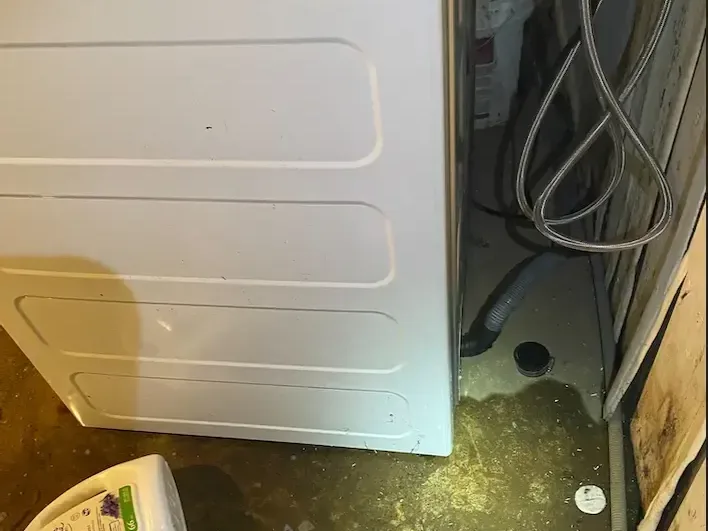 Appliance Leak Water DamageWasher and dishwasher releases can hide beneath cabinetry. The water source determines cleaning and material decisions.
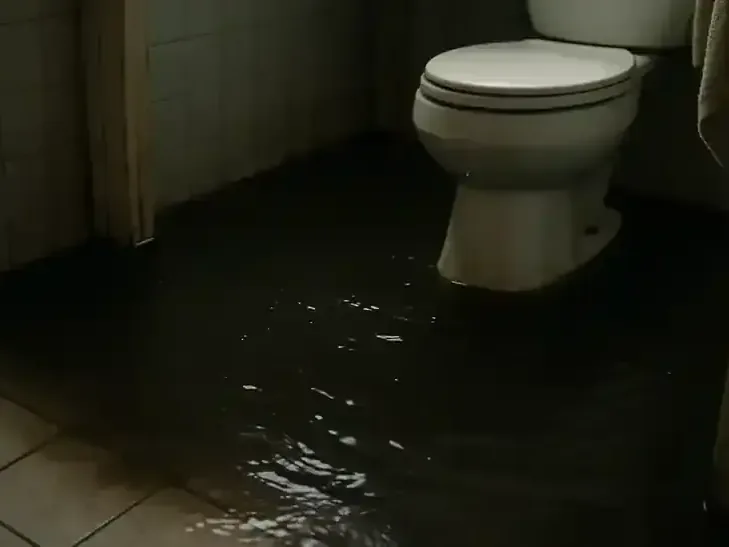 Toilet Overflow CleanupSupply water and contaminated bowl overflow require different handling. The assessment checks bathroom layers and rooms below.
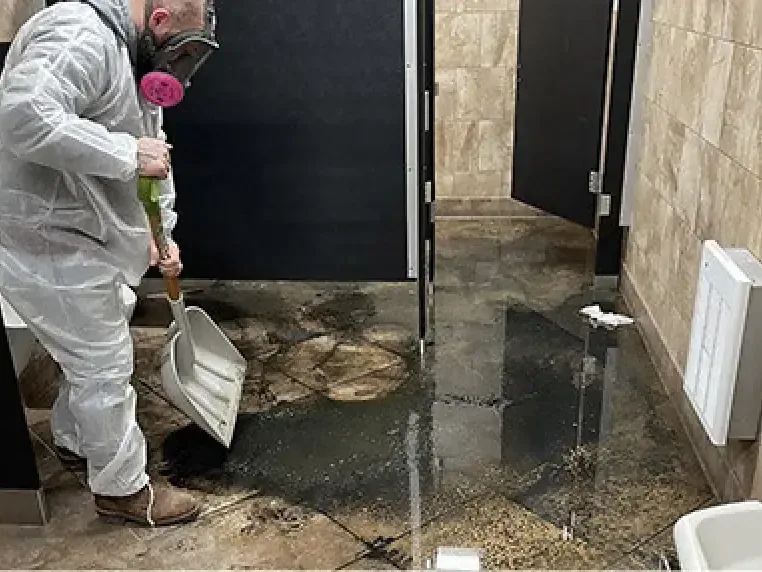 Sewage Backup CleanupCategory 3 water requires protective controls and porous-material removal. Cleaning precedes airflow through the affected room.
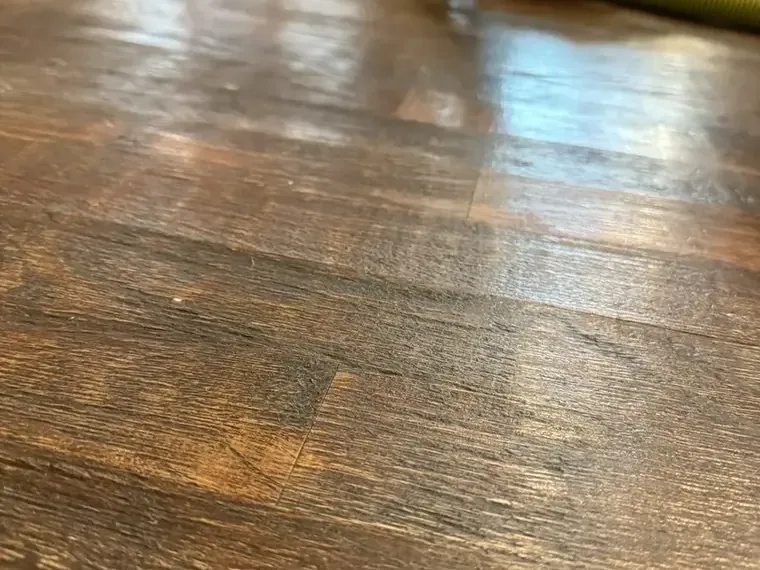 Hardwood Floor Water DamageWet boards and their substrate need separate measurements. Repair decisions follow moisture stabilization instead of immediate sanding.
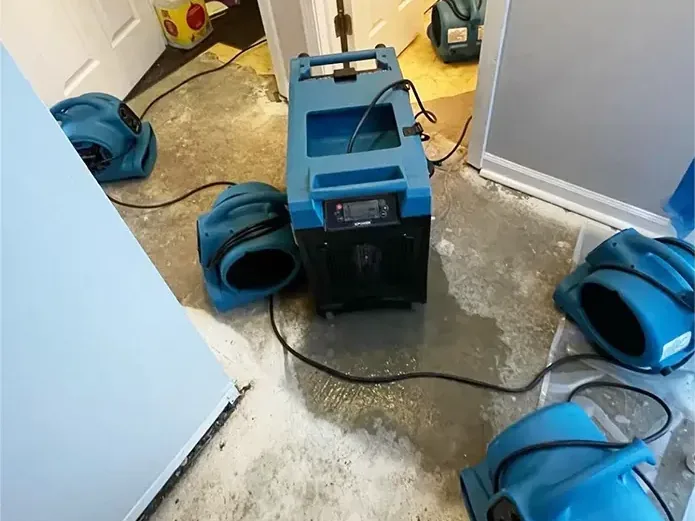 Structural DryingAir movers and dehumidifiers work together after extraction. Repeated readings show when the assembly reaches its goal.
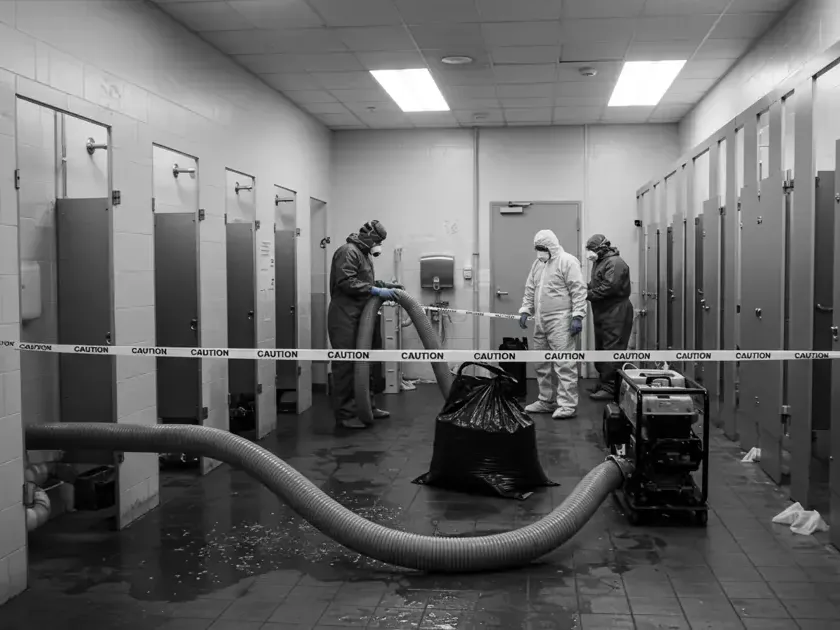 Commercial Water Damage RestorationBusiness recovery needs safe routes, contents records and defined work zones. The manager receives a documented drying handoff.
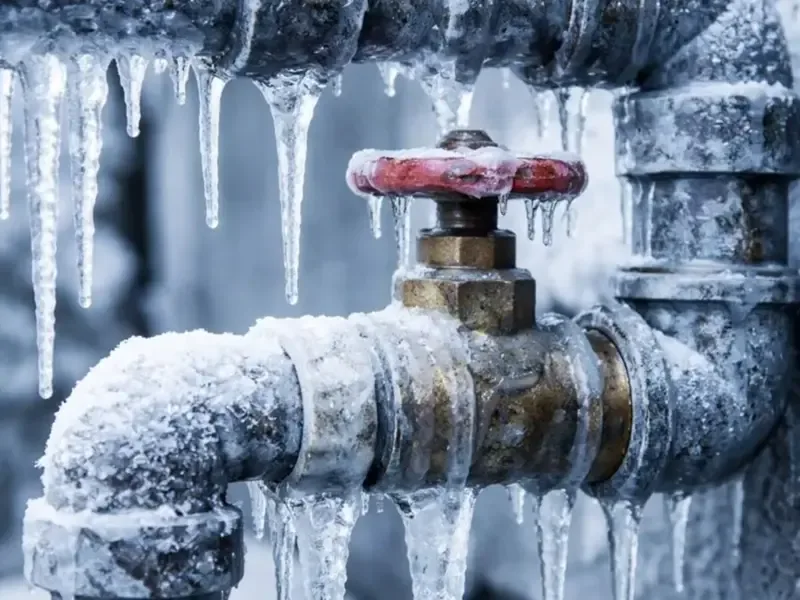 Frozen Pipe Water DamageA thaw can expose a damaged supply pipe. Source isolation and concealed-moisture checks address the resulting release.
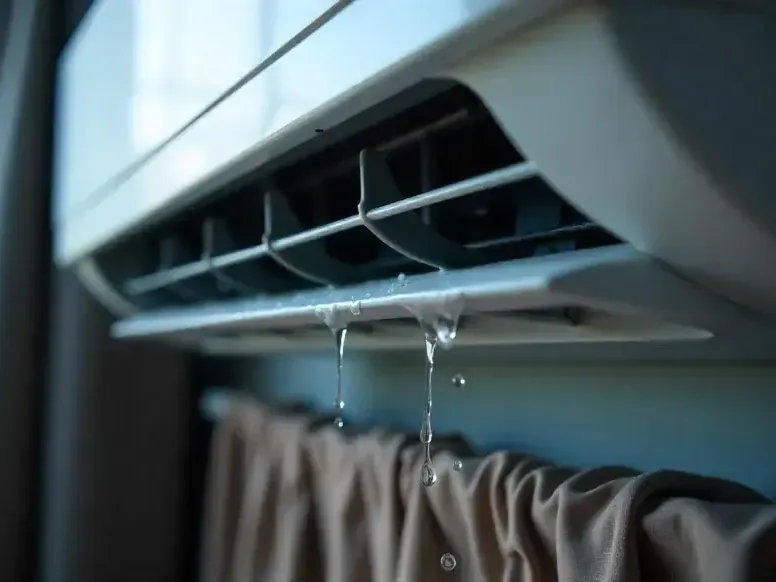 AC Leak Water DamageEscaped condensate can soak a closet or ceiling cavity. HVAC repair and building-material drying address separate parts of the loss.
How a water loss is handled
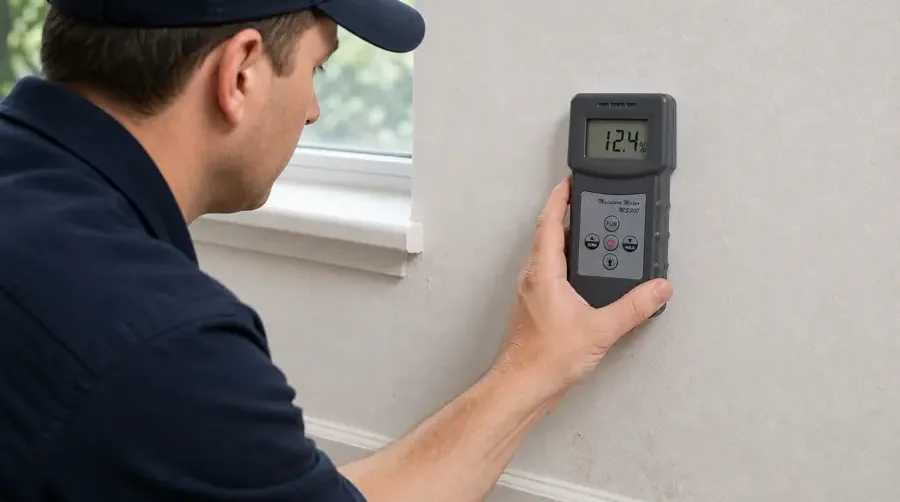
Rapid local response
Emergency dispatch operates 24/7. The assessment prioritizes continuing water, electrical exposure and safe entry before the crew introduces recovery equipment.
IICRC S500 drying standard
The drying technician uses material measurements and suitable references to establish the goal, then checks the same locations as the work progresses.
Claim-ready documentation
Photos, the wet-area map and daily readings describe the loss. The record distinguishes source correction, cleanup, drying and remaining reconstruction.
Local water experts
The crew plans around occupied rooms and real building access. Public utility questions and indoor restoration tasks receive separate attention.
Clarkston water damage experts, day and night
Clarkston water damage restoration begins with the source and the building materials that received the water. A stopped leak is one milestone; a dry assembly is another. The technician maps moisture, explains removal decisions and keeps the repair sequence visible in the record. The owner can follow what changed, which materials remain and what the next trade needs before new finishes return.
The assessment and repair sequence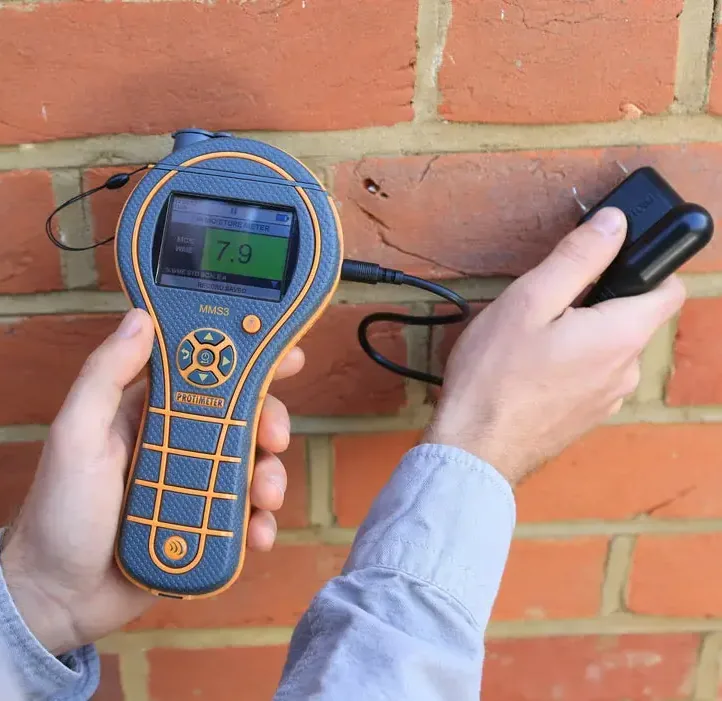
Water damage dried to the IICRC S500 standard
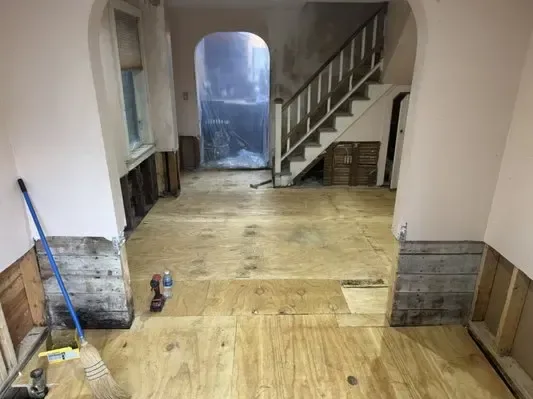
The drying team removes recoverable water, exposes necessary surfaces and manages the room environment. Equipment stays while readings show unfinished drying, and the technician adjusts the setup when access or moisture conditions change.
Map the wet assembly
The technician checks wall bottoms, floors and connected cavities, marking locations that can be measured again throughout the work.
Extract before evaporation
The crew removes accessible water with suitable recovery tools so the drying equipment handles retained moisture rather than a standing pool.
Control the drying zone
Air movers support evaporation from exposed materials while dehumidifiers remove the resulting moisture from the room air.
Verify the handoff
The final record compares material readings with the goal and identifies the repairs still needed before the assembly closes.
Documentation for your insurance claim
The restoration record describes what was wet and what the crew did. The owner keeps source-repair information with the photos and drying measurements for a complete sequence.
- Initial water and contents photographs
- Room-by-room moisture map
- Water category and material decisions
- Equipment and daily drying records
- Final readings and remaining repair scope
Review the actual policy
A sudden plumbing release and rising outdoor water can fall under different coverage. The insurer evaluates the policy terms and the cause of the loss.
The owner checks coverage and any reporting requirements directly with the insurer. Documentation supports that conversation without promising payment or a particular claim outcome.
What does water damage restoration cost in Clarkston, GA?
Typical water damage restoration costs $1,000 to $8,000, with major source repairs and reconstruction separate. Water category, the wet footprint, material depth and the delay before cleanup change the scope. A technician measures the actual loss before defining the required work.
Contained clean-water loss
$1,000 to $2,500- Limited room area
- Accessible wet surfaces
- Extraction and basic drying
Several affected materials
$2,500 to $5,000- Wall and floor checks
- Selective material access
- Daily moisture monitoring
Extensive or contaminated loss
$5,000 to $8,000- More removal and cleaning
- Larger equipment load
- Detailed repair handoff
Water category, wet area, material depth and the delay before extraction affect the scope. The water damage cost calculator gives a planning range; the assessment sets the work required.
What a water damage dry-out looks like in Clarkston
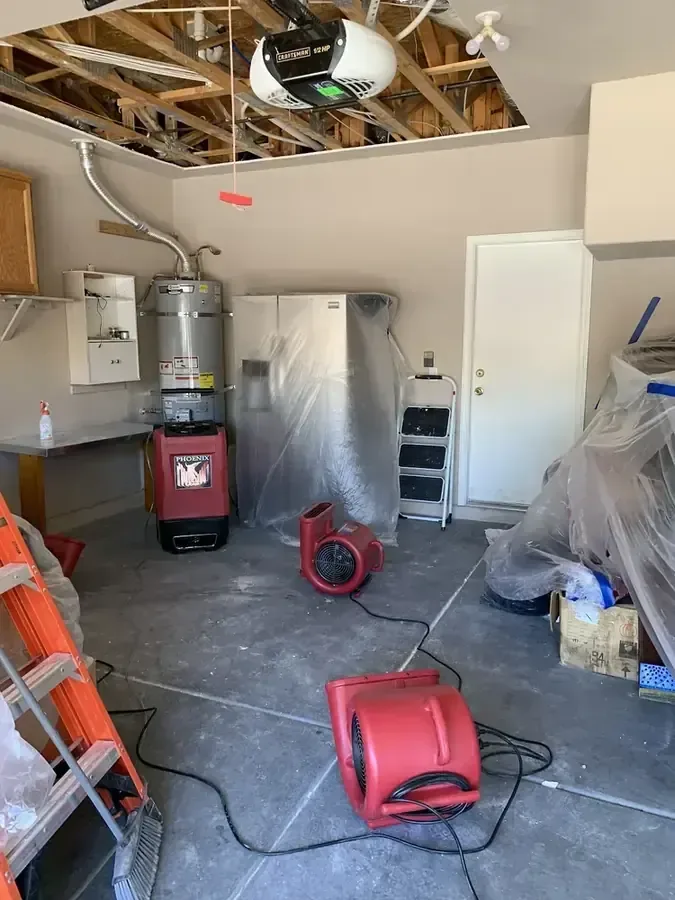
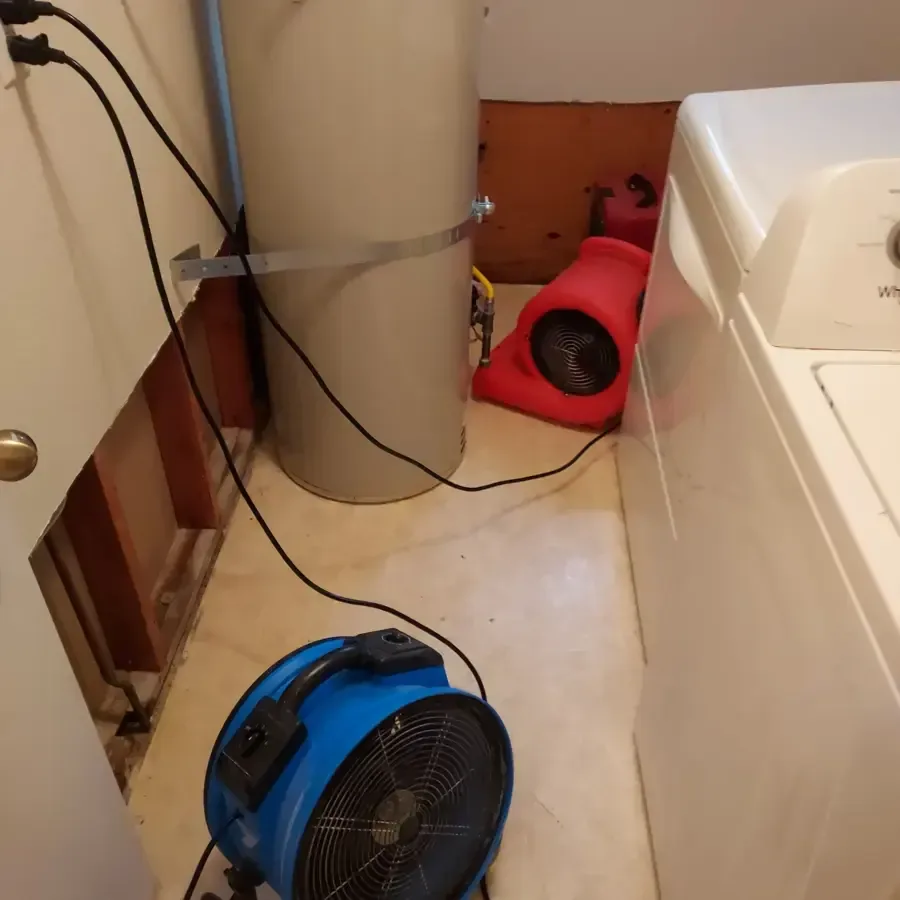
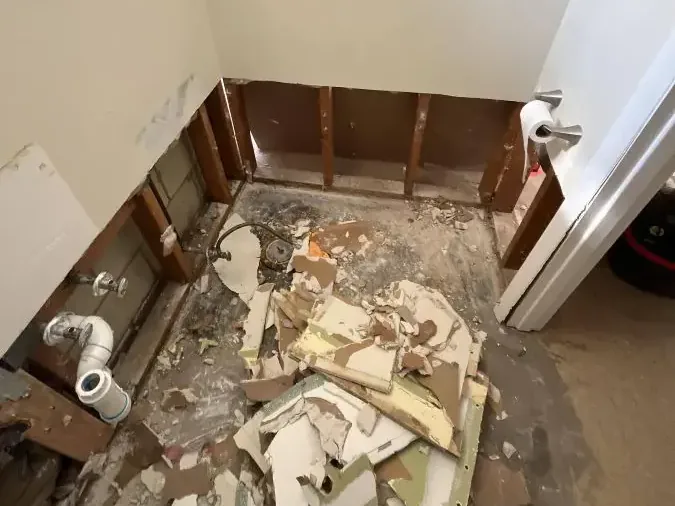
All water damage categories covered in Clarkston, GA
Category 1: clean source
A fresh supply release starts differently from dirty discharge. Time and contact with materials still matter when the technician evaluates the water.
Follow a supply-pipe releaseCategory 2: contaminated water
Used appliance water can require cleaning and material removal before drying. The actual source and condition guide the decision for each affected layer.
Check appliance-water cleanupCategory 3: sewage and floodwater
Protective controls, porous-material removal and surface cleaning come first. The team starts controlled airflow after the contamination work prepares the structure.
Understand sanitary-water removalWater damage help across Clarkston and nearby communities
Nearby service areas
Clarkston water damage pros, available 24/7
The response assessment starts with the property location, affected rooms and whether water continues to enter. The technician checks access before defining equipment and removal needs.
The owner can describe the source, floor level and any electrical or ceiling concern. Clear details help the team plan the inspection around the actual building.
Water damage service areas
More detail about cleanup decisions
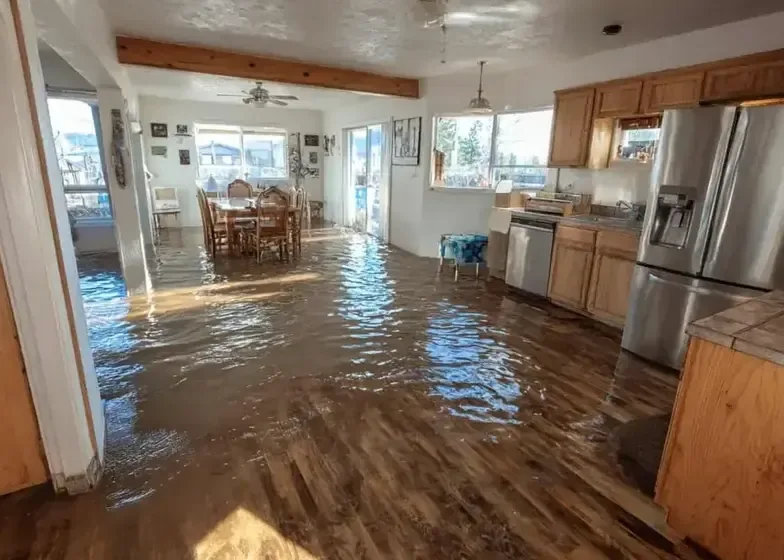
Water problems and public drainage in Clarkston
The city stormwater information explains how paved surfaces increase runoff. Indoor cleanup and a public drainage report address different parts of a water loss.
Public drainage reporting: The city accepts blocked storm-drain reports and asks for urgent contact when a blockage causes flooding.
Runoff at the property
The city describes asphalt and concrete as surfaces that increase runoff. The cleanup assessment records the actual entry route into the building.
Water and wastewater service
DeKalb County Watershed Management handles the public system. The property source investigation and indoor drying remain separate tasks.
Concealed room connections
A ceiling leak can wet the room below, and a floor spill can reach adjoining wall bases. The technician measures beyond the visible mark.
Occupied-room access
The work plan keeps dry access clear and identifies spaces that need separation during extraction, contaminated-material handling or drying.
Repair after verification
New trim, flooring and ceiling finishes follow the material readings. The final record identifies the drying goal and any remaining repair area.
Clarkston water damage questions
What should happen first when water enters a room?
Safe access comes first. People avoid wet electrical equipment and unstable ceilings. An accessible supply shutoff may stop a plumbing release. The restoration assessment then identifies the source, water condition and affected materials before recovery begins.
Does a repaired leak mean the room is dry?
Source repair stops new water. Moisture can remain beneath flooring, inside walls or in insulation afterward. The drying technician maps those layers and compares repeated readings with a suitable goal before replacement finishes cover them.
What does the IICRC S500 standard mean for drying?
The standard informs assessment, material decisions and the drying process. The crew uses moisture measurements and room conditions to guide equipment placement and progress. A fixed number of days cannot replace the actual material readings.
Can carpet and drywall always stay in place?
The water source, contamination, time wet and drying access determine that decision. Some clean-water materials can remain for controlled drying. Contaminated porous layers or inaccessible wet assemblies may require removal before the structure can dry effectively.
How long does a typical dry-out take?
A contained clean-water loss often needs several days, while dense or concealed materials can take longer. The drying time estimator gives a planning window. The technician uses repeated readings to decide when equipment can leave.
Who handles a blocked public storm drain?
The city accepts storm-drain blockage reports and requests urgent contact when flooding results. An indoor restoration assessment addresses water already in the building. The owner can report the public issue while arranging the separate property cleanup.
Why does sewage need a different cleanup sequence?
Sewage is Category 3 water from the start. The crew controls access, removes affected porous materials and cleans exposed surfaces before airflow. Drying follows contamination work so equipment does not spread material from an untreated area.
What documentation helps an insurance discussion?
The owner keeps initial photographs, a discovery timeline and source-repair information. The restoration record adds moisture maps, removal decisions, equipment records and final readings. The insurer evaluates coverage under the policy, including any separate flood provisions.
Is water-loss assessment available outside business hours?
Emergency dispatch operates 24/7. The household describes continuing water, affected levels and safety concerns. The response assessment establishes access and the work needed, with the scope based on the property rather than a fixed arrival or completion promise.
Water damage in Clarkston needs a measured next step
The restoration crew follows the source, removes water and checks the materials before repair covers the wet assembly.