Water damage response across DeKalb CountyWater and sewage cleanup · IICRC S500
Pressurized plumbing release

Burst Pipe Water Damage in Clarkston, GA

A broken supply pipe can wet several assemblies before a puddle appears. The mitigation team follows the release through walls and floors, extracts accessible water and dries the exposed structure after source repair.

(888) 532-4616A pipe split? Discuss cleanup
24/7 damage assessment Source-to-room moisture map Drying records for repairs
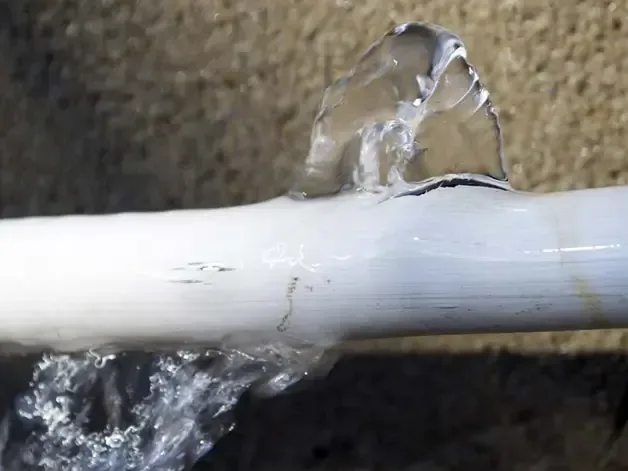
Water spraying through a split in a white supply pipe
Source taskPlumbing isolation
Wet boundaryWalls and floors
Drying standardIICRC S500
RecordsPhotos and readings
First steps

Burst Pipe Water Damage: what to do now

  1. 1.Isolate an accessible supply

    The household uses a known shutoff from a dry position if safe. A plumber handles a valve that will not close or a source that remains pressurized.

  2. 2.Protect the room below

    People avoid sagging ceilings and water near lights. The technician checks the lower level as well as the break location before deciding which areas can remain occupied.

  3. 3.Preserve the source record

    The owner photographs visible damage without reaching into a wet cavity. The plumber records the failure and repair so the drying record distinguishes source control from material restoration.

  4. 4.Describe every wet surface

    The assessment includes flooring, wall bottoms, cabinetry and adjacent rooms. A small visible opening can hide a larger release, so the crew measures beyond the first stain.

Safety before burst pipe water damage

A shutoff is useful only when someone can reach it without entering water near electrical equipment. The household leaves wet switches, sockets and a damp breaker panel alone. The response team arranges safe access before opening a cavity or setting drying equipment.

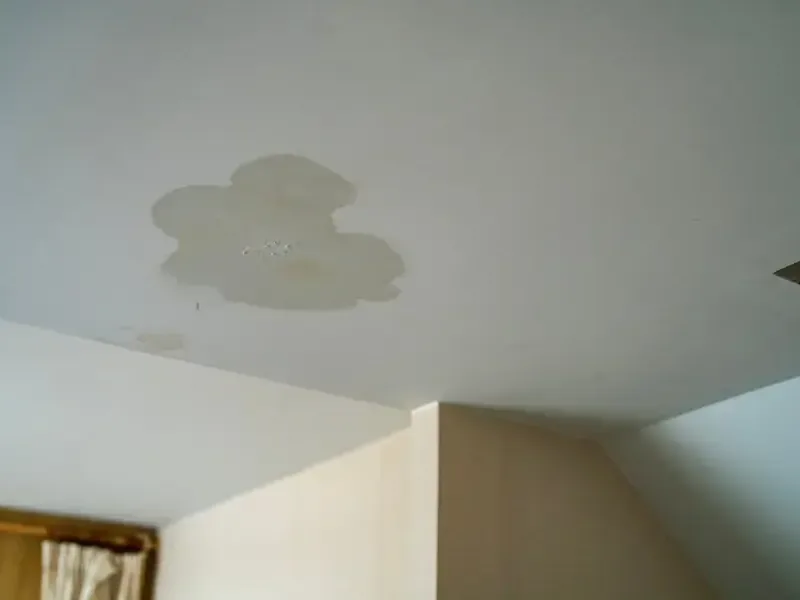
Water falling through a ceiling can loosen a heavy section of drywall. People keep clear of the area below it and avoid poking the surface to release water. The crew checks the support and moisture boundary before controlled removal. A repaired pipe stops new water, but it does not remove moisture already held in insulation, wood or floor layers.

How the work is held to standard

How burst pipe water damage is handled

Confirm the stopped source

The plumber isolates the damaged supply and records the repair. The mitigation technician checks for continuing water movement and identifies which rooms need assessment before defining the cleanup boundary. The owner supplies the discovery timeline and the first visible wet location so the assessment can follow the release through connected spaces.

Map the concealed spread

Meters and targeted inspection follow water through wall bottoms, ceilings and flooring. The crew documents the damage before opening finishes so the initial condition remains clear in the property record. The technician also checks the room below and any cabinet or floor edge that can hide water beyond the initial stain.

Expose and dry wet layers

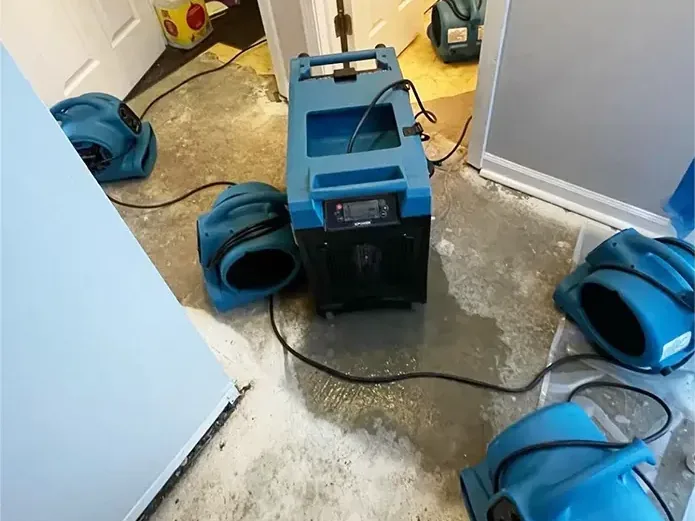
The team removes materials that cannot dry in place and positions air movers with dehumidification. Equipment placement follows the accessible surface area and the moisture load within the opened assembly. The setup preserves access to marked measurement points and keeps the pipe repair visible until the source and drying records are complete.

Document readiness for repair

Repeated readings show whether framing and substrate have reached the established drying goal. The owner receives the moisture record and the remaining repair scope before replacement finishes cover the inspected surfaces. Any still-damaged finish is identified separately so a dry assembly is not confused with a fully reconstructed and repainted room.

Typical cost ranges

What does burst pipe water damage cost in Clarkston, GA?

Burst pipe cleanup in Clarkston commonly ranges from $1,200 to $7,500, with pipe repair and finish replacement scoped separately. Hidden insulation, multiple levels and delayed discovery add labor and drying time. A prompt shutoff can limit the wet footprint without eliminating the need for moisture checks.

One contained room

$1,200 to $2,400
  • Source already isolated
  • Limited extraction
  • Accessible drying surfaces

Walls and adjoining floor

$2,400 to $4,800
  • Cavity inspection
  • Selective material removal
  • Daily moisture records

Several assemblies

$4,800 to $7,500
  • Multiple affected rooms
  • More drying equipment
  • Detailed repair handoff

Water category, wet area, material depth and the delay before extraction affect the scope. The water damage cost calculator gives a planning range; the assessment sets the work required.

The process

Burst Pipe Water Damage from assessment to dry materials

Burst pipe cleanup follows a pressurized release from its source into adjoining materials. A plumber controls and repairs the pipe; the restoration crew documents the affected footprint, removes water and dries the building.

  1. Source assessment

    The source repair record identifies the entry point and the correction performed.

  2. Material decisions

    Photos and moisture mapping define the affected assembly before removal or replacement.

  3. Drying verification

    Repeat measurements compare the affected materials with suitable dry references.

  4. Repair handoff

    The final scope separates completed drying from finish work and reconstruction still required.

Burst pipe water damage in Clarkston often extends beyond the opening where water becomes visible. Pressure can drive water into a wall cavity, along a ceiling or beneath a floor covering. The initial inspection traces those paths instead of treating the nearest puddle as the whole loss. The plumber and drying technician have different tasks, and both need a clear record of the source.

Tracing pressure-driven water beyond the broken pipe

The technician starts at the source and compares readings along the surrounding surfaces. A thermal image can help locate a temperature difference, but a meter verifies moisture before the team marks a removal boundary. The water path may turn at framing, collect under a cabinet or reach a room below. Inspection follows the building geometry rather than a fixed circle around the break.

  • The plumber records the damaged fitting or pipe section and the repair performed.
  • The restoration team photographs finishes before opening the wet assembly.
  • Wet insulation and inaccessible layers receive a separate drying or removal decision.
  • Daily measurements track the same wood, wall and floor locations through the dry-out.

Separating a household rupture from utility trouble

DeKalb County Watershed Management supplies water and wastewater services. A reported utility problem and a burst pipe inside a building need different investigation. The owner describes whether the indoor flow stops after isolation, whether other fixtures lose pressure and where the first wet surface appeared. The restoration team records those observations without substituting a drying inspection for a plumbing diagnosis.

Access planning matters around Clarkston High School and the Clarkston Branch library service areas. A household can identify a side entrance, occupied rooms and where the water appeared first. The crew then checks the actual premises, including adjoining rooms, to determine the work route and the equipment load.

Opening only what the wet assembly requires

Drywall can conceal soaked insulation or framing even after the painted face feels dry. The technician explains why an opening is necessary and documents its extent before removal. Exposed surfaces allow airflow and repeatable measurements. The drying goal uses comparable unaffected materials, with the IICRC S500 standard informing the process.

Repair planning follows the measured dry-out. The ceiling leak service covers overhead damage, and structural drying addresses the remaining assembly moisture. The EPA WaterSense information discusses efficient plumbing and leak awareness; county water services provide the public-system contact route. Neither a new fitting nor fresh paint establishes that hidden materials are ready to close.
Service area

Burst Pipe Water Damage coverage in Clarkston

Water damage service covers ZIP 30021, including the areas around the public library and high school. Emergency dispatch is available 24/7. The assessment identifies the source and the wet materials before equipment placement.

Browse the service area

Related services

Other water damage services

Questions

Burst Pipe Water Damage questions in Clarkston

Who repairs the broken pipe?

A plumber diagnoses and repairs the supply problem. The restoration crew handles water recovery, affected materials and drying. The two tasks need coordination because drying cannot finish while a pressurized source keeps feeding the same cavity.

Is supply water always safe to leave in carpet?

A fresh supply release begins differently from sewage, but contact with building materials and time can change its condition. The technician considers the source, elapsed time and contamination before choosing salvage, cleaning or removal for each layer.

Why inspect a room that has no puddle?

Water can move under a floor covering or inside a wall without collecting on top. A dry-looking adjoining room may contain a wet substrate. Meter readings establish that boundary more reliably than the visible edge of the stain.

Can the wall close immediately after plumbing repair?

The source repair stops the leak. Framing, insulation and wall layers still need assessment and drying. The technician records a dry reference and compares repeat measurements before recommending closure of an opened assembly.

Does a burst pipe always require demolition?

The wet materials, access and contamination determine the amount of removal. Some accessible clean-water assemblies can dry without broad opening. Saturated insulation or layers that trap moisture may require selective removal, documented before work begins.

What happens after business hours?

Emergency dispatch operates 24/7. The household describes the shutoff status, visible water and electrical or ceiling hazards. The response assessment determines safe access and the cleanup scope; no fixed arrival or completion time substitutes for those conditions.

Water loss support

Dry the building after the pipe repair

The mitigation crew traces the release, extracts water and records the remaining moisture before finishes return.

(888) 532-4616Review the wet-room cleanup
(888) 532-4616Water help, 24/7