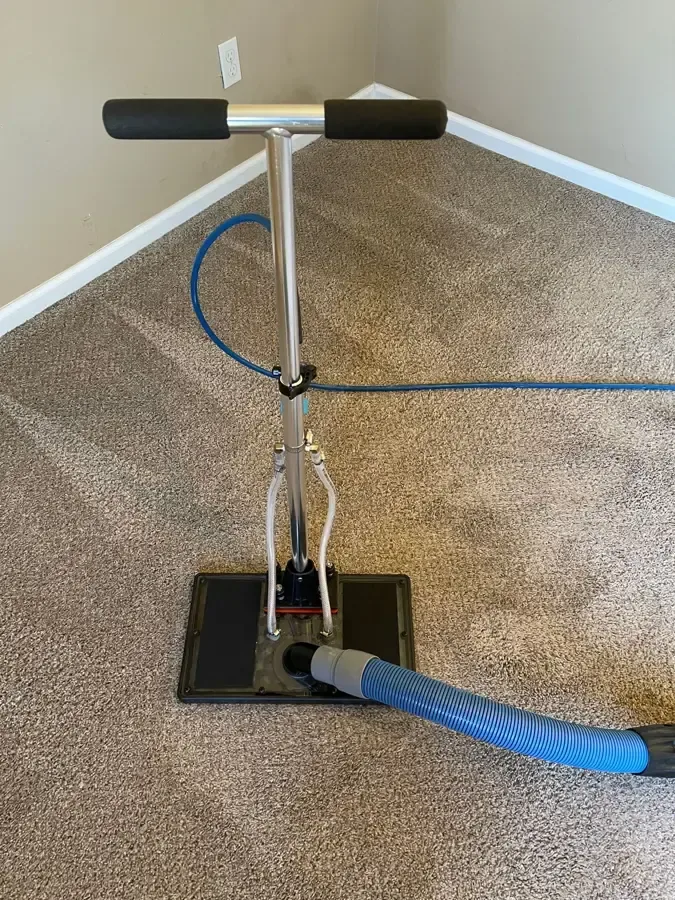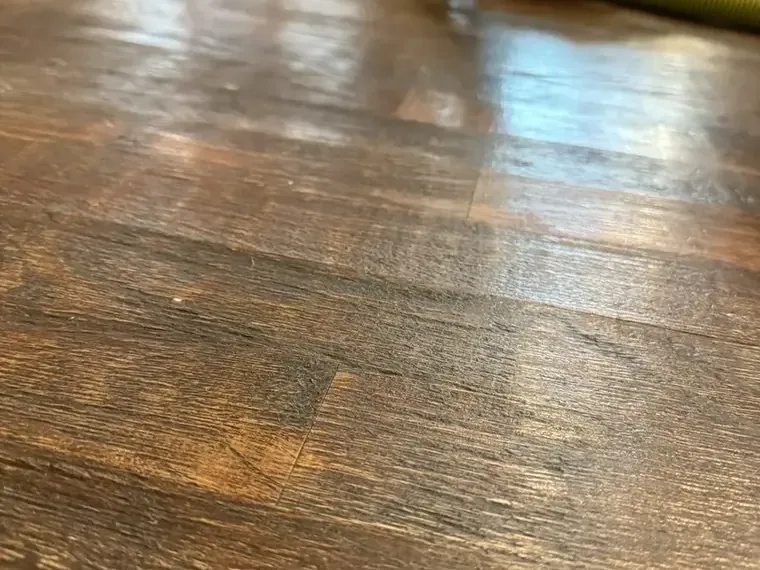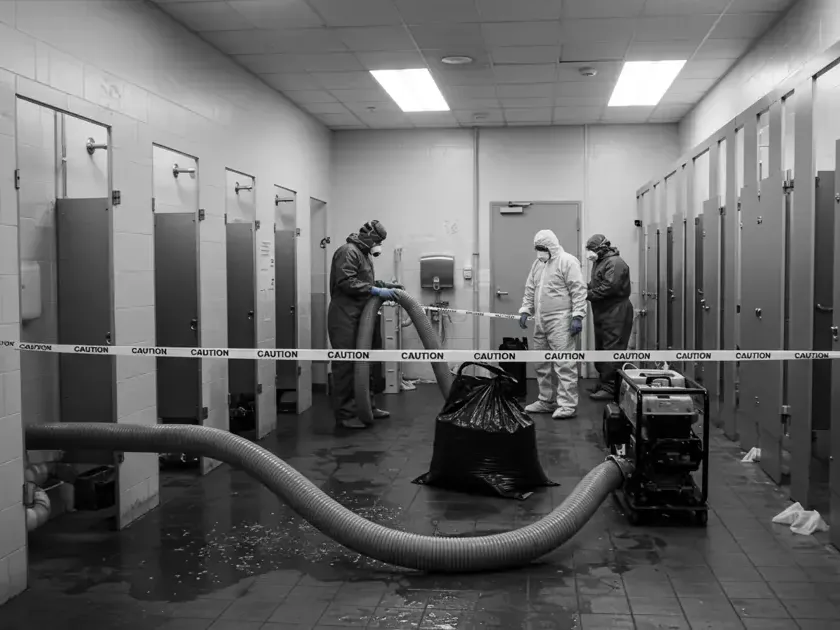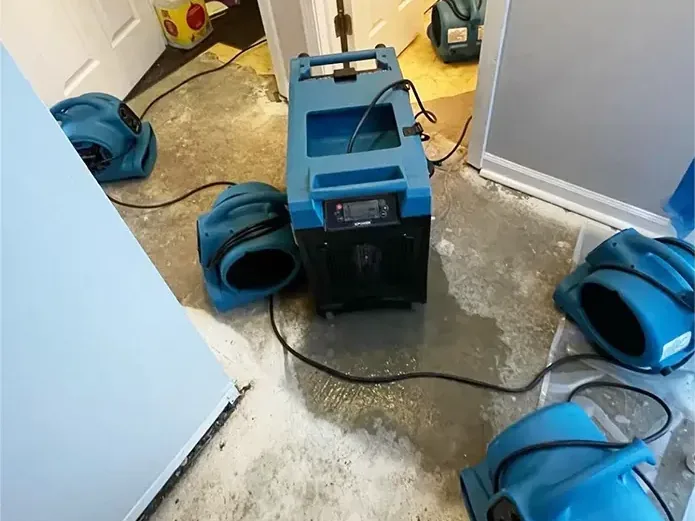
Structural drying in Clarkston begins where visible water removal ends. A floor can look dry while its substrate or adjoining wall remains wet. The technician measures the affected materials, records an appropriate dry reference and builds an equipment plan around the moisture still in the assembly. The goal is a documented material condition, not simply a room that feels comfortable.
Setting a goal for each affected material
The team identifies the wet materials and compares them with suitable unaffected areas. Wood, drywall, masonry and concrete do not release moisture at the same rate or use identical testing methods. The technician records measurement locations so later readings compare the same points. A thermal image can help locate a suspect area, but it does not replace moisture verification.
- Moisture mapping defines the wet boundary and the assemblies requiring access.
- Extraction removes recoverable bulk water before the evaporation phase.
- Air movers support evaporation from exposed wet surfaces.
- Dehumidifiers remove the resulting water vapor from the controlled room air.
Adapting the drying zone to an occupied property
DeKalb County water and wastewater services address the public system; the restoration team addresses moisture inside the affected building. Source repair and drying remain separate tasks. The owner provides access to wet rooms and identifies any equipment interruption or new water entry so the technician can interpret the trend correctly.
A property in the Clarkston Branch service area may need a clean walkway beside equipment. A home near Clarkston High School may need a wet room separated from occupied space. The technician checks the actual layout and material access instead of selecting equipment from a neighborhood label. Clear routes, open measurement points and controlled room conditions support the work.
Using records to decide when equipment leaves
The crew logs material readings and room conditions, then adjusts airflow or dehumidification when progress slows. A concealed wet layer may need additional access. A new leak may require source work again. The record explains those changes rather than promising the same drying duration for every loss.
The water extraction page covers the earlier recovery stage. The drying time estimator gives a planning window that remains separate from measured completion. EPA indoor air information provides moisture-related background, and Ready.gov flood guidance addresses safe water-loss conditions. The final handoff records the drying goal, achieved readings and any repair areas that remain open.