Water damage response across DeKalb CountyWater and sewage cleanup · IICRC S500
Wet boards and concealed subfloor

Hardwood Floor Water Damage in Clarkston, GA

The floor drying technician measures boards and the substrate beneath them, checks the water source and tracks movement during drying. Salvage and replacement decisions follow material condition rather than a surface appearance alone.

(888) 532-4616Boards lifting? Discuss moisture
24/7 floor-loss assessment Board and substrate readings Measured repair decisions
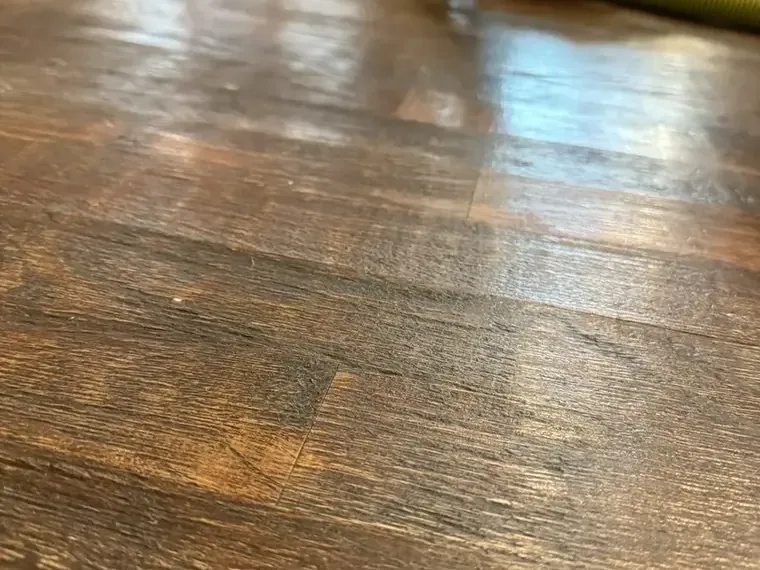
Moisture reflecting across water-affected wood floorboards
MaterialsBoards and subfloor
Early taskWater recovery
Watch forCupping and separation
Repair timingAfter stabilization
First steps

Hardwood Floor Water Damage: what to do now

  1. 1.Limit traffic on distorted boards

    People avoid lifted edges and visibly unstable flooring. The crew checks the safe access route before moving equipment or heavy contents across an area that may have a weakened substrate.

  2. 2.Remove accessible water safely

    The extraction team recovers standing water and checks rug-covered or furniture-covered areas. The source condition and contamination determine which materials can remain for a controlled drying attempt.

  3. 3.Record the floor construction

    The technician identifies accessible board and substrate layers and compares readings with dry material. Photos capture cupping and finish changes before equipment placement or authorized selective removal.

  4. 4.Hold off on cosmetic repair

    The owner delays sanding and replacement finishes while moisture remains unstable. The drying record and flooring product requirements guide the repair trade after the assembly reaches the appropriate condition.

Safety before hardwood floor water damage

Wet boards can become slippery, lift at edges or conceal a weakened substrate. The household keeps traffic off unstable sections and avoids placing heavy furniture on a visibly distorted area. Electrical cords and equipment remain outside standing water until safe access is established.

The owner does not apply aggressive heat or sand a wet floor to flatten it. Rapid or uneven drying can complicate the repair, and sanding before moisture stabilizes can leave a different shape later. The restoration team records the wood condition, water source and accessible layers first. Contaminated water can change the salvage decision even when the boards appear structurally intact.

How the work is held to standard

How hardwood floor water damage is handled

Identify the flooring assembly

The technician records the floor type, water source and accessible substrate. Initial readings and photographs establish the affected boundary and visible movement before the team chooses an in-place or selective-removal approach. The owner identifies covered areas and earlier attempts to dry or sand the boards, giving the technician context for the initial readings.

Recover water and expose edges

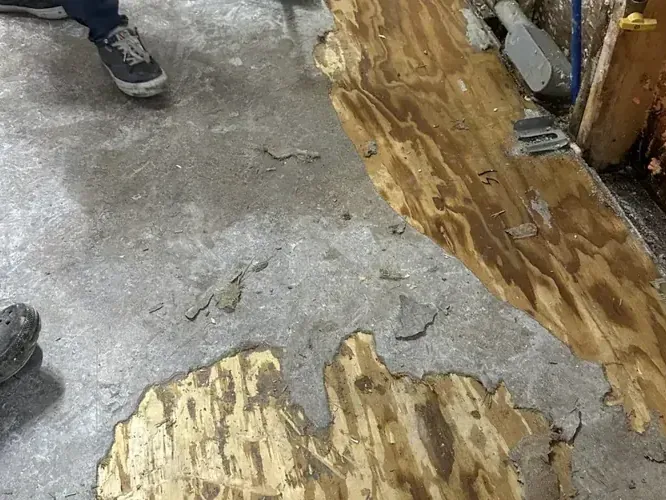
Extraction removes accessible water while careful access reveals trapped moisture at transitions and cabinet bases. The crew protects sound flooring and explains any opening needed to inspect or dry the supporting layers. The technician keeps unaffected reference points identified and documents any substrate exposed during access, preserving a useful comparison through the drying period.

Track controlled moisture reduction

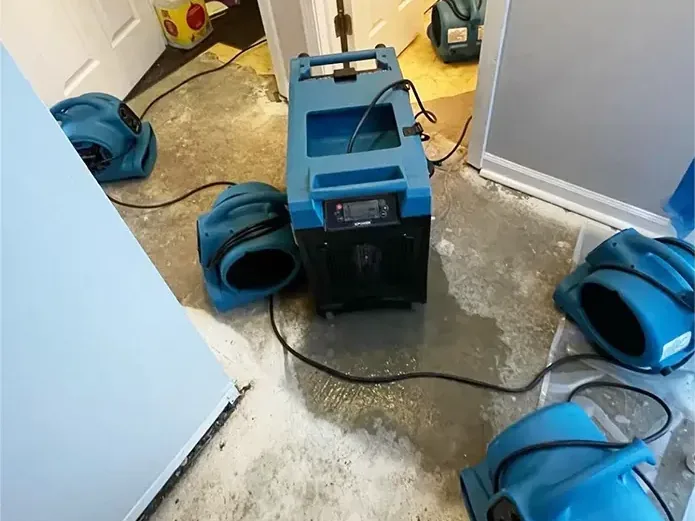
The drying setup manages humidity and directs airflow to suitable surfaces. Measurements compare boards and substrate over time, with adjustments based on the trend rather than a fixed equipment duration or visual flattening alone. The owner reports equipment interruptions and avoids covering the measurement areas with rugs or furniture while the floor continues to release moisture.

Hand off to the flooring trade

The final record identifies material condition, drying measurements and remaining damage. The installer evaluates refinishing or replacement requirements after stabilization, keeping cosmetic decisions separate from the earlier source repair and water recovery. Any damaged adhesive, finish or board remains separately identified so the installer can distinguish residual damage from the achieved moisture condition.

Typical cost ranges

What does hardwood floor water damage cost in Clarkston, GA?

Hardwood floor water damage drying in Clarkston typically ranges from $1,000 to $5,000 before refinishing or replacement. The board construction, wet area, substrate access and contamination affect the work. A floor that requires removal and reconstruction has a different scope from a suitable in-place drying attempt.

Localized board exposure

$1,000 to $1,900
  • Limited wet footprint
  • Board and edge readings
  • Controlled room setup

Floor and substrate moisture

$1,900 to $3,400
  • More measurement locations
  • Specialized access assessment
  • Daily trend records

Extended floor assembly loss

$3,400 to $5,000
  • Selective removal decisions
  • Broader drying zone
  • Installer handoff documentation

Water category, wet area, material depth and the delay before extraction affect the scope. The water damage cost calculator gives a planning range; the assessment sets the work required.

The process

Hardwood Floor Water Damage from assessment to dry materials

Hardwood water restoration evaluates the finish, wood flooring and supporting layers as a connected assembly. The crew removes accessible water, establishes controlled drying and records moisture trends before the owner decides on sanding, selective repair or replacement.

  1. Source assessment

    The source repair record identifies the entry point and the correction performed.

  2. Material decisions

    Photos and moisture mapping define the affected assembly before removal or replacement.

  3. Drying verification

    Repeat measurements compare the affected materials with suitable dry references.

  4. Repair handoff

    The final scope separates completed drying from finish work and reconstruction still required.

Hardwood floor water damage in Clarkston can remain active beneath boards after the room looks dry. Wood absorbs moisture and changes dimension, while a covered substrate may release water slowly. The technician checks both layers and the source of the release. A cupped board is a reason to investigate the assembly, not a reason to sand it immediately.

Measuring the floor as more than one surface

The inspection identifies the flooring type, finish and supporting layers where accessible. The technician compares affected boards with sound areas and checks the substrate separately. Floor edges, transitions and cabinetry can trap moisture. The same room may contain several different assemblies, so one reading does not represent the whole floor.

  • The crew documents cupping, gaps, lifted edges and finish changes before drying.
  • Water source and contamination affect whether the flooring is a salvage candidate.
  • Subfloor access influences equipment selection and the need for selective removal.
  • Repeat readings track the material trend before a flooring repair decision.

Building-specific assessment across the service area

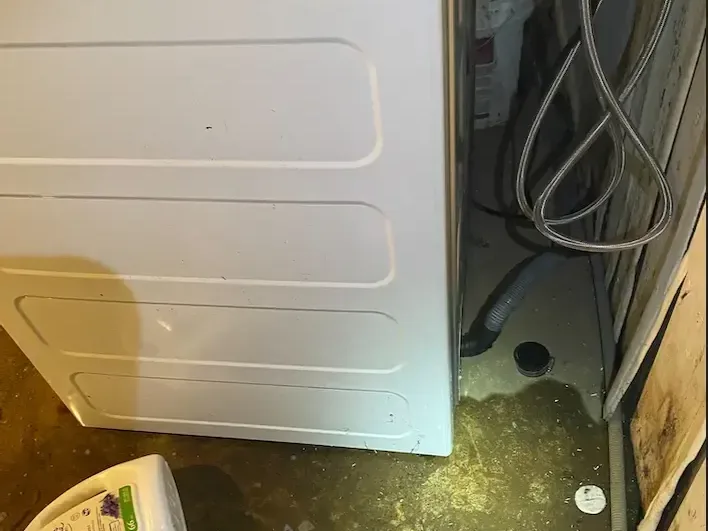
DeKalb County water services provide the public utility context, while the property inspection identifies the indoor source and wet assembly. A plumbing repair, appliance correction or roof repair may stop the water, but each leaves a separate floor assessment. The owner records when the floor first became wet and whether water remained beneath rugs or furniture.

For properties near Clarkston High School, access planning can involve protecting occupied rooms while drying equipment runs. Around the Clarkston Branch service area, the technician asks about floor transitions and any concealed edge beneath cabinetry. The inspection identifies the actual flooring product and substrate rather than assuming a local construction pattern.

Deciding between continued drying and replacement

Controlled airflow and dehumidification support evaporation from accessible surfaces. Specialized floor-drying equipment may help suitable clean-water assemblies, but the technician evaluates compatibility and access before use. Damaged adhesive, delamination, contamination or an inaccessible wet substrate can make removal necessary. The record should explain the reason for that decision.

The slab leak service covers moisture arriving from beneath concrete, and appliance cleanup follows common indoor releases. EPA WaterSense provides leak-awareness information, while Ready.gov flooding guidance addresses water safety. The flooring installer reviews the final material condition and product requirements before sanding, adhesive application or replacement boards return to the area.
Service area

Hardwood Floor Water Damage coverage in Clarkston

Water damage service covers ZIP 30021, including the areas around the public library and high school. Emergency dispatch is available 24/7. The assessment identifies the source and the wet materials before equipment placement.

Browse the service area

Questions

Hardwood Floor Water Damage questions in Clarkston

Should cupped boards be sanded right away?

No. Sanding while moisture remains uneven can create a different shape after the wood dries. The technician measures the boards and substrate first. The flooring trade evaluates refinishing after the assembly stabilizes and the water source has been corrected.

Does a dry top surface mean the floor is ready?

Moisture can remain beneath boards or within the substrate even when the finish feels dry. The assessment includes those layers where accessible. Repeat measurements and the flooring product requirements determine readiness for repair or reinstallation.

Can every hardwood floor be saved?

No. Contamination, delamination, severe movement, adhesive failure and inaccessible wet layers can change the decision. The technician documents the condition and drying access. Salvage depends on the actual assembly rather than a promise made before inspection.

What if water came from sewage?

Contamination becomes a central material decision. A floor that might qualify for clean-water drying may require removal after sewage exposure. The cleanup plan addresses contamination before airflow and evaluates the supporting layers as well as the visible boards.

Why measure an unaffected part of the floor?

A comparable dry area helps establish a useful reference for the affected material. The technician also considers the flooring system and installation requirements. Tracking the same marked locations makes the drying trend more meaningful than isolated readings.

Does restoration pricing include refinishing?

Typical drying ranges cover assessment, extraction and moisture-control work. Sanding, coating, board replacement and substrate reconstruction are separate repair tasks. The owner reviews the scopes together so the final floor work follows the recorded material condition.

Water loss support

Let the readings guide the floor repair

The drying technician tracks boards and substrate before the flooring trade decides on refinishing or replacement.

(888) 532-4616Plan measured floor recovery
(888) 532-4616Water help, 24/7