Water damage response across DeKalb CountyWater and sewage cleanup · IICRC S500
Category 3 indoor water loss

Sewage Backup Cleanup in Clarkston, GA

Sewage is Category 3 water from the start. The cleanup team separates the contaminated area, removes affected porous materials and cleans exposed surfaces before controlled drying of the remaining structure begins.

(888) 532-4616Sewage indoors? Discuss containment
24/7 sanitary-loss assessment Category 3 material controls Cleaning before air movement
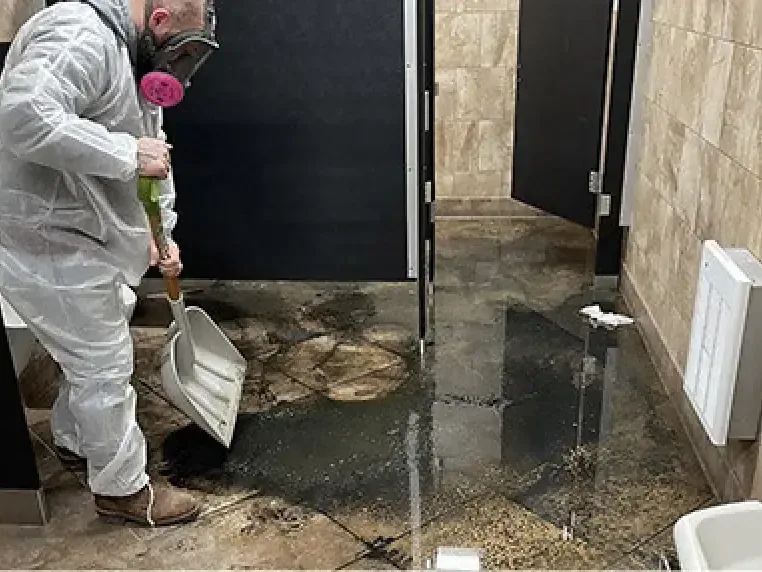
Worker in coveralls and a respirator removing wastewater from a restroom
Water categoryCategory 3
Work zoneControlled access
Porous materialsRemoval assessment
Drying stageAfter cleaning
First steps

Sewage Backup Cleanup: what to do now

  1. 1.Separate people from the spill

    The household closes access to the affected room and keeps children and pets away. Nobody starts a fan or moves soaked porous items through clean living areas before assessment.

  2. 2.Stop adding wastewater

    Occupants stop using affected fixtures and report whether several drains are involved. A plumber or the responsible utility investigates the source while the restoration team assesses indoor contamination and safe entry.

  3. 3.Preserve a safe visual record

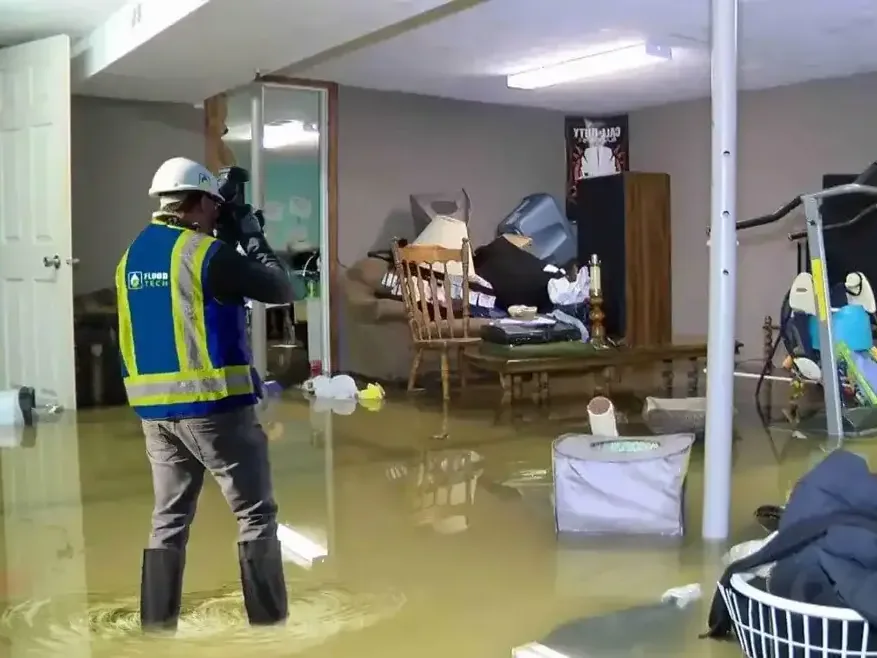
    Photos from outside the work zone capture the water level and affected contents. The cleanup technician adds the material inventory and boundary measurements before controlled removal changes the scene.

  4. 4.Plan clean access and disposal

    The crew establishes containment and a protected handling route. Porous materials touched by sewage receive removal decisions, while remaining surfaces follow a cleaning and product-contact sequence before drying.

Safety before sewage backup cleanup

People and pets stay outside the affected space. The household avoids contact with sewage and does not run a fan, use a household vacuum or carry soaked carpet through clean rooms. Wet electrical equipment and unstable surfaces require separate attention before entry. The cleanup team uses protective clothing, gloves, eye protection and respiratory protection appropriate to the work assessment.

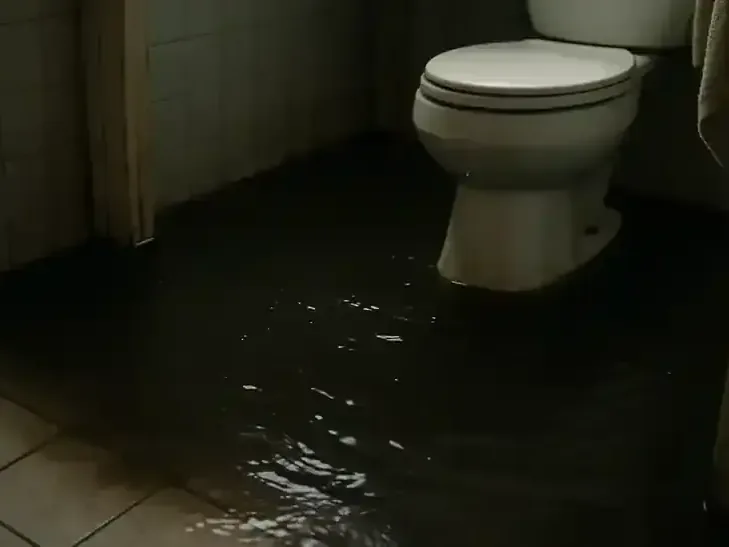
The source must stop before the room can recover. A plumber investigates property drainage, while a public-system issue needs the responsible utility. The owner reports which fixtures backed up and whether the water is still rising. Those observations support diagnosis without repeated flushing or further use of affected drains.

How the work is held to standard

How sewage backup cleanup is handled

Establish the controlled work zone

The technician identifies the sewage boundary, safe access and utilities before work starts. Protective equipment and containment match the task, while the source investigation proceeds through the plumber or responsible public utility. The owner identifies affected fixtures and continuing flow from outside the work zone, avoiding additional contact with contaminated materials during the assessment.

Remove sewage and contaminated layers

The crew recovers accessible water and removes affected porous materials beyond the visible mark where wicking requires it. The material inventory and photographs record the scope before debris leaves through the protected route. The crew checks wall edges and concealed layers above the visible water level so the removal decision follows actual contamination and wicking.

Clean and apply specified treatment

Technicians remove soil from remaining accessible surfaces and follow the label for any EPA-registered antimicrobial. Required dwell time and surface preparation remain part of the cleaning sequence before drying equipment introduces airflow. The cleaning record identifies the prepared surfaces and the sequence used, allowing the owner to distinguish this stage from later moisture removal.

Measure the cleaned structure

The drying team tracks moisture in exposed framing and substrates against suitable references. The final record distinguishes source repair, contamination work, drying completion and reconstruction still needed before the room returns to use. Remaining finish damage and any inaccessible assembly are noted explicitly so reconstruction follows a complete view of the affected building materials.

Typical cost ranges

What does sewage backup cleanup cost in Clarkston, GA?

Sewage backup cleanup in Clarkston commonly costs $2,000 to $9,000, excluding sewer repairs and reconstruction. The contamination footprint, porous-material removal, access and cleaning needs drive the range. A larger wet area adds controlled handling and drying work rather than only more pumping time.

Contained sanitary spill

$2,000 to $3,500
  • Controlled access
  • Limited porous removal
  • Surface cleaning

Several contaminated areas

$3,500 to $6,000
  • Protected debris handling
  • Broader wall and floor checks
  • Drying after cleaning

Extensive Category 3 loss

$6,000 to $9,000
  • Larger removal boundary
  • More containment work
  • Detailed restoration record

Water category, wet area, material depth and the delay before extraction affect the scope. The water damage cost calculator gives a planning range; the assessment sets the work required.

The process

Sewage Backup Cleanup from assessment to dry materials

Sewage restoration combines source coordination with controlled removal, cleaning and drying. The crew uses protective equipment, documents contaminated materials and follows product instructions for surface treatment before measuring the remaining structure through the dry-out.

  1. Source assessment

    The source repair record identifies the entry point and the correction performed.

  2. Material decisions

    Photos and moisture mapping define the affected assembly before removal or replacement.

  3. Drying verification

    Repeat measurements compare the affected materials with suitable dry references.

  4. Repair handoff

    The final scope separates completed drying from finish work and reconstruction still required.

Sewage backup cleanup in Clarkston requires a contamination plan before pumping or airflow. The water can contain pathogens and can soak porous materials beyond the visible spill. The technician maps the affected area, establishes a controlled route for removal and coordinates with the plumber or utility investigating the source. Ordinary household cleaning does not address a saturated building assembly.

Removing porous materials beyond the visible water mark

Carpet, pad, insulation and other absorbent materials that take up sewage generally need removal. The crew checks wicking above the visible level and opens the assembly to the actual affected boundary. A uniform cut made without inspection can leave contaminated layers behind. The technician photographs the condition and explains the removal scope before work proceeds.

  • Containment separates the work area from occupied and clean spaces.
  • Controlled handling limits contact between contaminated debris and the removal route.
  • Cleaning removes soil from accessible surfaces before antimicrobial application.
  • An EPA-registered product, when specified, stays on the surface for its required dwell time.

Reporting the source and planning property access

DeKalb County Watershed Management provides wastewater services and a public-system reporting route. The restoration crew does not replace a sewer diagnosis. A plumber checks the private drain conditions, while the owner supplies details about simultaneous fixture backups, timing and continuing flow. The cleanup record identifies the water source and the separate correction work.

Access around the Clarkston Branch service area or near Clarkston High School can involve occupied rooms and shared walkways. The crew establishes the actual debris route at the property, protects clean areas and keeps household traffic out of the work zone. The source investigation identifies the cause of the backup before repairs proceed.

Drying a cleaned structure and documenting the handoff

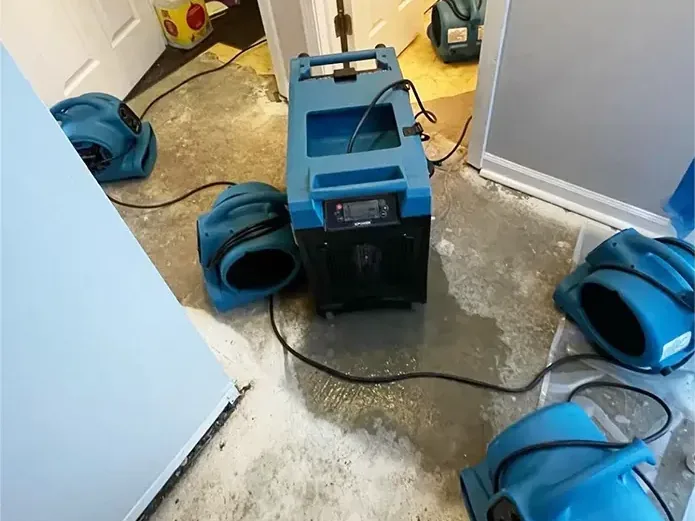
The team begins controlled drying after removal and cleaning expose suitable remaining surfaces. Air movers and dehumidifiers address moisture in framing and substrates, with repeated readings at marked locations. Odor alone is not a drying measurement, and a clean appearance does not show the moisture condition inside a wall or floor.

The toilet overflow service explains fixture-specific releases. The structural drying page describes measurement through completion. Consult the EPA sewer overflow information and DeKalb County Watershed Management for public-system context. The owner retains the source findings, contaminated-material inventory, cleaning record and drying log before reconstruction begins.
Service area

Sewage Backup Cleanup coverage in Clarkston

Water damage service covers ZIP 30021, including the areas around the public library and high school. Emergency dispatch is available 24/7. The assessment identifies the source and the wet materials before equipment placement.

Browse the service area

Related services

Other water damage services

Questions

Sewage Backup Cleanup questions in Clarkston

What makes sewage Category 3 water?

Sewage contains contamination that requires controlled handling from the start. The cleanup plan addresses exposure, porous-material removal and cleaning before drying. It does not treat the loss like fresh water from a newly broken supply pipe.

Can sewage-soaked carpet be cleaned in place?

Absorbent carpet and pad exposed to sewage generally require removal. The technician checks the underlying floor and nearby wall edges as well. A surface cleaning attempt can leave contaminated material and moisture within layers that remain inaccessible.

Why does removal extend above the water mark?

Porous materials can wick water higher than the visible level. The crew inspects and measures the affected boundary before cutting. The goal is to remove contaminated layers fully rather than choose a fixed height that leaves hidden exposure behind.

Does a disinfectant finish the cleanup?

A product does not replace removal of soil and unsalvageable porous materials. Surface preparation and label dwell time matter. The remaining structure also needs moisture assessment and drying before replacement finishes cover the cleaned area.

Who handles the sewer blockage?

A plumber investigates property drainage, and the responsible utility handles public-system issues. The restoration crew addresses indoor contamination and wet materials. The owner keeps the source findings with the cleanup record so those responsibilities remain clear.

When can the affected room reopen?

The source needs correction, contamination work needs completion and remaining materials need the required drying and repair. The technician documents the condition and access requirements. The final assessment verifies cleaning, material moisture and safe access before reopening.

Water loss support

Clean the structure before drying it

The sewage cleanup team documents removal, surface cleaning and moisture conditions through the repair handoff.

(888) 532-4616Plan controlled sewage removal
(888) 532-4616Water help, 24/7