Water damage response across DeKalb CountyWater and sewage cleanup · IICRC S500
Condensate water beyond the drain

AC Leak Water Damage in Clarkston, GA

Condensate escaping an air-conditioning system can wet a closet or ceiling cavity gradually. The restoration technician traces the water beyond the unit and dries affected building materials after the HVAC source receives correction.

(888) 532-4616Condensate escaped? Discuss damage
24/7 indoor-leak assessment HVAC source coordination Concealed-layer moisture checks
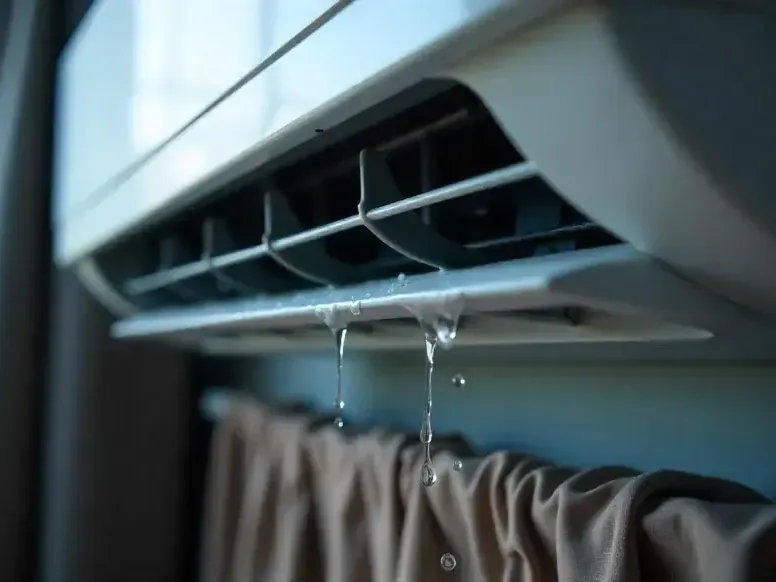
Water dripping from the lower edge of a wall-mounted air conditioner
Source taskHVAC diagnosis
Water pathPan, drain and nearby layers
Hidden concernCloset or ceiling cavity
CompletionMeasured material condition
First steps

AC Leak Water Damage: what to do now

  1. 1.Arrange safe equipment attention

    The household avoids wet controls and calls the HVAC repair trade to assess shutdown and source correction. The restoration team checks safe access to the damaged building materials before introducing equipment.

  2. 2.Describe when moisture appears

    The owner records the first wet surface and whether the leak changes during system operation. Those observations support the HVAC diagnosis and help the drying technician trace the resulting water path.

  3. 3.Check below and beside the unit

    The assessment includes closet edges, nearby walls and the room beneath an overhead installation. The crew follows measured moisture rather than limiting the scope to the visible collection pan.

  4. 4.Preserve the drying access

    Authorized openings stay available for airflow and repeat readings after source repair. The team coordinates with the repair trade so new panels, insulation or equipment placement do not conceal unfinished drying.

Safety before AC leak water damage

The household avoids wet equipment controls, electrical connections and the area beneath a sagging ceiling. An HVAC professional determines safe shutdown and repair. People do not pour chemicals into a drain or dismantle a wet air-handling unit to diagnose the leak.

A small drip can persist long enough to saturate concealed material. The owner reports when moisture first appeared, whether it changes with equipment operation and which surfaces show staining. The cleanup technician uses that history with measured readings. The work plan accounts for electrical access, overhead stability and contamination before an opening or drying setup goes into the affected space.

How the work is held to standard

How AC leak water damage is handled

Coordinate with the HVAC diagnosis

The equipment technician identifies the condensate problem and safe repair approach. The restoration assessment records the water path and access conditions so building cleanup follows a corrected source rather than continued leakage. The owner notes whether leakage follows equipment operation and identifies the first stain, giving both trades a common starting point for their records.

Map the surrounding materials

The crew checks wall bases, floor transitions and any ceiling beneath the installation. Moisture readings and photographs establish the affected boundary, including concealed layers that the visible stain alone does not describe. The technician checks the space below an overhead unit and any adjoining wall edge, keeping connected areas within the same loss map.

Expose and dry the wet assembly

Authorized removal gives airflow access to suitable remaining materials. Dehumidification controls room moisture while the technician monitors framing, substrate and other affected layers separately according to their construction and drying response. The crew maintains access around the equipment footprint and documents any concealed area that still needs inspection before the drying goal can be verified.

Confirm the closure sequence

The final record combines source correction with material measurements and remaining repairs. The owner and repair trade review the condition before replacing insulation, closing panels or covering the floor around the installation. The handoff distinguishes the corrected equipment fault from the condition of surrounding materials, preserving both records for the owner and subsequent repair work.

Typical cost ranges

What does AC leak water damage cost in Clarkston, GA?

AC leak water damage cleanup in Clarkston commonly ranges from $700 to $3,800, excluding HVAC diagnosis and repair. A small accessible closet loss differs from water trapped above a ceiling or beneath flooring. Concealed insulation and delayed discovery can increase removal, access and monitoring needs.

Accessible condensate spill

$700 to $1,300
  • Limited wet footprint
  • Source already corrected
  • Initial material readings

Closet or wall assembly

$1,300 to $2,400
  • Selective access opening
  • Floor-edge inspection
  • Controlled dehumidification

Ceiling or concealed spread

$2,400 to $3,800
  • Insulation assessment
  • More drying access
  • Repair handoff records

Water category, wet area, material depth and the delay before extraction affect the scope. The water damage cost calculator gives a planning range; the assessment sets the work required.

The process

AC Leak Water Damage from assessment to dry materials

AC leak restoration addresses water that escapes the condensate collection or drainage system and reaches building materials. An HVAC technician corrects the equipment problem, while the restoration crew maps the wet assembly and records extraction and drying decisions.

  1. Source assessment

    The source repair record identifies the entry point and the correction performed.

  2. Material decisions

    Photos and moisture mapping define the affected assembly before removal or replacement.

  3. Drying verification

    Repeat measurements compare the affected materials with suitable dry references.

  4. Repair handoff

    The final scope separates completed drying from finish work and reconstruction still required.

AC leak water damage in Clarkston can develop as a slow wet patch rather than a sudden flood. A condensate drain or collection problem may send water into a utility closet, wall base or overhead cavity. The HVAC technician identifies the equipment fault. The restoration assessment follows the escaped water into the building materials that the repair alone cannot dry.

Tracing condensate into the building assembly

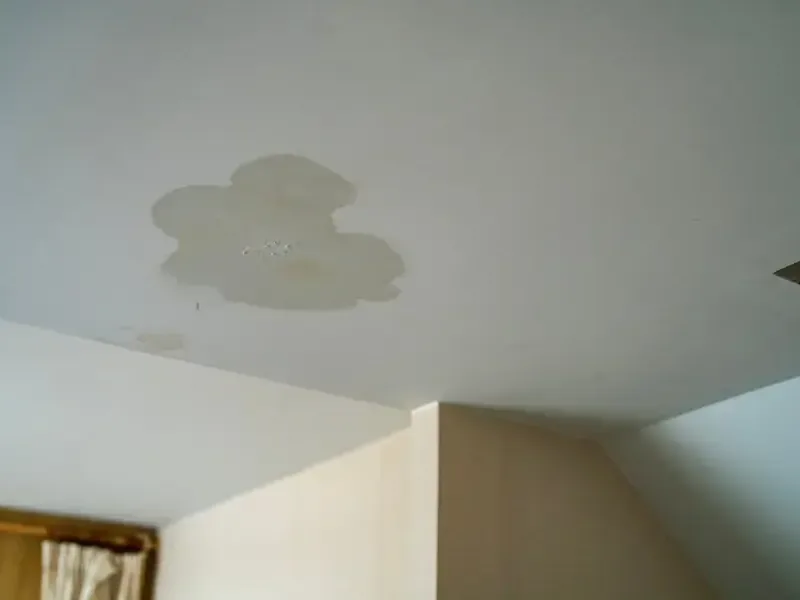
The technician checks accessible surfaces around the unit, drain route and first visible wet location. Water can move beneath a closet floor covering or collect above a ceiling before a stain develops. Measurements extend beyond the apparent drip point, with attention to wall edges, insulation and adjoining room transitions. The technician measures those materials after the drain repair.

  • The HVAC report identifies the equipment or condensate-drain correction.
  • The restoration map records the affected floor, wall or ceiling layers.
  • Wet insulation and inaccessible cavities receive a drying-access assessment.
  • Photos preserve concealed conditions before authorized removal or replacement.

Keeping the source and cleanup responsibilities clear

DeKalb County water services address public water and wastewater infrastructure. An AC condensate problem belongs with the property HVAC assessment. The restoration team documents the indoor moisture footprint, while the HVAC technician verifies the equipment correction. The two records together explain why water entered and what remained wet afterward.

Properties around the Clarkston Branch or Clarkston High School service areas may have different equipment locations and room layouts. The technician asks whether the unit sits above a ceiling, beside storage or near finished flooring, then inspects that actual arrangement. The inspection checks the equipment position, drain route and concealed moisture boundary.

Drying without hiding the remaining wet layer

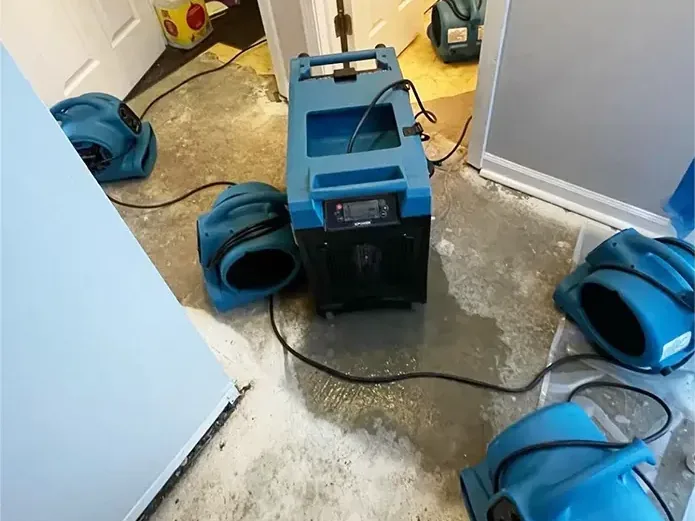
The team removes materials that cannot dry adequately in place and positions equipment for exposed surfaces. Dehumidification controls the moisture released into the room, while air movement reaches accessible wet layers. The technician records repeat readings and any area that remains difficult to inspect. Replacement panels or insulation should not block access before the goal is verified.

The ceiling leak service covers overhead consequences, and structural drying explains the measurement process. EPA indoor air information discusses moisture in buildings, while Ready.gov flooding guidance provides water-related electrical safety background. The owner retains the HVAC repair report with the material photos and drying log before closing the affected cavity.
Service area

AC Leak Water Damage coverage in Clarkston

Water damage service covers ZIP 30021, including the areas around the public library and high school. Emergency dispatch is available 24/7. The assessment identifies the source and the wet materials before equipment placement.

Browse the service area

Questions

AC Leak Water Damage questions in Clarkston

Does AC leak cleanup include fixing the unit?

An HVAC technician handles the equipment diagnosis and repair. The restoration crew addresses water in building materials. Coordinating those scopes prevents a repaired drain or pan from being mistaken for a completed dry-out of the surrounding room.

Can a slow condensate drip cause hidden damage?

A small release can persist and wet layers behind a wall, under a floor or above a ceiling. The technician considers the discovery history and measures the surrounding assembly. Visible drip size alone does not define the affected area.

Should the owner dismantle the wet unit?

Wet equipment can involve electrical and handling hazards. The household leaves diagnosis and safe isolation to the HVAC trade. The restoration technician inspects building materials through safe, agreed access after the source and utility questions receive attention.

Why check the room below an attic installation?

Water can travel through insulation and ceiling framing before entering the occupied room. The lower ceiling, walls and floor may need their own assessment. The cleanup scope follows that route instead of ending at the equipment platform or pan.

Can replacement insulation go in immediately?

The exposed framing and connected layers need to reach the drying goal first. New insulation can conceal moisture and obstruct inspection. The technician documents repeat readings and coordinates closure with the repair trade after source correction.

Which records help explain an AC water loss?

Keep the HVAC diagnosis, repair details, discovery timeline and initial photos. The restoration file adds the moisture map, material decisions and drying readings. The insurer reviews the applicable policy; the combined record describes the source and resulting damage.

Water loss support

Dry the materials surrounding the repaired unit

The restoration team checks hidden layers and records the drying goal before the affected space closes up.

(888) 532-4616Plan condensate-loss recovery
(888) 532-4616Water help, 24/7