Water damage response across DeKalb CountyWater and sewage cleanup · IICRC S500
Tank-area water and wet floors

Water Heater Leak Cleanup in Clarkston, GA

A leaking tank can wet a closet, wall base and adjoining floor before discovery. The cleanup crew checks the heater area after safe plumbing and energy isolation, then removes water and dries affected materials.

(888) 532-4616Tank area wet? Discuss the damage
24/7 tank-loss assessment Safe source coordination Closet and floor moisture checks
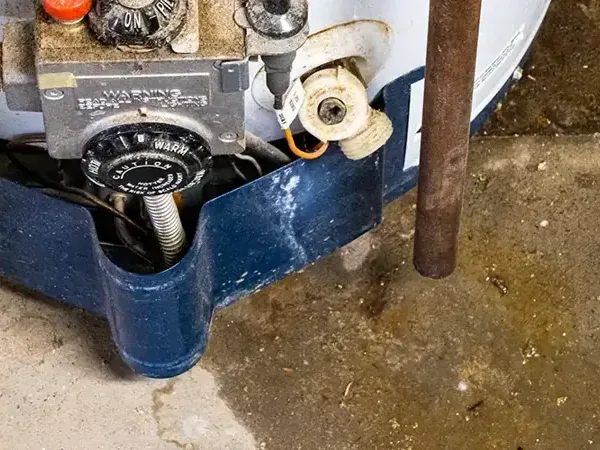
Water escaping around the base of a gas water heater
Source workTank and connections
Safety checkHeat and energy
Wet footprintCloset and adjoining floor
Drying goalVerified material readings
First steps

Water Heater Leak Cleanup: what to do now

  1. 1.Leave wet controls alone

    People avoid the heater controls and nearby wet electrical components. A qualified repair technician handles safe energy isolation and the leaking tank or connection before restoration equipment enters the space.

  2. 2.Identify the spread from safety

    The owner notes which floor areas, wall bases and stored items are wet without reaching behind the tank. The crew checks adjoining rooms where water may have crossed a threshold.

  3. 3.Separate affected storage

    Dry belongings move out of the work route when safe. Wet cardboard, textiles and other absorbent items remain identified for assessment so moisture does not transfer into clean storage areas.

  4. 4.Keep repair and drying coordinated

    The plumbing trade and restoration technician agree on access around the heater. Replacement work should preserve the ability to inspect and dry wet surfaces beneath and behind the installation.

Safety before water heater leak cleanup

The household avoids touching a wet heater control, electrical disconnect or gas component. A qualified technician handles isolation and diagnosis. Water may remain hot, and a saturated floor can be slippery or weakened. People keep clear of the tank until safe access and the source condition are established.

A drain pan may contain part of the release while water has already escaped through a seam or overflowed its edge. The cleanup crew checks beyond the pan and does not move a heavy tank without the appropriate trade and handling plan. Stored boxes and other porous contents remain separate from dry items until their condition is assessed.

How the work is held to standard

How water heater leak cleanup is handled

Establish safe heater access

The repair trade addresses the tank and its energy supply. The restoration technician records the water condition and access restrictions, then identifies the floor and wall areas that need inspection after isolation. The owner identifies the first wet surface and any storage moved before inspection, helping the crew reconstruct the water route around the unit.

Extract and inspect adjoining edges

The crew removes accessible water and checks the pan perimeter, closet walls and room transitions. Moisture readings extend beyond the visible puddle so concealed wet flooring does not escape the cleanup scope. The technician checks beneath accessible trim and at adjoining floor transitions, recording any layer that needs additional access for drying.

Dry the confined assembly

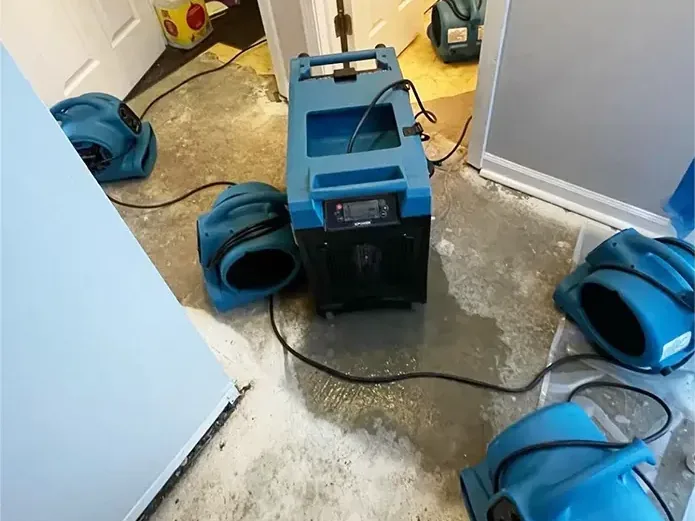
Air movement reaches exposed wall bottoms and floor surfaces while dehumidification controls the room. The team adjusts the arrangement for the closet geometry and keeps utility access clear throughout the drying period. The crew leaves marked wall and floor locations available for readings and coordinates any heater movement with the qualified repair trade.

Record the installation handoff

The technician documents the drying goal and remaining finish repairs. The owner retains the heater source report alongside the moisture record before a replacement unit or new trim conceals the inspected surfaces. The handoff separates the condition of the utility-space materials from the operation of the new or repaired water heater itself.

Typical cost ranges

What does water heater leak cleanup cost in Clarkston, GA?

Water heater leak cleanup in Clarkston often costs $800 to $4,000, excluding tank replacement and plumbing work. A contained closet release differs from water that reaches several floor layers or adjoining rooms. Access behind the unit and saturated storage can increase handling and drying needs.

Contained utility-space loss

$800 to $1,500
  • Accessible standing water
  • Small moisture footprint
  • Wall-base inspection

Closet and adjacent room

$1,500 to $2,700
  • Floor-edge extraction
  • Selective trim removal
  • Controlled room drying

Extended floor and contents loss

$2,700 to $4,000
  • Several wet materials
  • Storage handling
  • Repair coordination records

Water category, wet area, material depth and the delay before extraction affect the scope. The water damage cost calculator gives a planning range; the assessment sets the work required.

The process

Water Heater Leak Cleanup from assessment to dry materials

Water heater cleanup addresses the building materials affected by a leaking tank or connection. A qualified repair trade handles the heater and its energy source; restoration follows the released water through nearby floors, walls and storage areas.

  1. Source assessment

    The source repair record identifies the entry point and the correction performed.

  2. Material decisions

    Photos and moisture mapping define the affected assembly before removal or replacement.

  3. Drying verification

    Repeat measurements compare the affected materials with suitable dry references.

  4. Repair handoff

    The final scope separates completed drying from finish work and reconstruction still required.

Water heater leak cleanup in Clarkston starts with a safe assessment of the tank, its supply and the surrounding room. Hot water, electrical components or gas equipment can change the access decision. Once the repair trade controls the source, the restoration technician traces moisture beneath the heater area and into adjacent finishes rather than stopping at the drain pan.

Following water beyond the heater footprint

A utility closet creates tight corners where water can sit against wall bottoms and beneath shelving. The technician tests accessible edges and adjoining rooms before planning extraction. A floor covering can conceal moisture after the exposed surface dries, and swollen trim may signal water at the wall connection. Each layer receives its own reading and repair decision.

  • The plumbing record identifies the tank or connection problem and source correction.
  • The crew checks the pan area, wall bases and the route into adjacent rooms.
  • Wet stored materials receive separate salvage or disposal decisions.
  • Equipment placement preserves safe access to utilities and occupied areas.

Plumbing coordination and the local service area

DeKalb County Watershed Management provides public water services. A leaking heater inside a property needs a plumbing assessment of that appliance and its connections. The restoration record should describe the indoor release and the materials it reached, while the repair record identifies the source work. Keeping those records separate makes the sequence easier to review.

The Clarkston Branch and Clarkston High School are useful service-area references when describing the property location. More useful for cleanup planning are the heater location, floor level, available shutoff access and rooms showing water. The crew inspects the actual installation instead of assuming that local heaters occupy one standard kind of closet or foundation.

Drying an enclosed utility space

A tight closet can limit airflow and conceal wet edges. The team opens approved access where needed, removes unsalvageable material and directs drying toward exposed surfaces. Dehumidification manages the moisture released into the room. The technician checks wall bottoms and subfloor areas again before replacement trim or a new appliance hides them.

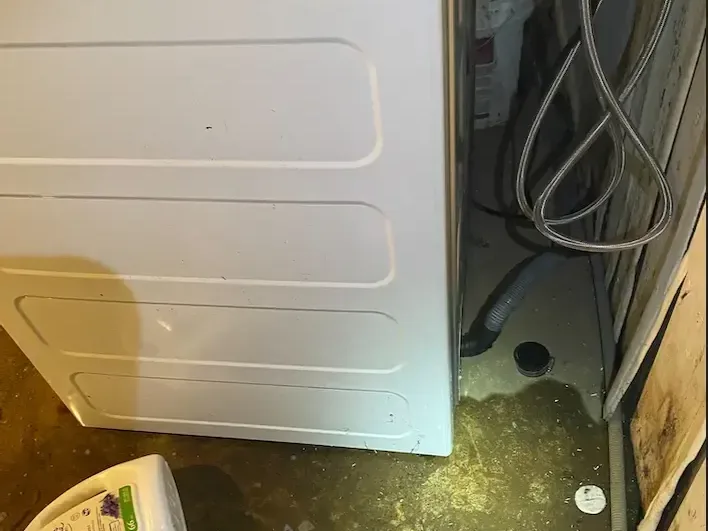
The appliance leak page covers other equipment releases, and the floor drying service addresses affected wood finishes. EPA WaterSense provides leak-awareness information. County watershed services explain the public water system. The owner keeps the heater repair, photos and drying readings together for the property file and any insurance discussion.
Service area

Water Heater Leak Cleanup coverage in Clarkston

Water damage service covers ZIP 30021, including the areas around the public library and high school. Emergency dispatch is available 24/7. The assessment identifies the source and the wet materials before equipment placement.

Browse the service area

Questions

Water Heater Leak Cleanup questions in Clarkston

Should the owner turn off a wet heater control?

Wet controls and energy connections require qualified assessment. The household avoids contact with the equipment and standing water nearby. A repair technician handles safe isolation; the restoration team then evaluates water damage around the installation.

Does a full drain pan mean the floor is protected?

A pan can collect some water while overflow or a leaking connection wets nearby materials. The technician checks its perimeter and adjoining floor layers. Moisture testing checks beneath and behind the pan as well as its visible perimeter.

Who replaces the tank?

A qualified plumbing or appliance repair trade handles the heater replacement. Restoration addresses extraction, affected finishes and drying. Coordinating access prevents a new installation from concealing wet material that still needs inspection or treatment.

Can a small closet dry with its door open?

Opening a door may not provide enough airflow to wet corners or concealed layers. The technician evaluates access and moisture load, then sets controlled drying. Measurements determine progress rather than the appearance of an open, ventilated space.

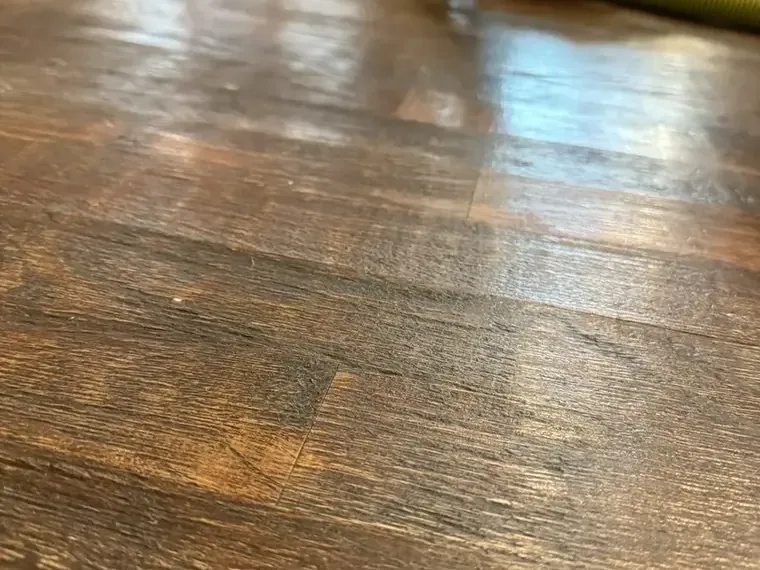
What if the water reached a wood floor?

The floor and substrate need separate moisture checks. The team assesses swelling, trapped water and the construction beneath the boards. A tank repair does not settle the flooring decision, and sanding should wait until the moisture condition stabilizes.

Which documents should stay with the property record?

Keep the source diagnosis, tank repair or replacement details, initial photographs, material removal notes and drying measurements. The insurer reviews coverage under the policy. These records describe the actual sequence without promising reimbursement for the work.

Water loss support

Dry the utility space before it closes up

The restoration team checks the floor and wall edges that a replacement heater or new trim could hide.

(888) 532-4616Plan utility-room drying
(888) 532-4616Water help, 24/7