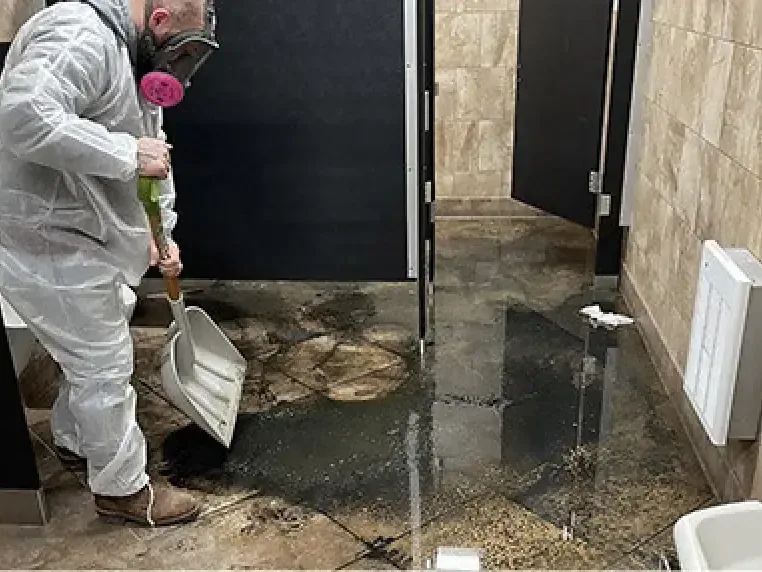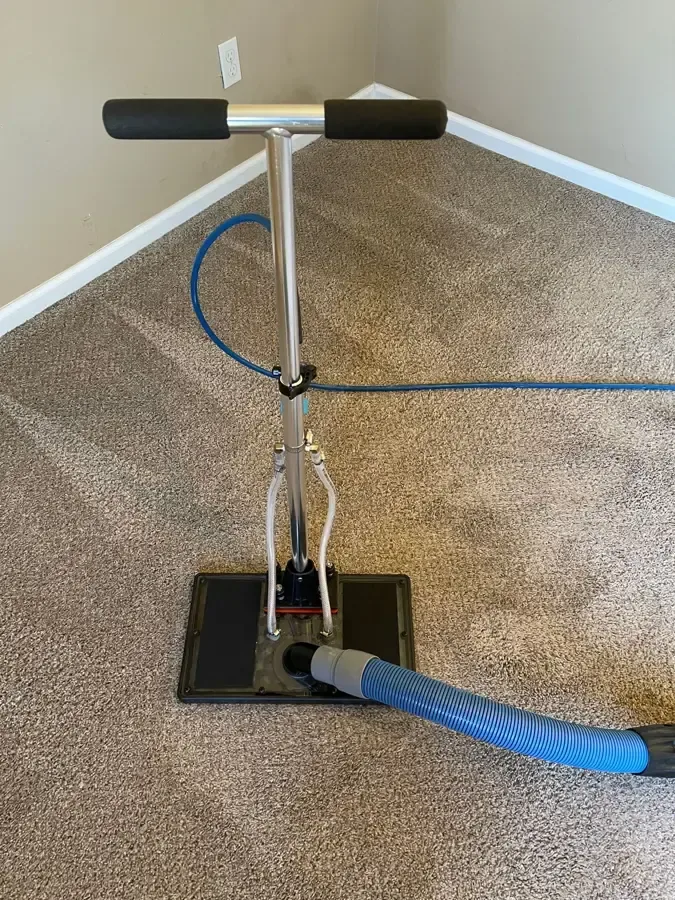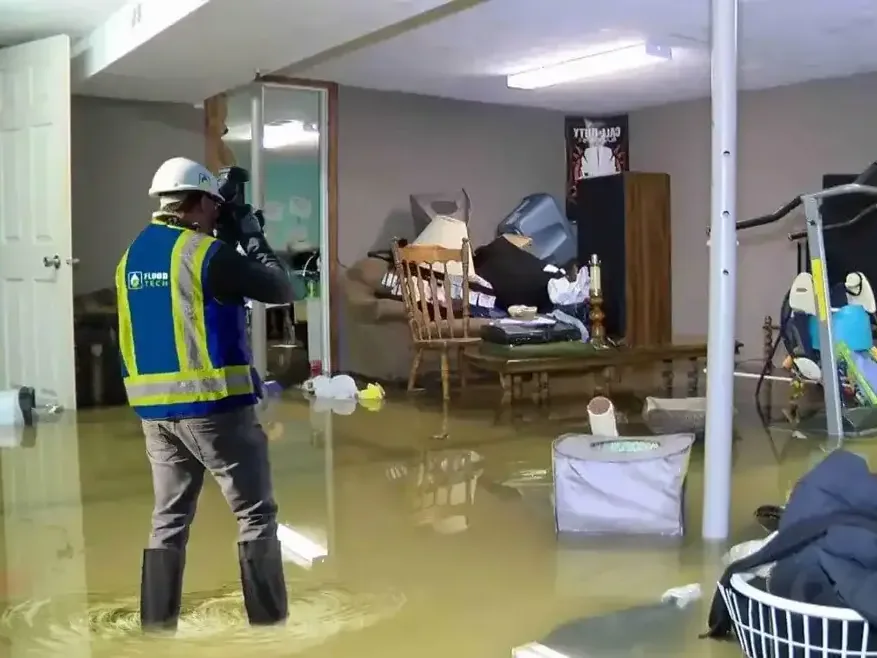
Storm flood cleanup in Clarkston begins with the building and access conditions after outdoor water enters. Muddy water across a floor is not the same as a fresh supply-pipe spill. The response team treats the source and contamination seriously, documents the affected height and determines which materials need removal before any air movers operate.
Why outdoor water changes material decisions
Stormwater can pick up soil, waste and debris before crossing a threshold. Porous finishes that absorbed it often need removal rather than an attempt to dry them in place. The technician records the water level and checks wicking above the visible mark. Hard surfaces receive cleaning appropriate to the contamination before the drying phase starts.
- The crew separates clean access from the contaminated removal route.
- Carpet, pad, insulation and other absorbent layers receive individual removal decisions.
- Cleaning and any product application follow the relevant label and contact time.
- Moisture checks continue in remaining framing and substrates after visible dirt is gone.
City runoff information and the indoor response
Clarkston explains that asphalt and concrete increase runoff compared with absorbent ground, and that fast-moving runoff can create flooding and erosion. The city accepts reports of blocked storm drains, including urgent reports when a blockage causes flooding. The owner can report the public drainage issue while the restoration assessment addresses the water already inside.
DeKalb County Watershed Management handles water and wastewater services. A stormwater blockage, a sanitary spill and an interior cleanup each need the correct response. Around the Clarkston Branch or Clarkston High School area, the useful property details include the entry point, affected level and whether water continues to rise. The owner identifies the property and the observed entry point before the indoor inspection.
Cleaning first, then measuring the dry-out
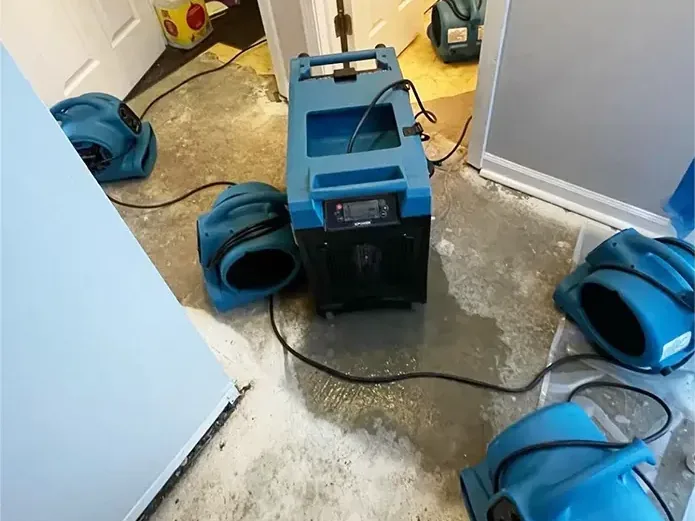
Air movers can spread contamination when they run before removal and cleaning. The team sequences the work so accessible remaining surfaces are ready for controlled airflow. Dehumidifiers then remove moisture from the drying zone while technicians compare framing and substrate readings with appropriate dry references.
The sewage cleanup service explains contamination controls for sanitary backups. The water extraction page describes bulk recovery. Check Ready.gov flood safety before approaching flooded areas, and consult FloodSmart for flood-insurance information. Ordinary water-damage coverage and flood coverage differ; the owner reviews the policy with the insurer while preserving photos, water-level notes and the cleanup record.