Water damage response across DeKalb CountyWater and sewage cleanup · IICRC S500
Standing water removal

Water Extraction in Clarkston, GA

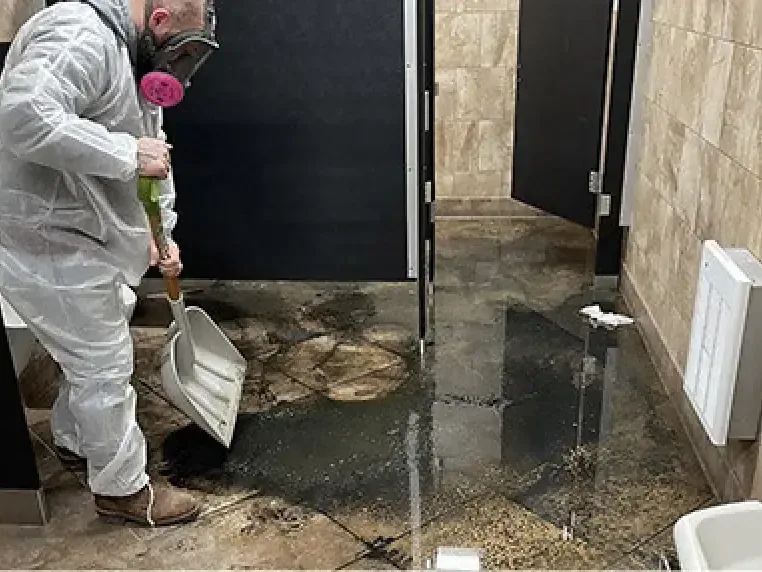
The extraction crew removes standing water before it reaches more rooms, checks the wet boundaries and prepares floors and walls for measured drying. Emergency water removal starts with safe access.

(888) 532-4616Water pooling? Discuss removal
24/7 water assessment Portable extraction equipment Moisture checks after removal
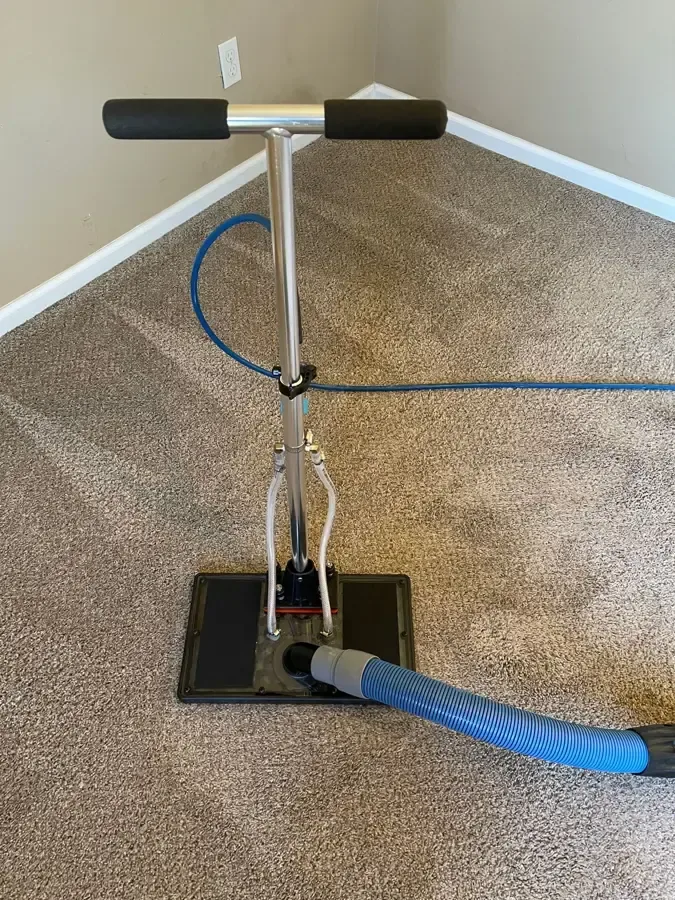
Carpet extraction wand connected to a blue recovery hose
First prioritySafe entry
EquipmentPumps and extractors
Next stageStructural drying
VerificationMoisture mapping
First steps

Water Extraction: what to do now

  1. 1.Keep access dry

    The household stays out of water near electrical equipment and leaves a wet panel alone. The technician confirms a safe equipment route before pumping starts.

  2. 2.Stop continuing entry

    An accessible shutoff may stop a plumbing release. Outdoor flooding or a public drain overflow needs a separate source response while the crew assesses indoor conditions.

  3. 3.Record the wet footprint

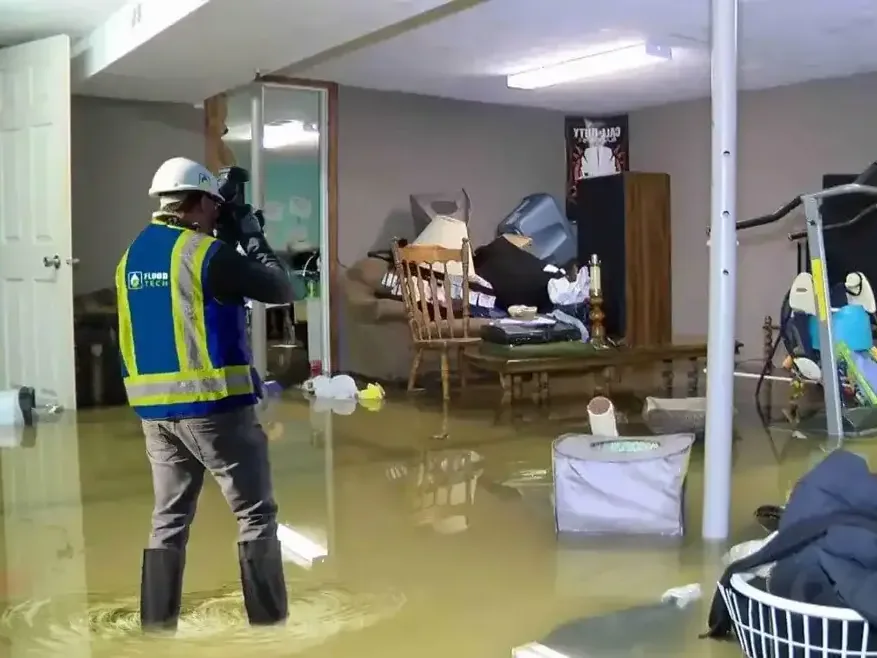
    Photographs capture the water level, room contents and affected finishes from a safe position. The owner keeps a timeline of discovery and source-control actions.

  4. 4.Prepare the next rooms

    Clean, dry belongings move out of the work route when safe. The crew checks connecting thresholds and wall bases so extraction covers the whole affected area.

Safety before water extraction

Electricity changes the entry decision. Nobody should cross standing water to reach a breaker panel, unplug equipment or retrieve belongings. The response team checks safe access before introducing powered extraction equipment. Sewage, outdoor runoff and an unknown source require contamination controls as well as pumping.

The household keeps children and pets outside the affected rooms. A sagging ceiling, loose floor covering or a heavy object sitting in water also needs attention before removal begins. A plumber addresses an active supply leak; a public drainage problem belongs with the responsible agency. Extraction deals with the water already inside the building.

How the work is held to standard

How water extraction is handled

Survey the water path

The technician identifies the source, checks electrical access and measures the wet footprint. Photos and moisture readings establish what needs recovery before a pump or extractor enters the room. The inspection includes the low points where water collects and the dry path needed for hoses and recovery equipment.

Recover bulk water

The extraction crew selects equipment for the depth and surface, then makes controlled passes through the affected rooms. Carpet edges, thresholds and cabinet bases receive separate attention where water collects. A final recovery pass checks edges and changes of surface before the crew records where moisture remains in the building.

Set the drying zone

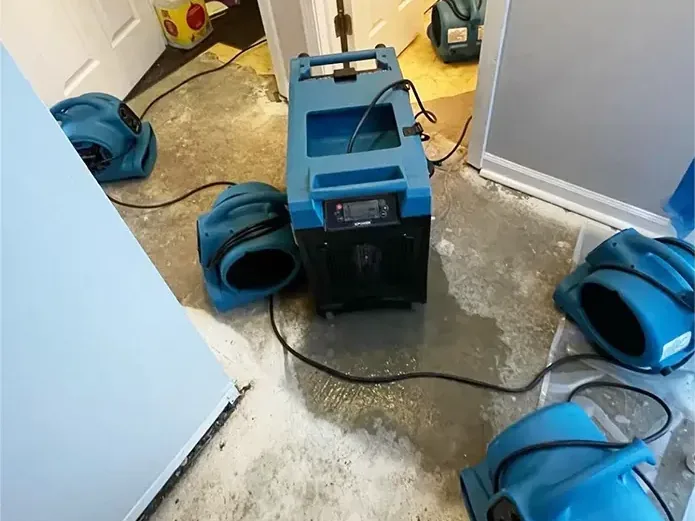
The drying team places equipment after extraction and any necessary material removal. Airflow reaches exposed wet surfaces while dehumidification prevents the evaporated water from accumulating elsewhere inside the building. The technician keeps the wet zone accessible and checks that machine exhaust and airflow reach the intended surfaces without blocking exits.

Check the finish point

The technician compares repeated readings with unaffected material of the same type. The closing record identifies remaining repair needs and shows why equipment can come out rather than relying on touch. The owner retains the extraction notes with the material readings, allowing the repair trade to follow the condition of each affected room.

Typical cost ranges

What does water extraction cost in Clarkston, GA?

Typical water extraction in Clarkston costs $700 to $4,500 before major repairs. Water depth, the number of rooms, access and contamination change the work. A pump-out alone costs less than extraction followed by removal of contaminated carpet and controlled drying.

Small accessible area

$700 to $1,400
  • Limited standing water
  • Accessible hard surfaces
  • Initial moisture mapping

Several wet rooms

$1,400 to $2,800
  • Repeated extraction passes
  • Carpet and edge checks
  • Drying equipment setup

Extensive water removal

$2,800 to $4,500
  • Larger wet footprint
  • More equipment and handling
  • Contamination changes scope

Water category, wet area, material depth and the delay before extraction affect the scope. The water damage cost calculator gives a planning range; the assessment sets the work required.

The process

Water Extraction from assessment to dry materials

Water extraction removes bulk water from floors, carpets and accessible cavities. The technician selects pumps and extraction tools for the depth, contamination and building access, then records the moisture left behind.

  1. Source assessment

    The source repair record identifies the entry point and the correction performed.

  2. Material decisions

    Photos and moisture mapping define the affected assembly before removal or replacement.

  3. Drying verification

    Repeat measurements compare the affected materials with suitable dry references.

  4. Repair handoff

    The final scope separates completed drying from finish work and reconstruction still required.

Water extraction in Clarkston starts with identifying what entered the room and whether the source has stopped. A thin film across a hard floor and water trapped beneath carpet need different tools. The crew checks the next room as well as the visible puddle, because water follows joints, thresholds and low spots before the surface looks badly damaged.

Removing water from the layers beneath the puddle

A pump handles accessible depth, while an extractor pulls water held in carpet and pad. The technician works across the wet footprint methodically and checks edges beneath furniture, cabinet bases and transitions. Repeated passes continue while useful water recovery remains. A dry-looking carpet face alone does not tell the crew whether its backing or the subfloor is wet.

  • The team records the source and water condition before selecting recovery equipment.
  • Extraction hoses follow a clear route that protects occupied rooms and safe exits.
  • Porous materials affected by contaminated water need a removal decision before airflow starts.
  • Meter readings mark the boundary for the next stage of drying.

Indoor cleanup and the public drainage system

DeKalb County Watershed Management provides water and wastewater services. The city separately accepts blocked storm-drain reports and explains how paved surfaces increase runoff. When a street drain is overflowing, an indoor extraction request and a public drainage report address different parts of the problem. The crew needs to know whether water continues to enter through a doorway or whether a plumbing source has stopped.

For a property near Clarkston High School or the Clarkston Branch library, the useful details are the affected level, room access and the visible water route. Those details help the technician select equipment and plan a hose path. A landmark helps identify the area; the inspection establishes the wet footprint at the actual property.

What follows the final extraction pass

The drying team tests wall bottoms, floor joints and adjoining materials after standing water is gone. Air movers increase evaporation from accessible wet surfaces, and dehumidifiers remove that moisture from the air. The team records a dry reference and returns to the same measurement locations so the drying trend stays comparable.

The structural drying service explains how that work continues. The cost calculator helps organize the size and material questions. For public safety information, consult Ready.gov flooding guidance and the city stormwater information. Keep photographs of the initial water level with the extraction and drying records.
Service area

Water Extraction coverage in Clarkston

Water damage service covers ZIP 30021, including the areas around the public library and high school. Emergency dispatch is available 24/7. The assessment identifies the source and the wet materials before equipment placement.

Browse the service area

Related services

Other water damage services

Questions

Water Extraction questions in Clarkston

Can a household vacuum remove standing water?

A household vacuum is not suitable for water recovery. Wet electrical conditions and an unknown water source add risks. The extraction crew uses recovery equipment selected for the depth and contamination, then checks the materials beneath the visible surface.

Does pumping the floor finish the job?

Pumping removes bulk water. Wall bottoms, floor layers and cavities may retain moisture afterward. The technician maps those materials and sets a drying plan, with repeated readings to show whether the remaining moisture is leaving the assembly.

What if water keeps coming through the doorway?

The source needs attention alongside indoor cleanup. The city accepts blocked storm-drain reports, and the response team records continuing entry. A restoration pump does not replace public drainage maintenance or make a flooded access route safe.

Can carpet stay in place?

The water category, time wet and condition of the carpet and pad determine that decision. Clean-water materials may qualify for controlled drying. Contaminated porous layers often need removal, and the crew explains the affected boundary before work proceeds.

How does an extraction crew handle an upstairs room?

The technician plans a safe hose route, protects dry access and checks the ceiling below. The weight and movement of wet contents also matter. Portable equipment can provide access where a truck-mounted hose route is impractical.

What should the claim file include?

The owner keeps initial photos and the discovery timeline. The restoration record adds the wet-area map, extraction work, material decisions and drying measurements. The insurer evaluates coverage under the policy; the cleanup record describes the actual loss.

Water loss support

Get standing water moving out

The extraction team checks the source, recovers bulk water and measures what remains inside the materials.

(888) 532-4616Arrange water recovery
(888) 532-4616Water help, 24/7