Water damage response across DeKalb CountyWater and sewage cleanup · IICRC S500
Water beneath household equipment

Appliance Leak Water Damage in Clarkston, GA

A washer, dishwasher or refrigerator leak can hide beneath cabinetry long after the visible spill is wiped up. The restoration crew follows the release, assesses its contamination and dries affected layers after appliance source repair.

(888) 532-4616Appliance water spreading? Call
24/7 appliance-loss assessment Cabinet and floor checks Source-specific cleanup
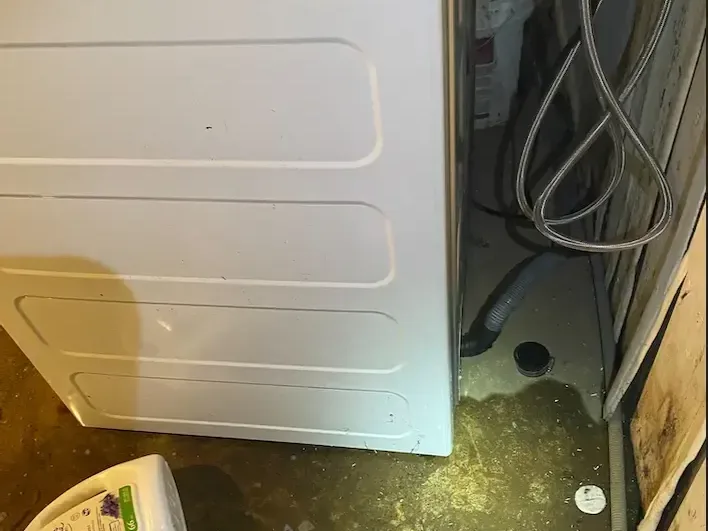
Water pooled beside a washing machine and its hoses
Source distinctionSupply or discharge
Hidden areaCabinet and floor edges
Cleanup decisionWater condition
Drying proofRepeated readings
First steps

Appliance Leak Water Damage: what to do now

  1. 1.Stop use of the leaking equipment

    The household leaves the appliance off and avoids wet controls or plugs. The repair technician handles safe isolation and checks the supply, drain or internal component responsible for the release.

  2. 2.Describe the release accurately

    The owner notes whether the appliance was filling, washing, draining or idle when water appeared. The cleanup technician considers that source information when assessing contamination and affected porous materials.

  3. 3.Protect access around cabinetry

    Dry movable items leave the work area when safe, but heavy equipment stays for a coordinated handling plan. The crew needs room to inspect toe kicks, walls and floor transitions.

  4. 4.Keep hidden surfaces in the scope

    The restoration team checks beneath the appliance and adjoining finishes before reinstallation. Readings at those locations remain part of the drying record until the assembly reaches its goal.

Safety before appliance leak water damage

A wet plug, socket or appliance control requires caution. The household does not reach through water to disconnect power or pull a heavy machine away from the wall. A qualified technician handles safe isolation and movement when necessary. The cleanup team plans access before extraction equipment enters the room.

The water source matters. A supply connection release differs from used wash water or a drain discharge. The technician records what cycle was running, what leaked and how long materials stayed wet. Those observations inform cleaning and removal decisions. People keep affected absorbent items separate from clean storage until the assessment establishes what can remain.

How the work is held to standard

How appliance leak water damage is handled

Identify supply versus discharge

The technician records the appliance and the operating stage at discovery. The source repair establishes what failed, while the restoration assessment determines water condition and the materials requiring cleanup or removal. The owner describes whether the machine was filling or draining and whether the leak continued after its normal cycle stopped.

Reach the concealed footprint

Coordinated appliance access exposes wet floor and wall edges without unnecessary movement. The crew maps moisture beneath cabinetry and through connected floor layers before finalizing the extraction and drying boundary. The technician records the condition beneath the machine and explains which cabinet or floor opening is necessary for effective moisture control.

Clean and dry by material

The team handles contamination before introducing airflow, then positions equipment for the exposed surfaces. Cabinet panels, wall bases and substrates receive separate checks because their construction and moisture response differ. The drying zone preserves measurement access around the appliance footprint, and the owner reports any renewed leak or equipment interruption promptly.

Confirm the return-to-place decision

The repair trade verifies the appliance source correction and the restoration technician documents material readings. Reinstallation follows that combined handoff so the repaired machine does not conceal a wet surface or obstruct unfinished drying. The owner keeps the source repair findings with the material readings so both the machine and the surrounding room have a clear record.

Typical cost ranges

What does appliance leak water damage cost in Clarkston, GA?

Appliance leak cleanup in Clarkston generally ranges from $600 to $3,800, excluding equipment repair. Water beneath cabinets, contaminated discharge and multiple floor layers can expand the scope. An accessible clean-water spill usually requires less work than a long-running leak concealed behind built-in equipment.

Accessible small release

$600 to $1,200
  • Limited floor area
  • Source already stopped
  • Initial moisture checks

Cabinet and floor spread

$1,200 to $2,400
  • Toe-kick inspection
  • Selective material access
  • Measured drying setup

Concealed or contaminated loss

$2,400 to $3,800
  • More removal and cleaning
  • Several affected layers
  • Equipment repair coordination

Water category, wet area, material depth and the delay before extraction affect the scope. The water damage cost calculator gives a planning range; the assessment sets the work required.

The process

Appliance Leak Water Damage from assessment to dry materials

Appliance water restoration follows leaks from supply connections, drains and the equipment itself. The source and contents of the release determine cleaning and material decisions, while moisture mapping identifies water beneath cabinets, floor coverings and adjacent walls.

  1. Source assessment

    The source repair record identifies the entry point and the correction performed.

  2. Material decisions

    Photos and moisture mapping define the affected assembly before removal or replacement.

  3. Drying verification

    Repeat measurements compare the affected materials with suitable dry references.

  4. Repair handoff

    The final scope separates completed drying from finish work and reconstruction still required.

Appliance leak water damage in Clarkston needs more than wiping the floor around the machine. Water can run beneath a dishwasher, collect behind a refrigerator or soak the wall behind a washer. The repair trade identifies the equipment fault. The restoration crew checks the surfaces that remain concealed when the appliance sits in its normal position.

Looking beneath cabinets and floor transitions

Cabinet toe kicks and flooring seams can conceal water beyond the visible spill. The technician checks accessible edges, compares readings with unaffected materials and identifies any panel that blocks drying access. A swollen cabinet base or detached floor seam deserves a closer inspection rather than a cosmetic repair. The work scope identifies what needs opening and why.

  • The appliance report distinguishes a supply hose, drain connection or internal failure.
  • The crew checks the wall behind the equipment and the floor beneath it.
  • Used discharge water receives a contamination assessment before airflow starts.
  • The owner retains photos of concealed conditions revealed during authorized access.

What the local assessment needs to know

Public water questions belong with DeKalb County Watershed Management, but an appliance fault requires attention to the equipment and property plumbing. The owner describes which appliance leaked, whether it was operating and whether isolation stopped the flow. The restoration technician uses that information alongside moisture readings to define the building-material loss.

Near Clarkston High School, a laundry-area loss may need a safe route through occupied rooms. Near the Clarkston Branch, a kitchen leak may require coordination around cabinets and stored contents. The crew plans the equipment route with the owner before moving affected contents. The actual inspection establishes the layout, contamination and wet boundary at each property.

Returning the appliance after the floor is ready

The team dries exposed wall and floor layers with controlled airflow and dehumidification. The technician keeps measurement locations accessible until the trend reaches the drying goal. Reinstalling a machine too early can block airflow or hide a still-wet substrate. The repair handoff should include both source correction and the condition of the surfaces beneath the equipment.

The water extraction service covers bulk water recovery, while structural drying addresses the remaining assembly. EPA WaterSense provides leak-awareness information. The county watershed department explains public water services. Keep the appliance diagnosis with the cleanup photos and drying log so future repair decisions use the same record.
Service area

Appliance Leak Water Damage coverage in Clarkston

Water damage service covers ZIP 30021, including the areas around the public library and high school. Emergency dispatch is available 24/7. The assessment identifies the source and the wet materials before equipment placement.

Browse the service area

Questions

Appliance Leak Water Damage questions in Clarkston

Is dishwasher water considered a clean supply spill?

The point of release matters. Water from a supply connection differs from used water inside a wash or drain cycle. The technician records the source and evaluates contamination before deciding how to clean, dry or remove affected materials.

Can the appliance move immediately?

A heavy or wet appliance can involve electrical, plumbing and handling risks. The repair trade and restoration crew coordinate movement. The household should avoid pulling it through standing water or straining connected hoses to inspect behind it.

Why inspect cabinets after the floor is wiped?

Water can remain beneath toe kicks, behind panels and under the floor covering. Wiping the visible surface does not measure those layers. The technician checks accessible edges and explains any opening needed for effective drying and verification.

What if the leak lasted several days?

A longer wet period can expand the affected footprint and change material condition. The assessment considers elapsed time, water source and contamination. Swollen panels, detached flooring or hidden moisture may require more than surface extraction and room ventilation.

Can a repaired appliance return before drying ends?

Only if its position preserves the required drying access and the team agrees. Reinstallation can block airflow and measurement points. The technician records the condition beneath and behind the machine before those areas become difficult to reach.

Does the cleanup price include appliance repair?

The typical restoration range covers affected building materials and drying work, not the equipment repair itself. The owner reviews the separate scopes with the trades involved and retains the source diagnosis alongside the extraction and moisture records.

Water loss support

Dry beneath the machine before it returns

The restoration crew checks hidden floor and wall surfaces after the leaking component receives repair.

(888) 532-4616Plan appliance-area drying
(888) 532-4616Water help, 24/7