Stonecrest Water Damage Restoration
Water spreading beneath a doorway can connect several rooms before the surface looks seriously wet. Restoration starts by stopping the release, finding affected layers and deciding which materials can be cleaned and dried.
(888) 532-4616Discuss a spreading water problem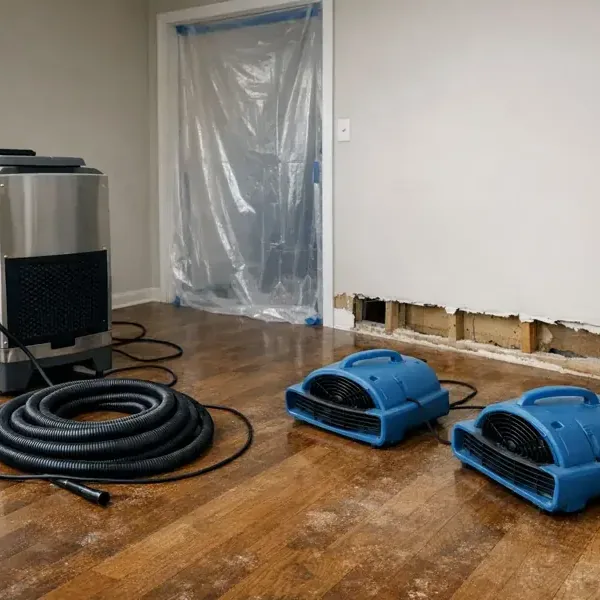
Room access, water source and electrical concerns help shape the initial cleanup discussion.
A safer starting point for an affected room
- 1Keep access controlled
Children, pets and unnecessary foot traffic should remain outside wet areas, especially when sewage, loose ceiling material or electrical equipment is involved.
- 2Stop safe water sources
An accessible fixture valve may limit a plumbing release. A valve reached only through standing water should wait for a qualified assessment.
- 3Record visible changes
Photographs from a dry position can capture the source, affected contents and spreading edges before equipment or damaged materials changes the room.
- 4Separate repair responsibilities
A plumber, roofer or HVAC contractor may need to correct the source while restoration addresses the water already inside the building.
- 5Describe concealed routes
Details about adjoining closets, upper rooms and recent dripping help identify where inspection should extend beyond the most obvious wet surface.
Cleanup matched to the source and room
A stained ceiling, overflowing fixture and soaked floor need different approaches. These services explain the work behind each problem and the decisions before repairs.
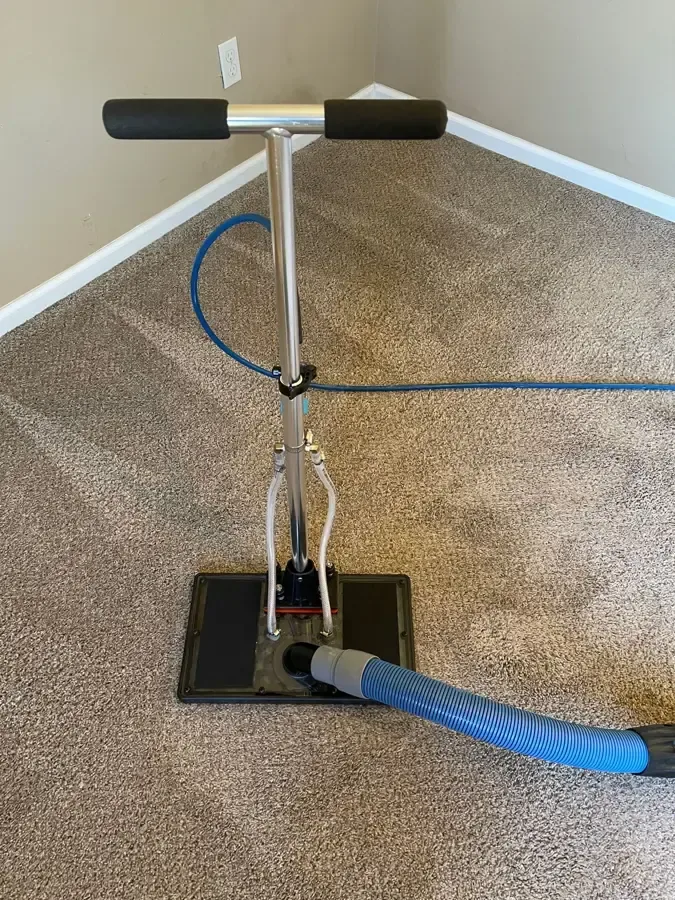 Water ExtractionStanding water requires controlled removal, including checks for moisture left beneath carpet, at thresholds and inside adjoining wall bases.
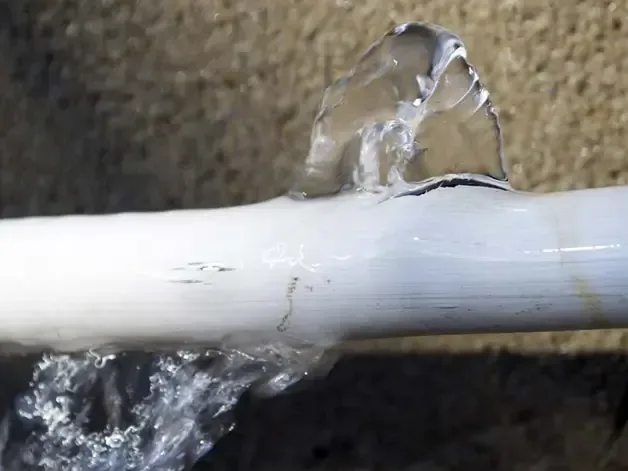 Burst Pipe Water DamageA ruptured supply pipe can wet enclosed surfaces; isolation, opening decisions and drying should follow the actual escape path.
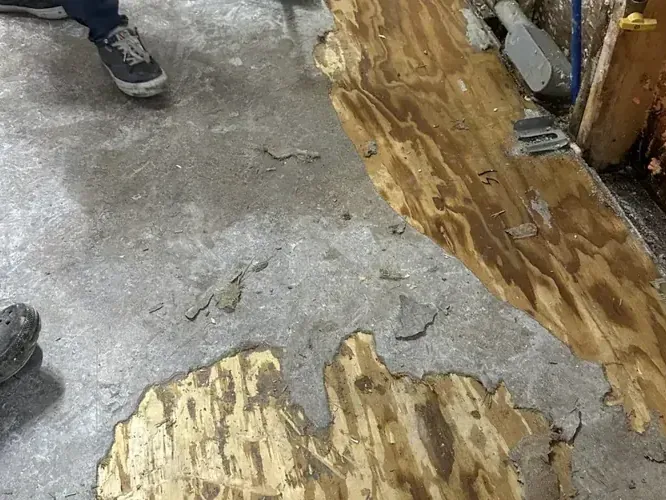 Slab Leak Water DamageDamp floor finishes over concrete need investigation before removal, with plumbing diagnosis separated from moisture testing and restoration.
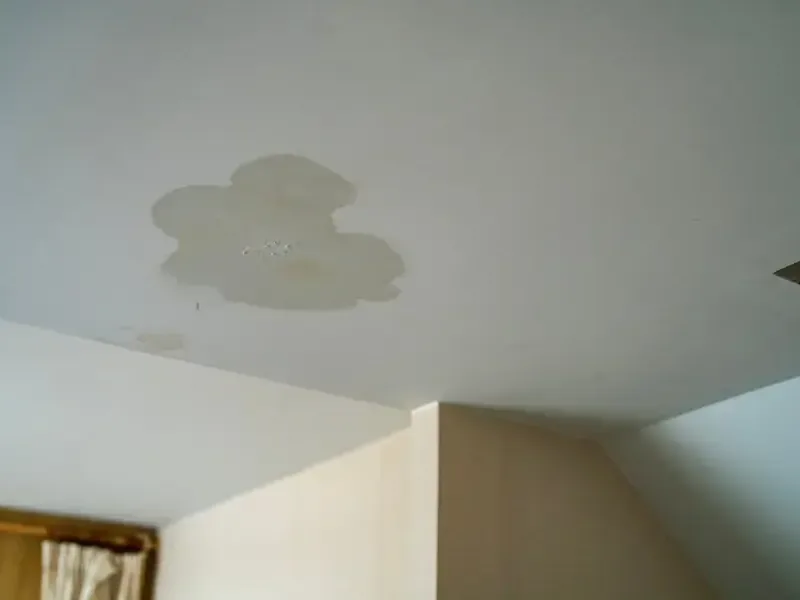 Ceiling Leak Water DamageOverhead stains deserve a safety assessment before finishes are opened and wet insulation or framing receives further attention.
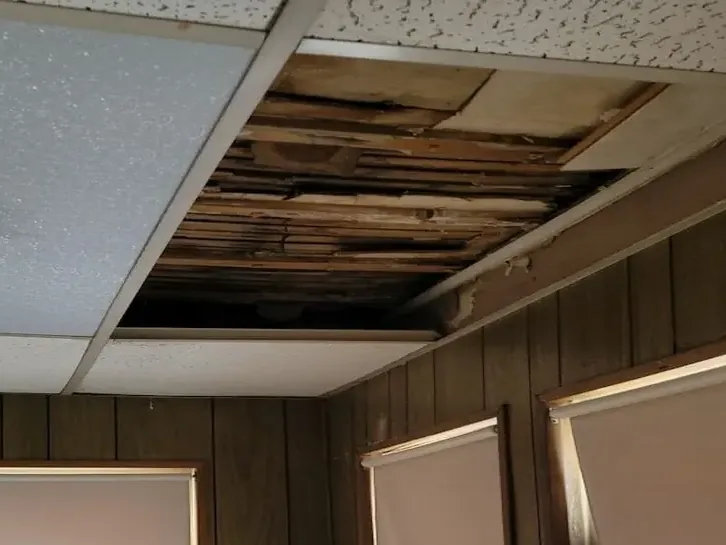 Roof Leak Water DamageRain entering above a room creates separate roof repair and interior drying tasks, including checks around concealed transitions.
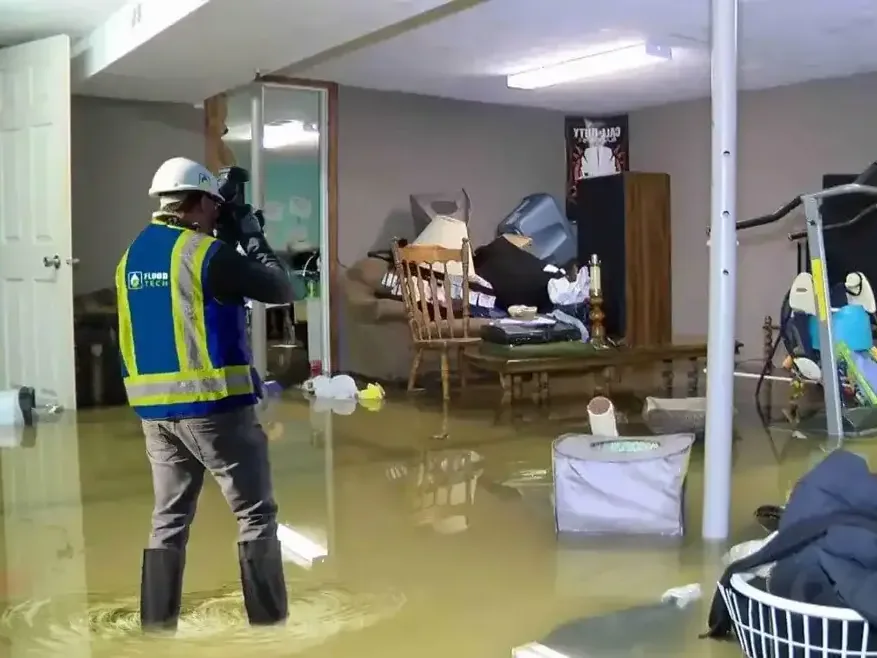 Storm Flood CleanupOutdoor water can leave sediment inside rooms, making contamination control and selective material removal part of the cleanup.
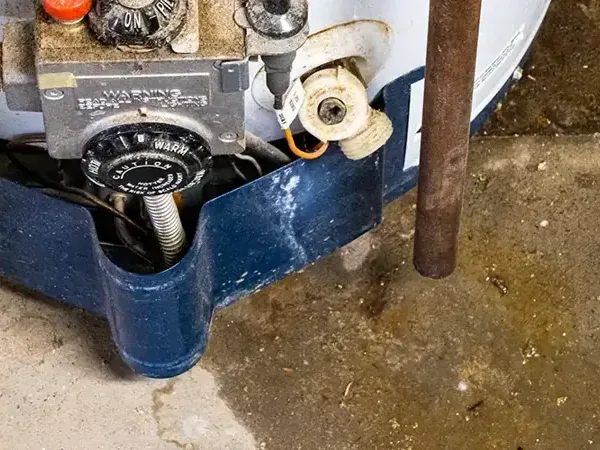 Water Heater Leak CleanupA leaking tank can spread water beyond its closet, soaking trim, adjoining flooring and contents stored near the appliance.
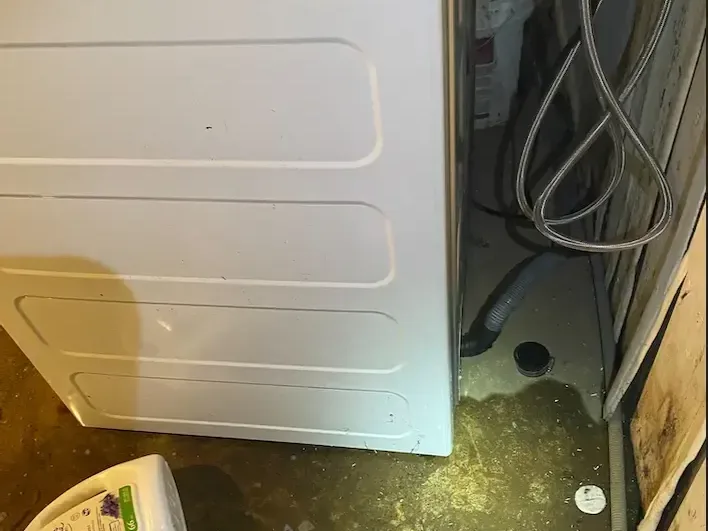 Appliance Leak Water DamageDishwasher and laundry leaks may travel underneath equipment or cabinets before appearing on the visible floor beside them.
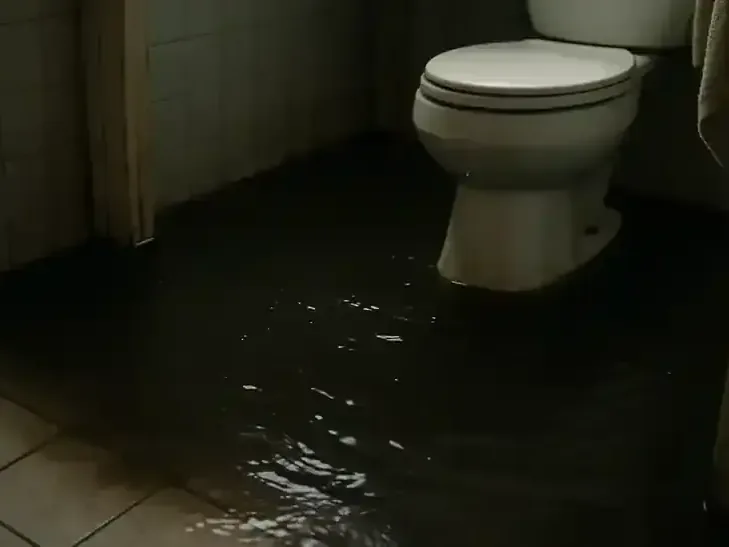 Toilet Overflow CleanupAn overflowing toilet calls for fixture isolation and a contamination assessment before bathroom surfaces or nearby rooms are cleaned.
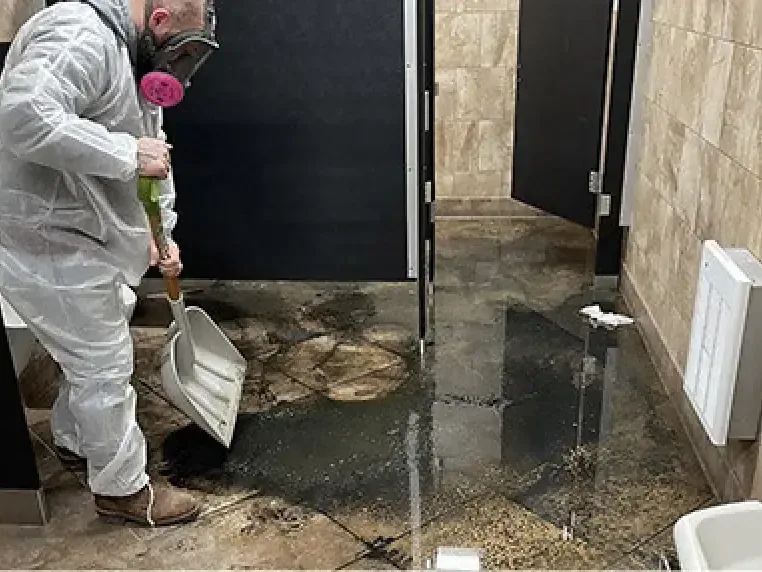 Sewage Backup CleanupWastewater entering living space requires restricted access, protected removal and cleaning before any drying equipment moves air through it.
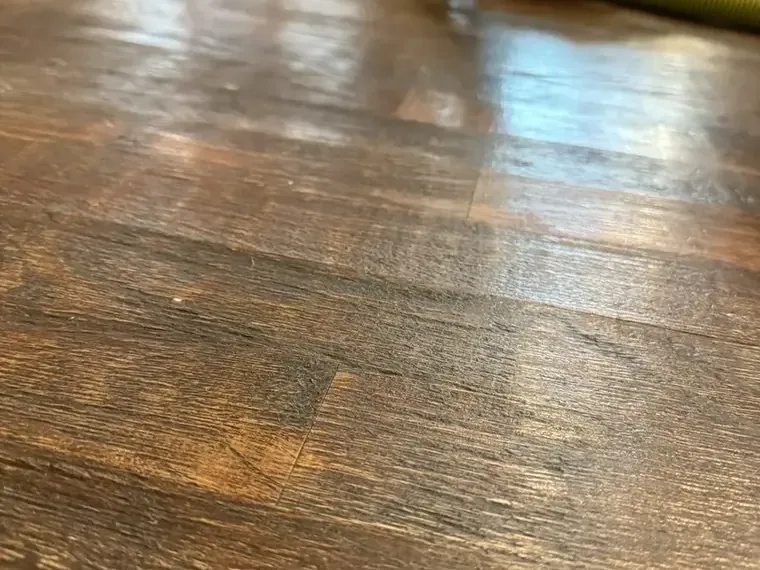 Hardwood Floor Water DamageChanged board edges and trapped underside moisture require measured drying decisions before sanding, refinishing or replacing affected flooring.
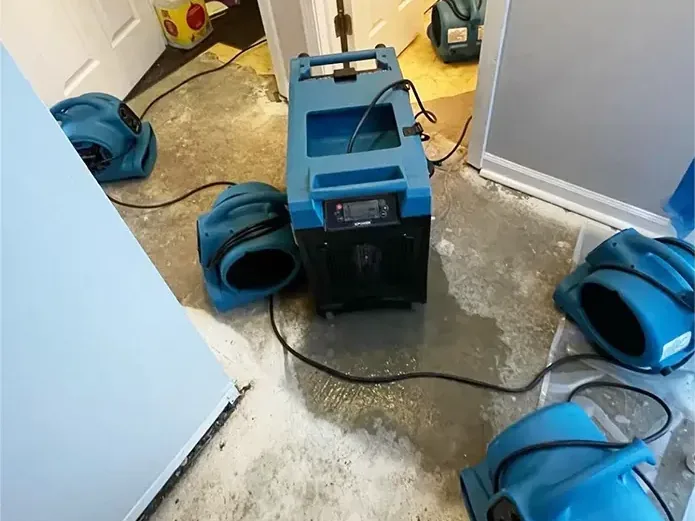 Structural DryingWall cavities, framing and substrates need tracked moisture reduction so repair work begins with a documented view of conditions.
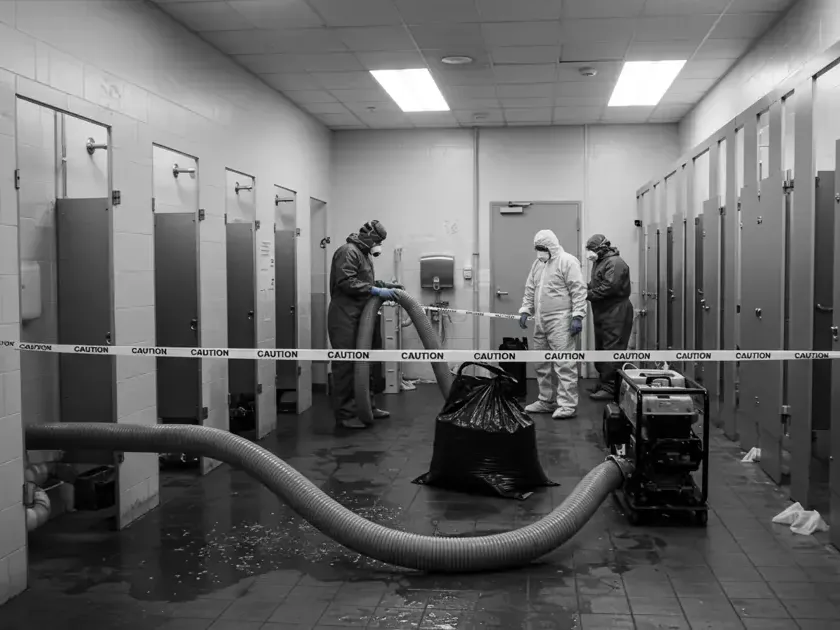 Commercial Water Damage RestorationBusiness cleanup separates affected work areas from usable space while stock, electrical access and tenant responsibilities receive attention.
 Frozen Pipe Water DamageA pipe damaged during freezing may start leaking during thawing, requiring plumbing isolation before concealed wet materials are assessed.
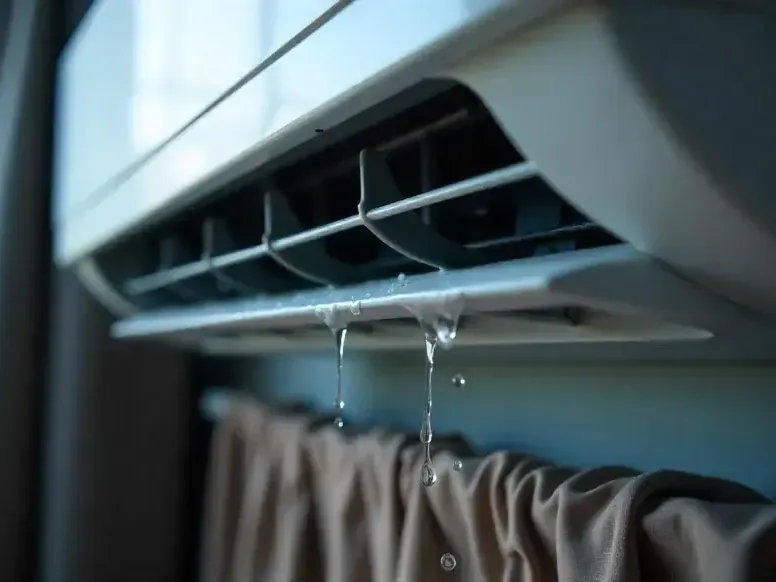 AC Leak Water DamageCondensate escaping from cooling equipment can wet closet floors or ceilings; equipment correction and material drying remain separate tasks.
The wet boundary matters
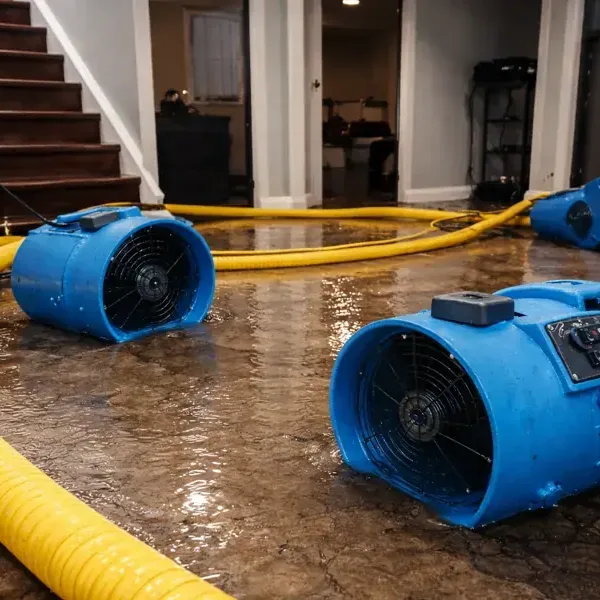
Defined inspection area
Room sketches and material readings identify where cleanup begins and where additional inspection is needed, including surfaces beyond the first visible stain.
Practical access planning
Furniture, stored belongings and work routes affect equipment placement. Clear access protects unaffected finishes and makes later checks easier to complete consistently.
Separate source correction
A repaired fitting stops new water, while extraction and drying address the remaining moisture. Both tasks belong in the written recovery plan.
Readable completion records
Closing notes should explain retained materials, removals and moisture results so subsequent repairs follow the observed condition of the room rather than appearance alone.
Stonecrest water damage experts, day and night
A dry looking doorway can hide a wet pad, and a ceiling mark can sit below a larger cavity problem. Useful restoration compares the visible damage with measurements in connected materials. For properties around Fairington Park and Salem Park, the task remains specific to the affected building: locate the source, document the spread and set an achievable plan for each wet assembly.
The assessment and repair sequence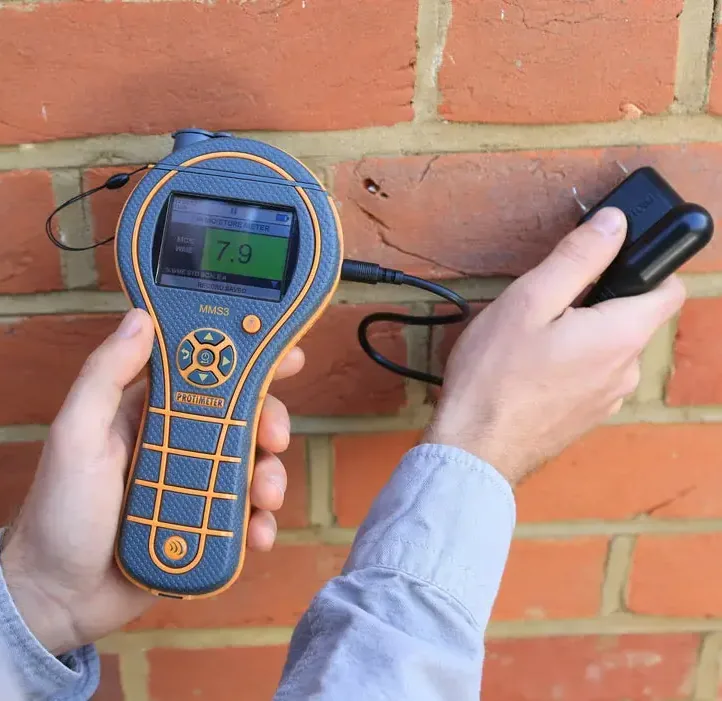
From water release to repair readiness
Cleanup progresses through linked decisions. Removal reduces the water load, cleaning addresses affected surfaces, and drying measurements establish whether retained materials are ready for the next trade to begin finishing the room.
Locate active entry
The inspection separates ongoing water entry from moisture already stored in finishes, allowing source correction to receive prompt attention.
Remove accessible water
Extraction equipment fits the floor and access conditions, with checks beneath movable contents and at transitions into connected rooms.
Clean exposed surfaces
Soil and affected debris are removed before equipment placement, with handling adjusted to the water source and material condition.
Evaluate retained layers
Repeat readings show progress within the actual assemblies. Remaining wet pockets receive further attention before coverings or finishes conceal them.
Documents that support a claim
Coverage depends on the policy and circumstances. A factual record of the source, visible damage, work performed and material decisions helps keep the restoration discussion organized.
- Photographs before material removal
- Source repair notes and invoices
- Room by room condition notes
- Itemized cleanup scope and changes
- Dated measurements during the work
When paying for cleanup directly
A written estimate can separate urgent water removal from later finish replacement, making the immediate priorities easier to compare before authorizing a larger repair package.
Changes should identify the newly discovered damage and the work required. Retained photographs and readings also help another contractor understand the condition left for reconstruction.
What affects Stonecrest water cleanup costs?
Stonecrest restoration estimates depend on wet area, water contamination, access and the layers involved. A small exposed floor differs from water trapped behind cabinets or above ceilings. These planning ranges describe restoration scope; source repairs and replacement finishes need their own written allowances.
Contained room cleanup
$1,000 to $2,500- Accessible surface removal
- Limited material handling
- Focused drying setup
Connected room damage
$2,500 to $5,000- Multiple wet surfaces
- Selective opening work
- Broader equipment placement
Extensive concealed spread
$5,000 to $8,000- Complex cavity access
- Additional disposal handling
- Extended condition monitoring
Water category, wet area, material depth and the delay before extraction affect the scope. The water damage cost calculator gives a planning range; the assessment sets the work required.
What water removal and drying can involve
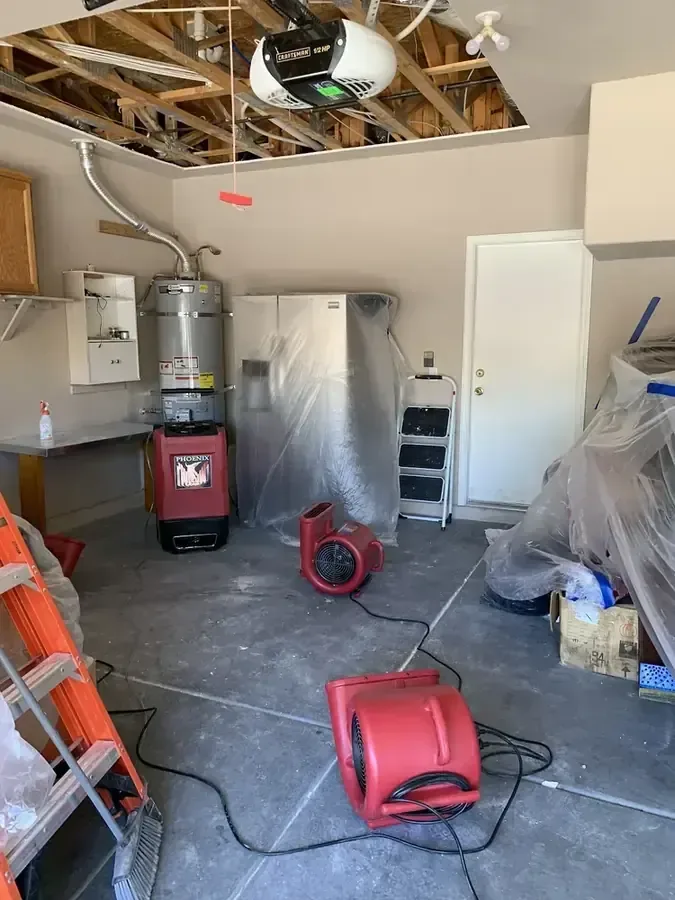
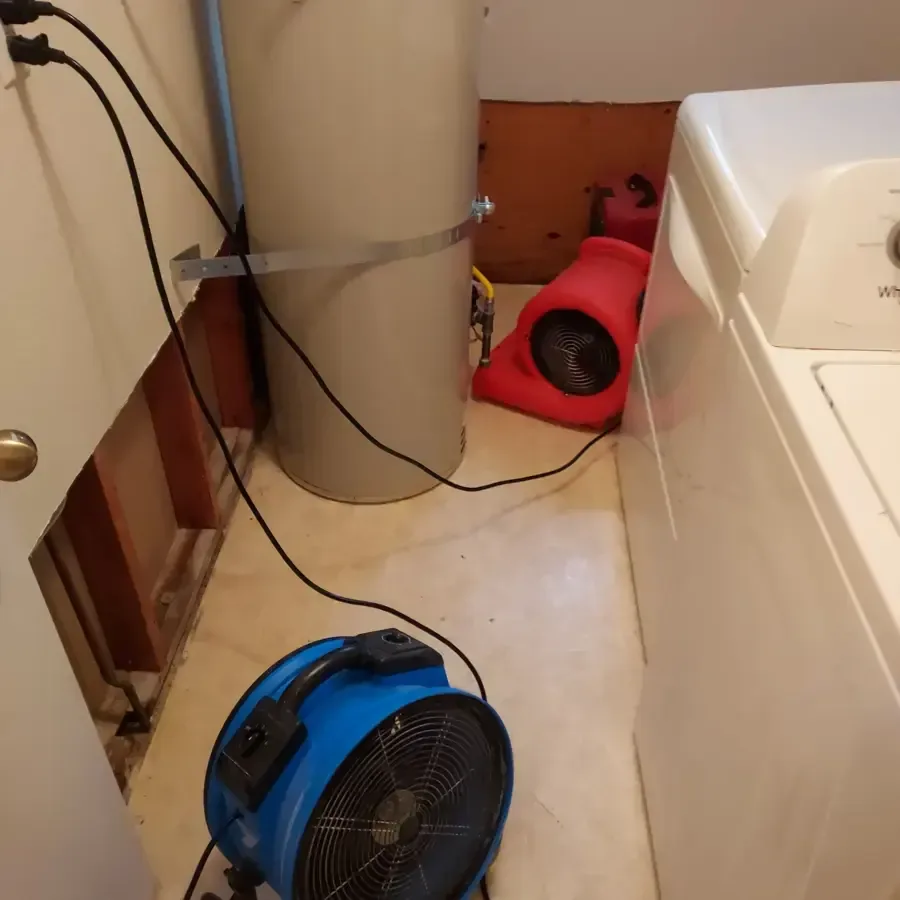
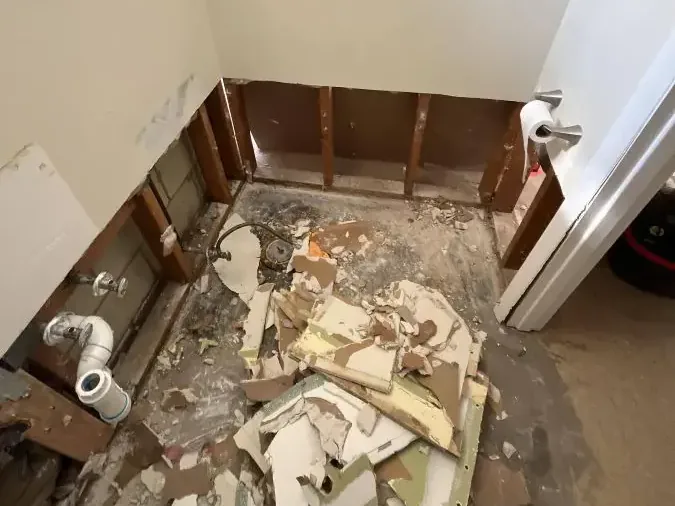
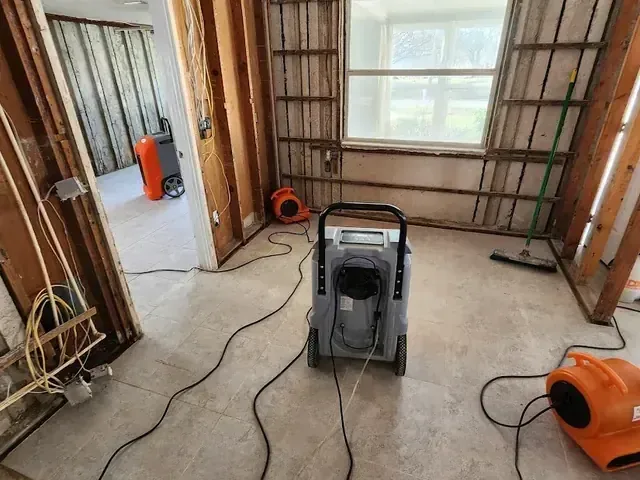
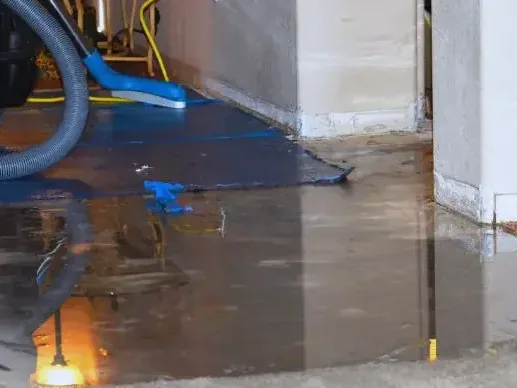
Different releases need different handling
Supply water escaping indoors
A broken pipe starts with source isolation and inspection of connected surfaces. Contact with dirty cavities can change the handling needed as water spreads.
Trace the rupture pathWater beneath household equipment
Appliance leakage can contain detergents or food residue. Access beneath the machine and cabinet bases helps determine cleaning needs before drying starts.
Inspect the appliance footprintWastewater entering occupied space
Sewage requires restricted access and removal of affected porous material where appropriate. Cleaning contaminated surfaces comes before broad air movement through the room.
Assess sanitary cleanup stepsProperty details make the request clearer
Connected service areas
Describe the location and affected entrance
The city occupies southeastern DeKalb County and includes a portion north of Interstate 20. A precise property location and usable entrance help establish access for an inspection.
Mall at Stonecrest and Flat Rock Archives are local reference points. The request should also describe stairs, parking restrictions and whether the wet area remains accessible from dry space.
Water damage service areas
More detail about cleanup decisions
Pipes, drainage and repair coordination
Stonecrest homeowners maintain pipes within their property, while county departments handle public systems. Knowing which issue is involved helps direct reporting alongside the interior cleanup.
November 2016: Residents approved the city before the first municipal elections took place in March 2017, establishing its municipal identity.
Private service pipes
The property owner maintains service pipes on the property. A plumber can assess a suspected rupture while restoration documents affected finishes and remaining moisture.
Public sanitary concerns
DeKalb County Watershed Management receives sanitary sewer spill reports. Indoor wastewater still needs separate containment and cleaning when a public report has been made.
Stormwater maintenance
County stormwater work includes ditches, swales and catch basins. DeKalb County Roads and Drainage Division handles drainage maintenance and improvements affecting those systems.
Open assemblies
The Building Department lists interior finish, demolition and remodeling permits. Planned reconstruction should account for applicable approvals before damaged rooms are closed and refinished.
Specific building conditions
Places near Davidson-Arabia Nature Preserve and Everett Park can have different layouts. Inspection should identify the actual floor, ceiling and wall construction involved.
Questions before cleanup
Can a small stain need a larger inspection?
Yes. The visible mark may sit below water held in insulation or beside a wet cavity. Inspection should follow connected materials and compare their condition, especially when moisture appears at a seam or returns after the surface has dried.
Who handles a suspected public sewer spill?
DeKalb County Watershed Management receives sanitary sewer spill reports. A property owner should also arrange assessment of contaminated interior space. Reporting the public issue and cleaning a bathroom or occupied room are separate parts of recovering from the event.
Does a repaired pipe finish the restoration?
Pipe repair ends the release when successful, but flooring, trim and wall cavities can remain wet. Extraction, cleaning and measured drying address that remaining moisture. Finish replacement should follow the condition of those materials rather than the repair date alone.
Should furniture move before photographs are taken?
Photographs from a safe dry position can document the initial scene. Heavy furniture should stay in place when moving it would require entering contaminated water or crossing damaged flooring. The cleanup plan can include controlled content handling and protected temporary storage.
How are materials selected for removal?
Water source, material strength, accessibility and drying response all matter. A swollen cabinet base may need a different decision from sound framing. The estimate should state why material is removed and which surrounding surfaces will remain for cleaning and drying.
Can a ZIP identify the city boundary?
ZIP areas overlap Stonecrest and extend beyond municipal limits. A service request needs the actual property location so the correct jurisdiction and access can be established. ZIP information helps organize a request but should accompany the location details.
When can a ceiling be painted again?
The source needs correction, retained overhead materials need suitable moisture results, and damaged finishes need repair. Painting directly over an active stain can conceal continuing moisture. Repair planning should also consider any required inspection before the cavity is closed.
Is every wet floor treated as sewage?
No. The source and subsequent contact determine handling. Water from a supply fitting differs from wastewater backing through a drain, but even a supply release can pick up contamination. The assessment should document that distinction before choosing cleaning and removal methods.
What should a final drying record explain?
It should identify measured locations, retained assemblies and the readings used to evaluate progress. Any unresolved source problem or material scheduled for replacement should also be clear. Those details help the repair contractor understand the handoff and remaining work.
Make the next decision about the wet room
A clear description of the source and affected surfaces helps turn an urgent water problem into an organized assessment.