Water damage response across DeKalb CountyWater and sewage cleanup · IICRC S500
Changing boards and concealed moisture

Stonecrest Hardwood Floor Water Damage

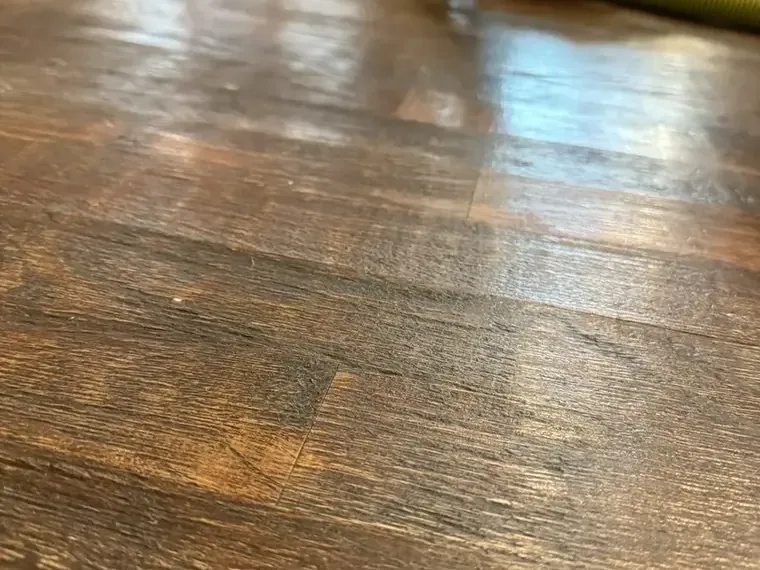
Raised board edges can be a delayed sign of water beneath a wood floor. The assessment compares surface changes with moisture in the flooring and substrate before sanding or replacement becomes the next step.

(888) 532-4616Discuss changes in wet floorboards
Board movement documented Underside moisture checked Refinishing timing assessed
Moisture reflecting across affected wood floorboards
Visible clueChanged board profile
Hidden conditionMoisture beneath boards
Retention basisMaterial and attachment
Later workFlooring specialist evaluation
First steps

Hardwood Floor Water Damage: what to do now

  1. 1.Record the changing board pattern

    Photographs of raised edges, gaps and transitions preserve the initial condition. The timing of visible changes helps connect board movement with the water release and previous extraction work.

  2. 2.Protect unstable walking areas

    Traffic should avoid lifted boards and loose transitions until their condition is assessed. Heavy furnishings should not be dragged across the affected surface, and any movement should account for wet electrical equipment or contamination nearby.

  3. 3.Identify the installed assembly

    Available product information and access to an edge or underside can help the technician understand the floor layers. The plan should use actual construction details when selecting measuring locations and considering whether drying in place is suitable.

  4. 4.Coordinate before sanding or replacement

    The flooring trade needs the restoration results and substrate condition before cosmetic work begins. Keeping the finish decision later in the sequence helps avoid removing sound material prematurely or installing a replacement over unresolved moisture.

Safety before hardwood floor water damage

Lifted or loose boards create a trip hazard, and heavy furniture can place additional stress on an affected floor. Traffic should use sound routes while the condition is assessed. Sanding a damp distorted surface too early can remove material before the boards have completed their response to moisture reduction.

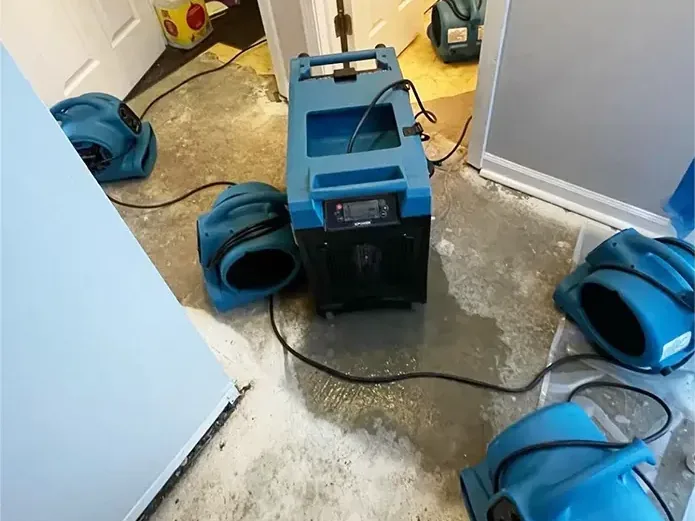
Water near floor outlets or powered equipment requires electrical attention before entry. Heating the surface aggressively or placing household fans without understanding the wet layers can leave the underside unaddressed. The inspection should establish the water source, contamination and assembly before a drying method is chosen for the retained boards.

How the work is held to standard

How hardwood floor water damage is handled

Establish a floor condition record

The inspection records board profile changes, finish condition and the apparent water path. Material identification and accessible construction details help select useful measuring points. Comparison with suitable unaffected areas supports interpretation, while any electrical or contamination concern is addressed before equipment or contents move across the affected surface.

Evaluate retention and access together

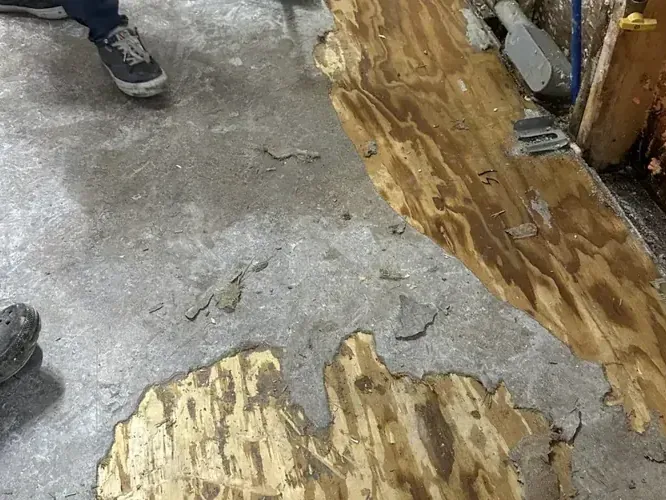
Sound boards may be candidates for controlled drying when the assembly allows effective treatment. Damaged attachment, separation or contaminated layers can require removal. The scope explains that decision and any opening needed to reach the substrate, so the owner understands why a small visible patch may involve additional work beneath it.

Track both boards and underlying material

Drying is monitored across the assembly rather than judged only by room air or surface appearance. The technician observes whether board movement changes as moisture decreases and whether the substrate responds at a similar pace. Persistent wet locations can prompt adjustments to access or equipment rather than premature finish work.

Hand the results to the flooring trade

The closing record identifies treated areas, retained layers and any removal still required. The flooring specialist uses those findings alongside product requirements to decide on repair, refinishing or replacement. That coordinated handoff keeps cosmetic decisions connected to the material condition and makes outstanding substrate preparation clear before installation begins.

Typical cost ranges

What does hardwood floor water damage cost in Stonecrest, GA?

Hardwood floor water damage work in Stonecrest depends on the installed assembly, affected area and access to moisture beneath the boards. These planning ranges cover restoration assessment and treatment. Sanding, replacement flooring and product specific substrate preparation should be separately itemized by the relevant trade before repairs proceed.

Localized board exposure

$1,000 to $1,900
  • Defined wet section
  • Accessible edge readings
  • Focused moisture reduction

Floor and substrate moisture

$1,900 to $3,400
  • Layer comparison checks
  • Additional access decisions
  • Repeated assembly monitoring

Extended floor assembly loss

$3,400 to $5,000
  • Broader removal planning
  • Connected floor evaluation
  • Repair readiness documentation

Water category, wet area, material depth and the delay before extraction affect the scope. The water damage cost calculator gives a planning range; the assessment sets the work required.

The process

Hardwood Floor Water Damage from assessment to dry materials

Hardwood water damage restoration evaluates the boards, fastening or adhesive system and the substrate affected by moisture. The plan distinguishes sound material suitable for controlled drying from damaged flooring that needs removal before the assembly can recover.

  1. Source assessment

    The source repair record identifies the entry point and the correction performed.

  2. Material decisions

    Photos and moisture mapping define the affected assembly before removal or replacement.

  3. Drying verification

    Repeat measurements compare the affected materials with suitable dry references.

  4. Repair handoff

    The final scope separates completed drying from finish work and reconstruction still required.

A wood floor can change after the open water has been removed. Board edges may lift as the underside remains wetter than the exposed face, and a doorway can show movement before the rest of the room looks affected. Stonecrest floor restoration records that pattern, checks the installed assembly and measures moisture before deciding whether drying, selective opening or replacement is the appropriate next task.

Compare the finish with the layers beneath it

The floor may be solid wood, an engineered product or another wood based assembly, with a fastening or adhesive system that affects access and recovery. Inspection identifies what is actually installed. Readings at the face, accessible edges and substrate help explain whether the visible movement is part of a wider moisture difference through the floor.

  • Doorway transitions can reveal water entering an adjoining floor assembly.
  • Attachment failure may require a different decision from superficial finish discoloration.
  • Wet underlayment can keep the underside damp after the room air improves.
  • Reference readings help interpret progress in comparable unaffected material nearby.

Use local access details without guessing construction

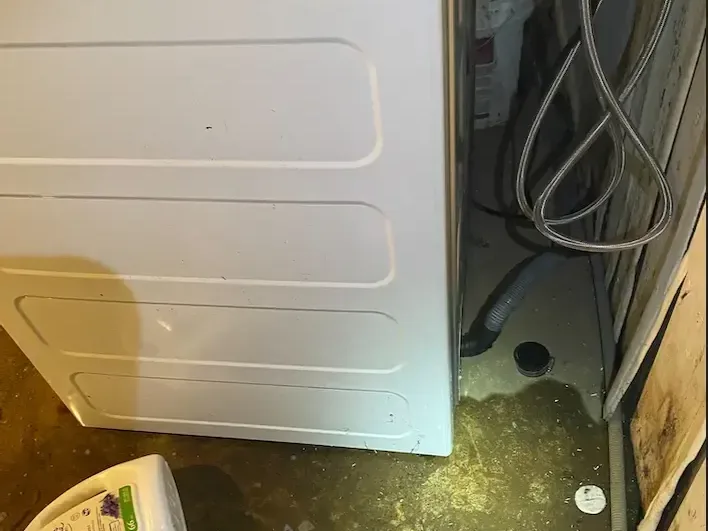
Flat Rock Archives and Everett Park are local landmarks, while Panola Road provides another location reference. At the property, the service request should identify floor changes, the original release and whether an underside or edge is accessible. Those details help establish a practical measurement plan for the specific floor.

A wet floor over concrete needs different access considerations from flooring over a framed assembly. The restoration scope should explain any covering removal needed to reach a persistently wet layer. It should also distinguish cleaning after contaminated contact from moisture reduction, because drying cannot reverse every form of physical damage or make every affected product suitable to retain.

Delay the cosmetic decision until conditions settle

Controlled drying can be evaluated through repeated measurements and observations of board movement. The record should show whether the flooring and substrate are responding together. A persistent difference may require revised access, while damaged attachment or material separation can change the retention decision even when moisture readings improve.

The flooring contractor should evaluate the condition before sanding, refinishing or installing replacement boards. Product requirements and the suitability of the substrate belong in that decision. Restoration documentation identifies the water source, treated area and retained assembly condition, giving the next trade a basis for planning repairs. The objective is a sound floor system, with appearance addressed after the moisture and material questions have been resolved.
Service area

Hardwood floor water damage coverage in Stonecrest

Properties near Flat Rock Archives, Everett Park and Panola Road can describe board movement and the water source. The inspection follows the installed floor assembly, including transitions, accessible edges and any room connected below it.

The same service nearby: hardwood floor water damage in Clarkston, Avondale Estates, Scottdale.

Water damage restoration in Stonecrest · every town covered

Questions

Hardwood Floor Water Damage questions in Stonecrest

Can cupped boards flatten during drying?

Some movement can change as moisture conditions improve, but material damage and attachment affect the outcome. The assessment should track both readings and board shape. A flooring specialist can then evaluate repair options after the assembly has reached an appropriate condition.

Should sanding begin as soon as the floor looks dry?

The underside and substrate may still hold moisture after the exposed face changes. Sanding too early can remove material while the floor is still moving. The flooring trade should evaluate the moisture condition and board stability before selecting the finish repair.

Why take readings beyond visibly damaged boards?

Moisture can spread beneath connected flooring before the surface changes. Additional measuring points help define the affected boundary and provide useful comparisons. That map also shows whether a neighboring doorway or wall base needs attention during the restoration work.

Does every wood floor use the same drying approach?

Different products, attachment systems and substrates respond differently. The installed assembly should be identified before equipment or removal decisions are made. Access to wet underlying layers is especially important when the visible boards conceal material that cannot be dried effectively in place.

Can an intact finish hide a wet substrate?

Yes. Surface appearance alone does not describe moisture beneath the boards. Accessible edge checks and appropriate measurements help evaluate the layers below. The repair plan should explain any additional access needed before new finishes or replacement flooring are considered.

What information helps a flooring repair contractor?

The contractor benefits from the source history, material identification, removal locations and final moisture results. Notes about board movement during drying are also useful. Together these details support decisions about refinishing, replacement and the preparation needed beneath the finished floor.

Water loss support

Make flooring repairs from the assembly condition

Measured progress and a clear handoff can help the flooring trade choose the next step after water removal and drying are addressed.

(888) 532-4616Arrange a wood floor condition assessment
(888) 532-4616Water help, 24/7