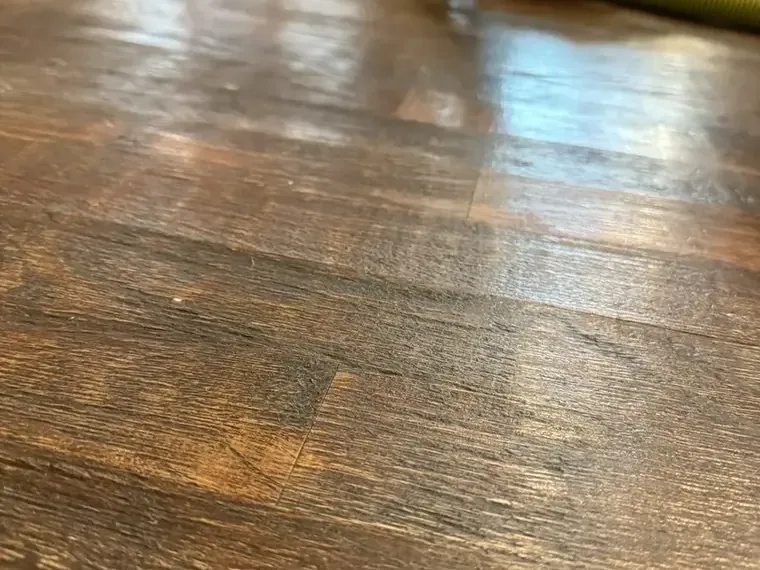
A hardwood floor can change shape while moisture remains beneath its finished face. Cupping, darkened seams or a lifted section deserve an assessment of the whole assembly before cosmetic repair begins. Hardwood restoration in Avondale Estates records the installed flooring, the water exposure and the substrate condition. The goal is a practical drying and repair decision for the floor present in the affected room.
Architecture and the installed floor are different questions
Many Avondale Estates houses were designed in a Tudor style. A property near Lake Avondale still needs identification of the actual floor product and construction before a treatment method is selected. Solid boards, layered products and different substrates respond differently to water. The inspection records what is installed and compares affected material with suitable unaffected areas of the same assembly.
- Measure the boards and accessible substrate instead of the surface alone.
- Record lifted edges and changes at transitions into neighboring floor coverings.
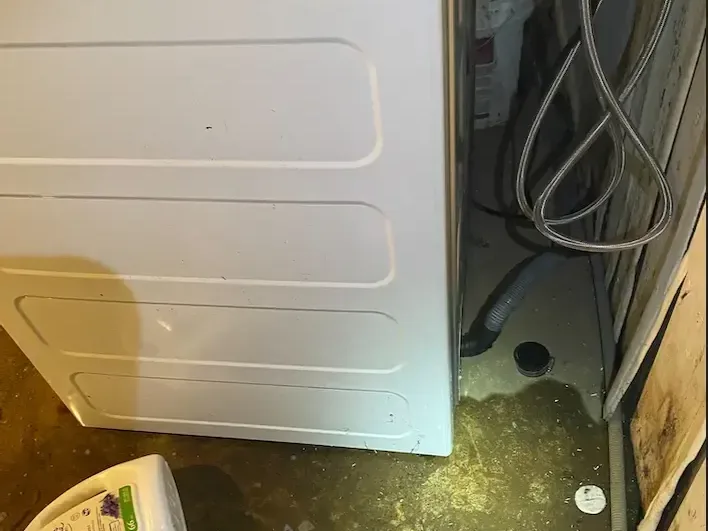
- Inspect beneath rugs or furniture that concealed the original wet area.
- Keep refinishing decisions separate from the first emergency water removal work.
Access beneath the boards can determine the scope
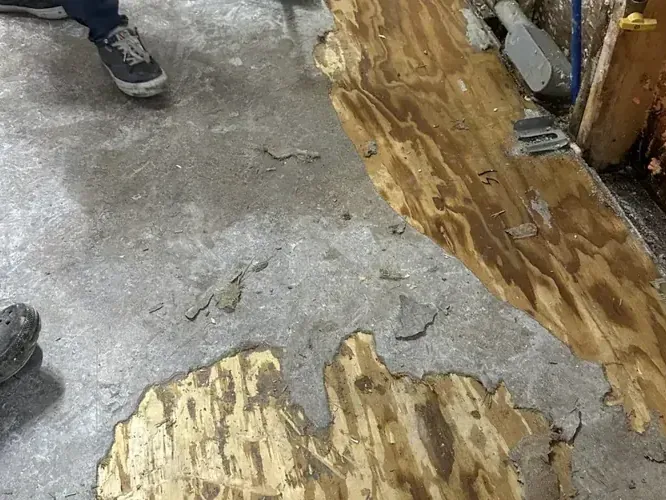
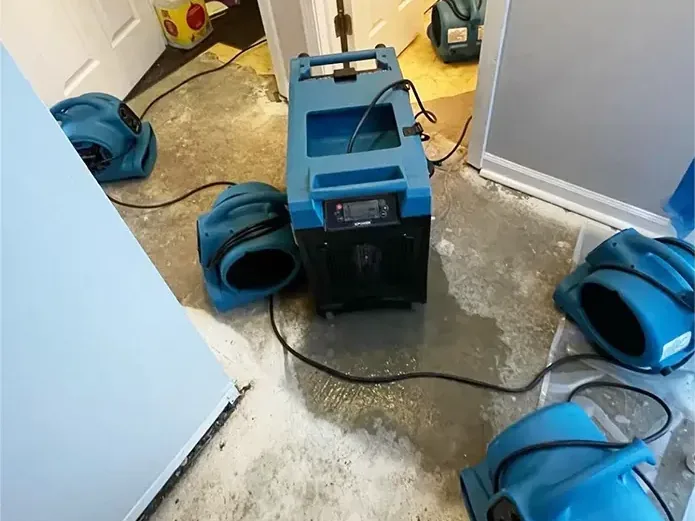
Water may remain trapped between the floor finish and substrate after the room is extracted. Drying options depend on access, water condition and physical damage. Some sections may remain for treatment, while others require lifting or replacement to expose moisture or address contamination. The proposed work should explain those decisions rather than promise that every board can be saved.
For a home in the historic district or near Lake Street, finish repair planning also needs attention to the applicable local permit check. The city includes historic district work among activities requiring a permit. A clear record of affected boards and any removed material helps the owner discuss the proposed reinstatement with the repair trade.
Let stable measurements inform the final floor decision
Repeat readings show how the flooring and substrate respond during drying. Surface shape may continue changing as moisture redistributes, so refinishing should follow a check of the assembly rather than the disappearance of the puddle. The handoff should state which sections were treated, which remain damaged and what the flooring trade needs to evaluate. Related structural drying addresses adjoining wet walls or framing that can affect the room's recovery.