Water damage response across DeKalb CountyWater and sewage cleanup · IICRC S500
Moisture inside building materials

Structural Drying in Avondale Estates

The room can feel comfortable while its building materials remain wet. Structural drying follows moisture inside retained construction, using measured progress to adjust equipment and determine when affected assemblies are ready for the repair stage.

(888) 532-4616Arrange measured building drying
Material specific goals Repeat moisture mapping Documented repair handoff
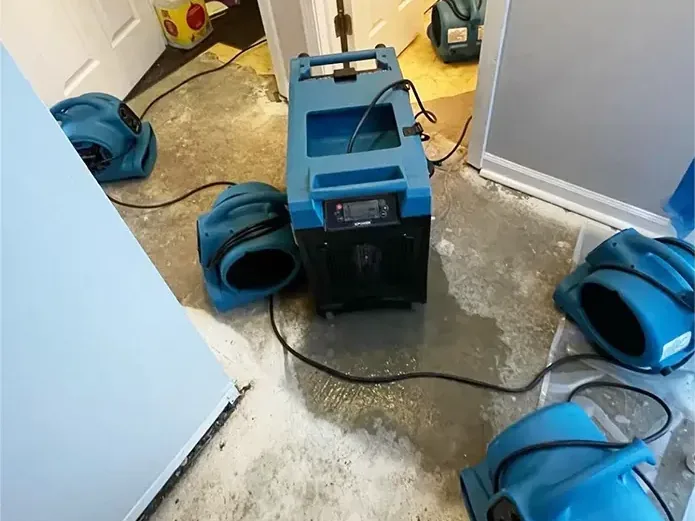
Air movers and a dehumidifier arranged for interior drying
Treatment targetRetained wet construction
Starting recordMaterial moisture map
Adjustment basisMeasured drying progress
Closing decisionAssembly goals met
First steps

Structural Drying: what to do now

  1. 1.Identify what remains wet after cleanup

    Identify the source, removed finishes and opened cavities. List retained wet assemblies and any restrictions on inspection access.

  2. 2.Keep equipment access and power clear

    Preserve the planned space around machines and avoid relocating cables or hoses. Explain occupied routes and sensitive contents before setup so the drying arrangement can account for how the building is being used.

  3. 3.Report changes during the treatment period

    Fresh dripping, new stains or unexpected equipment interruption should be reported promptly. Those changes can affect the moisture trend and may require source investigation or an adjustment to access and equipment placement inside the work area.

  4. 4.Request the final material check

    Before finishes close the opened construction, check the drying record and any outstanding wet areas. The repair handoff should distinguish completed moisture treatment from damaged materials or source work that still need attention.

Safety before structural drying

Drying equipment needs a safe electrical arrangement and clear working access. Occupants should keep cables, hoses and machines in their planned positions unless the restoration team directs a change. Water near electrical components or unstable opened finishes must be addressed before the room is used for routine access during treatment.

Contaminated materials require appropriate removal and cleaning before ordinary drying activity proceeds around retained construction. Turning up household heat or aiming a fan at an unassessed cavity does not resolve those conditions. Keep the treatment area separated as instructed and report fresh water entry promptly so the source and equipment plan can be checked.

How the work is held to standard

How structural drying is handled

Build the initial material map

The inspection identifies retained wet construction and records measurements at meaningful points within each affected assembly. Source status and completed cleanup are checked before equipment placement is finalized. Comparison areas help establish practical goals, while inaccessible sections are listed explicitly so the drying scope includes a plan to evaluate them before finish reconstruction closes access.

Create the conditions for moisture removal

Air movement and moisture control equipment are arranged around the material map, available power and safe building access. Selective opening may be required where a finish blocks treatment of a wet cavity. The setup also accounts for contents and occupied areas, with instructions that explain which equipment and access arrangements need to remain in place.

Use readings to adjust the treatment

Followup measurements show how the actual materials respond. Uneven progress can lead to equipment repositioning, a change in the drying arrangement or further investigation of a concealed wet layer. The record should explain those changes so the owner understands why treatment continues in one area even when another part of the room has improved.

Confirm the endpoint before enclosure

The final check compares the affected materials with their drying goals and identifies any condition that still needs attention. Completion documentation lists treated areas and outstanding repair work rather than relying on a room's appearance. That handoff allows the reconstruction trade to plan replacement finishes around measured material conditions and the scope of any remaining source correction.

Typical cost ranges

What does structural drying cost in Avondale Estates, GA?

Structural drying costs in Avondale Estates follow the volume of wet construction, access to concealed layers and complexity of the equipment setup. The planning ranges below describe different treatment scopes. Material removal, contamination cleanup and reconstruction should remain identifiable alongside the drying portion of the estimate.

Contained room drying

$1,000 to $2,000
  • Accessible retained materials
  • Compact equipment layout
  • Focused reading locations

Several connected assemblies

$2,000 to $3,800
  • Multiple material types
  • Broader cavity access
  • Connected room monitoring

Complex or extensive drying

$3,800 to $6,000
  • Difficult concealed layers
  • Expanded equipment arrangement
  • Detailed progress tracking

Water category, wet area, material depth and the delay before extraction affect the scope. The water damage cost calculator gives a planning range; the assessment sets the work required.

The process

Structural Drying from assessment to dry materials

Structural drying removes retained moisture from building materials after source control and necessary cleanup. It combines access to wet assemblies, managed air movement and moisture removal, with repeated readings that show whether the treatment is reaching its goals.

  1. Source assessment

    The source repair record identifies the entry point and the correction performed.

  2. Material decisions

    Photos and moisture mapping define the affected assembly before removal or replacement.

  3. Drying verification

    Repeat measurements compare the affected materials with suitable dry references.

  4. Repair handoff

    The final scope separates completed drying from finish work and reconstruction still required.

Tudor style houses are part of the city's architectural character, and each affected interior still presents its own combination of finishes and cavities. Structural drying in Avondale Estates begins with those actual materials. The treatment plan records what became wet, what remains after necessary removal and how moisture can leave the assembly. Equipment then serves that plan instead of becoming a substitute for inspection.

Measure materials instead of judging room comfort

A dry feeling room tells little about moisture inside framing, layered floors or insulated walls. Measurements should identify affected points and suitable comparison areas, then follow the same material locations through treatment. That record makes progress visible and helps distinguish a slow drying layer from an area receiving new water. It also gives a practical reason for equipment changes or additional access.

  • Record the construction layers that remain inside the treatment boundary.
  • Check accessible cavities where finishes can hide a wet pocket.
  • Compare repeat readings before deciding to reduce or remove equipment.
  • List any inaccessible material that still needs inspection before enclosure.

Match the drying arrangement to the building use

A home near Lake Avondale and a studio on Franklin Street can have very different occupied access needs. Little Tree Art Studios contains multiple artist studios and music rehearsal space within a warehouse. Where working areas or stored contents share the building, equipment placement must account for traffic, protected belongings and separation between wet construction and space proposed for continued use.

Historic district work appears among the city's permit requiring activities. When drying leads to reconstruction in that setting, the repair trade should check the proposed scope. The moisture record can show which assemblies were opened, what was retained and why finish replacement should follow the documented drying endpoint rather than a calendar assumption.

Leave a usable handoff for reconstruction

The closing assessment should identify readings checked, areas treated and remaining damaged finishes. Drying completion and cosmetic repair are distinct milestones: a dry wall cavity can still need new finish material. If the initial release remains uncertain or another wet area appears, that concern belongs in the record. The town restoration overview connects the drying stage with source specific cleanup and the next decisions for the property.
Service area

Structural drying coverage in Avondale Estates

Structural drying serves Avondale Estates homes and businesses around the historic district, Franklin Street and Lake Avondale. Describe the water source, opened materials and any rooms that remain occupied while the affected construction receives treatment.

The same service nearby: structural drying in Clarkston, Scottdale, North Decatur.

Water damage restoration in Avondale Estates · every town covered

Questions

Structural Drying questions in Avondale Estates

Why does a room need drying after extraction?

Extraction removes accessible liquid water, while absorbent construction can retain moisture inside its layers. Structural drying addresses that remaining moisture. The inspection identifies the materials involved and establishes how readings will be used to track their condition through the next stage of treatment.

Can equipment be turned off because the room feels dry?

Room comfort does not show the moisture inside a wall or floor assembly. Equipment changes should follow the restoration plan and material readings. Interrupting treatment without coordination can affect progress, so occupants should discuss noise, access or power concerns with the team managing the setup.

Does every wet wall need to be opened?

Access depends on the assembly, water condition and effectiveness of drying through the available surfaces. Some areas can remain intact, while others require selective opening or removal. The scope should explain the observed condition and why additional access is necessary for a particular section.

What does a useful drying record contain?

It should identify the affected assemblies, measurement locations, progress and relevant equipment changes. Source status and inaccessible areas also belong in the record. At completion, those details help distinguish materials that reached their goals from damaged finishes or repairs still awaiting work.

Can a building remain occupied during drying?

Occupancy depends on contamination, safe access, electrical arrangements and separation from the work area. Equipment noise and placement also affect practical use. The assessment should address the actual layout and occupants before deciding which portions of the property can remain in routine use.

Does completed drying mean all repairs are finished?

Drying addresses retained moisture, while damaged finishes may still need replacement or restoration. The completion record should state that remaining work clearly. A repair trade can then plan the next stage using the material condition and the documented areas opened or removed during treatment.

Water loss support

Let measurements support the next construction decision

A documented moisture check connects equipment removal with repair planning and identifies any assembly that still needs attention before new finishes are installed.

(888) 532-4616Request a structural moisture check
(888) 532-4616Water help, 24/7