Water damage response across DeKalb CountyWater and sewage cleanup · IICRC S500
Pooled water removal

Water Extraction in Avondale Estates

Standing water hides the condition of the floor beneath it. Extraction clears accessible water so the next decisions can address saturated layers, room edges and the route of the release.

(888) 532-4616Arrange removal of pooled water
Accessible water removal Floor edge inspection Followup moisture readings
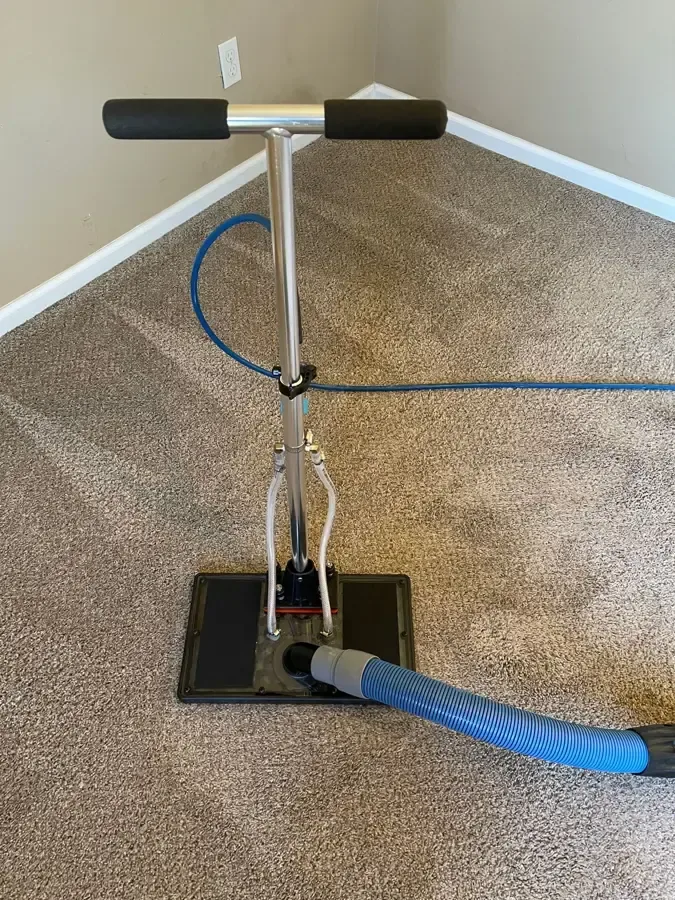
Carpet extraction wand attached to a blue recovery hose
Starting conditionWater still pooled
First checkSafe floor access
Removal targetAccessible liquid water
Next decisionWet material treatment
First steps

Water Extraction: what to do now

  1. 1.Describe the water and entry

    State which room contains standing water, whether the supply has stopped and whether sewage or outdoor runoff is involved. Mention furniture or access restrictions before equipment arrives.

  2. 2.Keep access on dry flooring

    Avoid stepping through pooled water to move belongings or reach controls. Establish a dry entry route where possible and keep unaffected occupants away from the working area.

  3. 3.Save a useful visual record

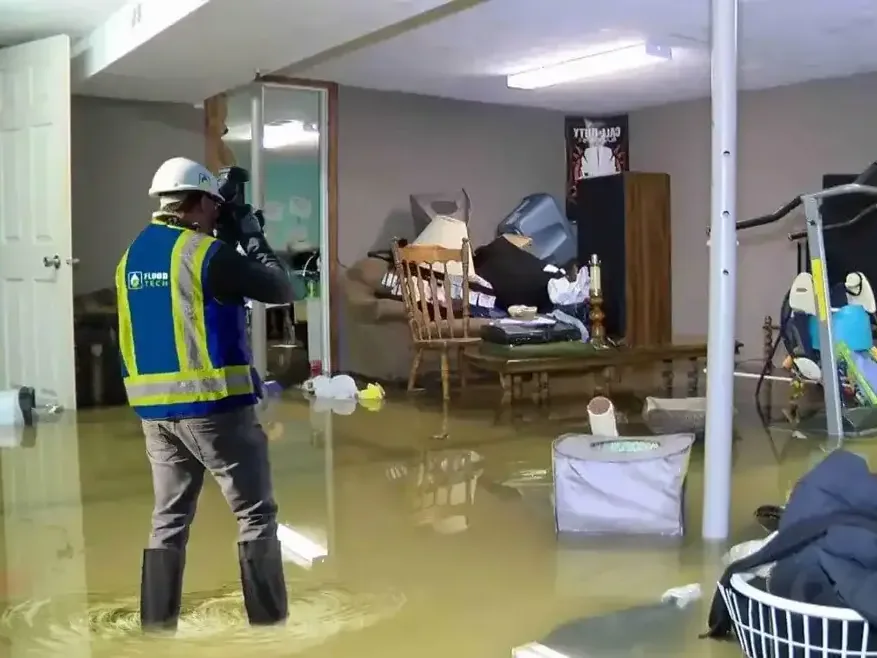
    Photograph the overall floor and the apparent source from a safe location. Include adjoining doorways so later comparisons show the original spread across connected spaces.

  4. 4.Identify remaining wet layers

    After removal, check the materials still needing attention. Carpet cushion, floor joints and wall bases can remain wet even when the visible water has disappeared.

Safety before water extraction

Standing water near energized equipment requires restricted access. An owner should stay outside the affected area when reaching a shutoff would involve walking through water. A sagging ceiling or an unstable floor also changes the entry plan. Electrical and structural hazards need attention before recovery equipment moves into the room.

Water containing sewage or outdoor contaminants needs a controlled cleanup method. Household vacuums and ordinary fans are unsuitable for that task. Keep people and pets from tracking residue into clean spaces, and describe the source when requesting service so the equipment and material handling match the actual conditions.

How the work is held to standard

How water extraction is handled

Classify what needs collection

The inspection considers the water source, contamination and safe entry conditions before selecting recovery equipment. The affected room is mapped so accessible pools, saturated finishes and blocked areas receive separate attention. That initial record establishes what extraction can address and what will require a different treatment.

Recover water without spreading it

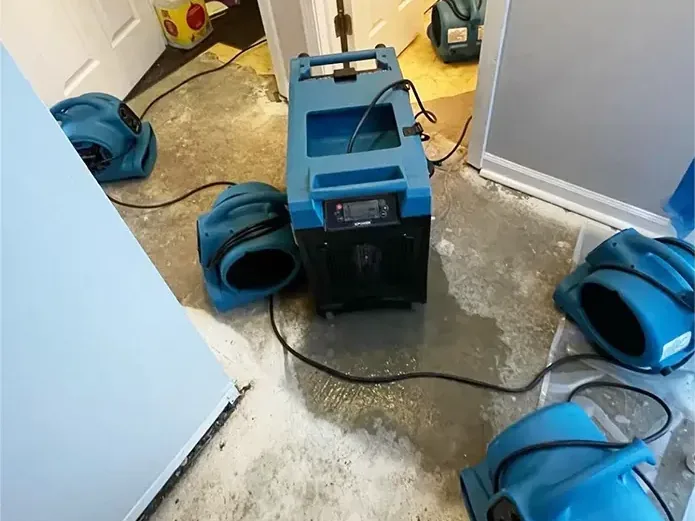
Recovery hoses and tools are arranged around the actual room layout. Standing water is collected while the team manages doorways, clean traffic routes and affected contents. Multiple passes may be needed where an absorbent surface continues releasing water, with attention to seams and perimeter areas.

Inspect beneath the apparent dry surface

Material measurements follow extraction rather than relying on the absence of puddles. Carpet assemblies, wall bottoms and adjoining floor coverings are checked for retained moisture. Where access prevents a useful assessment, the proposed opening or removal is explained before the next stage begins in that area.

Define the next drying scope

A removal record should identify the areas extracted, materials removed and surfaces that remain wet. Drying equipment and followup checks then target those remaining assemblies. Source repair and finish reconstruction stay visible as separate tasks so the owner understands what is complete and what still needs work.

Typical cost ranges

What does water extraction cost in Avondale Estates, GA?

Water extraction in Avondale Estates is priced around access, affected area and the work needed to recover water from materials. Planning ranges below cover different removal scopes. Contamination, contents movement and drying after extraction can change the final written estimate.

Small accessible area

$700 to $1,400
  • Open floor access
  • Limited wet contents
  • Localized recovery work

Several wet rooms

$1,400 to $2,800
  • Connected room spread
  • Additional hose routing
  • Broader floor inspection

Extensive water removal

$2,800 to $4,500
  • Large pooled areas
  • Complex material access
  • Expanded recovery setup

Water category, wet area, material depth and the delay before extraction affect the scope. The water damage cost calculator gives a planning range; the assessment sets the work required.

The process

Water Extraction from assessment to dry materials

Extraction uses recovery equipment to remove pooled water and reduce moisture held in accessible materials. The work also identifies soaked layers that need removal or a separate drying setup after the floor clears.

  1. Source assessment

    The source repair record identifies the entry point and the correction performed.

  2. Material decisions

    Photos and moisture mapping define the affected assembly before removal or replacement.

  3. Drying verification

    Repeat measurements compare the affected materials with suitable dry references.

  4. Repair handoff

    The final scope separates completed drying from finish work and reconstruction still required.

A puddle spreading across a room can enter joints, collect beneath furniture and soak absorbent floor layers. Extraction in Avondale Estates starts by identifying where that water is coming from and how far it has traveled. At a property near Lake Street, the inspection follows the room itself, including door thresholds and adjoining surfaces where the visible wet edge may end before the moisture does.

Clear the floor before judging the layers

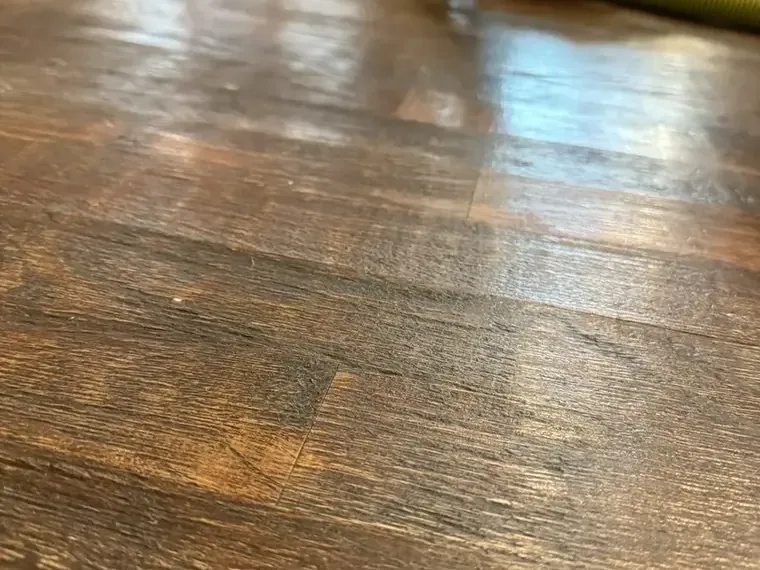
Visible water removal provides access for a closer inspection. Carpet may hold water in its backing and cushion, while a hard floor can conceal moisture at seams or underneath a covering. A room that stops reflecting light can still need substantial drying. The extraction scope therefore records which materials remain wet after the accessible pool has been removed and which areas need further opening.

  • Check transitions where water moves from one flooring material into another.
  • Inspect the bases of cabinets that conceal the floor perimeter.
  • Record wet contents that blocked access during the first removal pass.
  • Compare nearby dry surfaces before defining the remaining treatment area.

Separate a public disruption from indoor removal

July 19, 2025: DeKalb County reported repair progress on broken water mains on Covington Road. The notice directed impacted residents to Avondale Elementary School for bottled water. That public response concerns water infrastructure. A restoration visit inside a building instead assesses the specific release, water condition and materials that require extraction or drying.

For a home or business around Town Green, the immediate practical questions are access to the wet room, the status of the source and the condition of the floor. Equipment placement should preserve a usable route through unaffected space. Hoses and collected water must be managed so the removal work does not create another wet area.

Plan beyond the last extraction pass

After the accessible water is collected, measurements establish the remaining moisture boundary. Saturated layers may need lifting or removal to expose the material beneath. Contents can require separate cleaning and drying decisions. A written handoff should distinguish completed extraction from ongoing structural drying and any repairs needed before the room returns to normal use.
Service area

Water extraction coverage in Avondale Estates

Water extraction requests cover Avondale Estates properties around Lake Street, Covington Road and the Town Green area. Describe the wet room, available access and whether the source continues to discharge into the building.

The same service nearby: water extraction in Clarkston, Scottdale, North Decatur.

Water damage restoration in Avondale Estates · every town covered

Questions

Water Extraction questions in Avondale Estates

Does extraction include the whole drying process?

Extraction collects accessible water. Drying addresses moisture retained inside materials after collection. The written scope should explain both stages when both are needed, including which assemblies remain wet and how their progress will be checked before finish repairs begin.

Can a normal household vacuum remove this water?

A household vacuum is unsuitable for a standing water loss and may create electrical hazards. Recovery equipment must match the water condition and floor materials. Restrict access until the source and electrical conditions have been assessed for safe removal work.

Will carpet always need to be discarded?

Carpet decisions depend on the water condition, backing, cushion and time exposed. Some assemblies can be treated, while contaminated or damaged layers may require removal. The inspection should explain the decision for each affected material rather than applying one answer to the room.

Why check the next room if it looks dry?

Water can pass through a doorway or beneath a covering before it becomes visible on top. Checking adjoining surfaces helps locate that concealed spread. Those readings also establish whether equipment needs to address another area after the first room is extracted.

Should belongings be moved before service?

Only dry items reachable without entering a hazardous area should be moved by the owner. Heavy wet furniture and affected contents may need planned handling. Keeping a record of their original position helps explain surfaces that could not be reached initially.

What makes an extraction estimate change?

Additional wet rooms, contaminated water, difficult equipment access or concealed saturated layers can expand the scope. An updated estimate should identify the newly observed condition and related work, giving the owner a clear basis for understanding changes during removal.

Water loss support

Make the floor accessible for assessment

Extraction opens the way to inspect wet layers and decide which materials need continuing drying or removal.

(888) 532-4616Discuss floor water removal
(888) 532-4616Water help, 24/7