Water damage response across DeKalb CountyWater and sewage cleanup · IICRC S500
Outdoor water entering rooms

Storm Flood Cleanup in Avondale Estates

Floodwater can leave sediment and contaminated materials after the visible pool recedes. Cleanup identifies what entered the building, limits tracking through clean spaces and organizes removal before the remaining construction is dried.

(888) 532-4616Arrange cleanup of flood affected rooms
Contaminated area control Debris and water removal Material drying assessment
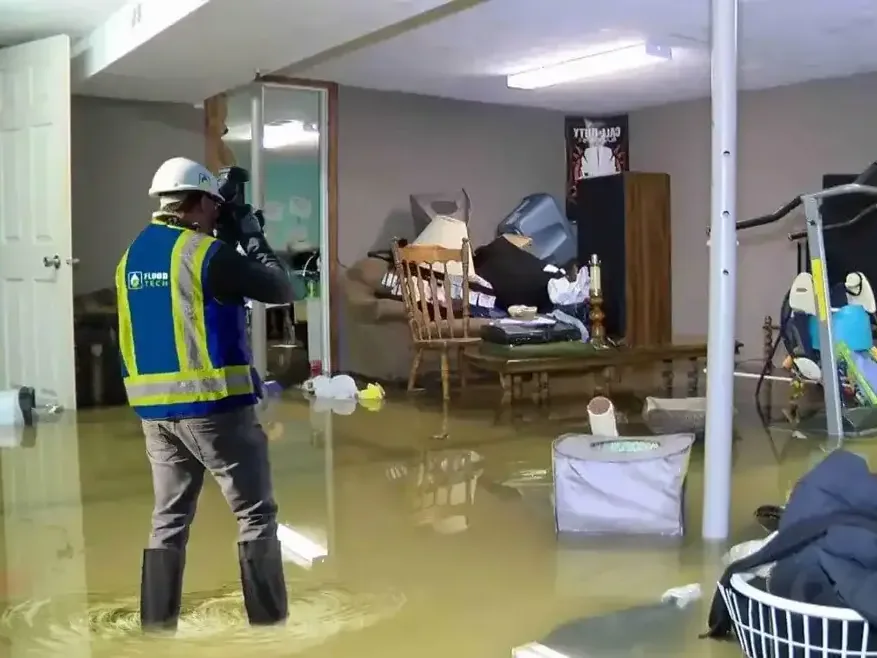
Worker standing in floodwater inside an affected room
Water originOutside the building
Access ruleKeep clean areas separate
Removal focusWater and residue
Drying followsMaterial cleaning decisions
First steps

Storm Flood Cleanup: what to do now

  1. 1.Wait for safe entry conditions

    Avoid entering standing outdoor water or a building with uncertain electrical or structural conditions. Describe access obstacles before service so the assessment can account for hazards outside as well as inside.

  2. 2.Keep affected contents in place

    Do not transfer muddy furniture, rugs or boxes into clean rooms. Record their location and condition from a safe area while controlled handling and a waste route are being planned.

  3. 3.Document how water reached the room

    Photograph the apparent entry and connected wet surfaces when safe. Note whether the outdoor source is still active, because continuing entry changes the removal and drying sequence for the property.

  4. 4.Distinguish cleaning from repair work

    Request a scope that identifies contaminated removal, retained surface cleaning and drying. Reconstruction of finishes or correction of an exterior entry problem should remain visible as separate parts of the recovery plan.

Safety before storm flood cleanup

Stay outside water affected areas when electrical conditions, structural stability or the depth of water make access uncertain. Floodwater can conceal sharp debris and damaged flooring. Children, pets and occupants without protective equipment should remain away from the working area, including rooms where the water has receded but contaminated residue remains.

Do not run ordinary fans across dirty floodwater or carry wet contents into clean living areas. Those actions can spread residue beyond the original entry route. Photograph conditions only from a safe location and describe outdoor access problems when arranging service. Reentry and utility decisions may require the appropriate authorities or trades.

How the work is held to standard

How storm flood cleanup is handled

Assess the entry and contamination boundary

The site assessment identifies how outdoor water reached the interior and where it traveled after entry. Safe access, utilities and contaminated contents receive attention before broad removal begins. The record distinguishes wet rooms from clean space so equipment and waste can move without unnecessarily extending the affected area.

Collect water and remove affected debris

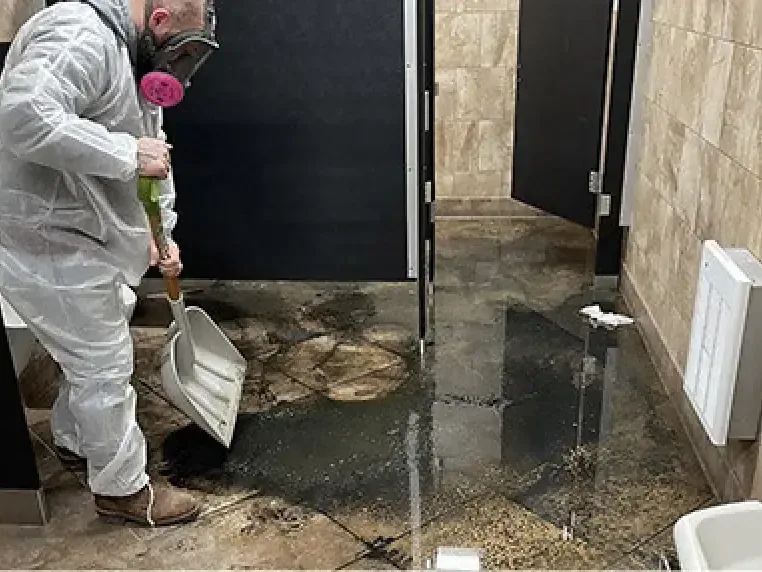
Extraction is coordinated with handling of sediment, damaged contents and porous finishes that require removal. Each material decision considers the water contact and condition of the item. A controlled movement route protects unaffected rooms while openings expose the retained building materials for subsequent cleaning and moisture assessment.

Clean retained surfaces before drying treatment

Exposed surfaces receive the cleaning appropriate to the flood conditions and material involved. The work plan accounts for residue in corners, joints and areas previously covered by furniture or finishes. After that treatment, readings establish where drying is required and which inaccessible sections still need assessment before equipment placement expands.

Track recovery through the remaining construction

Drying measurements follow the retained framing, floor and wall materials through the restoration period. The final check should list cleaned areas, removed materials and any reconstruction or exterior correction still outstanding. That documentation lets the owner separate completed mitigation from the next stage of putting the rooms back into use.

Typical cost ranges

What does storm flood cleanup cost in Avondale Estates, GA?

Storm flood cleanup costs in Avondale Estates reflect contamination, debris, wet materials and safe access. The following ranges describe different interior cleanup scales. Exterior drainage repairs, replacement finishes and specialized contents treatment can require separate estimates after the affected rooms have been inspected.

Contained ground-floor entry

$2,500 to $4,500
  • Limited affected room
  • Accessible debris removal
  • Focused surface cleaning

Several flooded rooms

$4,500 to $8,000
  • Broader contaminated area
  • Multiple material decisions
  • Additional drying zones

Extensive interior flooding

$8,000 to $12,000
  • Complex waste handling
  • Widespread assembly exposure
  • Expanded recovery coordination

Water category, wet area, material depth and the delay before extraction affect the scope. The water damage cost calculator gives a planning range; the assessment sets the work required.

The process

Storm Flood Cleanup from assessment to dry materials

Storm flood restoration handles water that enters from outside and the residue left on interior surfaces. It includes contamination assessment, controlled removal of affected materials, cleaning of retained surfaces and monitored drying of the building assembly.

  1. Source assessment

    The source repair record identifies the entry point and the correction performed.

  2. Material decisions

    Photos and moisture mapping define the affected assembly before removal or replacement.

  3. Drying verification

    Repeat measurements compare the affected materials with suitable dry references.

  4. Repair handoff

    The final scope separates completed drying from finish work and reconstruction still required.

When outdoor water crosses a doorway, the restoration problem includes what the water carried with it. Mud, debris and affected porous materials need attention alongside the pooled water. Storm flood cleanup in Avondale Estates begins with safe entry and a map of the rooms reached by the release. The work sequence separates contaminated removal from treatment of the construction that remains after cleaning.

Separate public drainage concerns from interior recovery

The city holds a municipal separate storm sewer system permit and maintains an illicit discharge detection and elimination program. Its Street and Stormwater Concerns Form provides a reporting route for public concerns. Inside a property near North Avondale Road, the restoration inspection records the actual entry point and affected materials so the cleanup scope remains specific to that building.

  • Document the doorway, wall joint or other apparent entry location.
  • Identify porous belongings contacted by outdoor water before moving them.
  • Record sediment beneath furniture and along the lowest exposed wall edges.
  • Keep contaminated waste movement separate from clean access and storage routes.

Material decisions come before broad air movement

Carpet cushion, damaged wall finishes and other absorbent layers can hold contaminated water after extraction. The assessment determines what requires removal and which retained surfaces can be cleaned. Drying equipment belongs within that planned sequence. Simply evaporating water from a dirty room leaves the residue and affected materials unresolved, even when the surface looks less wet.

Lake Avondale has granite outcrops along its shore, while Town Green is another named setting within the city. At any affected property, the useful flood record concerns the route water actually took through the building. Photos of thresholds, floor edges and room connections help show that route and support decisions about the extent of controlled removal.

Dry the retained structure after cleanup

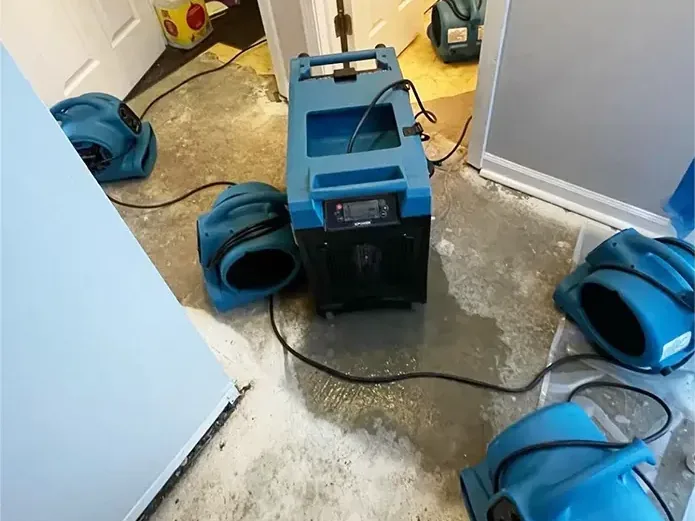
Once affected material handling and surface cleaning are addressed, measurements identify moisture remaining in framing, floors and adjoining construction. Equipment placement follows those readings and the available access. A completion record should distinguish debris removal, cleaning and drying from reconstruction. For wastewater involvement, sewage cleanup adds the specific handling needed for a sanitary release within the broader damage assessment.
Service area

Storm flood cleanup coverage in Avondale Estates

Storm cleanup assessments serve Avondale Estates properties near Lake Avondale, Town Green and North Avondale Road. Report how water entered, which rooms became wet and whether outdoor conditions still prevent safe access to the building.

The same service nearby: storm flood cleanup in Clarkston, Scottdale, North Decatur.

Water damage restoration in Avondale Estates · every town covered

Questions

Storm Flood Cleanup questions in Avondale Estates

Is outdoor floodwater treated like a supply pipe leak?

Outdoor water can carry soil, waste and other contamination into a building. That contact changes cleaning and material handling decisions. The assessment should identify the water source and affected surfaces before choosing extraction methods or deciding which porous finishes can remain.

Can fans be used as soon as the water recedes?

Ordinary fans should not blow across contaminated water or residue. Cleaning and affected material decisions come first within a controlled plan. Drying equipment is then positioned around retained surfaces and the moisture readings that establish what still needs treatment inside the building.

Should flood affected rugs be moved into another room?

Moving them through clean areas can spread contamination. Keep affected items separate and document their condition where access is safe. Planned contents handling determines which items can be treated, how they leave the wet area and where they can be stored.

Does the cleanup include fixing an exterior drainage problem?

Interior restoration and exterior correction are different tasks. The scope should state which removal, cleaning and drying work is included, while the relevant trade or public agency handles the source concern. Coordinating those tasks helps prevent renewed entry during the recovery work.

Why inspect walls above the visible water mark?

Absorbent materials can draw moisture beyond the original contact area, and concealed cavities may remain wet after the floor clears. Measurements around the mark help define the affected boundary and identify material that needs access, cleaning or drying before repair begins.

What information helps with an initial flood request?

Describe the entry point, rooms involved, visible debris and whether outdoor water is still present. Include any electrical concerns or blocked access. Those details help organize the assessment and determine what must be resolved before removal equipment can reach the affected interior.

Water loss support

Organize removal before reopening the rooms

A staged cleanup plan connects affected contents, porous finishes and retained construction with the treatment each needs after outdoor water entry.

(888) 532-4616Request a flood recovery assessment
(888) 532-4616Water help, 24/7