Water damage response across DeKalb CountyWater and sewage cleanup · IICRC S500
Outdoor water inside

Storm Flood Cleanup in Scottdale

Floodwater crossing a threshold brings a different cleanup problem than a supply spill. Scottdale storm recovery starts with safe entry and the water's route, then addresses debris, contaminated materials and hidden floor moisture.

(888) 532-4616Discuss outdoor water entry
Entry path assessment Debris handling Retained structure drying
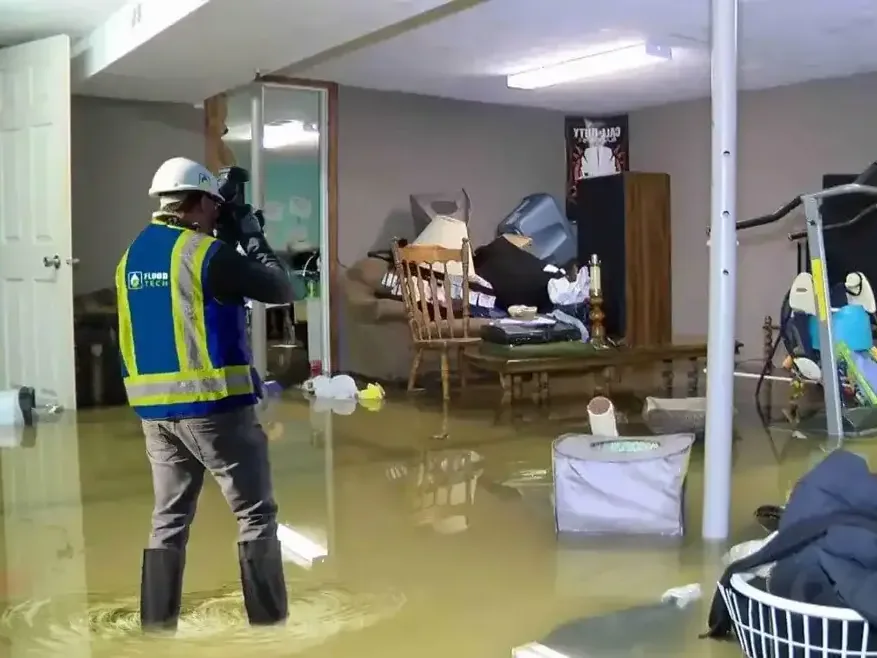
Worker standing in floodwater inside a damaged room
Entry conditionAssess before access
Water routeThreshold to interiors
Cleanup concernDebris and contamination
Retained structureClean before drying
First steps

Storm Flood Cleanup: what to do now

  1. 1.Wait for a safe approach

    Occupants should avoid moving water, flooded approaches and rooms with unknown electrical conditions. A safe initial report identifies the available entrance and visible hazards without crossing the affected space.

  2. 2.Record how water entered

    A safe photograph of the threshold, debris trail or affected opening can help define the event. The property contact should also note whether water is still entering and which rooms it reached inside.

  3. 3.Keep contaminated items contained

    Wet contents should not be carried casually through clean living areas. The recovery plan establishes handling and disposal routes, allowing belongings to be documented while limiting residue transfer onto unaffected floors and furnishings.

  4. 4.Coordinate separate exterior repairs

    If an opening or drainage condition needs correction, the appropriate trade can assess it alongside interior cleanup. The owner should keep those findings with the cleanup records so recurring entry remains visible in the plan.

Safety before storm flood cleanup

Flooded rooms may contain energized equipment, sharp debris and unstable materials. Occupants should stay outside the affected area until access is assessed. Standing outdoor water and moving water also make approach routes unsafe. Photographs and observations should come from a secure location without walking into the flooded space.

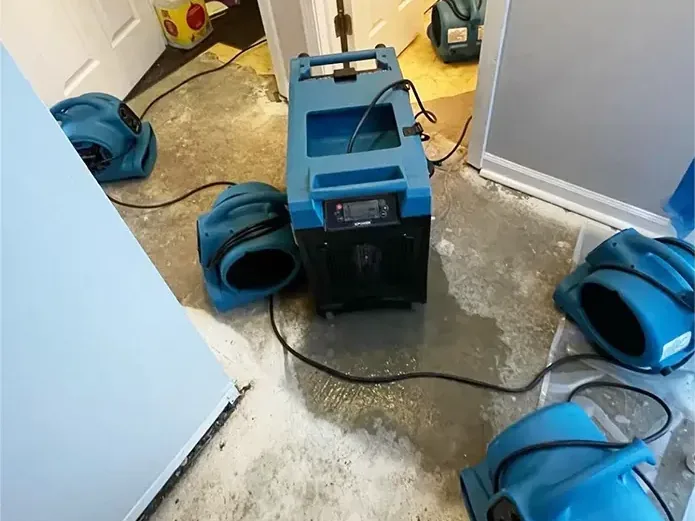
Household fans can spread particles from contaminated surfaces before cleanup is complete. Equipment placement should follow the assessment of water quality, debris and exposed materials. Keeping pets, children and routine foot traffic away from the wet route limits movement of contamination into rooms that have remained clean.

How the work is held to standard

How storm flood cleanup is handled

Establish safe access and the entry footprint

The team examines the exterior approach, electrical concerns and visible debris before interior work begins. Mapping follows the water route through thresholds and connected rooms. Source observations and property access details help distinguish immediate cleanup needs from separate work that may be required outside the building.

Remove water and control contaminated debris

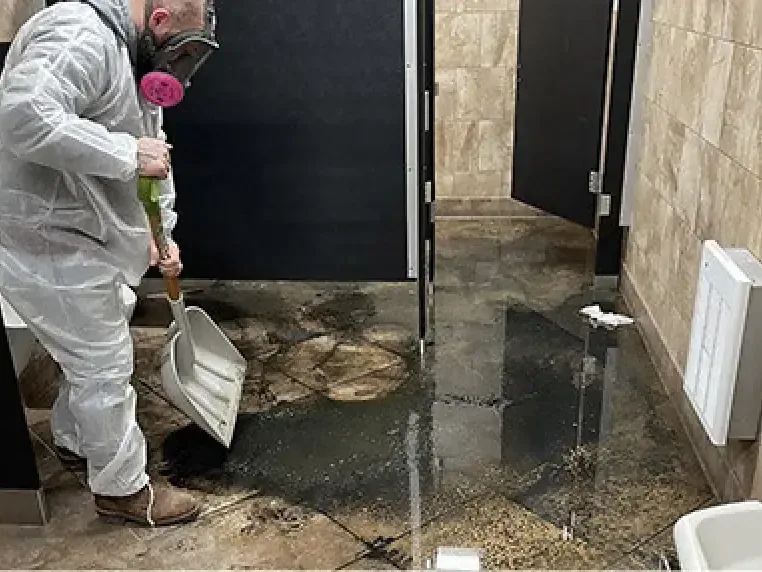
Liquid recovery is coordinated with debris handling and protection of unaffected areas. Materials are assessed for cleaning or removal according to contamination and condition. Contents are documented and moved through a planned route so access improves without carrying residue across clean rooms during the cleanup operation.

Clean retained surfaces before arranging drying

Once damaged absorbent layers are removed, accessible retained surfaces receive the cleaning appropriate to their exposure. The crew checks concealed edges and transitions before placing drying equipment. This sequence keeps the drying plan tied to a prepared assembly rather than circulating air over unresolved contaminated debris.

Measure progress and describe the repair boundary

Repeated material checks establish how the retained structure responds to drying. The closing record lists affected areas, material removal and remaining reconstruction needs. Any unresolved exterior entry issue is kept separate and visible so the owner can coordinate the appropriate correction before the building is fully restored.

Typical cost ranges

What does storm flood cleanup cost in Scottdale, GA?

Storm flood recovery in Scottdale has planning ranges from $2,500 to $12,000 for the scopes below. Contaminated materials, debris volume and the number of connected rooms affect cost. Exterior correction, contents replacement and reconstruction should be identified separately from the cleanup estimate.

Contained ground-floor entry

$2,500 to $4,500
  • Limited entry footprint
  • Accessible debris removal
  • Focused surface cleaning

Several flooded rooms

$4,500 to $8,000
  • Connected contaminated surfaces
  • Additional material removal
  • Expanded drying zones

Extensive interior flooding

$8,000 to $12,000
  • Broad structural exposure
  • Complex contents handling
  • Detailed recovery coordination

Water category, wet area, material depth and the delay before extraction affect the scope. The water damage cost calculator gives a planning range; the assessment sets the work required.

The process

Storm Flood Cleanup from assessment to dry materials

Storm flood cleanup addresses water that enters a building from outside during weather related conditions. The scope follows the actual entry route, evaluates contamination and identifies which exposed materials can be cleaned, dried or need removal.

  1. Source assessment

    The source repair record identifies the entry point and the correction performed.

  2. Material decisions

    Photos and moisture mapping define the affected assembly before removal or replacement.

  3. Drying verification

    Repeat measurements compare the affected materials with suitable dry references.

  4. Repair handoff

    The final scope separates completed drying from finish work and reconstruction still required.

Outdoor water can leave sediment at a doorway and carry finer debris much farther into a room. Finer residue can reach surfaces beyond the visible deposit. Storm flood cleanup in Scottdale follows the path from entry through the lowest connected spaces, paying particular attention to absorbent layers and enclosed edges where contaminated water can remain after the open floor drains.

Describe the entry route at the property

Stone Mountain Freeway forms the northern boundary of the community, and Interstate 285 forms its eastern boundary. DeKalb Industrial Way roughly marks the western edge. These location references help identify a request. At the property, inspection focuses on the actual doorway, opening or other route that admitted water and the surfaces it reached inside.

  • A doorway sill can hide moisture beneath adjacent floor covering.
  • Debris behind stored containers can remain after open areas look clear.
  • Wall bases may absorb water that passed quickly across the floor.
  • Enclosed cabinets need inspection when contaminated water reaches their lowest panels.

Separate recoverable surfaces from damaged absorbent layers

Cleaning a hard exposed surface differs from treating soaked padding or a swollen composite panel. The recovery team considers contamination, duration of exposure and material integrity when deciding what remains. Removal of unsalvageable layers can also create access to retained structural surfaces that need cleaning before drying equipment is introduced.

Contents handling belongs in the same plan. Wet storage boxes, rugs and low shelving can obstruct the work and carry residue into clean areas. Documentation and controlled relocation help preserve a record of the loss while creating space for debris removal, surface cleaning and assessment of the floor underneath.

Dry the cleaned assembly and record remaining work

Once liquid and contaminated debris are addressed, drying focuses on retained materials. Readings at wall bases, floor transitions and accessible structural members show whether the cleaned assembly is progressing. A clear surface does not settle the condition of an enclosed edge, so the drying map follows the original route of water through the building.

The water extraction service can form part of removal, but storm recovery also needs the contamination decisions described above. The final handoff should identify discarded material, cleaned surfaces and drying results. It should also separate the interior recovery work from any exterior repair needed to address the opening or condition associated with the entry.
Service area

Storm flood cleanup coverage in Scottdale

Cleanup assessment is available for affected community properties with outdoor water entry. Useful request details include the entrance used safely, current water movement, visible debris and the rooms reached before the water stopped spreading.

The same service nearby: storm flood cleanup in Clarkston, North Decatur, Avondale Estates.

Water damage restoration in Scottdale · every town covered

Questions

Storm Flood Cleanup questions in Scottdale

Is outdoor floodwater handled like a clean supply leak?

No. Outdoor water can carry debris and contamination into a building. The assessment accounts for that exposure when selecting cleaning, disposal and material retention methods. Ordinary surface drying alone does not address the condition of contaminated absorbent layers.

Can a floor look clean while concealed edges remain affected?

Yes. Water and sediment can collect behind trim, under coverings or beneath storage. Inspection follows those transitions after visible debris is removed. Access and material checks help determine whether additional cleaning or removal is needed before drying proceeds.

Should rugs be moved into an unaffected bedroom?

Wet rugs may carry contaminated water or residue into the destination room. Handling should follow a planned route and placement decision after documentation. Keeping affected contents separate protects clean areas while the crew evaluates cleaning, disposal or other recovery options.

Does cleanup include fixing the entry opening?

Interior cleanup and exterior correction are separate scopes that should be coordinated. The appropriate repair trade evaluates the opening or condition involved. Recovery records should keep that status visible so new finishes are not installed while recurring entry remains unresolved.

What does the crew need to know before arrival?

The property contact can describe safe access, whether water is still moving, electrical concerns and the rooms reached. Photographs from secure ground are useful. No one needs to enter an unsafe space just to provide a more detailed description.

How are repair needs identified after flooding?

Material removal and cleaning expose the retained assembly for inspection. Drying results then show its condition before reconstruction. The final notes should distinguish surfaces ready for repair from areas needing additional investigation, separate exterior work or replacement of affected contents.

Water loss support

Recover the rooms along the water's path

Controlled debris handling and recorded drying results help establish the next repair decisions after outdoor water has entered the building.

(888) 532-4616Discuss the affected flood areas
(888) 532-4616Water help, 24/7