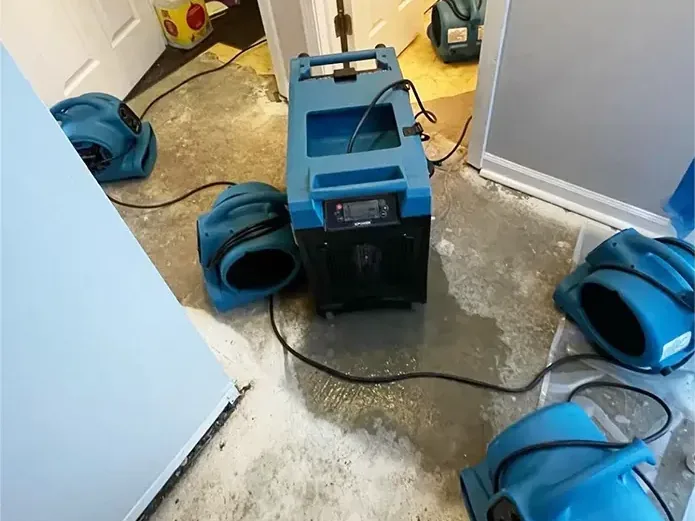
Water damage response across DeKalb CountyWater and sewage cleanup · IICRC S500
Wastewater inside occupied space

Sewage Backup Cleanup in Scottdale

Wastewater inside a room requires controlled handling from the first assessment. Scottdale sewage cleanup separates exposed areas, coordinates the drainage investigation and addresses contaminated materials before drying begins on surfaces that can remain.

(888) 532-4616Discuss wastewater inside the property
Controlled work boundary Contaminated material decisions Cleaning before drying
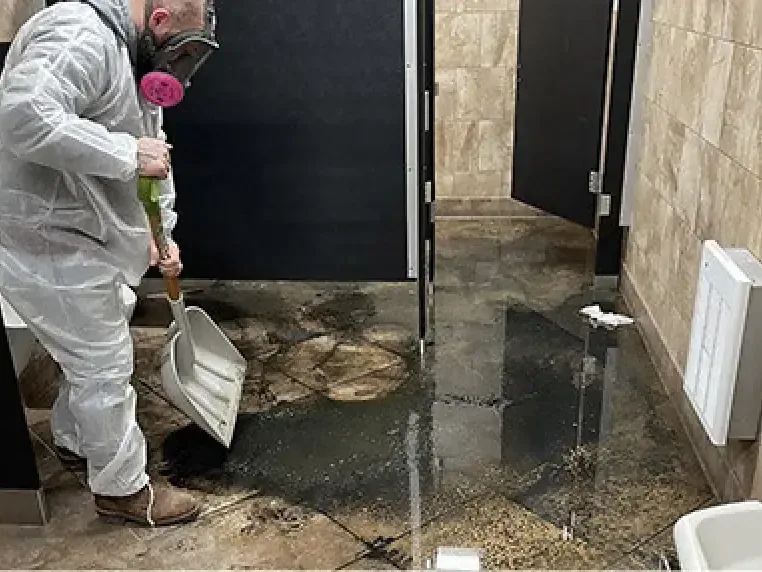
Worker wearing coveralls and a respirator removes wastewater inside a restroom
Contact controlSeparate exposed rooms
Source workCoordinate drain investigation
Material evaluationAssess contamination depth
Recovery orderRemove clean dry
First steps

Sewage Backup Cleanup: what to do now

  1. 1.Restrict the exposed rooms

    Occupants should remain out of areas reached by sewage and prevent routine traffic through them. The first report can describe access constraints and electrical concerns from a clean location while safe entry is assessed.

  2. 2.Coordinate investigation of the backup

    A plumbing professional can evaluate the affected drain, and a county request may be appropriate for a utility concern. The property contact should share those findings with the recovery team so source status remains visible.

  3. 3.Keep contaminated belongings separate

    Affected storage, rugs and furniture need documentation and a handling decision before movement. Carrying them through clean rooms can extend exposure, so relocation and disposal routes should be organized as part of the cleanup work.

  4. 4.Preserve the work and repair record

    Photographs, source findings and itemized recovery notes help explain the event. The owner should retain records of material removal, surface treatment and drying alongside any separate plumbing or utility communications about the cause.

Safety before sewage backup cleanup

Occupants should avoid contact with wastewater and keep children, pets and routine traffic outside the affected rooms. Electrical equipment in the wet area needs safe assessment. Continuing use of affected plumbing can add to a backup, so the source investigation should be coordinated while the interior remains restricted.

Household fans, mops and mixed cleaning chemicals can spread contamination or create additional hazards. Cleanup methods should match the exposure and material. A planned route for equipment, removed finishes and affected belongings protects clean rooms while the team removes wastewater and prepares retained surfaces for further treatment.

How the work is held to standard

How sewage backup cleanup is handled

Define exposure and organize controlled access

The crew examines the reported backup, source investigation and affected room uses. Electrical and contact hazards shape the access plan. The work boundary includes surfaces and contents reached by wastewater, with equipment and disposal routes arranged to protect rooms that have remained outside the exposed area.

Remove wastewater and unsuitable absorbent materials

Recovery equipment removes accessible liquid while the crew evaluates contaminated finishes and contents. Materials that cannot be effectively cleaned are identified for controlled removal. Opening those layers reveals retained structural surfaces, and any newly discovered spread is documented before the recovery boundary or disposal scope expands further.

Treat retained surfaces and verify cleaning access

The exposed assembly receives cleaning appropriate to the contamination and materials present. Enclosed edges and junctions are reviewed so residue is not simply hidden behind the next finish. The preparation stage establishes where drying equipment can work effectively and which areas still require access or additional material decisions.

Dry retained materials and identify remaining repairs

Material readings track moisture removal after the cleaning work has prepared the assembly. The completion record brings together treated areas, disposal decisions and drying observations. It also identifies the status of separate source correction, allowing the property contact to plan reconstruction with a clear understanding of outstanding plumbing or utility work.

Typical cost ranges

What does sewage backup cleanup cost in Scottdale, GA?

Sewage recovery planning in Scottdale ranges from $2,000 to $9,000 for the scopes shown. The exposed area, contamination within absorbent materials and controlled disposal needs influence cost. Drain repair, utility work and reconstruction should be separated from interior removal, cleaning and drying in the estimate.

Contained sanitary spill

$2,000 to $3,500
  • Limited exposed area
  • Controlled wastewater removal
  • Accessible surface treatment

Several contaminated areas

$3,500 to $6,000
  • Connected room exposure
  • Additional absorbent removal
  • Expanded cleaning access

Extensive Category 3 loss

$6,000 to $9,000
  • Broad material contamination
  • Complex disposal route
  • Extensive structural recovery

Water category, wet area, material depth and the delay before extraction affect the scope. The water damage cost calculator gives a planning range; the assessment sets the work required.

The process

Sewage Backup Cleanup from assessment to dry materials

Sewage backup recovery addresses wastewater and the interior materials it contacted. Removal, disposal, surface cleaning and drying are planned together, while the plumbing or utility investigation determines the source correction needed to prevent further release into rooms.

  1. Source assessment

    The source repair record identifies the entry point and the correction performed.

  2. Material decisions

    Photos and moisture mapping define the affected assembly before removal or replacement.

  3. Drying verification

    Repeat measurements compare the affected materials with suitable dry references.

  4. Repair handoff

    The final scope separates completed drying from finish work and reconstruction still required.

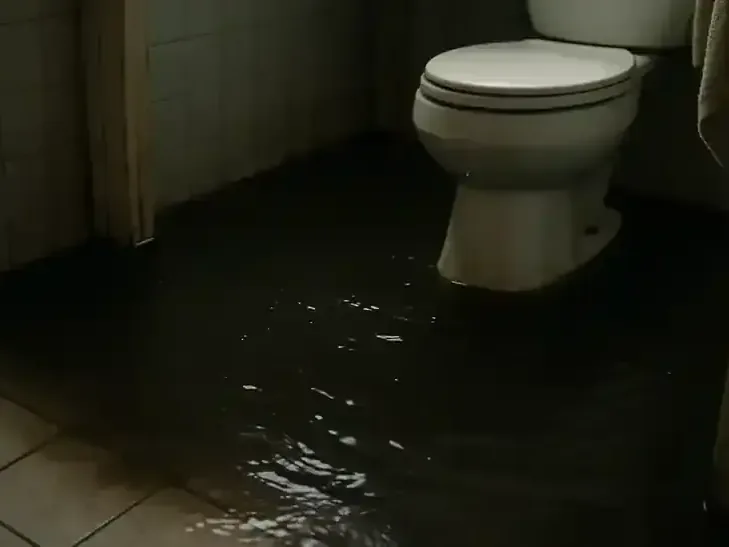
A sewage backup can expose floor coverings, low furniture and wall bases before anyone can stop the release. Removing the visible wastewater is only part of the recovery. Sewage cleanup in Scottdale establishes a controlled work area and evaluates everything the water contacted, including absorbent layers and enclosed spaces that may retain contamination after the room appears clear.

Separate the utility request from interior recovery

DeKalb County Department of Watershed Management provides water and wastewater services throughout the county. DeKalb County publishes an online form for water or sewer repair, maintenance and construction requests. Those channels address utility matters. Interior recovery deals with the wastewater, damaged finishes and exposed belongings inside the affected property while the source is being investigated.

  • Contaminated padding can remain hidden beneath an apparently cleaner carpet surface.
  • Low cabinet panels may absorb wastewater into inaccessible internal layers.
  • Water at a wall base can require inspection behind the finish.
  • Contents handling needs a route that avoids clean storage and living areas.

Match the work boundary to the premises

Industrial buildings and auto body shops are present along East Ponce de Leon Avenue. Steel LLC operates near North Clarendon Avenue, adding another commercial setting to the community. Within any affected premises, the actual room use, contents and drain arrangement determine access and handling decisions. The work boundary follows exposed surfaces rather than business type alone.

At a residence, a hallway can become the only route between clean rooms and the contaminated area. The cleanup plan needs to address that practical constraint. Documenting belongings before controlled relocation helps preserve the loss record while removing obstacles to wastewater extraction, damaged material removal and cleaning of the retained structure.

Prepare retained surfaces before moisture removal

Materials that cannot be cleaned effectively may require disposal. Their removal can reveal the framing or substrate that needs treatment and inspection. Drying then addresses moisture in the retained assembly, with equipment positioned after the contamination work has prepared the area rather than circulating air over unresolved wastewater residues.

The structural drying stage provides measurements for retained materials once cleaning is complete. The handoff should describe the source investigation status, material disposal, treated surfaces and remaining repairs. A useful completion record distinguishes interior recovery from plumbing or utility work, allowing the property contact to track each task through completion and coordinate the remaining repair visits for the premises.
Service area

Sewage backup cleanup coverage in Scottdale

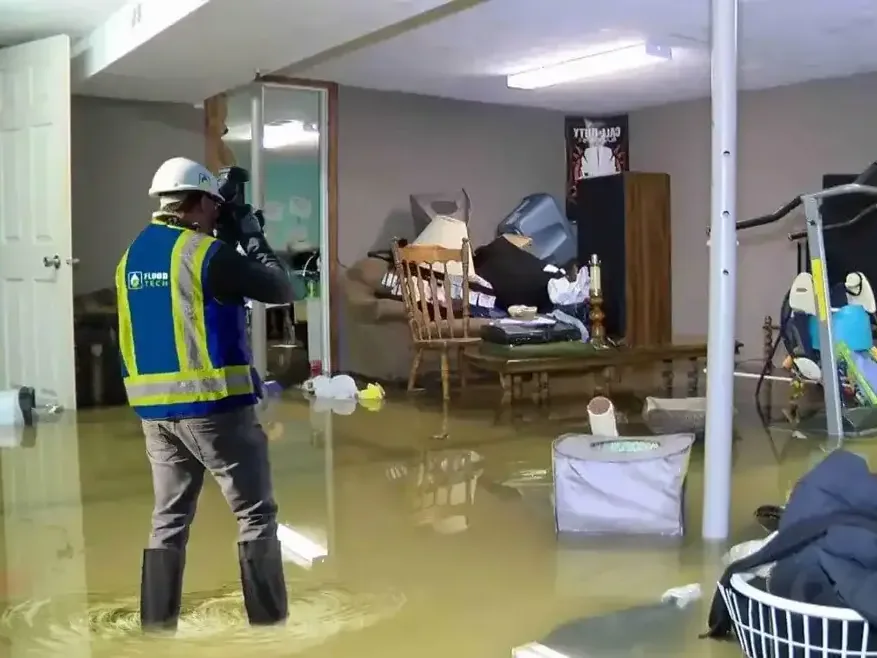
Interior wastewater assessments are available for community homes and business premises. The property contact should describe the affected drains, current release, exposed rooms and any plumbing or county service request already underway for the event.

The same service nearby: sewage backup cleanup in Clarkston, North Decatur, Avondale Estates.

Water damage restoration in Scottdale · every town covered

Questions

Sewage Backup Cleanup questions in Scottdale

Who handles a suspected county wastewater issue?

DeKalb County Department of Watershed Management provides wastewater services, and the county has an online request form for sewer repair matters. The property contact can use the appropriate service channel while arranging separate assessment of contaminated interior rooms and materials.

Can drying start before contaminated material is removed?

The work sequence should address wastewater, damaged absorbent layers and surface cleaning before equipment circulates air through the area. That preparation helps prevent contamination transfer and gives retained materials suitable access for the drying stage that follows the cleanup.

Does a hard floor mean nothing needs removal?

A hard finish can have joints, backing or adjacent absorbent layers that wastewater reaches. The assessment considers the whole assembly and enclosed edges. Material retention depends on condition and cleaning access, not solely on the appearance of the top surface.

What happens to items stored on the floor?

Items are documented and evaluated according to their exposure and material. Some may need disposal or separate treatment. A planned handling route prevents contaminated belongings from carrying residue into clean storage or living areas while the interior work proceeds.

Is drain repair part of the cleanup estimate?

Source correction and interior recovery should be clearly distinguished. A drain repair addresses the cause, while cleanup addresses released wastewater and damaged materials. Coordinating the scopes helps the owner understand both the immediate recovery work and any remaining source investigation.

How is the property prepared for reconstruction?

After cleaning, retained materials are dried and their condition documented. The handoff identifies removed finishes, treated areas and remaining repair needs. Reconstruction planning can then use those findings alongside the source repair status rather than relying on the disappearance of wastewater.

Water loss support

Track the cleanup and source correction together

Documented removal, cleaning and drying decisions help prepare the affected building materials for repair after the wastewater release is addressed.

(888) 532-4616Discuss contaminated room recovery
(888) 532-4616Water help, 24/7