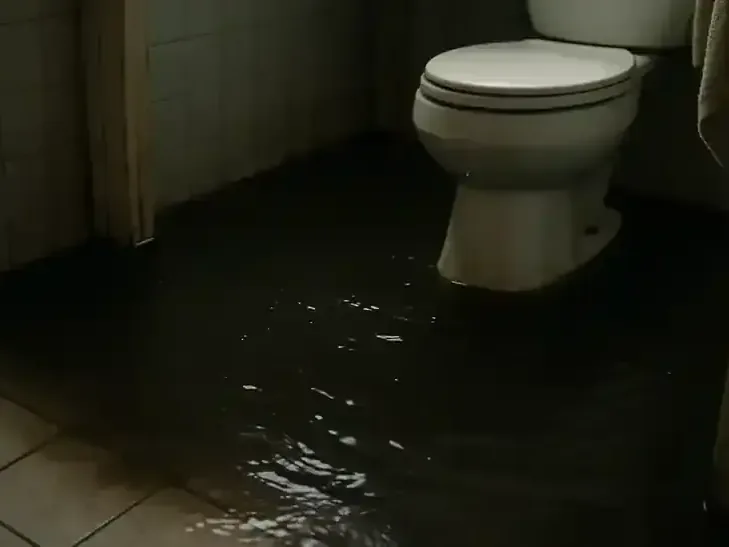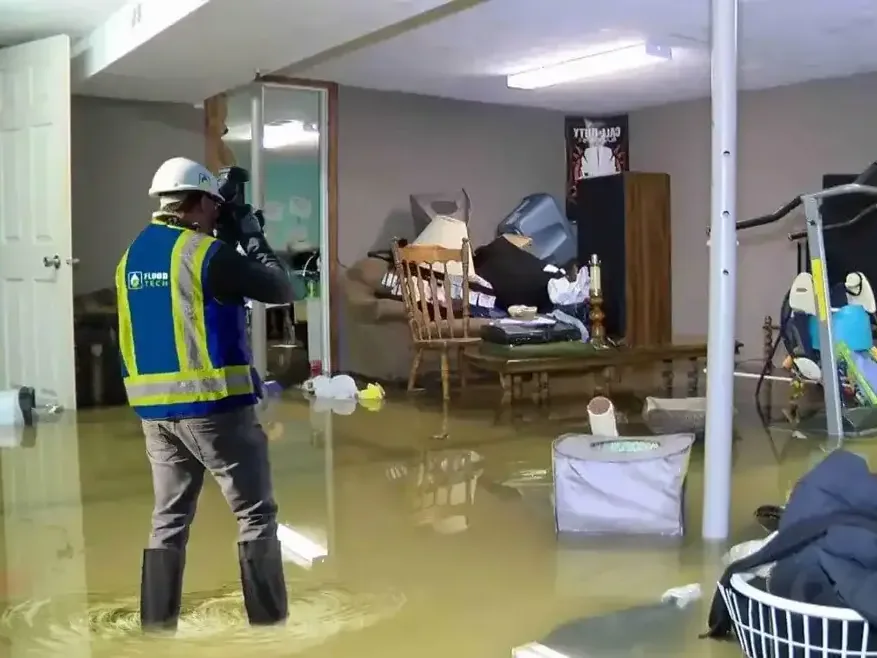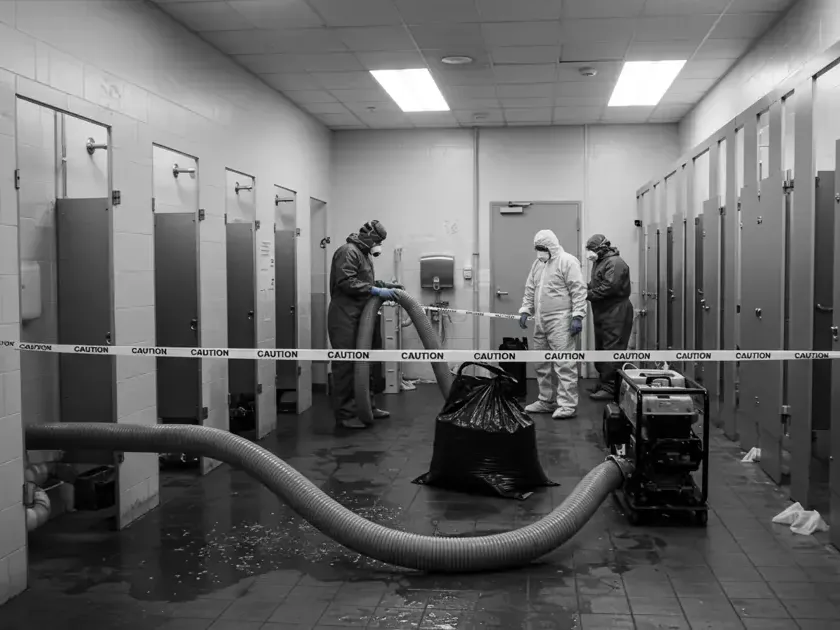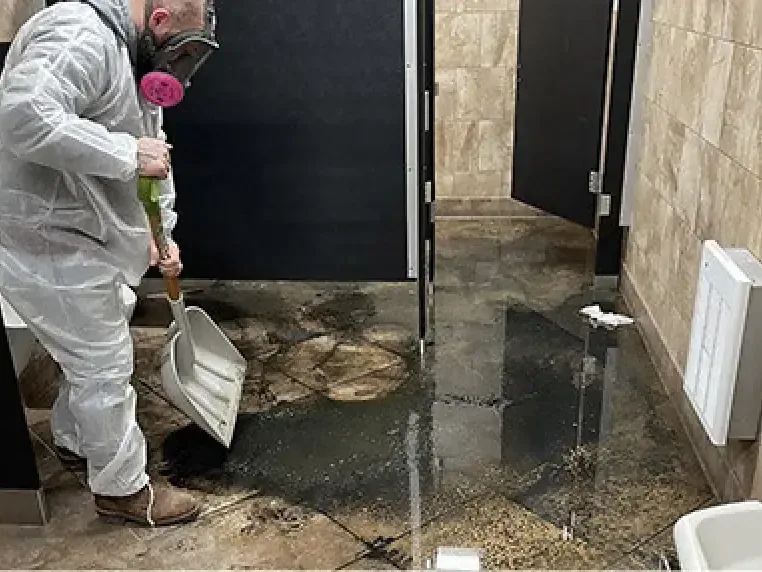
A sewage backup changes the use of a room immediately. The visible wastewater is only part of the affected area because porous finishes and contents can retain contamination after the pool is removed. Sewage cleanup in Avondale Estates establishes a controlled boundary, identifies the source symptoms and organizes the handling of materials before drying equipment is placed around the retained construction.
Coordinate the sewer concern with indoor treatment
DeKalb County Department of Watershed Management owns and operates the city's sanitary sewer system. Only the department or its contractors may work on that infrastructure. The city also reports that public water and sewer failures can damage streets, curbs, gutters and sidewalks. A property near Covington Road needs source investigation that identifies the actual problem while interior restoration addresses the rooms contacted by wastewater.
- Record which fixtures showed backup and whether the discharge continues.
- Identify carpet, wall finishes and stored contents exposed to the spill.
- Plan a removal route that avoids unnecessary travel through clean rooms.
- Inspect hidden floor edges once contaminated materials no longer block access.
Porous finishes need a different decision from washable surfaces
Absorbent layers can retain wastewater beyond their visible surface. The assessment determines which items require removal and which retained materials can be cleaned effectively. That decision is documented before drying begins. Removing the liquid alone leaves affected finishes and residue unresolved, while indiscriminate air movement can interfere with maintaining a contained work area during the contaminated stage.
The downtown commercial district includes consignment stores, and Little Tree Art Studios on Franklin Street contains artist studios and music rehearsal space. In working premises, the cleanup plan should account for stock, stored materials and shared access. Contents treatment and building restoration may require separate scopes so each affected item receives an appropriate decision.
Document cleaning and moisture treatment separately
After controlled removal and cleaning, measurements identify water retained in the remaining wall, floor and framing assemblies. Drying follows those readings, with the work area maintained as needed for the ongoing treatment. The final record lists removed items, cleaned surfaces and outstanding repairs. For damage within occupied premises, commercial water restoration adds planning around access, contents and the condition of spaces proposed for continued use.