Water damage response across DeKalb CountyWater and sewage cleanup · IICRC S500
Recovery around occupied premises

Commercial Water Damage Restoration in Avondale Estates

Water inside a business affects access, stock and the building at the same time. A commercial cleanup scope separates those needs, defines the affected work area and coordinates drying with practical decisions about continued use.

(888) 532-4616Arrange a premises water assessment
Business access planning Contents and stock separation Building moisture records
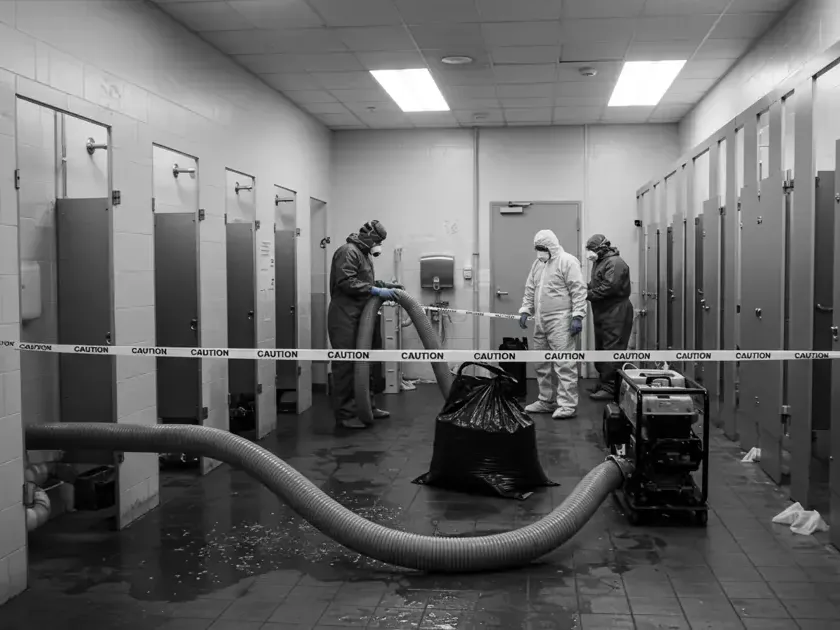
Cleanup crew and recovery hoses inside a commercial restroom
Planning unitAffected business zone
Access questionWho uses the space?
Contents taskSeparate stock decisions
Building endpointRecorded material condition
First steps

Commercial Water Damage Restoration: what to do now

  1. 1.Name the responsible property contact

    Identify who can coordinate access, approve the scope and discuss occupied areas. Share relevant facility arrangements and clarify responsibility for decisions about the premises before restoration work begins in the affected rooms.

  2. 2.Separate stock from building damage

    List affected inventory, equipment and furnishings alongside the wet rooms. Keep those items in a controlled location until handling is arranged so business contents decisions remain distinct from removal of damaged flooring or wall finishes.

  3. 3.Establish routes before equipment placement

    Describe customer entrances, shared facilities and necessary staff access. The assessment can then determine where separation is feasible and where wet surfaces, contamination or equipment movement make continued access unsuitable during the cleanup period.

  4. 4.Request a clear operational handoff

    Check material drying results, remaining source work and unfinished repairs before returning the affected space to use. The record should explain which restoration tasks are complete and what still affects normal access or contents placement.

Safety before commercial water damage restoration

Keep customers and staff away from wet electrical equipment, unstable finishes and contaminated areas. A path that appears clear may still cross a slippery surface or drying equipment route. Any continued use needs a specific access assessment rather than an assumption that the unaffected portion can operate normally beside the cleanup work.

Do not relocate wet stock or equipment into another occupied zone without a contents plan. Dirty water and residue can travel with packaging, carts and footwear. The responsible business contact should identify sensitive items and access restrictions while appropriate trades assess electrical, plumbing or equipment hazards related to the release.

How the work is held to standard

How commercial water damage restoration is handled

Map the business use and water impact

The first assessment combines a material moisture map with the practical layout of the premises. The responsible contact identifies occupied spaces, sensitive contents and access needs. Source status and immediate hazards are recorded so the proposed restoration scope can distinguish areas needing restriction from spaces that may be considered for continued use after a specific check.

Organize contents and removal routes

Affected inventory and equipment receive separate handling decisions from building finishes. Water extraction and selective removal are arranged around a route that protects clean space and maintains the required work boundary. The documentation records any access limitation caused by stored items so hidden wet areas can be inspected when those contents have been safely relocated or treated.

Dry the affected building assemblies

Equipment is positioned for the measured wet construction while accounting for power, movement and separation from occupied portions of the premises. Progress readings show where drying is working and where concealed access may need improvement. Any expanded affected area should be communicated clearly so the property contact can adjust the practical use of adjoining rooms or stock storage.

Deliver a usable premises recovery record

The final check identifies extraction, material removal, cleaning and drying completed within the agreed scope. Remaining source repairs, damaged finishes and separate contents work stay explicit. That record gives the responsible contact a concrete basis for coordinating repair trades and evaluating when the affected business zone can resume its intended use, subject to its actual safety and operational conditions.

Typical cost ranges

What does commercial water damage restoration cost in Avondale Estates, GA?

Commercial water restoration costs in Avondale Estates depend on affected zones, contents coordination and access constraints. The ranges below provide planning categories for building cleanup and drying. Specialized inventory treatment, equipment repair and reconstruction should be described separately when the premises assessment establishes the full recovery scope.

Contained business room

$2,500 to $4,500
  • Limited occupied zone
  • Accessible wet construction
  • Focused contents coordination

Several occupied-space zones

$4,500 to $9,000
  • Multiple access boundaries
  • Connected material treatment
  • Broader equipment placement

Broader premises loss

$9,000 to $15,000
  • Extensive wet assemblies
  • Complex stock handling
  • Expanded recovery scheduling

Water category, wet area, material depth and the delay before extraction affect the scope. The water damage cost calculator gives a planning range; the assessment sets the work required.

The process

Commercial Water Damage Restoration from assessment to dry materials

Commercial restoration organizes water removal and material drying around the use of the premises. It identifies affected building assemblies, coordinates contents handling and establishes access boundaries while source repair and decisions about occupied areas proceed with the responsible property contacts.

  1. Source assessment

    The source repair record identifies the entry point and the correction performed.

  2. Material decisions

    Photos and moisture mapping define the affected assembly before removal or replacement.

  3. Drying verification

    Repeat measurements compare the affected materials with suitable dry references.

  4. Repair handoff

    The final scope separates completed drying from finish work and reconstruction still required.

A wet business floor can interrupt more than the room where water first appeared. Customers, staff, stock and shared facilities may all depend on routes through the affected area. Commercial water restoration in Avondale Estates begins by identifying who controls the premises and how it is used. The resulting scope connects source correction and material treatment with practical access decisions for the business.

Different local premises need different access plans

Downtown has predominantly Tudor style buildings and includes consignment stores. The Rail Arts District contains galleries and studios, while Little Tree Art Studios on Franklin Street occupies a warehouse with artist studios and music rehearsal space. Those settings call for attention to the actual occupied layout, storage and shared routes when a water loss affects part of a business interior.

  • Identify the contact authorized to coordinate access and proposed restoration work.
  • Mark the routes needed for staff, customers and restoration equipment separately.
  • Record wet inventory before moving it into a clean storage area.
  • Include shared walls or adjoining rooms when readings indicate broader spread.

Separate the building scope from contents recovery

Wet wall finishes and flooring require different decisions from artwork, merchandise or business equipment. The estimate should distinguish building restoration from specialized contents treatment and replacement questions. Some items may need another service provider, while others primarily obstruct access to wet construction. Recording those differences prevents a room cleanup scope from silently becoming a decision about the business's inventory.

A restroom release, overhead leak or water beneath a counter can involve concealed layers beyond the first visible patch. Moisture mapping should follow that route through the premises and identify any connected space needing assessment. Occupancy and equipment placement are then planned around the actual wet boundary, with changes communicated as removal exposes more of the affected assembly.

Document the condition needed for the next business decision

A completion record should explain treated areas, remaining repair work and the material readings supporting the drying endpoint. Reopening or moving contents back requires check of the full premises condition, including source correction and any access hazards. Where sanitation is involved, sewage backup treatment adds controlled handling requirements before drying or decisions about occupied use can progress.
Service area

Commercial water damage restoration coverage in Avondale Estates

Commercial water restoration serves Avondale Estates premises in the downtown commercial district, Rail Arts District and along Franklin Street. Describe the affected business space, shared access and any stock or equipment that needs separate attention.

The same service nearby: commercial water damage restoration in Clarkston, Scottdale, North Decatur.

Water damage restoration in Avondale Estates · every town covered

Questions

Commercial Water Damage Restoration questions in Avondale Estates

Can a business remain open during restoration?

That depends on safe separation from wet materials, contamination and equipment routes. The assessment should address the actual layout, staff needs and customer access. A dry appearing portion of the premises still requires check before it is treated as suitable for continued normal use.

Are stock and merchandise included in building cleanup?

Contents handling should be stated explicitly in the scope. Inventory, artwork and equipment can need different treatment from walls and flooring, sometimes involving a separate provider. Listing those items independently helps the responsible contact understand what is included and what requires another recovery decision.

Who should coordinate the restoration visit?

A contact with authority to arrange access and discuss the proposed work should be identified. Depending on the premises, that may involve business and property representatives. Clear coordination helps source repair, contents movement and building treatment proceed without conflicting instructions about occupied areas.

Why check neighboring rooms after a contained leak?

Water can pass beneath partitions, through floor transitions or along concealed construction. Readings help determine whether the affected assembly extends beyond the visible room. Checking those connections supports an accurate scope and avoids returning adjacent space to use over an unresolved wet area.

Can equipment be moved to reduce disruption?

Placement should follow the drying plan, power arrangement and safe access needs. Uncoordinated changes can interrupt treatment or obstruct a route. Business concerns about noise or space should be discussed with the restoration team so adjustments preserve the material drying goals and working boundaries.

What records help with the business repair phase?

Useful records identify treated rooms, removed finishes, moisture results and outstanding source or contents work. Photographs of concealed areas before closure also help. These details connect the completed restoration scope with the contractors and practical access decisions needed for the next repair stage.

Water loss support

Connect building recovery with the next operating decision

Documented treatment and remaining repair needs help the responsible contact coordinate contents, trades and safe access as the premises returns to use.

(888) 532-4616Request commercial cleanup coordination
(888) 532-4616Water help, 24/7