Water damage response across DeKalb CountyWater and sewage cleanup · IICRC S500
Bathroom overflow and affected floors

Toilet Overflow Cleanup in Clarkston, GA

The cleanup technician identifies whether water came from the supply, tank or bowl, then assesses contamination and spread beneath bathroom finishes. Source repair, controlled cleaning and measured drying address different parts of the loss.

(888) 532-4616Bathroom overflow? Discuss next steps
24/7 overflow assessment Source-based contamination checks Floor and wall-base drying
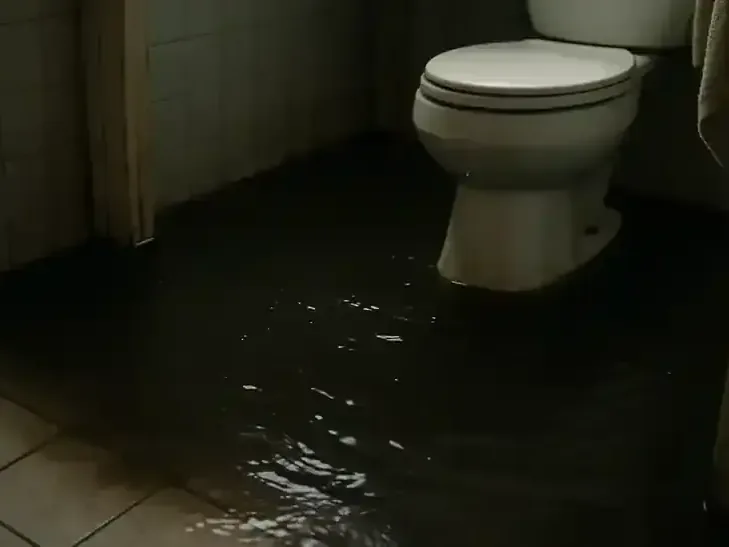
Standing water across a bathroom floor beside a toilet
First distinctionSupply, tank or bowl
Access ruleKeep people clear
Hidden spreadFloor edges and below
Drying recordSubstrate measurements
First steps

Toilet Overflow Cleanup: what to do now

  1. 1.Stop using the affected fixture

    The household avoids repeated flushing and keeps the wet bathroom separated from routine traffic. A plumber checks the blockage or leaking component before the fixture returns to normal use.

  2. 2.Identify the water source

    The owner reports whether water escaped from a connection, tank or bowl and whether other fixtures backed up. Those details help the technician choose contamination controls and the initial inspection route.

  3. 3.Keep dirty materials contained

    Wet rugs, towels and other absorbent items stay identified in the affected area until assessment. The cleanup crew plans handling so contaminated water does not track across dry rooms.

  4. 4.Check adjoining and lower spaces

    The technician measures floor edges, nearby wall bases and the ceiling below when applicable. The drying plan follows the water path beyond the bathroom door rather than ending at the fixture.

Safety before toilet overflow cleanup

The household stops using the affected toilet and keeps children and pets away from the wet area. Nobody flushes repeatedly to test a blockage. If water involves waste, people avoid handling soaked porous items or running a fan across the spill. A plumber checks the fixture and drain before normal use resumes.

An accessible supply valve may stop a continuing supply release when it can be reached safely. A backup through several fixtures points to a different problem than one overflowing bowl. The owner describes those observations to the repair trade. The cleanup crew assesses contamination and protects dry access rather than treating every bathroom spill as harmless water.

How the work is held to standard

How toilet overflow cleanup is handled

Classify the actual release

The technician records the source, waste involvement and other fixture symptoms. Plumbing diagnosis addresses the cause while the cleanup assessment sets access controls and identifies the materials exposed to the water. The owner reports the first overflow and any simultaneous drain symptoms, helping the repair trade distinguish fixture trouble from a wider drainage issue.

Contain and recover the spill

The crew protects clean access and removes accessible water with appropriate equipment. Contaminated porous layers receive documented removal decisions, including floor coverings and contents beyond the immediate toilet footprint. The technician also checks absorbent items and floor transitions beyond the bathroom, where tracked or flowing water may have reached adjoining finishes.

Clean exposed surfaces

The team cleans the remaining assembly and follows the label for any specified disinfectant. Only after contamination control does the drying setup address moisture in wall bottoms, substrate and connected cavities. The record identifies the exposed substrate and any cavity that still needs access, preserving a clear boundary for the remaining drying work.

Measure and reopen deliberately

The technician compares repeat readings with the drying goal and records any remaining repair needs. Plumbing function and material condition both matter before the bathroom returns to ordinary household use. The owner retains cleaning and source-repair records with the readings so the return-to-use decision covers the entire affected bathroom assembly.

Typical cost ranges

What does toilet overflow cleanup cost in Clarkston, GA?

Toilet overflow cleanup in Clarkston typically costs $700 to $4,200 before drain repair or finish replacement. The source, presence of waste, affected floor layers and spread to a lower room change the scope. Contaminated porous materials require different handling from a fresh supply-connection leak.

Contained bathroom release

$700 to $1,400
  • Accessible hard surfaces
  • Source assessment
  • Limited moisture checks

Bathroom and adjacent finishes

$1,400 to $2,600
  • Floor-edge inspection
  • Removal where required
  • Cleaning and drying

Contaminated or multi-level spread

$2,600 to $4,200
  • Controlled material handling
  • Ceiling or cavity access
  • Detailed drying records

Water category, wet area, material depth and the delay before extraction affect the scope. The water damage cost calculator gives a planning range; the assessment sets the work required.

The process

Toilet Overflow Cleanup from assessment to dry materials

Toilet overflow restoration treats the source and contamination as the first decision. The crew checks bathroom flooring, adjacent rooms and ceilings below, removes affected materials where necessary and records drying after the plumbing problem receives correction.

  1. Source assessment

    The source repair record identifies the entry point and the correction performed.

  2. Material decisions

    Photos and moisture mapping define the affected assembly before removal or replacement.

  3. Drying verification

    Repeat measurements compare the affected materials with suitable dry references.

  4. Repair handoff

    The final scope separates completed drying from finish work and reconstruction still required.

Toilet overflow cleanup in Clarkston begins with the water source. A leaking supply connection and a bowl overflow do not receive the same cleanup plan. The technician records what happened, whether waste was present and where water traveled. Bathroom flooring can hide moisture at its edges, and water may enter the ceiling of a room below.

Checking the floor below a sealed-looking surface

Tile or vinyl may shed water on top while seams, wall edges and penetrations let it reach the substrate. The technician checks those paths and inspects the room below when the bathroom sits above another occupied area. The technician tests wood, underlayment and insulation beneath the tile where accessible. Testing guides the amount of access required.

  • The source record identifies a supply, tank, bowl or wider drainage issue.
  • The crew marks the wet boundary before moving contaminated materials.
  • Absorbent finishes and contents receive individual cleaning or removal decisions.
  • The drying log includes floor edges and any ceiling cavity reached by the release.

Fixture trouble versus a broader sewer problem

DeKalb County Watershed Management handles public water and wastewater services. A plumber assesses the property drain and fixture. If several fixtures back up together, the owner reports that pattern rather than repeatedly testing the toilet. The restoration crew addresses the resulting indoor damage while the responsible repair party investigates the cause.

A property near the Clarkston Branch may need access through a narrow occupied hallway; a home in the Clarkston High School area may have water reaching an adjacent room. The technician establishes the real route at the premises. The location description helps arrange the visit, while source details and moisture readings determine the work.

Cleaning before the bathroom returns to use

The team removes affected porous materials when contamination requires it, cleans accessible remaining surfaces and follows product instructions for any disinfectant application. Drying equipment starts after that preparation. The technician checks the substrate and wall bottoms until measurements reach the goal, then identifies any remaining plumbing or finish repair needed before normal use.

The sewage backup service covers broader sanitary contamination. Ceiling leak cleanup addresses water that reaches a room below. The EPA sanitary sewer overflow information explains sewer-related concerns, and county watershed services provide the public-system route. Photographs, source notes and material decisions belong together in the cleanup record.
Service area

Toilet Overflow Cleanup coverage in Clarkston

Water damage service covers ZIP 30021, including the areas around the public library and high school. Emergency dispatch is available 24/7. The assessment identifies the source and the wet materials before equipment placement.

Browse the service area

Related services

Other water damage services

Questions

Toilet Overflow Cleanup questions in Clarkston

Is every toilet leak sewage?

No. A fresh supply-connection or tank leak differs from water overflowing a contaminated bowl. The technician identifies the actual source and water condition. Waste involvement and elapsed time influence the cleaning, removal and drying decisions.

Should the toilet be flushed again to test it?

Repeated flushing can add water to a blocked fixture or drainage system. The household stops use and asks a plumber to investigate. The cleanup crew needs an accurate account of the original overflow, not additional releases during testing.

Can tile flooring stay after an overflow?

The tile surface is only one layer. Water may reach underlayment, wood or wall edges through joints and penetrations. The technician assesses contamination and substrate moisture before deciding which materials can remain and how access for drying will work.

What if a ceiling below becomes wet?

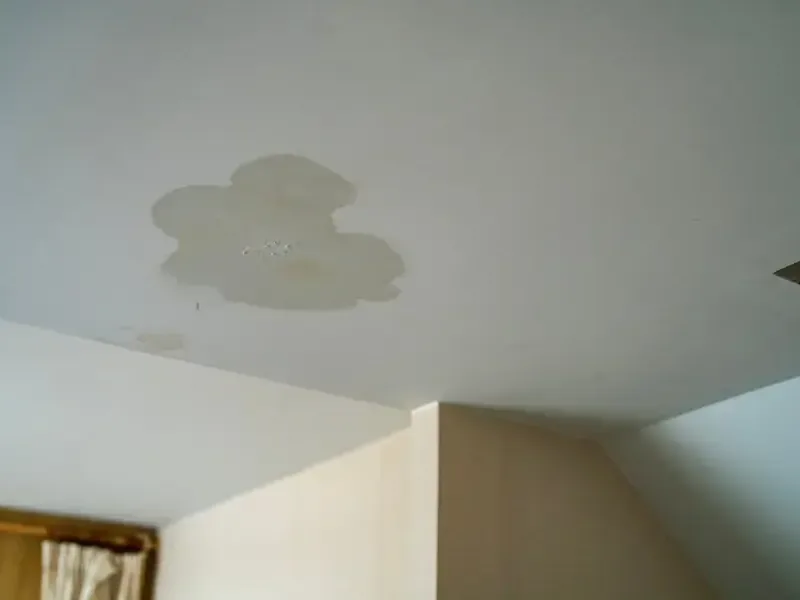
That ceiling needs its own stability, electrical and moisture assessment. The water path can extend through floor layers and framing. The cleanup scope should include the lower room rather than treating the bathroom surface as the entire loss.

Why should ordinary fans stay off initially?

A fan can spread contamination from an affected surface before cleaning and removal are complete. The technician establishes the water category and prepares the area first. Controlled drying follows the contamination work in the cleanup sequence.

When can the bathroom be used again?

The plumbing problem needs correction, contamination work needs completion and affected materials need the required drying or repair. The technician documents those conditions. A clean-looking floor alone does not confirm that hidden layers or the fixture are ready.

Water loss support

Finish the cleanup beneath the bathroom surface

The restoration team checks contamination and hidden moisture before the room returns to routine use.

(888) 532-4616Plan bathroom recovery
(888) 532-4616Water help, 24/7