Avondale Estates Water Damage Restoration
A soaked room needs a clear starting point. Water damage restoration in Avondale Estates begins with the source, the affected materials and a practical plan for removing moisture from the building.
(888) 532-4616Arrange help for the affected property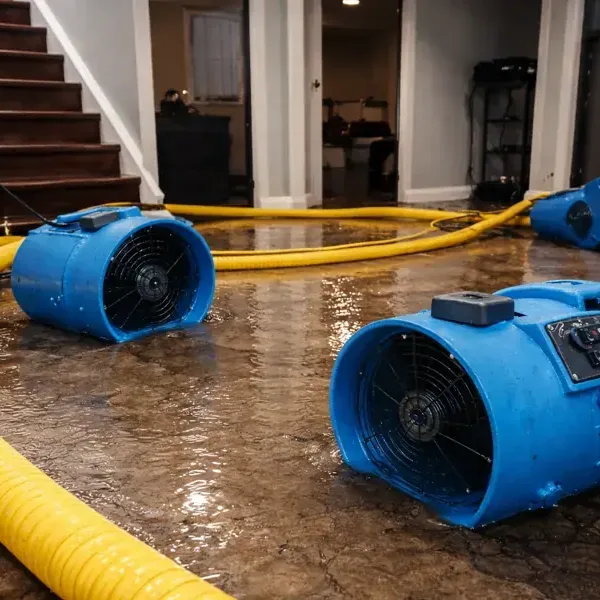
Describe the affected room and whether water is still entering before cleanup begins.
Make the wet area safer before moving belongings
- 1Pause at the doorway
Water near sockets, fallen ceiling material or a slippery floor makes entry unsafe. Keep children and pets outside the affected room.
- 2Control accessible water supplies
A reachable shutoff may stop an appliance or plumbing release. Avoid crossing standing water to reach equipment, valves or electrical controls.
- 3Separate clean and affected belongings
Move dry items only when access is safe. Keep wet contents together so water and residue do not spread through unaffected rooms.
- 4Record the visible changes
Photograph the source area and nearby finishes from a safe position. Note when the problem appeared and which rooms show new moisture.
- 5Describe the building conditions
Mention overhead sagging, wastewater, inaccessible cavities and continuing water entry when requesting help. Those details shape the first inspection and equipment choices.
Different water sources need different cleanup decisions
A ceiling drip, a saturated floor and a sewage release demand different work. Select the service that matches the problem visible at the property.
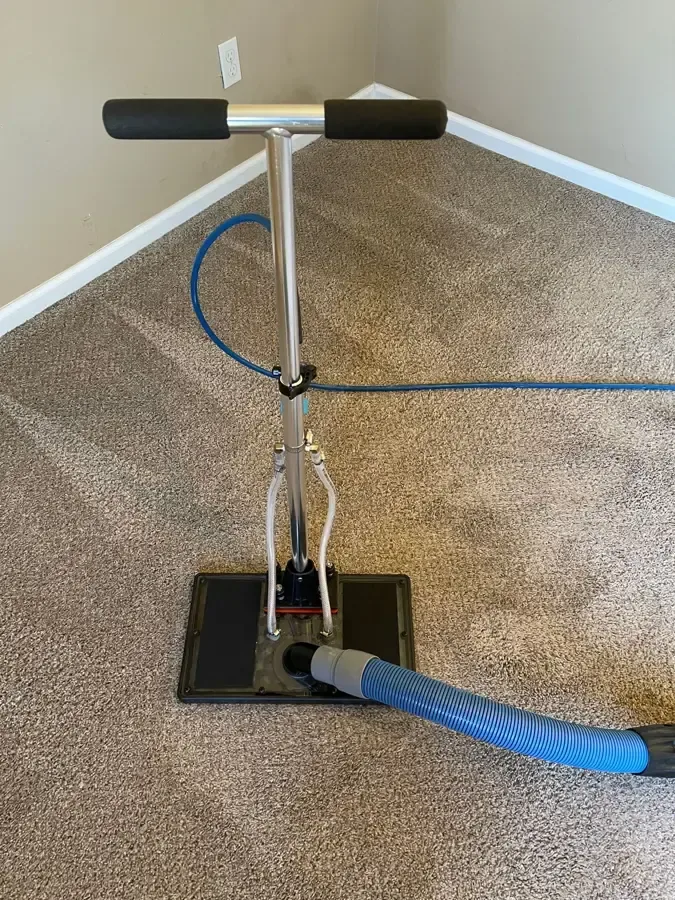 Water ExtractionRemove pooled water from accessible surfaces, then check the edges and absorbent layers that can remain wet after pumping.
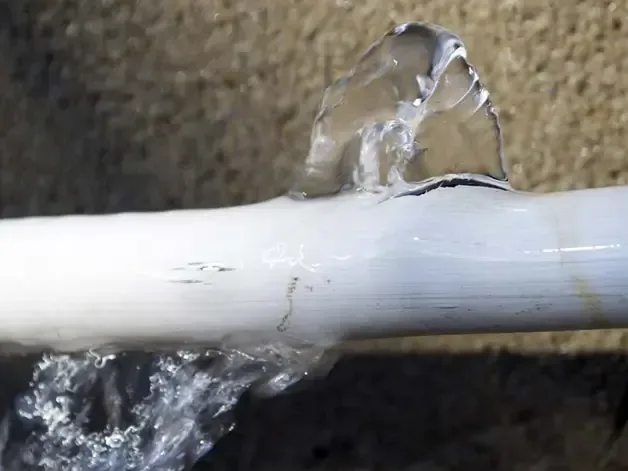 Burst Pipe Water DamageA broken supply pipe can soak wall cavities before water reaches the room. Trace its escape path after isolation.
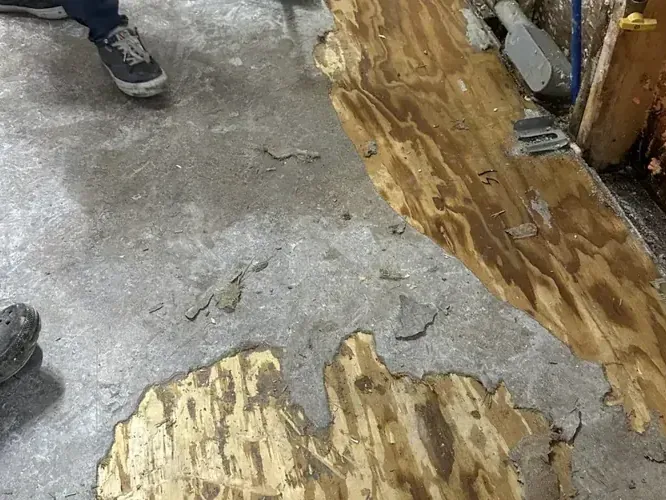 Slab Leak Water DamageMoisture beneath a floor requires source investigation and attention to coverings, adhesives and wall bases affected by the release.
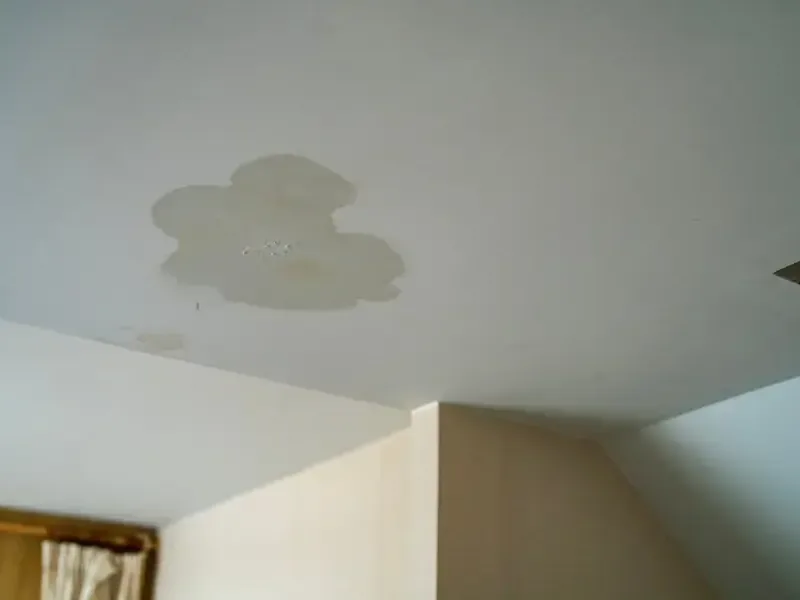 Ceiling Leak Water DamageOverhead discoloration calls for a stability check and inspection above the finish before anyone starts patching the visible mark.
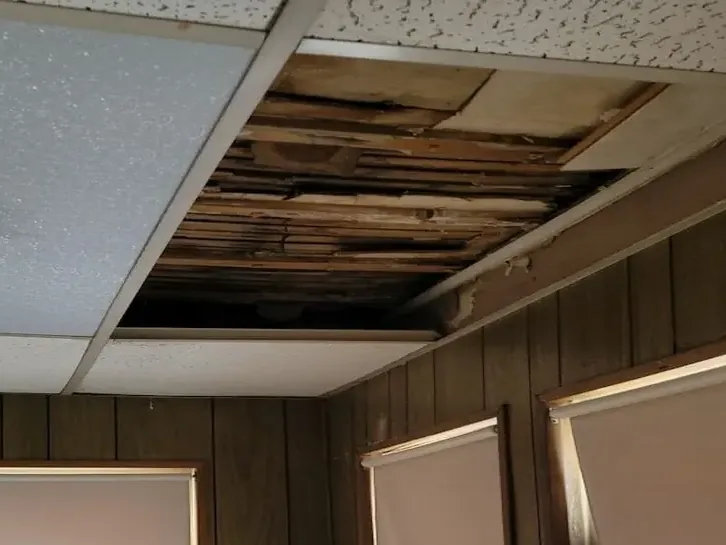 Roof Leak Water DamageRain entering through the roof can reach insulation and ceilings. Coordinate interior drying with correction of the exterior opening.
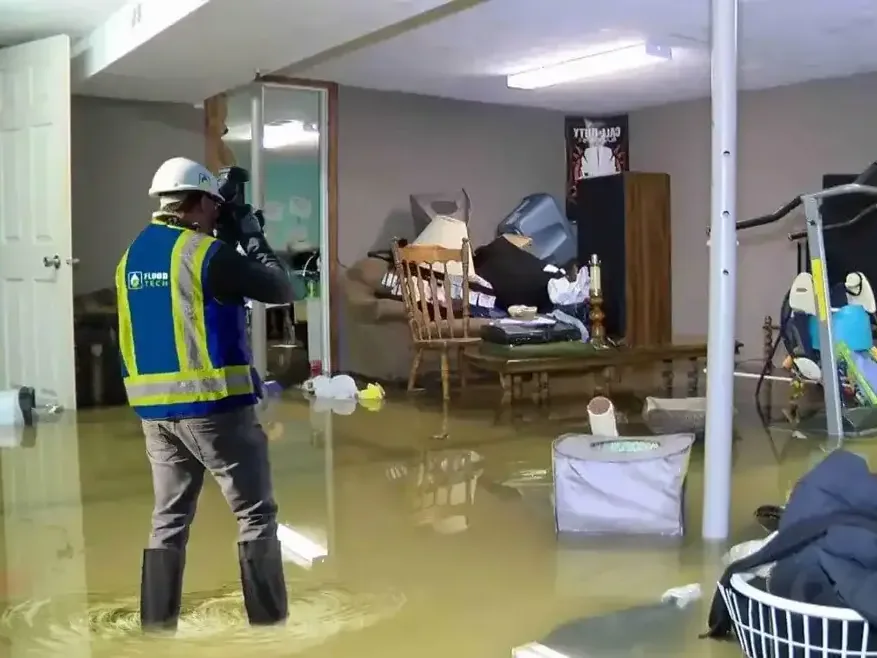 Storm Flood CleanupOutdoor water brings a different cleanup scope, including debris, contamination assessment and decisions about porous finishes after standing water recedes.
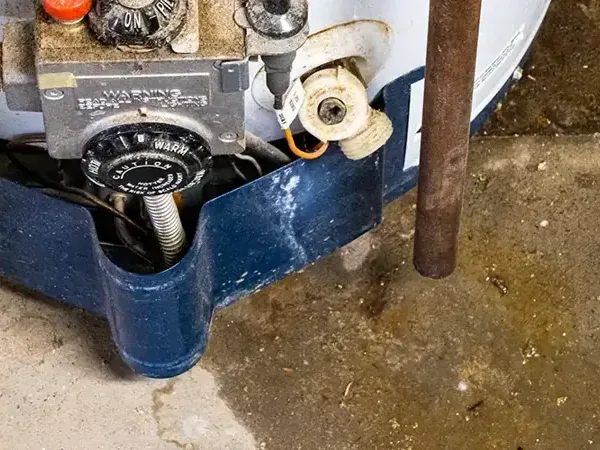 Water Heater Leak CleanupA leaking tank can wet the utility area and nearby rooms. Separate equipment repair from cleanup of surrounding materials.
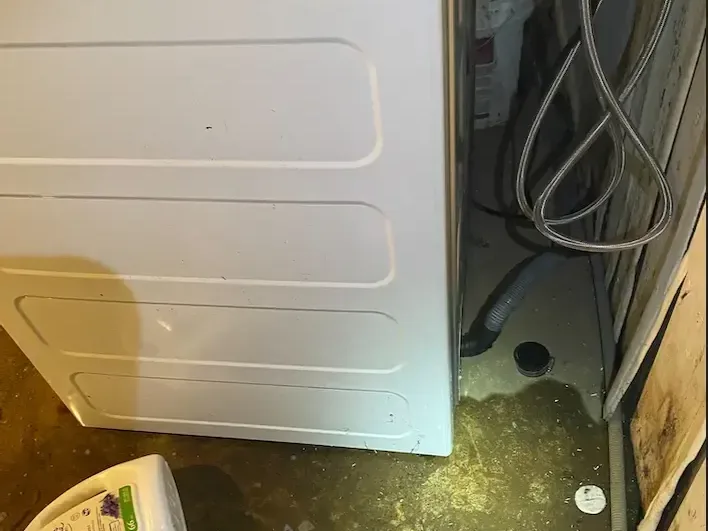 Appliance Leak Water DamageWater beneath a washer or dishwasher may travel behind cabinets. Inspect concealed surfaces before treating the visible puddle as complete.
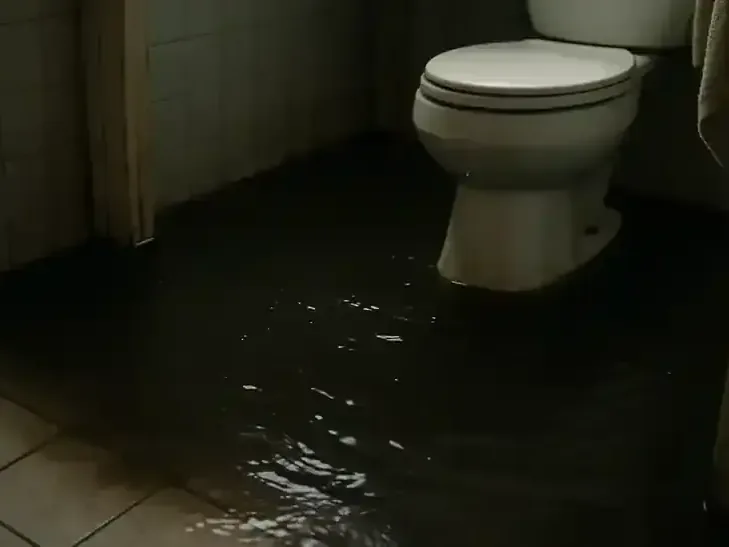 Toilet Overflow CleanupKeep a bathroom overflow contained while its source is assessed. Wastewater contact changes which materials can remain in place.
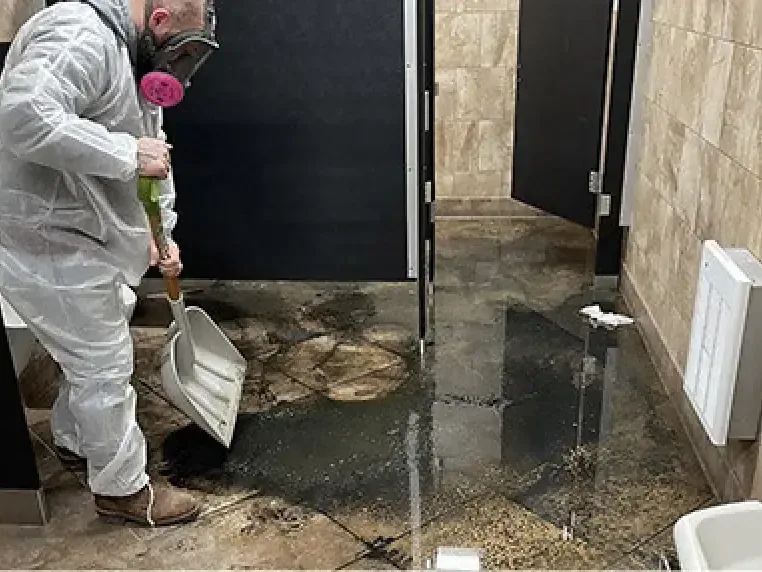 Sewage Backup CleanupRestrict access to rooms containing sewage, then arrange controlled removal, cleaning and drying with attention to affected contents.
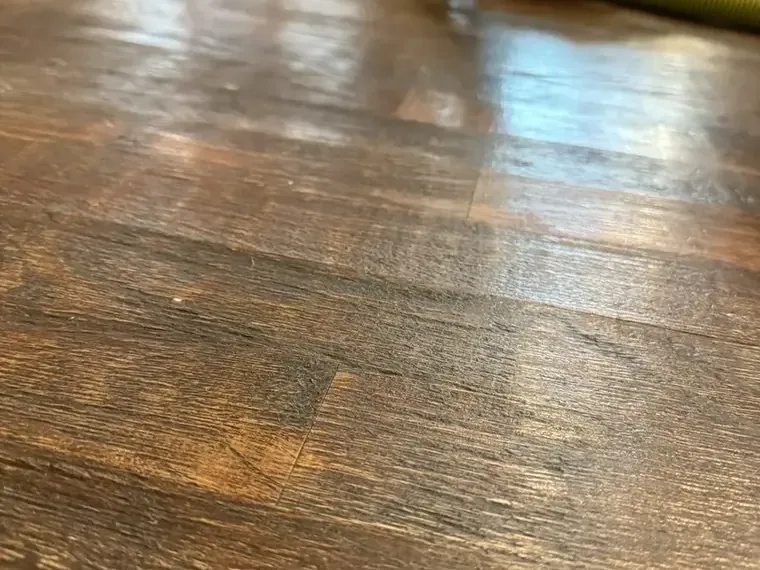 Hardwood Floor Water DamageRaised board edges need moisture measurements through the floor assembly. Surface appearance alone cannot determine the right repair timing.
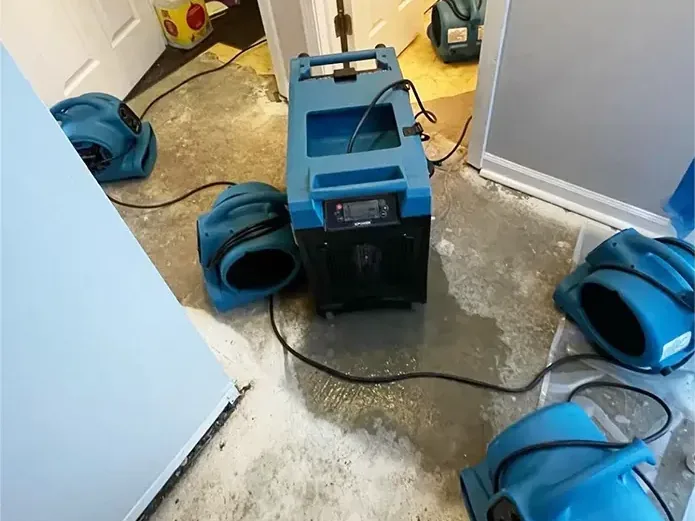 Structural DryingTrack moisture inside affected building materials and adjust equipment placement as readings change, with a documented endpoint before enclosure.
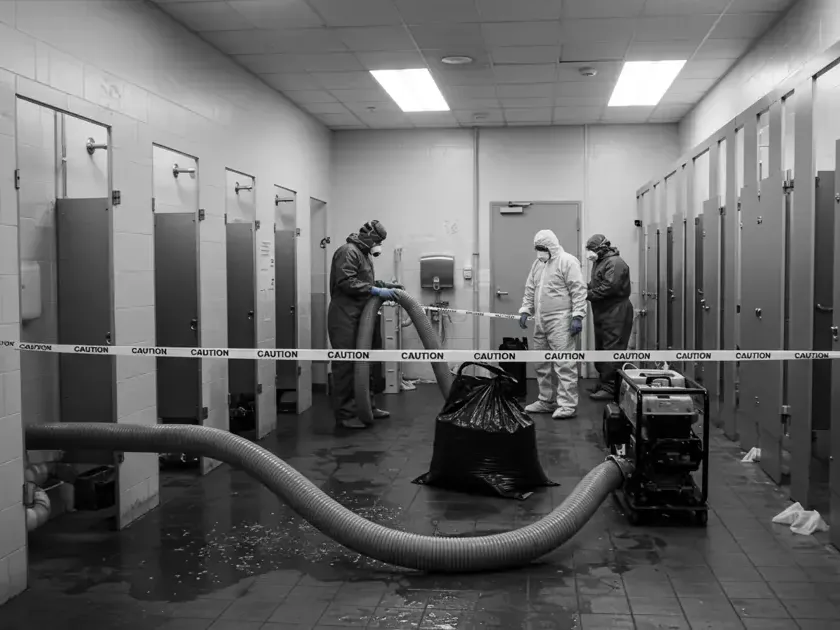 Commercial Water Damage RestorationShops and studios need a recovery scope that separates wet materials from unaffected stock, working areas and customer access.
 Frozen Pipe Water DamageA thawing pipe can release water into concealed spaces. Control the supply and inspect the route through adjoining construction.
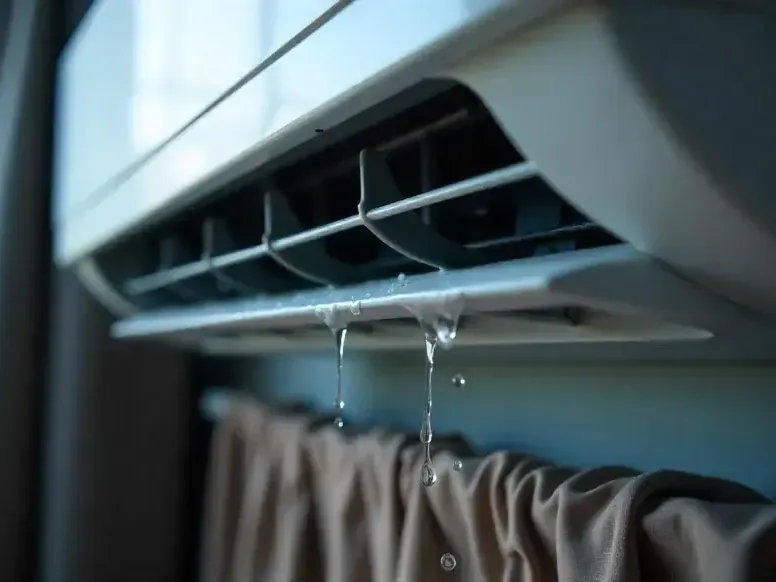 AC Leak Water DamageCondensate escaping from cooling equipment can soak a closet or ceiling. Correct drainage and dry the materials surrounding the unit.
Keep the repair decisions tied to measurements
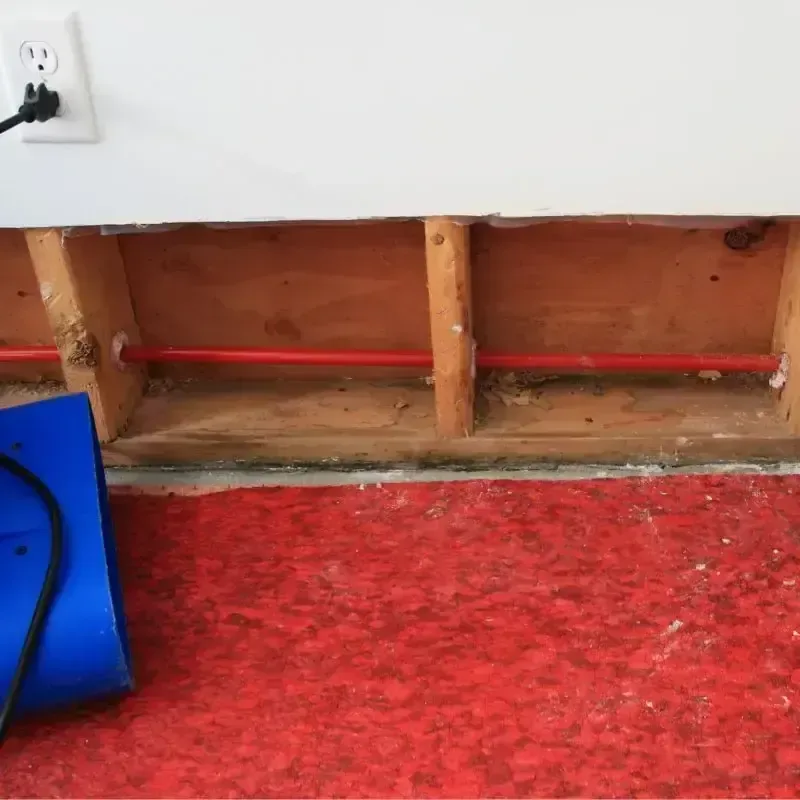
A mapped wet boundary
Record the transition between affected and dry surfaces so removal decisions follow measured conditions instead of the apparent size of a stain.
A source repair handoff
Identify which plumbing, roofing or equipment problem needs correction, and keep that repair coordinated with the separate work of drying the building.
A usable progress record
Keep inspection notes, equipment changes and followup readings together so the owner can understand why the scope expanded or when drying reached its endpoint.
A material specific decision
Evaluate flooring, insulation and wall finishes individually, considering water exposure and condition before deciding which portions can stay and which need removal.
Avondale Estates water damage experts, day and night
Tudor styling is part of the city's housing character, while the Rail Arts District adds studios and other working spaces. A useful restoration scope starts inside the affected property: the finish that became wet, the material behind it and the route moisture followed. That approach supports careful removal, targeted drying and a clear explanation of what must happen before repairs close the area.
The assessment and repair sequence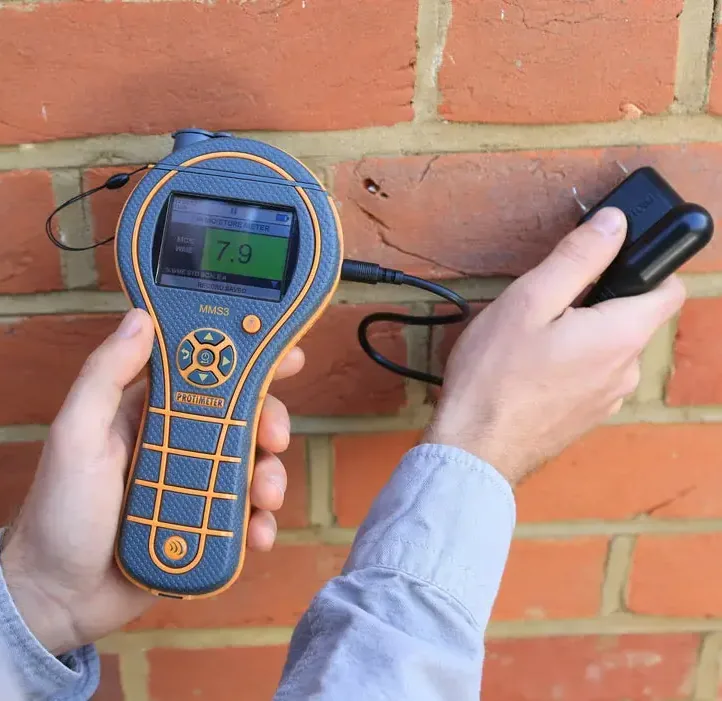
Removal and drying have different finishing points
An empty floor can still contain wet layers underneath. Restoration moves from accessible water removal to material measurements, controlled drying and a documented check before the affected construction receives new finishes.
Inspect the release
Identify water origin and affected surfaces while checking safe access, electrical concerns and any need for separate repair trades.
Remove accessible moisture
Extract standing water and evaluate saturated materials, preserving items that can be cleaned and dried within the planned scope.
Follow the readings
Place equipment for the actual room layout and compare repeat measurements to the initial wet boundary as materials release moisture.
Prepare the handoff
Record remaining repair needs and drying results so replacement finishes are planned around the condition of the exposed building materials.
Keep a readable damage record
Photographs and a clear work description help explain the loss. Coverage decisions belong to the insurer and depend on the policy and circumstances of the release.
- Photographs before material removal
- Date the damage appeared
- Description of the water source
- Room specific moisture records
- Invoices for completed mitigation work
Planning without an insurance claim
An owner paying directly can request a written separation of urgent removal, drying and later finish repairs before authorizing the proposed work.
Questions about access, contents handling and drying measurements belong in that discussion so the agreed scope reflects the condition of the affected rooms.
What affects water restoration costs in Avondale Estates?
Water restoration costs in Avondale Estates depend on the amount of wet material, accessibility, contamination and drying complexity. A small accessible room differs from concealed moisture through several assemblies. An inspection separates emergency removal, drying and later repairs into understandable work items.
Limited accessible room
$1,000 to $2,500- Visible water removal
- Localized material checks
- Compact drying setup
Connected wet spaces
$2,500 to $5,000- Several affected finishes
- Broader moisture tracking
- Additional equipment placement
Extensive material involvement
$5,000 to $8,000- Concealed cavity access
- Complex drying needs
- Expanded removal scope
Water category, wet area, material depth and the delay before extraction affect the scope. The water damage cost calculator gives a planning range; the assessment sets the work required.
Visible damage and the materials opened for drying
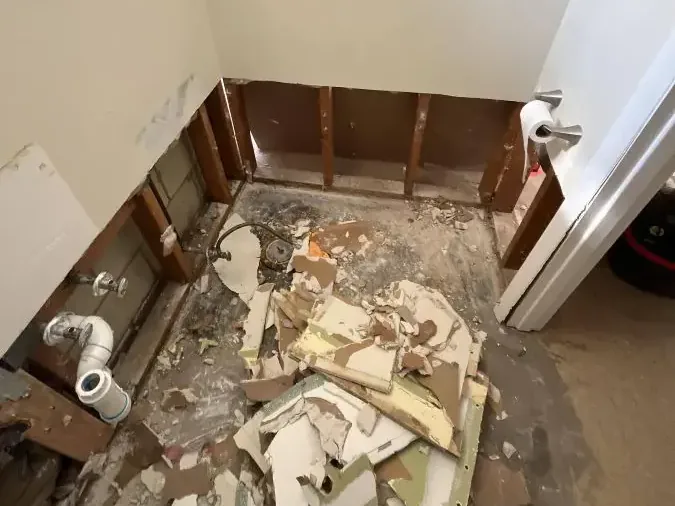
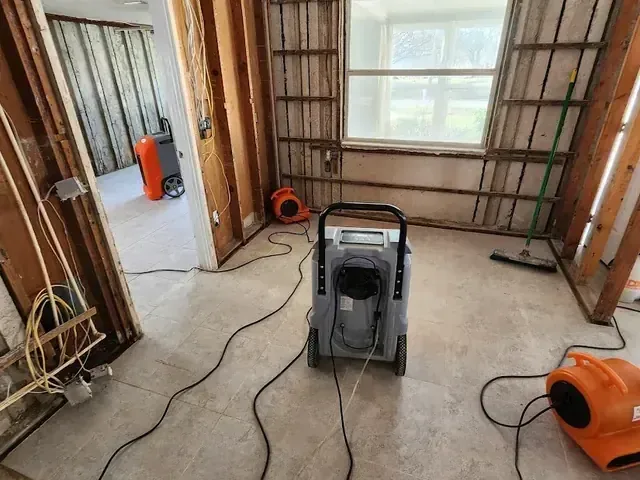
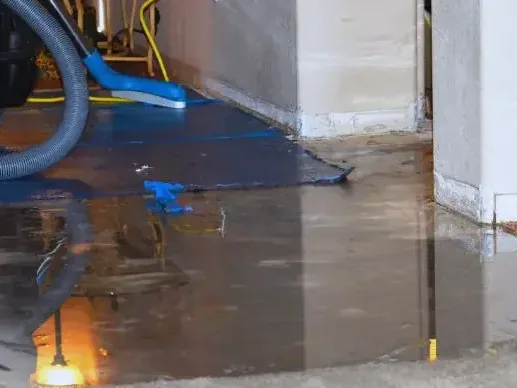
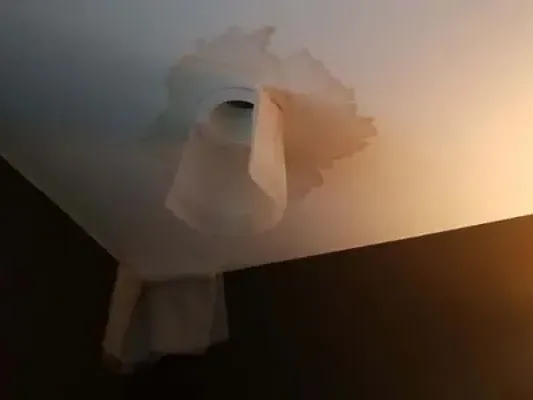
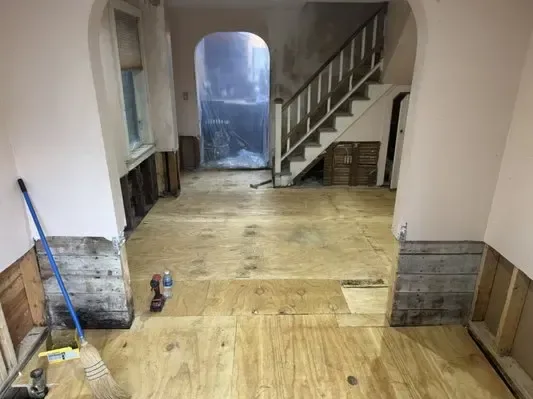
The cleanup scope follows what touched the water
Supply water release
A pipe release can begin with relatively clean water, but contact with dirty surfaces and delayed discovery change the assessment inside the room.
Inspect pipe affected materialsAppliance discharge
Water from an appliance may carry detergent, food residue or other contaminants. Identify the discharge and affected layers before choosing a cleaning method.
Look beneath the applianceSewage contact
Wastewater requires controlled access and careful handling of affected porous materials. Ordinary room fans are unsuitable for spreading air through a contaminated area.
Check sanitary spill cleanupWater cleanup throughout Avondale Estates
Other service areas
Describe the property and access
Lake Avondale, the historic district and the downtown commercial district give useful location context. The service request should also identify the affected building entrance and room.
For properties around North Avondale Road, mention access restrictions or occupied work areas. Those details help organize equipment placement and protect unaffected portions of the property.
Water damage service areas
More detail about cleanup decisions
Local context for water problems
Avondale Estates has county operated water and sewer infrastructure and a municipal stormwater program. Indoor cleanup still starts with the actual source and wet materials.
July 19, 2025: DeKalb County reported repairs to broken water mains on Covington Road and bottled water at Avondale Elementary School.
County water repairs
DeKalb County Department of Watershed Management operates the potable water system. Public infrastructure repair and cleanup of an indoor release require different work arrangements.
Sewer service concerns
The county also operates the sanitary sewer system. A sewage problem inside a building needs source investigation alongside controlled handling of contaminated rooms.
Stormwater reporting
The city provides a Street and Stormwater Concerns Form. Report public drainage concerns separately while documenting water that entered the affected property.
Historic district work
The city lists historic district work among permit requiring activities. Discuss planned reconstruction with the appropriate repair trade before removing or replacing architectural finishes.
Roof repair planning
Roof or structural work appears in the city's permit FAQ. Interior drying can be organized alongside the permit check needed for the repair scope.
Questions after water enters
What information helps with the first inspection?
Identify when the water appeared, whether it continues to enter and which rooms are affected. Mention overhead sagging, sewage contact or water near electricity. Safe photographs can also help distinguish a small visible stain from broader wet construction.
Does the source need repair before drying?
The release must be controlled so new water does not keep soaking the same materials. Emergency removal may accompany that effort, while plumbing, roofing or equipment repairs remain coordinated with the work needed inside the affected building.
Can a room look dry while materials remain wet?
Yes. Water can remain in carpet backing, wall cavities or beneath flooring after the surface loses its shine. Material readings and inspection of the water path provide a better basis for drying decisions than the appearance of the room.
Who handles a public water infrastructure problem?
DeKalb County Department of Watershed Management owns and operates the city's potable water system. Only that department or its contractors may work on its infrastructure. Describe an indoor water loss separately when arranging cleanup of the affected property.
Will every wet finish require removal?
Removal depends on the material, the water condition and the amount of damage. Some accessible materials can remain for drying. Contaminated porous finishes, damaged layers and areas that block effective drying may require a different treatment or removal.
What belongs in the damage photographs?
Capture the apparent source, the entire affected room and closer views of wet finishes when access is safe. A sequence showing the condition before removal and during restoration helps explain why particular areas required cleaning, opening or drying.
Does a historic district repair need planning?
The city's building permit FAQ includes work in the historic district among permit requiring activities. Owners and repair trades should check the proposed reconstruction scope before proceeding. Moisture documentation can help describe which finishes were affected by the release.
How is the end of drying decided?
The assessment follows repeat measurements of the affected materials and their drying goals. Equipment noise or a dry feeling room is insufficient. The completion record should identify the areas checked and any repair work still needed after moisture treatment.
Can a shop stay partly open during cleanup?
That depends on safe access, the water condition and separation between occupied space and restoration work. Wet stock, electrical concerns and contaminated rooms may limit use. A site specific access plan should precede decisions about continued business activity.
Give the wet room a clear next step
Describe the source and affected surfaces to arrange a restoration scope suited to the property's immediate water damage.