Water damage response across DeKalb CountyWater and sewage cleanup · IICRC S500
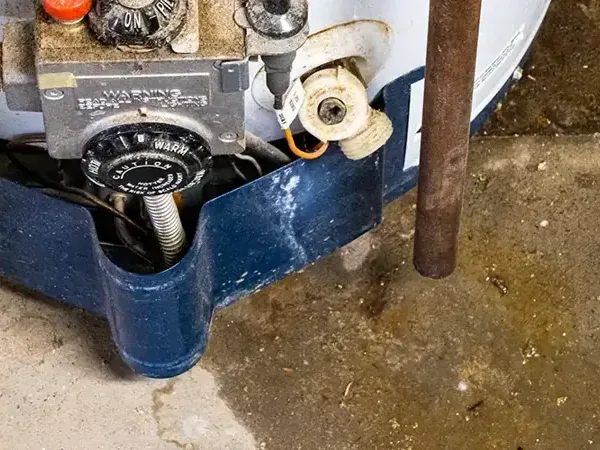
Water escaping around the heater

Water Heater Leak Cleanup in Avondale Estates

A puddle beside a water heater can reach wall bases and adjoining flooring before the tank problem is noticed. Cleanup checks the space around the equipment and the materials beyond the visible pool.

(888) 532-4616Arrange cleanup around the leaking heater
Equipment area inspection Adjoining floor checks Source service coordination
Water escaping around the base of a gas water heater
Visible clueWater beside equipment
Room checkActual heater location
Material concernWet surrounding finishes
Separate taskEquipment repair service
First steps

Water Heater Leak Cleanup: what to do now

  1. 1.Keep clear of wet equipment controls

    Avoid operating the heater from a damp floor or touching exposed connections. Explain hot water, nearby electricity and any access obstruction when arranging the equipment assessment and the interior cleanup visit.

  2. 2.Note the route out of the room

    Identify where water crossed a threshold or reached stored belongings. The first visible puddle may be smaller than the wet floor assembly, so mention changes in adjacent rooms during the service request.

  3. 3.Separate contents from the source repair

    Dry items reachable safely can be protected, but heavy wet contents need planned handling. Leave heater movement and disconnection to the appropriate trade so cleanup access does not interfere with equipment safety.

  4. 4.Check areas exposed after heater service

    Once repair or replacement gives access behind the unit, those surfaces need moisture assessment. Keep finish repairs open until the newly accessible wall and floor portions have been included in the drying check.

Safety before water heater leak cleanup

Hot water, electrical components and fuel connections can make the equipment area hazardous. Owners should avoid touching controls while standing on a wet surface or attempting to move the heater. Appropriate equipment service is needed for isolation and repair when access or the source condition makes owner action unsafe.

Keep children and pets away from the puddle and any detached finish material. Wet boxes and soft belongings should not be carried through clean rooms without a handling plan. Photographs from outside the affected area can show the spread while the equipment and electrical conditions are being assessed for safe entry.

How the work is held to standard

How water heater leak cleanup is handled

Inspect the equipment surroundings

The restoration assessment records the heater location, water path and materials affected around it. Equipment safety and source service remain coordinated with the appropriate trade. Moisture readings extend beyond the obvious puddle to include adjacent walls, floor transitions and any contents that concealed the water or limited initial access.

Collect water and create workable access

Accessible water is removed while affected belongings and damaged finishes receive individual handling decisions. The plan accounts for any heater removal or repair needed before surfaces behind it can be reached. Those temporarily inaccessible areas remain listed so they are included when equipment service opens the space for inspection.

Dry the retained floor and wall assembly

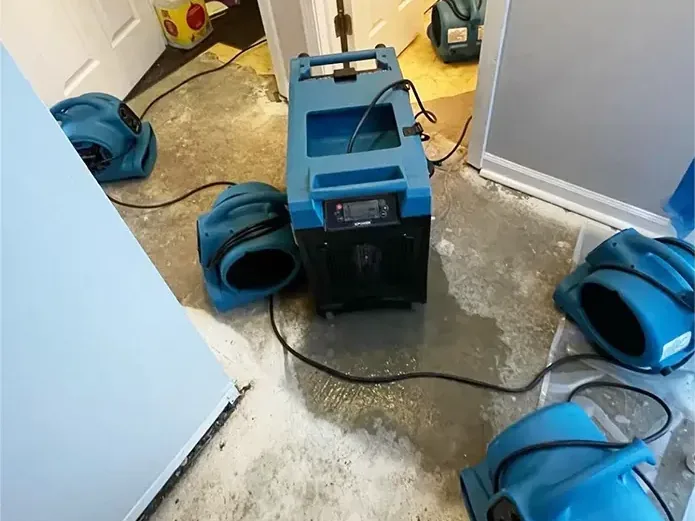
Drying targets the construction that remains after water collection and selective material removal. Air movement and moisture control are arranged for the actual space, including tight corners or connected rooms. Measurements track progress at the perimeter and beneath accessible coverings rather than relying on the appearance of the utility floor.

Confirm the room is ready for repairs

The completion record identifies treated areas, readings checked and damaged finishes that still need reinstatement. Equipment repair information is kept alongside that record without substituting for the material drying assessment. The owner can then plan flooring, trim or wall repair with a clear understanding of which restoration tasks have finished.

Typical cost ranges

What does water heater leak cleanup cost in Avondale Estates, GA?

Water heater leak cleanup in Avondale Estates depends on access around the equipment and the spread into adjoining materials. These ranges outline restoration work at different scales. Heater repair or replacement, equipment disconnection and later reconstruction should be identified separately when preparing the full estimate.

Contained utility-space loss

$800 to $1,500
  • Accessible pooled water
  • Small wet perimeter
  • Limited contents handling

Closet and adjacent room

$1,500 to $2,700
  • Doorway floor spread
  • Additional wall checks
  • Connected drying area

Extended floor and contents loss

$2,700 to $4,000
  • Multiple saturated layers
  • Broader stored contents
  • Complex equipment access

Water category, wet area, material depth and the delay before extraction affect the scope. The water damage cost calculator gives a planning range; the assessment sets the work required.

The process

Water Heater Leak Cleanup from assessment to dry materials

Water heater cleanup treats the room and contents affected by escaping water. The assessment considers the actual heater location, surrounding finishes and accessible wet layers while the equipment trade addresses the tank, connection or other source of leakage.

  1. Source assessment

    The source repair record identifies the entry point and the correction performed.

  2. Material decisions

    Photos and moisture mapping define the affected assembly before removal or replacement.

  3. Drying verification

    Repeat measurements compare the affected materials with suitable dry references.

  4. Repair handoff

    The final scope separates completed drying from finish work and reconstruction still required.

The tank attracts attention, but the cleanup boundary may extend through a doorway or beneath a nearby wall. Water heater leak restoration in Avondale Estates examines the room around the equipment before deciding what needs drying. At a property near Franklin Street, the useful details are the heater's actual position, the floor covering and the route water followed into adjoining construction or stored contents.

Inspect past the edge of the utility space

A small equipment area can release water into a much larger floor assembly. Trim, stored items and a door threshold may obscure the route. The moisture inspection should therefore include adjoining walls and the next room wherever the pattern suggests spread. A replacement heater resolves the equipment problem, while the wet surroundings still require a separate cleanup and drying decision.

  • Look beneath stored contents that stood directly on the wet floor.
  • Check the doorway transition for water entering a different floor covering.
  • Inspect accessible wall bases behind and beside the heater installation.
  • Record surfaces that cannot be reached until equipment service is complete.

Organize access around equipment work

The restoration plan needs to account for removal or servicing of the heater when that work blocks access to wet materials. A dry looking front edge may hide dampness behind the unit or under adjacent finishes. Documenting those areas keeps the drying scope open until the inaccessible portions can be inspected, instead of treating the visible puddle as the entire loss.

Town Green and Lake Street are familiar local settings, while the downtown commercial district includes consignment stores. In either a residential or working space, heater cleanup should be organized around the room as it exists. Stored stock, shelving and occupied access routes can change the practical sequence without changing the need to measure the affected materials.

Return the space to use after material checks

Extracting pooled water makes the floor more accessible, but absorbent layers can remain wet underneath. Drying equipment then addresses retained construction, with followup readings showing progress at the wall bases and floor assembly. The owner should receive a clear distinction between completed equipment service, completed drying and any damaged finishes still awaiting repair. Broader pooled water can also require water extraction before detailed moisture treatment.
Service area

Water heater leak cleanup coverage in Avondale Estates

Heater leak cleanup serves Avondale Estates properties near Lake Street, Franklin Street and the Town Green area. Explain where the equipment sits, what surfaces became wet and whether the release is continuing inside the building.

The same service nearby: water heater leak cleanup in Clarkston, Scottdale, North Decatur.

Water damage restoration in Avondale Estates · every town covered

Questions

Water Heater Leak Cleanup questions in Avondale Estates

Does replacing the heater finish the cleanup?

A new heater controls the equipment problem, but water may remain in surrounding walls, flooring or stored contents. Those materials need their own assessment. Drying and repair decisions should be based on their condition after the equipment work provides access to the affected area.

Can water travel beyond a small heater closet?

Water can cross thresholds, enter floor seams and collect beneath nearby finishes. An inspection should follow the observed spread into adjacent rooms when needed. The size of the equipment space alone does not define the size of the restoration scope.

Should the heater be moved to check underneath?

Heater movement and disconnection belong to the appropriate equipment trade. Wet connections, hot water and the weight of the unit can create hazards. Restoration work should coordinate access with that service so hidden surfaces can be assessed safely after the equipment is moved.

What if the leak stopped before it was noticed?

The surrounding materials may still hold moisture even if no new water is appearing. Note any staining, warped finishes or wet stored items and arrange an assessment. Measurements can establish the affected boundary and determine whether drying or removal is still needed.

Are boxes stored nearby part of the scope?

Boxes and their contents require assessment when they contacted the water or blocked access to a wet surface. Their treatment differs from the building itself. The written scope should state whether handling, evaluation or separate contents service is included in the proposed work.

How is a narrow utility area dried?

Equipment placement depends on the space available and the materials involved. Access may need improvement where wet layers sit behind finishes or the heater. Followup readings establish whether the arrangement is drying the assembly effectively and whether changes are needed during treatment.

Water loss support

Include the room in the recovery plan

Source service and material drying work together when inaccessible surfaces, adjoining finishes and remaining repair needs are recorded clearly from the start.

(888) 532-4616Request heater area water cleanup
(888) 532-4616Water help, 24/7