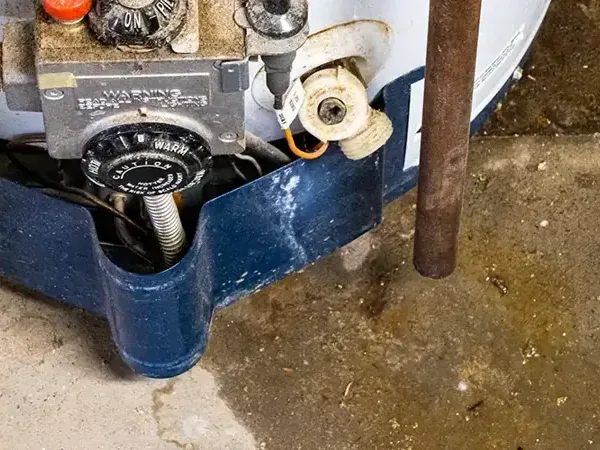
A water heater leak can create an uneven damage pattern: a wet equipment pad, a dry looking doorway and soaked flooring beyond it. The cleanup inspection follows that pattern instead of stopping at the appliance. North Decatur properties need a heater specific assessment based on the actual equipment location, surrounding finishes and pathway taken by the released water.
Look past the equipment footprint
Country Squire Court is off Pangborn Road. At an affected home, the first useful details are whether the heater occupies a closet, open utility area or another enclosure and which finishes touch that space. Water may collect beneath trim or move under a door saddle, leaving adjoining carpet or wood wetter than the visible area beside the tank.
- Check the threshold and the floor immediately beyond the equipment enclosure.
- Inspect stored boxes and belongings that contacted the released heater water.
- Record wet trim before equipment replacement changes access to the room.
- Identify surfaces hidden behind the heater that still require moisture assessment.
Replacing the heater does not replace the cleanup
North Druid Valley is centered on Homewood Court. For a property there, equipment replacement and interior restoration should be scheduled with access in mind. Removing the failed heater may expose damp surfaces that were previously unreachable. Those areas should be documented and treated before a new unit or surrounding finish blocks access to the remaining moisture again.
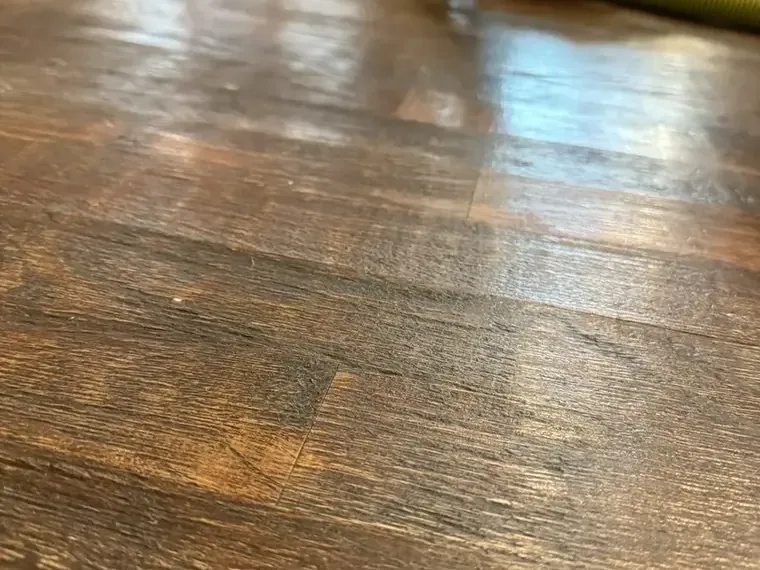
Closet walls, floor layers and adjacent cabinetry each respond differently to water. A swollen panel may need replacement, while retained framing can require drying. The assessment should identify those material decisions and any limitations created by the heater's position. A working replacement unit solves the equipment problem but leaves the surrounding wet assembly as a separate restoration task.
Track the water into the next occupied room
University Heights is north of North Decatur Road around Willivee Drive. In an affected interior, a hallway or bedroom beside the equipment area may become the receiving room. Inspection should extend to its floor seams and wall bases, especially when water escaped under a continuous covering before the occupant noticed the leak near the heater.
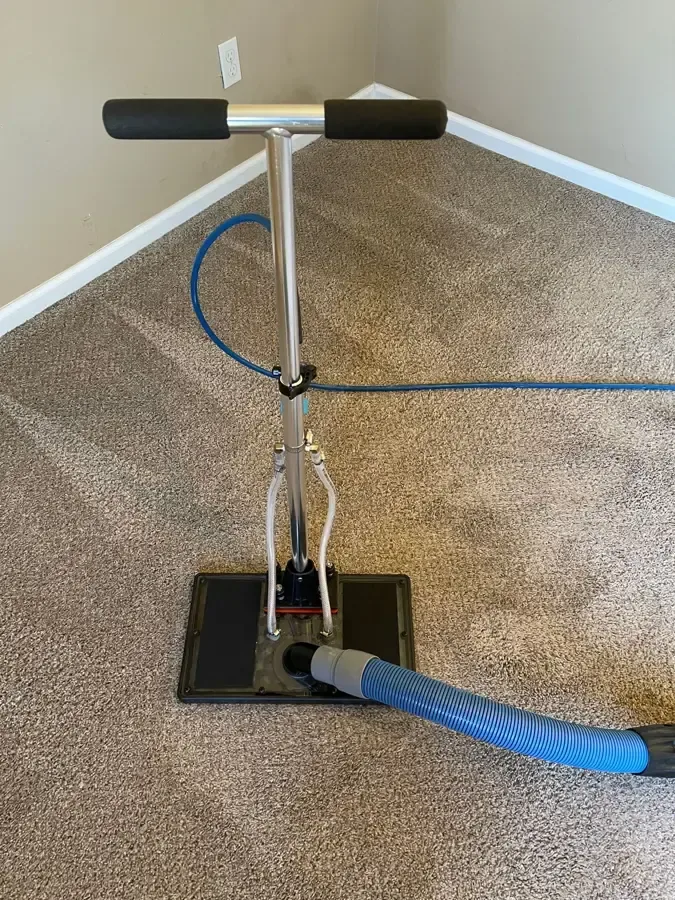
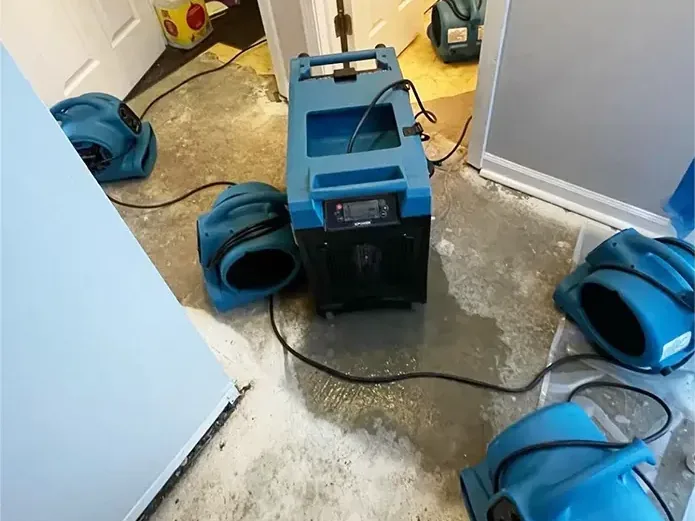
Floor water extraction may precede retained material drying. The final scope should include contents handling, inaccessible sections and the equipment repair status. This provides a practical sequence for clearing the enclosure, recovering water and preparing damaged finishes for replacement without treating the small visible puddle around the tank as the full extent of the loss.