Water damage response across DeKalb CountyWater and sewage cleanup · IICRC S500
Recovery around a leaking heater

Water Heater Leak Cleanup in Scottdale

A heater leak may escape the utility space before the tank problem is noticed. Scottdale cleanup examines the area beneath the equipment, nearby wall bases and the next room's flooring while heater service addresses the source.

(888) 532-4616Assess wet surfaces surrounding equipment
Utility space assessment Adjacent flooring checks Equipment service coordination
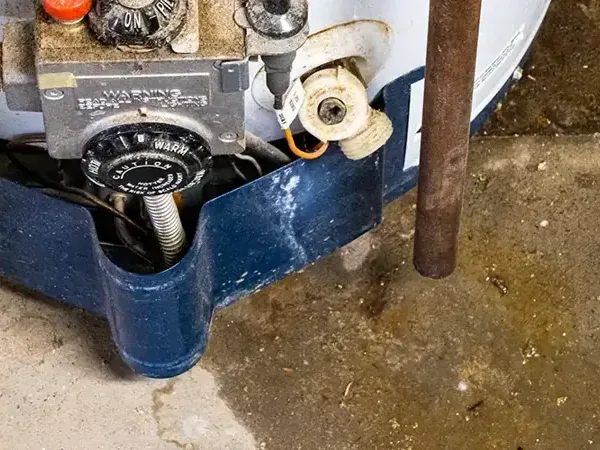
Water escaping around the bottom of a gas water heater
Equipment concernSafe service access
Water footprintBeyond the closet
Hidden surfacesBase and backing
Next tradeHeater repair coordination
First steps

Water Heater Leak Cleanup: what to do now

  1. 1.Arrange safe equipment isolation

    A service provider assesses the heater and its energy connections. Occupants should avoid hot discharge and wet controls, describing visible conditions without reaching behind the tank or attempting unsafe isolation.

  2. 2.Describe the water beyond the tank

    The property contact can identify pooling at the closet doorway, nearby carpet or adjoining room. Those details help the inspection follow the released water instead of limiting attention to the equipment footprint alone.

  3. 3.Make storage decisions carefully

    Dry movable items may be cleared from a safe access route. Wet boxes or belongings near connections need assessment before handling so relocation does not disturb the heater or spread water into clean living spaces.

  4. 4.Coordinate the service and drying visits

    The heater trade and cleanup team may need access to the same floor area. Sharing replacement timing and repair findings helps expose damp surfaces for inspection before the new equipment or repaired finishes cover them again.

Safety before water heater leak cleanup

Heaters involve hot water and energy connections that require careful handling. Occupants should avoid wet electrical controls, hot discharge and any unstable equipment. A qualified service provider can determine safe isolation and repair. The cleanup assessment should not require someone to reach behind a leaking tank or move it independently.

Storage around the heater may be wet, heavy or in contact with equipment connections. Belongings should be documented and relocated only when access is safe. A clear work area helps the service and recovery trades, but creating that access should never involve disconnecting equipment or disturbing an unassessed damaged base.

How the work is held to standard

How water heater leak cleanup is handled

Assess the heater condition and surrounding area

The recovery assessment starts with safe access and the equipment service status. The crew maps visible water around the base, doorway and adjacent finishes. Storage and equipment placement are noted because they can conceal damp surfaces or limit the access needed for effective material recovery.

Recover liquid and assess concealed base surfaces

Accessible water is removed while wet wall bases and floor coverings are evaluated. If the heater needs movement or replacement, the service trade coordinates that work. Newly exposed surfaces can then be inspected, documented and included in the cleanup scope before equipment is returned to position.

Dry the utility space and connected finishes

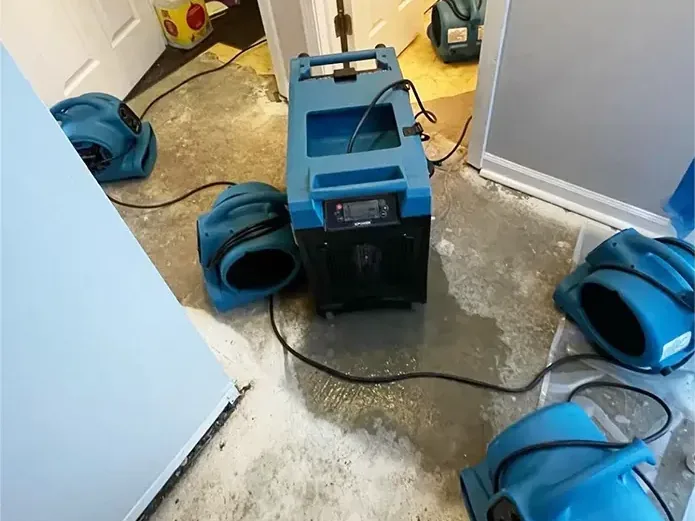
The drying arrangement addresses retained surfaces around the heater location and any room reached by the release. Progress checks include enclosed edges that may respond slowly. Equipment placement maintains safe access and respects the needs of the heater service work while moisture is removed from the building materials.

Separate equipment readiness from room completion

A functioning heater confirms one part of the recovery, while the surrounding materials need their own completion evaluation. Closing notes summarize retained surface conditions, removed finishes and any affected belongings. The owner can use that record to organize repairs around a clear account of the remaining work.

Typical cost ranges

What does water heater leak cleanup cost in Scottdale, GA?

Water heater damage cleanup in Scottdale has planning ranges of $800 to $4,000 for the scopes below. The wet footprint, concealed base access and adjacent room effects shape the estimate. Heater service, equipment replacement and final finish repairs should be separated from material recovery costs.

Contained utility-space loss

$800 to $1,500
  • Accessible floor pooling
  • Localized base checks
  • Focused utility drying

Closet and adjacent room

$1,500 to $2,700
  • Doorway moisture spread
  • Connected finish exposure
  • Selective edge access

Extended floor and contents loss

$2,700 to $4,000
  • Broader floor saturation
  • Affected storage handling
  • Expanded drying arrangement

Water category, wet area, material depth and the delay before extraction affect the scope. The water damage cost calculator gives a planning range; the assessment sets the work required.

The process

Water Heater Leak Cleanup from assessment to dry materials

Water heater leak cleanup recovers released water and evaluates the surrounding building materials. The heater's mechanical repair or replacement remains a separate task, coordinated with access to wet flooring, wall finishes and any affected storage nearby.

  1. Source assessment

    The source repair record identifies the entry point and the correction performed.

  2. Material decisions

    Photos and moisture mapping define the affected assembly before removal or replacement.

  3. Drying verification

    Repeat measurements compare the affected materials with suitable dry references.

  4. Repair handoff

    The final scope separates completed drying from finish work and reconstruction still required.

A narrow wet strip outside a utility closet can be the first visible sign of a heater release. Water may have pooled around the tank or soaked the wall base before reaching the doorway. Water heater leak cleanup in Scottdale looks at that concealed origin and the connected room, so replacing the equipment does not leave the surrounding materials damp.

Inspect the utility space before covering it again

The Scottdale Cotton Mill development included worker housing, and Oak Forest Apartments opened in 1968. These housing contexts support different types of service requests, with the actual heater location established at the property. A closet, utility room or other equipment space needs its own inspection of present flooring, wall finishes and access.

  • Water can collect beneath the tank base before reaching the doorway.
  • Stored containers can hold moisture against the lower wall finish.
  • Adjacent carpet edges may absorb water from a hard utility floor.
  • New equipment placement should allow assessment of the previously covered wet surface.

Look beyond the immediate equipment footprint

Needham Park is greenspace at McLendon Drive and East Ponce de Leon Avenue. For a property described using that landmark, the important interior details include the heater's level, adjacent rooms and current pooling. A clear description helps plan equipment access and identify whether water may have entered a lower or adjoining space.

The recovery scope considers the utility floor and every connected finish the release reached. A damaged cabinet panel or softened wall base may require removal, while sound exposed materials may be dried. The decision depends on actual condition and access, including surfaces temporarily blocked by the heater or stored belongings.

Coordinate replacement timing with material recovery

A service visit can stop the leak or replace the tank, but wet backing and floor layers still need attention. Where equipment movement exposes the base, inspection and photographs can clarify the remaining recovery area. The trades should coordinate that access so new equipment does not immediately cover material that has not been assessed.

Any remaining absorbed moisture can be addressed through structural drying once the source is controlled. Repeat readings show how the surrounding assembly responds. The closing record should identify the heater service status, materials removed and surfaces ready for repair, allowing the owner to distinguish a working hot water system from a completed room recovery.
Service area

Water heater leak cleanup coverage in Scottdale

Assessment can address utility rooms, heater closets and adjoining spaces in community properties. The initial report should identify visible pooling, the equipment location and whether a qualified service provider has already isolated the heater.

The same service nearby: water heater leak cleanup in Clarkston, North Decatur, Avondale Estates.

Water damage restoration in Scottdale · every town covered

Questions

Water Heater Leak Cleanup questions in Scottdale

Does a new heater solve the damp utility floor?

Replacing the heater stops the equipment problem when the service is complete, but water already in the floor or wall base may remain. Recovery checks those surrounding materials and plans drying or removal based on their condition and access.

Can the leak spread beneath an adjoining carpet?

Yes. Water can cross the doorway and collect in backing or padding before the carpet surface looks very wet. Inspection of the transition helps identify that spread and determine whether extraction, material removal or drying is appropriate for the assembly.

Should belongings beside the tank be moved first?

Only where handling is safe and equipment connections will not be disturbed. Wet storage may be heavy or conceal pooling. The cleanup plan can document affected items and establish a relocation route that keeps clean rooms from becoming damp.

What if water is still appearing after service?

The source status needs another evaluation. Water may be draining from retained materials, or an active issue may remain. The service and recovery trades can compare observations and material readings before assuming the equipment replacement has resolved every part of the release.

Can drying equipment fit inside a small closet?

The arrangement depends on access, retained surfaces and the safe clearances needed around equipment. Some assemblies need selective openings or an approach from the adjacent room. The crew chooses the method from the actual space instead of relying on closet size alone.

What should the final work description include?

The record should distinguish heater service from water removal, material disposal, drying and reconstruction. It should also identify any affected storage. That separation helps the owner understand which tasks are complete and which require another trade or a later repair visit.

Water loss support

Check the room as carefully as the heater

A coordinated assessment keeps wet building materials visible while heater repair or replacement moves forward and the surrounding space is prepared for restoration.

(888) 532-4616Discuss the tank area's wet materials
(888) 532-4616Water help, 24/7