Water damage response across DeKalb CountyWater and sewage cleanup · IICRC S500
Standing water recovery

Water Extraction in Scottdale

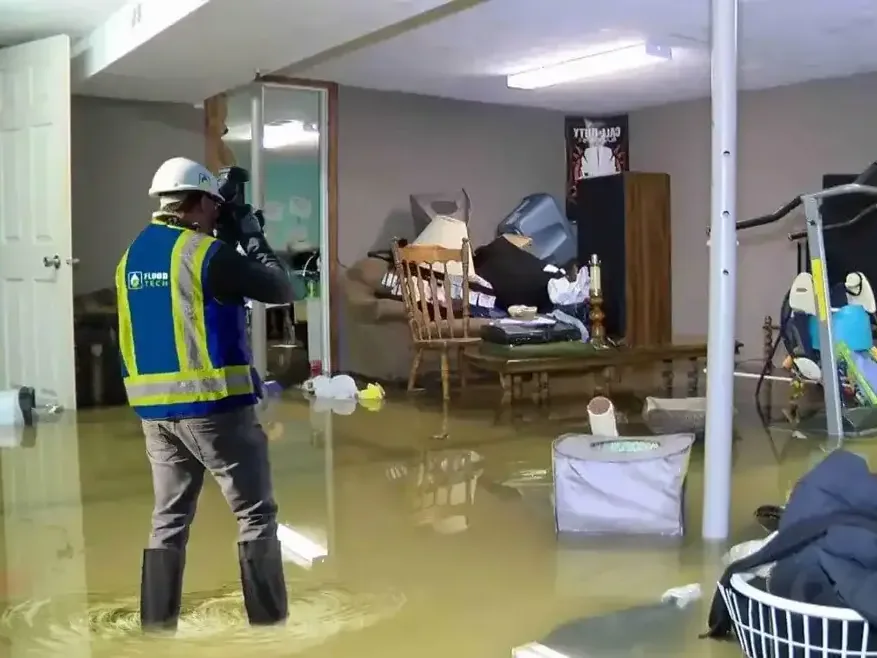
Water trapped around furniture and floor edges can keep feeding nearby materials. Scottdale extraction starts by finding the full wet footprint, then removing accessible water before focused drying addresses what remains absorbed.

(888) 532-4616Arrange standing water removal
Pool removal Carpet recovery checks Drying handoff
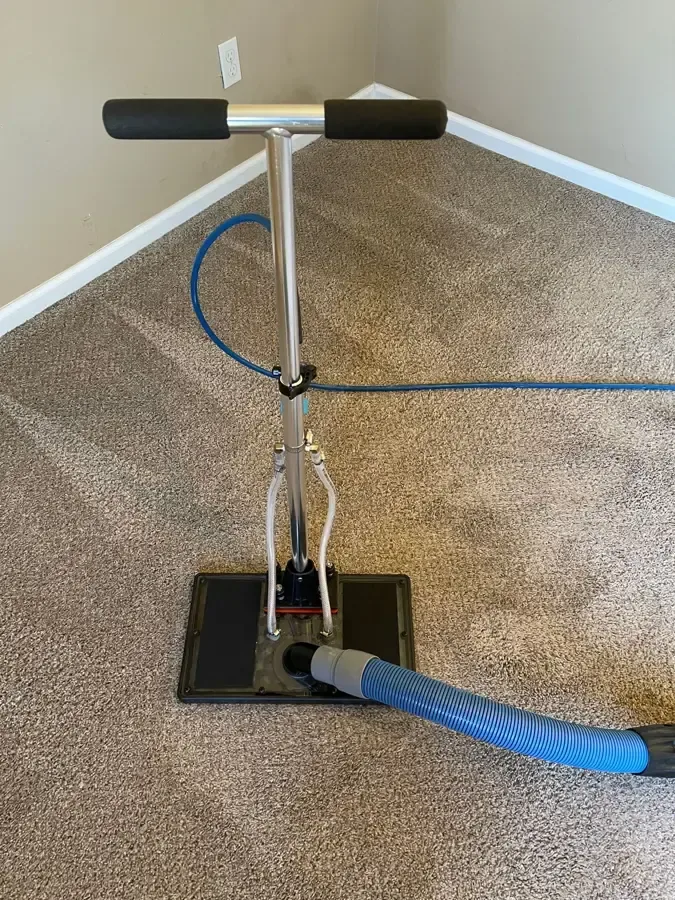
Carpet extraction wand attached to a blue recovery hose
Immediate taskRemove pooled water
Source statusFlow checked first
Hidden spreadEdges and backing
Next decisionMaterial drying scope
First steps

Water Extraction: what to do now

  1. 1.Keep a dry approach

    Occupants should identify a stable route to the affected room without entering standing water. Wet outlets, unusual odors or unstable finishes belong in the initial description of conditions.

  2. 2.Limit continuing water flow

    A safe, accessible shutoff can reduce a plumbing release. If the source remains uncertain, the request should explain where water is appearing and whether the wet boundary is growing.

  3. 3.Photograph the pooled areas

    Images from dry ground can record the room perimeter, belongings and doorway spread before extraction changes the scene. Documentation should never require entering an unsafe area.

  4. 4.Clear access without spreading water

    Dry belongings can be moved away from the equipment route when handling is safe. Wet items need a separate placement decision so clean floors do not become secondary work areas.

Safety before water extraction

Standing water can conceal electrical hazards, sharp debris and changes in floor level. Occupants should remain on dry, stable ground and avoid operating plugs or appliances in the affected area. A submerged electrical connection needs assessment before extraction equipment or foot traffic enters that space.

Water with sewage or outdoor contamination requires controlled handling. A household vacuum and an open route through clean rooms can spread the problem. The initial assessment identifies the likely source and keeps the removal method appropriate to the water encountered, including disposal and protection of nearby belongings.

How the work is held to standard

How water extraction is handled

Map pools and access constraints

The extraction assessment starts with the source status, safe working route and visible water boundary. The crew identifies surface types and room transitions that may hold water, then separates recoverable liquid from areas needing a different contamination or material removal approach.

Recover water from accessible surfaces

Equipment is selected for the floor and the depth of water encountered. Recovery passes address open areas and accessible edges while hoses remain arranged around safe movement. Where absorbent layers retain water, the inspection determines whether further extraction or controlled removal makes sense.

Recheck the perimeter after removal

A second look follows extraction because pools can hide uneven floors and wet transitions. Material testing around walls, closets and adjoining rooms identifies moisture left behind. These observations establish the drying area and any openings needed to reach concealed portions of the assembly.

Explain what remains to be dried

The handoff records the water removed, materials affected and conditions requiring further work. Equipment for absorbed moisture is planned from the remaining wet footprint. The owner receives a practical explanation of why specific layers need drying, removal or evaluation before repair work can proceed.

Typical cost ranges

What does water extraction cost in Scottdale, GA?

Scottdale extraction planning ranges from $700 to $4,500 across the scopes below. Accessible water volume, flooring, contamination and room connections affect the estimate. Drying concealed assemblies, source repair and replacement finishes should be identified separately in the written work description.

Small accessible area

$700 to $1,400
  • Open floor pooling
  • Simple equipment access
  • Limited material checks

Several wet rooms

$1,400 to $2,800
  • Connected room spread
  • Additional recovery passes
  • Expanded moisture mapping

Extensive water removal

$2,800 to $4,500
  • Broad standing water
  • Complex extraction access
  • Multiple material transitions

Water category, wet area, material depth and the delay before extraction affect the scope. The water damage cost calculator gives a planning range; the assessment sets the work required.

The process

Water Extraction from assessment to dry materials

Extraction reduces the water sitting on floors and held in accessible absorbent layers. The inspection also identifies unsafe access, contamination and hidden wet edges that need attention beyond the visible puddle.

  1. Source assessment

    The source repair record identifies the entry point and the correction performed.

  2. Material decisions

    Photos and moisture mapping define the affected assembly before removal or replacement.

  3. Drying verification

    Repeat measurements compare the affected materials with suitable dry references.

  4. Repair handoff

    The final scope separates completed drying from finish work and reconstruction still required.

A puddle that crosses a doorway rarely leaves a neat boundary inside the floor. Carpet backing can hold water after the surface has been vacuumed, and a cabinet toe space can collect a separate pool. Water extraction in Scottdale begins with the visible water but also follows those transitions so the next phase starts with a realistic picture of the loss.

Find the water that a mop leaves behind

The Scottdale Cotton Mill development included worker housing, while Oak Forest Apartments opened in 1968. These are different residential contexts for a water removal request. At the affected property, the crew checks the present floor coverings and room layout, then selects equipment that can reach the water without damaging surfaces that remain sound.

  • Doorway transitions can conceal a second layer of wet padding.
  • Furniture legs and storage containers can hide separate damp footprints.
  • Wall bases deserve testing where the water remained against the room perimeter.
  • Closet floors may need access even when the main room drains.

Choose removal methods around the material

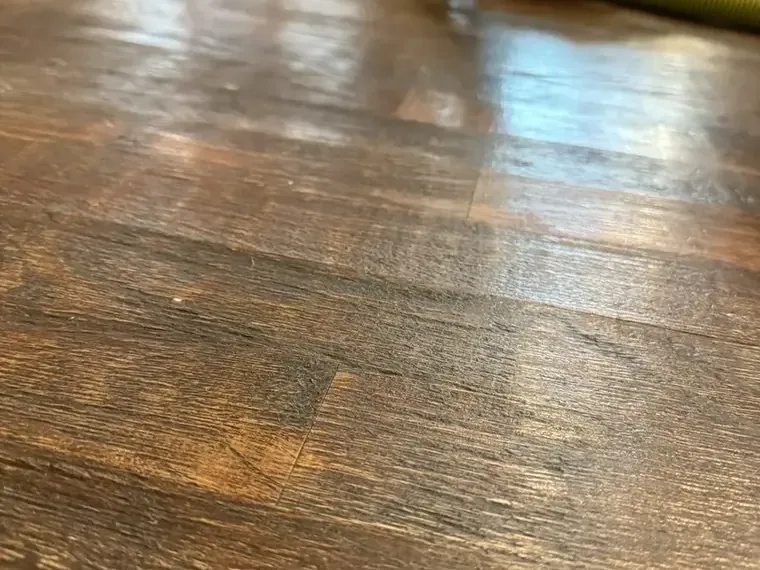
A hard floor with shallow pooling calls for different recovery tools than saturated carpet. The amount of accessible water, contamination and condition of the backing all affect the approach. Lifting a limited edge may reveal whether the material underneath needs additional extraction, removal or a separate drying arrangement.

Needham Park sits at McLendon Drive and East Ponce de Leon Avenue. For a property identified by that location, useful instructions still include the entrance, steps and wet rooms. Clear access information helps place hoses and equipment while protecting clean walkways and keeping household activity outside the work area.

Turn removal into a practical drying plan

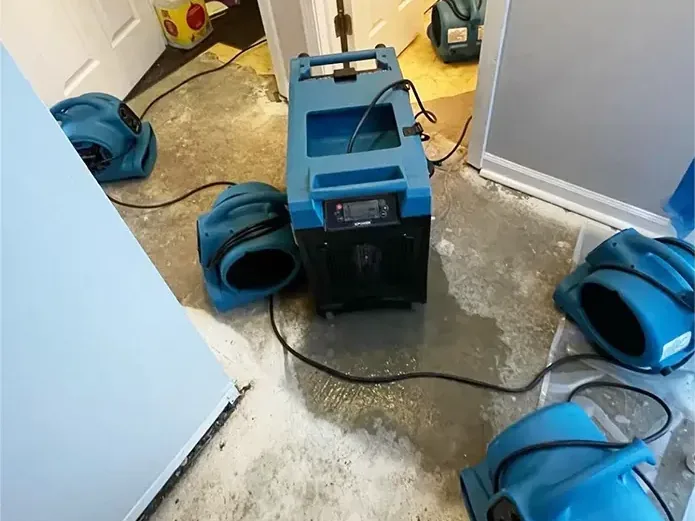
Once visible pools are gone, material readings identify what remains wet. The crew checks the room perimeter, compares affected surfaces with suitable dry references and notes any concealed spaces that need access. The result should explain which materials can remain and which conditions prevent effective drying in place.

The structural drying service continues that work where moisture remains inside the building assembly. Extraction and drying are connected tasks with different endpoints: the first removes recoverable liquid, while the second addresses absorbed moisture. Keeping those decisions visible helps an owner understand why a room may still need equipment after the floor stops looking flooded.
Service area

Water extraction coverage in Scottdale

Water removal is available for community homes and business interiors. A request should describe the affected floor, water source and equipment entrance, with special attention to apartment access or restricted work areas.

The same service nearby: water extraction in Clarkston, North Decatur, Avondale Estates.

Water damage restoration in Scottdale · every town covered

Questions

Water Extraction questions in Scottdale

Can carpet still hold water after extraction?

Yes. The backing and padding may retain moisture even when the pile feels much better. Their condition and contamination determine whether they can remain. Testing beneath accessible edges helps separate a salvageable carpet from materials that need removal.

Does every puddle require a pump?

The recovery tool depends on water depth, floor surface and access. A shallow room spill may need extraction equipment suited to the surface, while deeper pooling can require pumping. The inspection selects the method around the actual conditions.

Is water removal enough for a wet wall base?

A wall base can absorb moisture before the floor is cleared. Removing the pool stops that direct contact, but material drying may still be necessary. Readings and access checks determine whether the cavity or trim needs additional attention.

Should furniture be moved before the crew arrives?

Only when movement is safe and the items can reach a dry location without spreading contamination. Heavy furniture, wet electrical items and unstable storage need professional assessment. Photographs can document the original position before safe relocation changes the room.

What changes the extraction scope in an apartment?

Entry arrangements, adjoining rooms and shared access affect the work sequence. The authorized property contact should help coordinate entry where water may have traveled. The cleanup plan follows the affected spaces rather than stopping at the first visible room.

When can normal room use resume?

Room use depends on remaining hazards, contamination and equipment placement. A floor without standing water may still be slippery or conceal damp layers. The recovery team should explain current restrictions and the conditions needed before routine access resumes.

Water loss support

Give the wet floor a clear next step

Water removal and followup moisture checks help define the remaining work before damaged surfaces are repaired or covered again.

(888) 532-4616Assess pooled water
(888) 532-4616Water help, 24/7