Water damage response across DeKalb CountyWater and sewage cleanup · IICRC S500
Wet boards and concealed layers

Hardwood Floor Water Damage in Scottdale

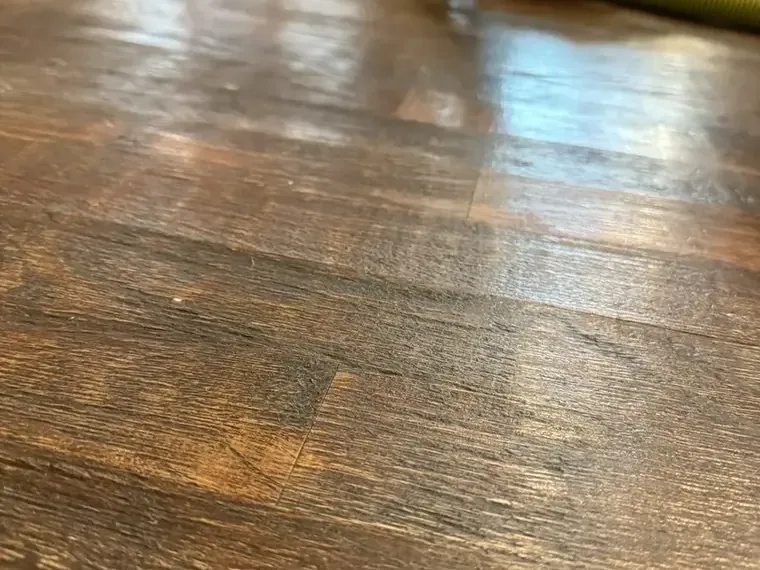
Raised board edges can remain after the surface water disappears. Scottdale hardwood recovery examines the installed flooring and the layers beneath it, using moisture comparisons to inform drying and later decisions about sanding or replacement.

(888) 532-4616Discuss changes in wet floorboards
Board condition assessment Substrate moisture checks Finish repair planning
Moisture reflecting across wet wood floorboards
Visible symptomChanged board shape
Assembly evaluationBoards and substrate
Drying decisionAccess beneath finish
Repair timingAfter material stabilization
First steps

Hardwood Floor Water Damage: what to do now

  1. 1.Protect unstable sections from traffic

    Keep raised boards outside walking routes. Occupants can identify unstable sections from sound flooring and avoid placing furniture there until the floor is assessed.

  2. 2.Share product and exposure details

    Any installation records, spare boards or product labels can help identify the flooring. The owner should also describe the water source, discovery timing and visible changes so the inspection can connect exposure with the affected assembly.

  3. 3.Avoid early cosmetic treatment

    Sanding, refinishing or forceful flattening should wait for a material assessment. A surface repair chosen while moisture remains uneven can complicate the final result, so drying and flooring decisions need coordination around measured conditions.

  4. 4.Keep covered edges available for inspection

    Rugs and movable dry furnishings can be relocated safely to expose the floor perimeter. Heavy items or cabinetry need a planned approach, particularly where movement could damage unstable boards or conceal the wet substrate beneath them.

Safety before hardwood floor water damage

Buckled boards, loose edges and slippery finishes can create a fall hazard. Occupants should keep clear of unstable sections and avoid forcing lifted boards back into place. Heavy furniture should not be dragged across the affected floor, especially where movement could split a board or conceal the damage beneath storage.

Early sanding can remove material while the floor is still changing shape. Strong localized heat can also stress the assembly. The drying and repair trades should evaluate moisture and product condition before aggressive surface treatment begins, giving the owner a clear reason for retaining, opening or replacing an affected section.

How the work is held to standard

How hardwood floor water damage is handled

Identify the installed flooring and wet boundary

The assessment records board construction, visible movement and accessible substrate details. Moisture comparisons extend beyond the obvious water mark and include suitable dry references. The crew also examines the release source and product information so the proposed recovery method fits the actual floor rather than its appearance alone.

Evaluate retention and access beneath the boards

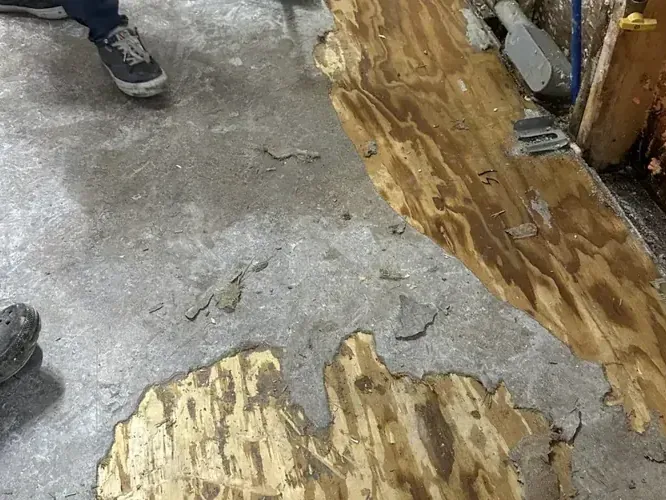
Damaged sections are reviewed for stability, adhesion and the possibility of effective drying. Where a covering traps moisture or has lost integrity, selective removal may be necessary. The owner receives an explanation of how that access supports the retained assembly and what it means for later flooring repairs.

Track the floor's response during moisture removal

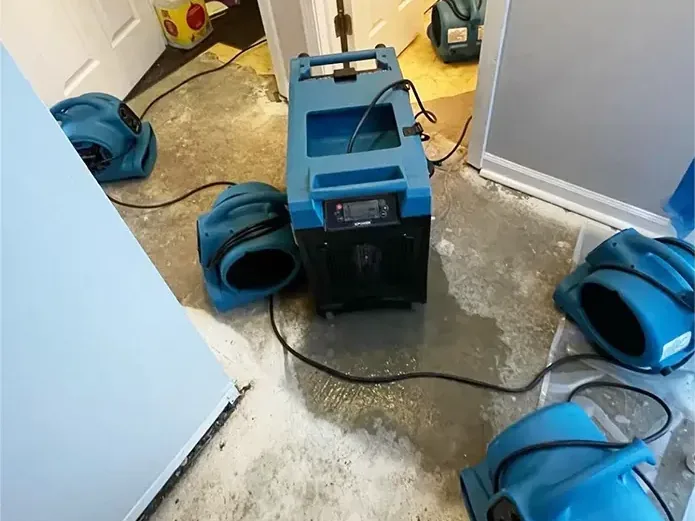
Drying equipment is arranged with attention to the product and surrounding room conditions. Readings at documented locations show whether moisture differences are decreasing. Board movement and other visible changes are reviewed alongside those measurements, allowing adjustments before surface work or new flooring obscures the condition of the underlying layers.

Coordinate the finish decision after drying evaluation

The completion discussion identifies retained boards, removed sections and remaining substrate preparation. The flooring trade can assess whether sanding, refinishing or replacement fits the stabilized material. Records of the exposure and drying results help explain that choice and keep cosmetic expectations connected to the actual condition of the floor assembly.

Typical cost ranges

What does hardwood floor water damage cost in Scottdale, GA?

Hardwood recovery planning in Scottdale ranges from $1,000 to $5,000 for the damage scopes shown. The floor product, substrate exposure and drying access affect the estimate. Sanding, refinishing and replacement boards require separate decisions after the retained assembly's condition is established through inspection and moisture checks.

Localized board exposure

$1,000 to $1,900
  • Limited wet section
  • Board edge testing
  • Focused drying access

Floor and substrate moisture

$1,900 to $3,400
  • Layered assembly checks
  • Selective covering removal
  • Repeated moisture comparisons

Extended floor assembly loss

$3,400 to $5,000
  • Broader board movement
  • Multiple connected areas
  • Complex flooring coordination

Water category, wet area, material depth and the delay before extraction affect the scope. The water damage cost calculator gives a planning range; the assessment sets the work required.

The process

Hardwood Floor Water Damage from assessment to dry materials

Hardwood water damage recovery considers the boards, their attachment and the substrate as an assembly. The inspection identifies the installed product and exposure, then evaluates drying access and material stability before a floor repair method is selected.

  1. Source assessment

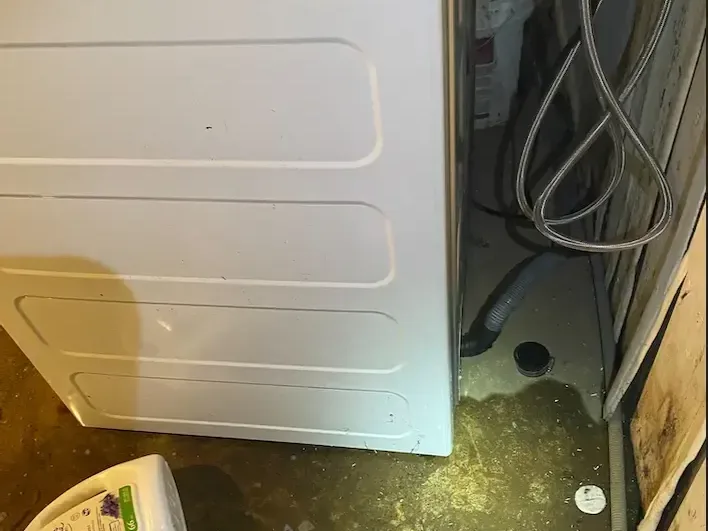
    The source repair record identifies the entry point and the correction performed.

  2. Material decisions

    Photos and moisture mapping define the affected assembly before removal or replacement.

  3. Drying verification

    Repeat measurements compare the affected materials with suitable dry references.

  4. Repair handoff

    The final scope separates completed drying from finish work and reconstruction still required.

A ridge between boards can change the way a room feels underfoot long after someone wipes up the water. That movement calls for evaluation of both the flooring and the material beneath it. Hardwood recovery in Scottdale starts with the installed product, exposure and moisture pattern, then develops a plan for the layers that must dry before finish decisions become reliable.

Identify the floor beneath its appearance

The Scottdale Cotton Mill development included nearby worker housing. Oak Forest Apartments opened in 1968, and industrial buildings are present along East Ponce de Leon Avenue. A wood floor request in any of these residential or commercial contexts needs identification of the actual installed boards, substrate and attachment method before a recovery approach is chosen.

  • Board edges and seams can show changes before the center surface does.
  • Moisture may remain beneath rugs after the exposed floor feels dry.
  • Cabinet footprints can interrupt access to the same continuous floor assembly.
  • Product construction influences how much repair or refinishing the boards can tolerate.

Measure the imbalance across the assembly

Testing compares affected areas with suitable dry references and looks for uneven moisture between the boards and substrate. A dry feeling top surface can sit above a damp layer. That difference helps explain why the recovery plan may need more than room airflow, including access at edges or selective removal of damaged sections.

The inspection also records staining, separation and loss of adhesion where relevant to the product. Those changes can affect retention even when moisture begins to decline. A useful scope distinguishes the goal of drying retained material from the later question of whether its appearance and stability support sanding, repair or replacement.

Use the drying record for the flooring decision

Repeated readings show whether the assembly is approaching suitable conditions and whether previously moving boards have stabilized. Equipment adjustments follow that progress. Sections that remain persistently wet or structurally damaged may require a different approach, with findings explained before the owner commits to a new floor or a full refinishing project.

When the water originated beneath concrete, slab leak damage recovery connects the source correction with the affected floor layers. For any origin, the flooring trade needs the material history and final condition. A documented handoff helps match the repair method to the boards that remain, the substrate preparation needed and the limits of the chosen finish.
Service area

Hardwood floor water damage coverage in Scottdale

Floor assessments are available where water has reached wood flooring in community properties. The owner can describe the release, visible board movement and any known product information, including whether water reached adjoining rooms or cabinetry.

The same service nearby: hardwood floor water damage in Clarkston, North Decatur, Avondale Estates.

Water damage restoration in Scottdale · every town covered

Questions

Hardwood Floor Water Damage questions in Scottdale

Can cupped boards flatten as they dry?

Some movement can change as moisture conditions stabilize, but retention depends on the product and extent of damage. The floor needs assessment before a repair promise is made. Readings and visible condition together inform whether continued drying or replacement makes sense.

Why should sanding wait after a water release?

A floor that is still changing moisture content may also change shape. Removing surface material too early can complicate the final profile. The flooring trade should assess drying progress and stability before selecting sanding or another finish repair method for the affected boards.

Does the substrate need testing when boards feel dry?

Yes. A dry feeling upper surface can conceal moisture underneath. Comparing board and substrate conditions helps establish whether the assembly is ready for repair. The appropriate testing and access depend on the installed product and the layers beneath it.

Can every wood floor be refinished after damage?

Refinishing suitability varies with product construction, remaining wear surface and damage. Separation, severe movement or attachment problems may change the decision. The recovery and flooring assessments should identify those limits before the owner commits to sanding or a replacement finish.

What if water reached beneath a fixed cabinet?

The floor may continue into a space that room airflow cannot reach. Inspection considers access at the cabinet base and any damaged panels. The scope should explain how concealed moisture will be evaluated beneath fixed cabinetry and where access to the continuous floor is needed.

How can an owner prepare for the flooring visit?

Product records, photographs and drying notes help the flooring trade understand the affected assembly. The owner can also identify changes noticed during recovery. Those details support a repair discussion based on the floor's condition rather than appearance at a single moment.

Water loss support

Let material condition set the floor repair plan

Moisture comparisons and stability observations help the flooring trade choose the next step after affected layers have been evaluated and dried.

(888) 532-4616Discuss the floor's recovery options
(888) 532-4616Water help, 24/7