Repeated dampness under a rug or beside a wall can point to water that is still entering the floor assembly. The surface may dry temporarily while moisture remains below it. For a suspected slab leak in Scottdale, the useful first distinction is between the plumbing investigation and the materials already affected. Both need attention before new flooring covers the area.
Begin with the building that is actually affected
The former Scottdale Cotton Mill development included nearby worker housing. East Ponce de Leon Avenue also has industrial buildings, and Steel LLC operates near North Clarendon Avenue. These settings call for inspection of the actual foundation and floor construction at the property. The recovery plan starts with what is present beneath the damaged finish.
- Plumbing findings help distinguish ongoing leakage from water left behind.
- Floor seams can reveal moisture extending beyond a visible patch.
- Cabinet bases deserve attention where dampness reaches an enclosed toe space.
- Repair openings and drying access may serve different purposes within the assembly.
Separate floor appearance from moisture condition
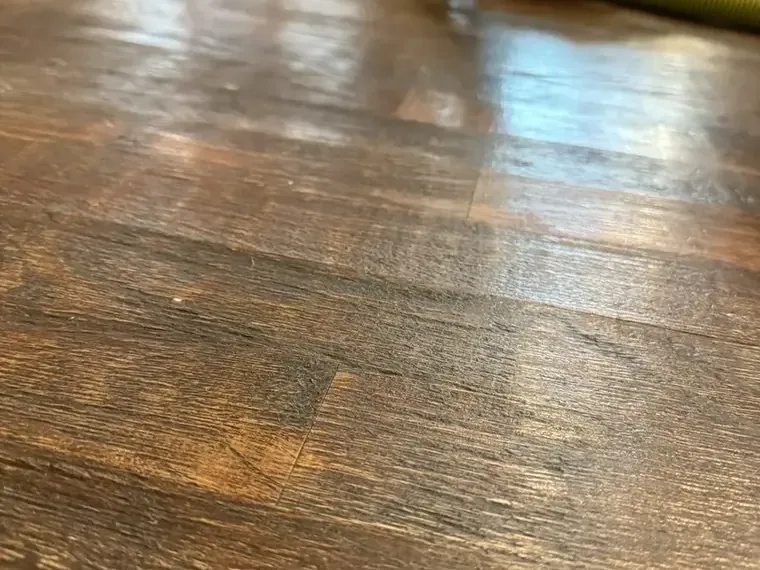
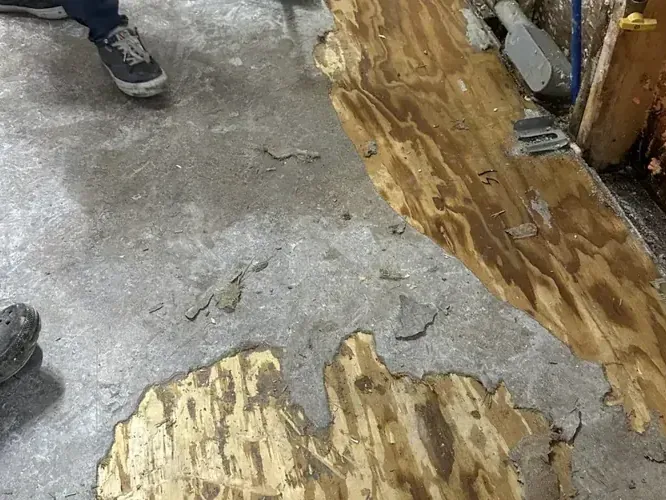
A discolored covering is only one part of the assessment. The crew checks edges, transitions and wall bases, comparing readings with appropriate dry areas. Where the covering limits access, a planned opening can expose the substrate and clarify whether moisture has spread beneath a larger section of the room.
The choice to retain flooring depends on its condition, the water exposure and whether the underlying layers can dry effectively. Adhesive failure, swelling or trapped moisture may change the removal scope. The owner should receive an explanation of these findings before replacement materials are selected or the affected surface is sealed.
Coordinate the repair opening with drying access
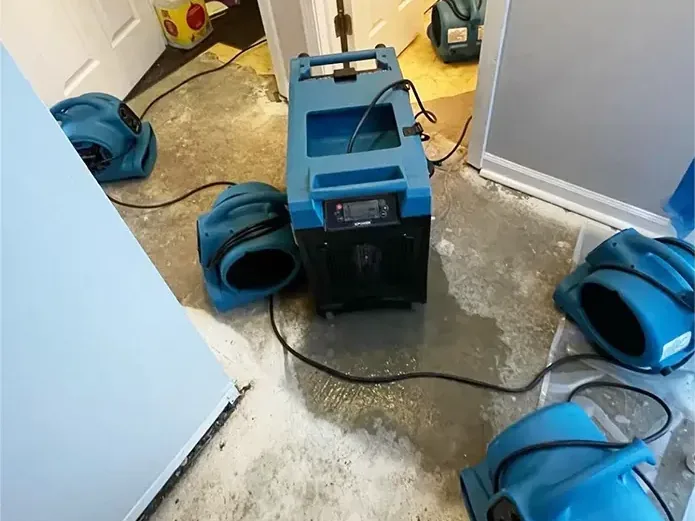
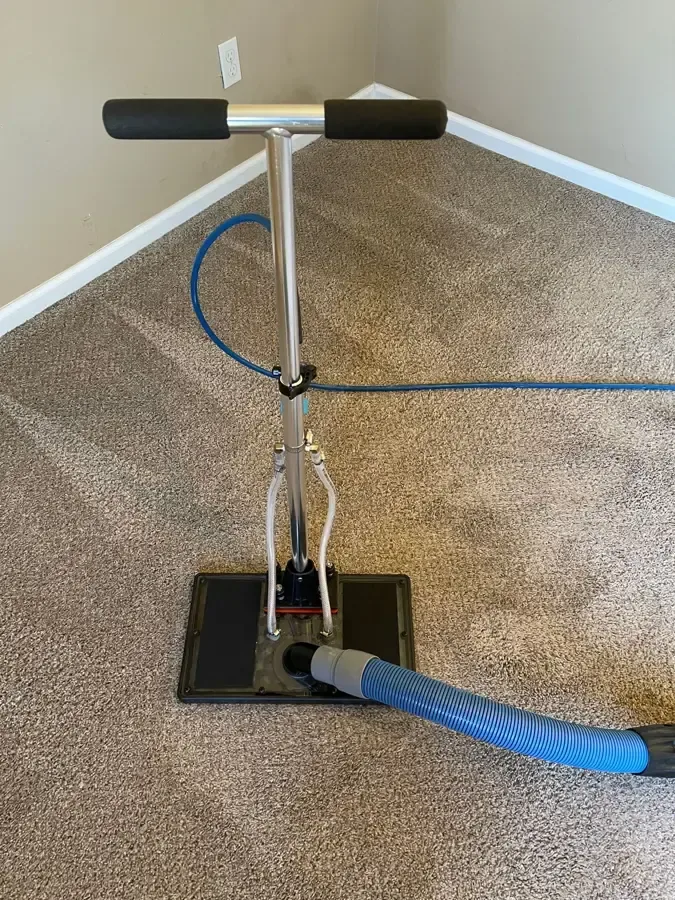
Leak detection and plumbing repair can leave a defined access area, but the wet footprint may extend beyond that opening. Recovery work follows the moisture rather than the repair cut alone. Drying equipment and material access are adjusted to the exposed layers, with repeated measurements showing whether the retained assembly is progressing.
Where wood flooring is affected, the hardwood recovery assessment considers the boards and substrate together. A flooring installer also needs suitable substrate conditions before new materials go down. Keeping the plumbing repair, moisture results and finish requirements in the same discussion helps prevent a repaired pipe from being mistaken for a completed floor recovery.