Water damage response across DeKalb CountyWater and sewage cleanup · IICRC S500
Moisture beneath floor finishes

North Decatur Slab Leak Water Damage

Damp flooring over concrete calls for a careful source investigation. North Decatur slab leak restoration examines the affected surface, substrate and wall edges while plumbing specialists determine where the release originates beneath or around the floor.

(888) 532-4616Discuss moisture beneath the flooring
Substrate moisture assessment Selective floor access Repair scope separation
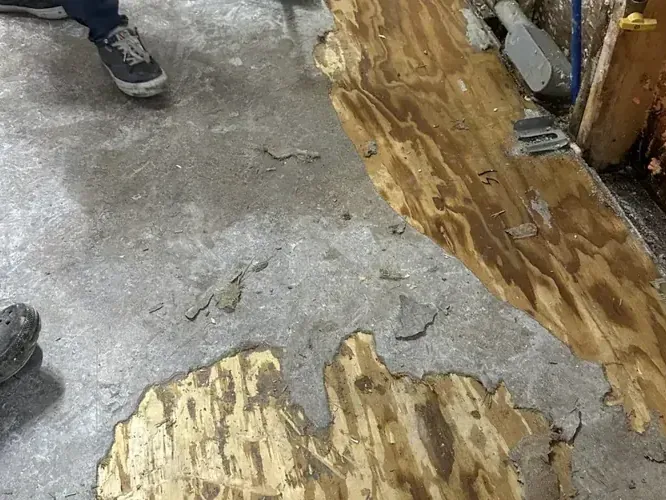
Removed floor covering revealing the concrete substrate underneath
Visible symptomPersistent floor dampness
Source taskPlumbing investigation
Restoration focusFloor and wall edges
Before replacementSubstrate condition checked
First steps

Slab Leak Water Damage: what to do now

  1. 1.Describe the persistent floor symptoms

    The assessment records recurring dampness, affected finishes and existing plumbing findings. This connects the proposed restoration work with the source investigation before access alters the visible floor condition.

  2. 2.Check the adjoining wall and floor

    Moisture mapping includes base trim, transitions and the accessible substrate. The inspected boundary follows affected materials rather than assuming the visible patch represents the complete water migration pattern.

  3. 3.Coordinate targeted access and recovery

    Source repair openings and finish removal are planned as related tasks. Accessible water is recovered, damaged layers are evaluated and retained materials are exposed only where needed for effective inspection and drying.

  4. 4.Confirm the substrate before replacement

    Monitoring tracks the exposed floor assembly after the leak is corrected. The repair handoff identifies remaining moisture concerns and material requirements that should be resolved before adhesive, underlayment or new flooring conceals the surface.

Safety before slab leak water damage

Concrete cutting or drilling should not begin simply because a patch of flooring feels wet. Concealed utilities and the location of the plumbing defect need appropriate evaluation. Restoration work can document damaged finishes and recover accessible water while the source investigation establishes where repair access is actually necessary within the floor.

Loose tiles, lifted boards and wet electrical connections can make an otherwise ordinary room hazardous. Occupants should keep clear of unstable finishes and avoid pulling them up before assessment. Controlled removal helps preserve useful observations about where moisture accumulated and prevents debris from spreading through the occupied space.

How the work is held to standard

How slab leak water damage is handled

Build a symptom and source record

The inspection combines observations about recurring dampness with available plumbing findings. A floor sketch marks affected coverings, wall edges and proposed repair access. This record helps the owner see how the concealed source investigation relates to the interior damage and prevents the visible surface patch from becoming the only basis for the scope.

Evaluate each affected floor layer

The finish, backing, adhesive and supporting surface are considered separately. A loose covering may expose moisture readily, while a adhered material can require more controlled removal. The technician records deterioration and access constraints so the choice to retain or remove material has a practical explanation tied to the actual assembly.

Dry exposed materials after source correction

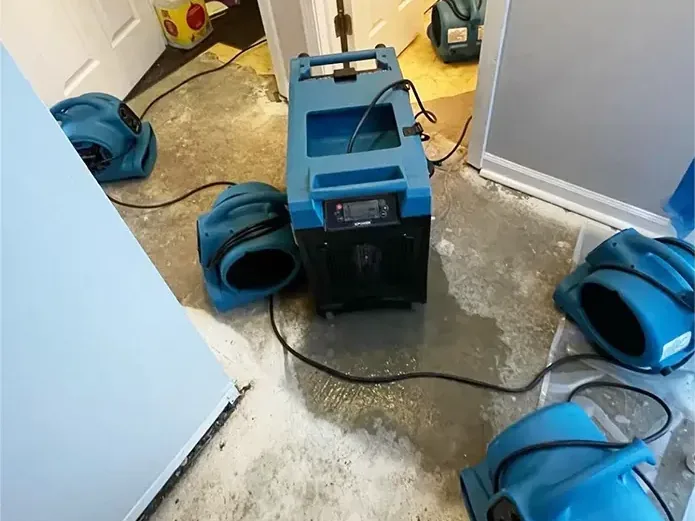
Once additional water is controlled, the drying setup addresses the retained floor and adjacent wall sections. Measurements track progress at representative locations, including edges where moisture accumulated. Equipment placement is adjusted to the room's access and the material response rather than relying on surface appearance or a predetermined calendar endpoint.

Prepare a flooring specific repair handoff

Final documentation describes removal boundaries, source status and the condition of the retained substrate. Replacement flooring requirements should be considered before the work area is covered again. The owner receives a clear distinction between completed drying, plumbing repairs and any remaining installation preparation needed for the chosen finish system at the property.

Typical cost ranges

What does slab leak water damage cost in North Decatur, GA?

Slab leak water damage costs in North Decatur depend on the affected floor layers, surrounding wall damage and access needed for restoration. Plumbing detection and repair can add separate work. A written scope should show the floor area involved and distinguish drying from replacement finishes.

Localized floor moisture

$1,500 to $2,600
  • Limited finish damage
  • Accessible substrate checks
  • Localized drying measures

Floor and wall bases

$2,600 to $4,300
  • Connected trim damage
  • Multiple material layers
  • Broader moisture monitoring

Extended floor assembly

$4,300 to $6,500
  • Extensive finish removal
  • Complex substrate exposure
  • Expanded restoration area

Water category, wet area, material depth and the delay before extraction affect the scope. The water damage cost calculator gives a planning range; the assessment sets the work required.

The process

Slab Leak Water Damage from assessment to dry materials

This service addresses damage associated with a verified leak affecting a concrete floor assembly. Recovery, material evaluation and drying are planned around the actual water pathway, with concealed plumbing diagnosis kept distinct from restoring wet interior finishes.

  1. Source assessment

    The source repair record identifies the entry point and the correction performed.

  2. Material decisions

    Photos and moisture mapping define the affected assembly before removal or replacement.

  3. Drying verification

    Repeat measurements compare the affected materials with suitable dry references.

  4. Repair handoff

    The final scope separates completed drying from finish work and reconstruction still required.

A floor that repeatedly becomes damp can be frustrating because the water source may remain out of sight. The restoration assessment begins with the actual assembly and the observations at the property. North Decatur's housing includes older ranch homes and developing condominiums; the investigation establishes the construction and water route at the affected building before any floor access is planned.

Investigate a recurring damp patch as a whole assembly

University Heights is north of North Decatur Road around Willivee Drive. In a property with damp flooring, the useful inspection details include the finish type, the location of repeated wetness and nearby wall discoloration. Surface moisture readings help map the pattern, while plumbing diagnosis addresses whether a concealed supply or drain defect is contributing to the condition.

  • Mark the damp footprint before coverings or furnishings are moved.
  • Examine base trim where moisture meets the surrounding room walls.
  • Record separated adhesive, lifted edges and changes in floor appearance.
  • Identify the repair opening separately from the broader restoration area.

Removal decisions depend on the finish and its backing

North Druid Valley is centered on Homewood Court. At an affected address, the flooring system matters more than the neighborhood label. A finish adhered to concrete may require different access from a removable covering. Wet adhesive, underlayment and trim should be evaluated individually so the estimate reflects materials that actually need removal or further testing.

Water beneath a finish can remain after accessible puddles disappear. Recovery therefore includes examining the edges and layers that hold moisture. A drying plan should explain how the exposed substrate will be monitored and which replacement requirements must be met. Installing new material before the supporting surface is ready can leave the original problem concealed under a fresh appearance.

Keep the plumbing repair and finish restoration connected

Valley Brook Estates lies between Lawrenceville Highway and Stone Mountain Freeway. Wherever the property sits, a useful scope distinguishes locating the leak, repairing its source and restoring the interior. Those tasks may require different access areas. The small opening used for a pipe repair may leave a wider field of wet floor covering that still needs attention.

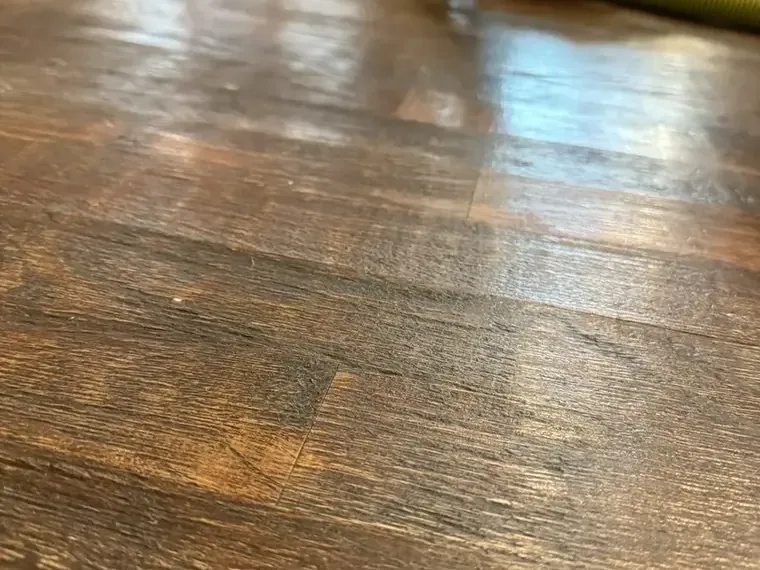
Wood floor assessment can address affected boards, while controlled assembly drying handles retained materials. Documentation should preserve the source findings, removal boundaries and moisture results before replacement begins. The owner can then compare the repair proposal with the actual damaged footprint and understand why some work extends beyond the location of the concealed plumbing defect.
Service area

Slab leak water damage coverage in North Decatur

University Heights, North Druid Valley and Valley Brook Estates provide neighborhood references for scheduling. The inspection needs details about the affected floor finish, visible dampness and any plumbing investigation already completed at the property.

The same service nearby: slab leak water damage in Clarkston, Scottdale, Avondale Estates.

Water damage restoration in North Decatur · every town covered

Questions

Slab Leak Water Damage questions in North Decatur

Does damp flooring automatically mean a pipe beneath concrete failed?

Several water pathways can affect a floor, so the source requires investigation. Restoration documents the wet materials while the appropriate specialist evaluates the plumbing. A repair opening should follow that investigation rather than being chosen solely from the first visible damp patch.

Can the finish stay while the concrete dries?

That depends on the flooring system, damage and ability to release moisture. Some finishes obstruct access or drying, and deteriorated adhesive may require removal. The assessment should explain whether retained material can dry effectively and how the supporting surface will be checked.

Why inspect trim when the leak is below the floor?

Moisture can move into wall bases and adjacent materials after reaching the surface. Swollen trim or damp drywall may reveal a wider affected footprint. Those sections need assessment even when the plumbing repair itself remains confined to a small floor opening.

Is leak detection part of interior cleanup?

Concealed plumbing diagnosis and repair are distinct from water damage restoration. They should be coordinated so restoration follows the actual source findings. The estimate can identify recovery, material removal and drying separately from the work needed to locate and repair the pipe.

When is replacement flooring appropriate?

Replacement follows source correction and an assessment of substrate readiness for the selected material. Moisture requirements can differ between flooring systems. The installer and restoration record should address those conditions before fresh adhesive or underlayment covers the exposed surface.

Can furniture hide the spread of moisture?

Yes. A cabinet, rug or heavy furnishing can conceal a damp area or restrict airflow over it. Inspection may require careful repositioning and protection of contents. The original wet boundary should be documented before objects are moved through unaffected rooms.

Water loss support

Prepare the floor for a sound repair

Arrange an evaluation of wet flooring and wall bases before replacement materials cover the affected substrate again.

(888) 532-4616Discuss substrate moisture cleanup
(888) 532-4616Water help, 24/7