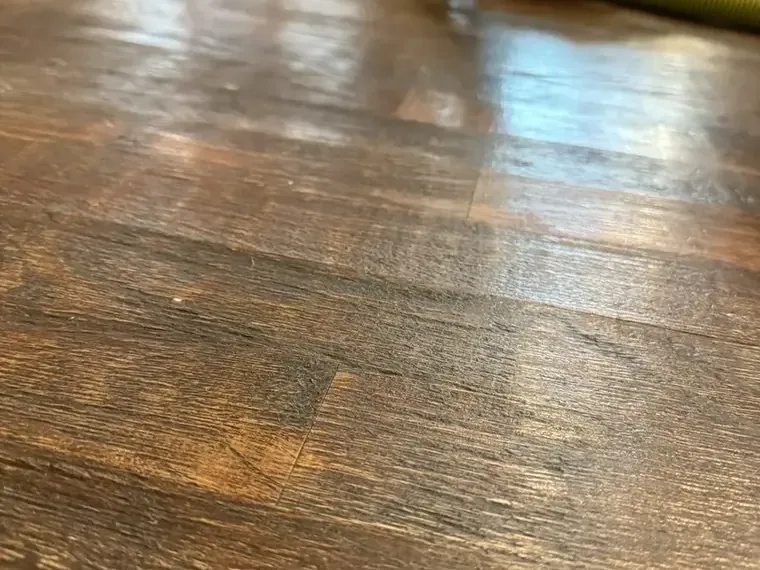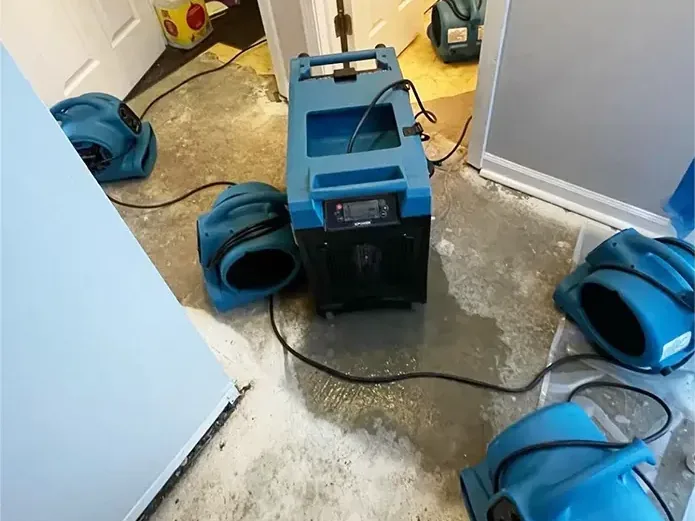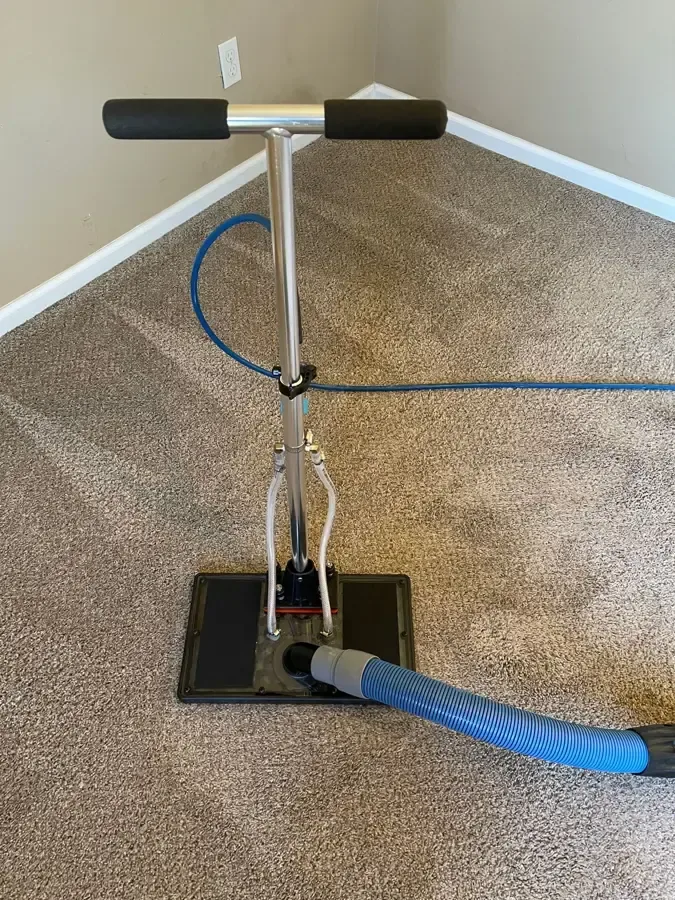
Floor moisture can first appear as a darkened joint, loose covering or damp wall base. Before treating that pattern as a slab leak, the inspection identifies the foundation and arranges investigation of the water source. In Avondale Estates, a property near Lake Street needs the same material specific approach: locate the affected assembly, determine how water entered it and document the extent beneath the visible finish.
Ground conditions and indoor measurements
Granite underlies the city, with clay rich soil developed above it and outcrops visible along Lake Avondale. Inside a building, the cleanup decision still depends on the foundation that is present and the specific pipe or moisture source under investigation. The floor map should identify wet coverings, adhesive condition, nearby trim and any adjoining room reached by the release.
- Compare suspect floor areas with unaffected sections of similar construction.
- Record the covering type before deciding how access will be created.
- Check wall bottoms where concealed water may rise into absorbent materials.
- Coordinate opening locations with the trade responsible for finding the leak.
Expose moisture without losing the repair sequence
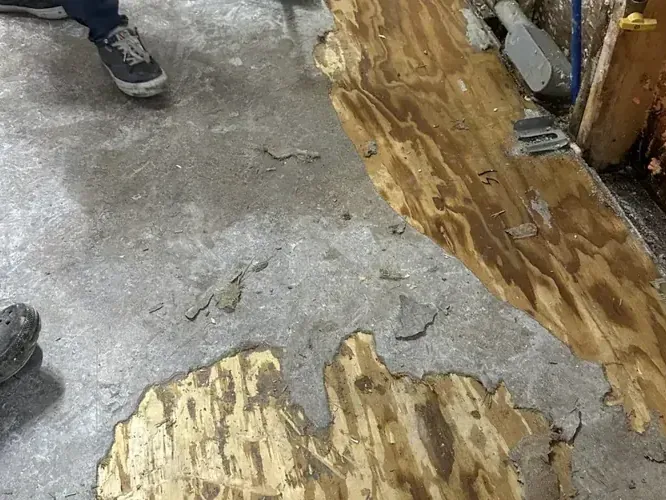
Leak location and pipe repair may require access beneath a floor. Cleanup around that work addresses water remaining in the finish assembly, not just the exposed opening. A covering that traps moisture may need lifting, while damaged adhesive or underlayment can require removal. Each decision should identify the observed condition and the reason that access is necessary.
Within the historic district, the city lists work among activities requiring a permit. Reconstruction planning should therefore include the appropriate check for the proposed scope. The moisture record can help the owner and repair trade describe affected materials and distinguish drying access from the later replacement of finishes after the pipe work is complete.
Replacement flooring needs a suitable substrate
A clean looking concrete surface can retain moisture that affects a new floor system. Drying follows the substrate and adjoining assemblies through repeat measurements, with the replacement material's requirements considered before installation. If wood flooring is involved, hardwood floor treatment adds attention to board and substrate conditions. The final handoff should explain the measurements, remaining repair tasks and any areas still awaiting source correction.