Water damage response across DeKalb CountyWater and sewage cleanup · IICRC S500
Standing water removal

North Decatur Water Extraction

A puddle crossing a doorway may have already reached padding or wall bases. Water extraction in North Decatur starts by locating the release and identifying where recoverable water is collecting inside the building.

(888) 532-4616Arrange removal of pooled water
Accessible water recovery Floor edge inspection Moisture mapping afterward
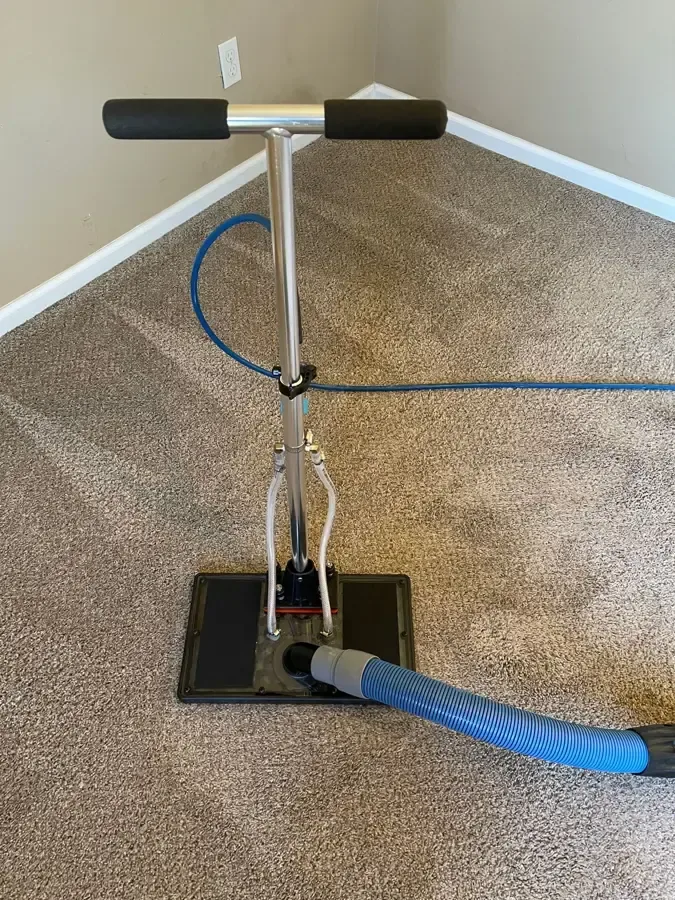
Carpet extraction wand attached to a blue recovery hose
Starting conditionRecoverable standing water
Inspection focusFloor edges and layers
Equipment choiceMatched to access
Next decisionRetain or remove
First steps

Water Extraction: what to do now

  1. 1.Locate a dry approach

    The assessment identifies a dry entrance and isolates electrical or contaminated areas. Hoses and recovery equipment are positioned without blocking the usable exit from the affected rooms.

  2. 2.Determine what can be recovered

    The technician evaluates water depth, flooring and saturated contents. These findings determine the tools and whether material removal is necessary before recovery can reach the affected surfaces.

  3. 3.Work through connected spaces

    Recovery follows the mapped wet area, including thresholds and accessible floor edges. Furniture movement is coordinated so water beneath belongings can be reached without transferring damage into previously dry rooms.

  4. 4.Record the remaining moisture

    After standing water is removed, readings identify damp floor layers and wall sections. These findings establish the drying scope and explain why equipment may remain after visible puddles have disappeared.

Safety before water extraction

Electrical exposure changes the first step. A wet room containing energized equipment, damaged outlets or submerged cords should remain closed until the hazard is addressed. A household vacuum should never be used to recover water. Access for recovery equipment must begin from a safe, dry position.

Water containing sewage or exterior debris needs a different handling plan from a fresh supply release. Occupants should avoid walking through it or carrying saturated rugs into clean rooms. The inspection establishes containment and material handling before extraction spreads contamination along an otherwise unaffected route.

How the work is held to standard

How water extraction is handled

Evaluate the release conditions

The source description, visible water and building access are reviewed together. Water condition affects equipment handling and whether occupants can remain near the work. The assessment also identifies supply repairs or other source control work that must occur before the recovered areas can stay dry through the next stage.

Recover water by surface type

Extraction tools are selected for the floor and the amount of recoverable water. Hard surfaces, carpet and accessible recesses receive different attention. The work proceeds through the mapped footprint while protecting clean access routes and keeping wet contents separate from belongings that were unaffected by the original release.

Inspect hidden retaining layers

The technician checks whether water has reached padding, trim or the floor beneath a finish. Targeted access can reveal saturation that a surface pass leaves behind. Material decisions account for the water condition, physical deterioration and whether a retained assembly can be dried without concealing moisture inside it.

Set up the next phase

Results are recorded as a practical drying handoff. The owner can see which surfaces received extraction, which materials were removed and where readings still show moisture. Equipment recommendations then address those remaining locations, while unfinished source repairs and later reconstruction are identified as separate tasks in the overall restoration plan.

Typical cost ranges

What does water extraction cost in North Decatur, GA?

North Decatur water extraction pricing changes with the accessible area, the amount of water retained in materials and the handling requirements. The inspection distinguishes simple surface recovery from rooms that also need removal, sanitation or concealed moisture access before drying begins.

Small accessible area

$700 to $1,400
  • Localized surface recovery
  • Open equipment access
  • Initial moisture checks

Several wet rooms

$1,400 to $2,800
  • Connected floor areas
  • Additional contents handling
  • Broader recovery coverage

Extensive water removal

$2,800 to $4,500
  • Large affected footprint
  • Difficult material access
  • Expanded extraction work

Water category, wet area, material depth and the delay before extraction affect the scope. The water damage cost calculator gives a planning range; the assessment sets the work required.

The process

Water Extraction from assessment to dry materials

Extraction removes water that can still be recovered from surfaces and absorbent materials. The work includes evaluating adjoining rooms, choosing suitable recovery tools and identifying which wet layers need a separate drying approach.

  1. Source assessment

    The source repair record identifies the entry point and the correction performed.

  2. Material decisions

    Photos and moisture mapping define the affected assembly before removal or replacement.

  3. Drying verification

    Repeat measurements compare the affected materials with suitable dry references.

  4. Repair handoff

    The final scope separates completed drying from finish work and reconstruction still required.

Standing water rarely respects the room where a leak began. It can cross a floor transition, collect beneath furniture and soak a wall base while the visible puddle remains small. North Decatur includes many ranch homes from the 1950s and 1960s. In an affected home, the extraction assessment follows connected interior spaces and records where each surface becomes wet.

Map the water before moving the furniture

Clairmont Heights lies between several recognizable references, including Clairmont Road and Willivee Drive. Those names help locate a property; inside, a room sketch becomes more useful. The sketch should mark wet carpet, hard flooring, thresholds and low points so recovery can proceed without overlooking water trapped behind a doorway or beneath a removable furnishing.

  • Record which rooms contain standing water and which show damp edges.
  • Check the transition beneath a rug before moving it elsewhere.
  • Separate contents handling from the route used for recovery hoses.
  • Note areas that remain inaccessible during the initial extraction visit.

Different surfaces need different recovery methods

Hard flooring may permit straightforward surface recovery, while carpet and padding require evaluation below the visible pile. A suction pass can reduce retained water without resolving every wet layer. Swollen trim, detached flooring or saturated padding may require removal, depending on water condition and material damage. The owner should receive a reason for those decisions.

The Medlock Park neighborhood surrounds the county park. For a home in that setting, the assessment still centers on its specific floor arrangement. A narrow passage, occupied bedroom or heavy cabinet may affect equipment access. Clearing a workable route should happen without dragging waterlogged items across dry finishes or hiding the original wet boundary.

What remains after the puddle is gone?

A clean looking floor can conceal moisture in a substrate or wall cavity. Post extraction readings establish the remaining drying workload. The location of damp materials matters more than how shiny the surface appears. Readings near doors and wall bases can reveal migration into a room that initially looked unaffected during the first walkthrough.

The next stage may involve drying retained assemblies or evaluating wet wood flooring. A useful handoff records the recovered areas, removed materials and remaining moisture locations. It also identifies whether the original leak is controlled, allowing the owner to coordinate source repair and finish work with a clear account of the interior condition.
Service area

Water extraction coverage in North Decatur

Clairmont Heights and the Medlock Park neighborhood are useful location references for an assessment. Property access, room occupancy and the location of the nearest dry entry should be described when arranging extraction.

The same service nearby: water extraction in Clarkston, Scottdale, Avondale Estates.

Water damage restoration in North Decatur · every town covered

Questions

Water Extraction questions in North Decatur

Does extraction include drying the entire room?

Extraction recovers water that can be removed mechanically. Drying addresses moisture left in materials afterward. Some losses need both, and the inspection should explain the remaining wet layers rather than treating an empty puddle as the end of the job.

Should soaked carpet always be removed?

The decision depends on the water condition, carpet condition and what lies beneath it. Padding can retain water even after the surface feels better. Inspection determines whether controlled removal or further recovery offers a suitable path for the affected assembly.

Can furniture stay in place during recovery?

Some items can be protected or repositioned, while saturated or obstructing pieces may require separate handling. The work plan should provide access beneath them and avoid moving wet belongings across clean flooring without a deliberate protection and drying arrangement.

Why check an adjoining room with no puddle?

Water can migrate beneath a continuous floor covering or along the base of a partition. An adjoining room may show elevated material moisture before visible damage appears. Readings help identify that spread while access and equipment are already being organized.

Does a supply repair eliminate extraction needs?

Stopping the release prevents additional water from entering, but existing water remains in rooms and materials. Recovery and moisture assessment address that retained water. The plumbing repair and interior restoration should therefore be coordinated as related but distinct parts of the response.

What records should follow the water removal?

Useful records identify affected rooms, recovered surfaces, material removals and remaining moisture locations. Photographs show the starting and ending condition. Those details support the drying plan and help explain later decisions about flooring, wall repairs or damaged belongings.

Water loss support

Pooled water needs a practical removal plan

Arrange an assessment of accessible water and the floor layers that may remain wet after recovery.

(888) 532-4616Request room water removal
(888) 532-4616Water help, 24/7