Water damage response across DeKalb CountyWater and sewage cleanup · IICRC S500
Supply rupture cleanup

North Decatur Burst Pipe Water Damage

A broken supply pipe can spray above the first visible puddle. North Decatur burst pipe cleanup examines the full release pattern, from damp ceilings and wall cavities to flooring that absorbed the escaping water below.

(888) 532-4616Discuss a ruptured supply pipe
Spray path inspection Source repair coordination Wet finish assessment
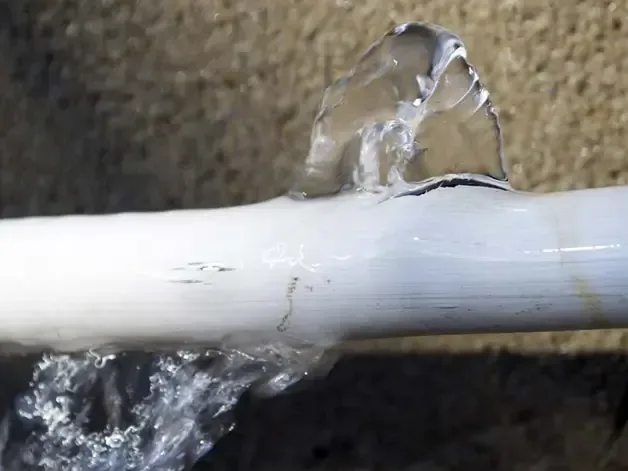
Water spraying outward from a split white supply pipe
First actionControl the supply
Damage patternSpray and migration
Hidden concernWet enclosed materials
Repair handoffDrying results recorded
First steps

Burst Pipe Water Damage: what to do now

  1. 1.Identify the isolated supply section

    The first discussion establishes whether water is still escaping and who handles the plumbing repair. Source control precedes room access and equipment setup around the damaged component.

  2. 2.Trace the release in every direction

    Inspection checks the spray zone beside the break and the floor below. Readings connect visible damage to enclosed sections that received water before the leak appeared in the room.

  3. 3.Open only the necessary wet sections

    Controlled access exposes trapped water and damaged materials while protecting adjacent finishes. The removal decision accounts for saturation, physical condition and the practical ability to dry the assembly after the failed component is repaired.

  4. 4.Track drying before restoring finishes

    Readings from the retained structure establish progress and completion. The owner receives a distinction between materials ready for repair and areas that still need drying, source work or additional investigation before closing.

Safety before burst pipe water damage

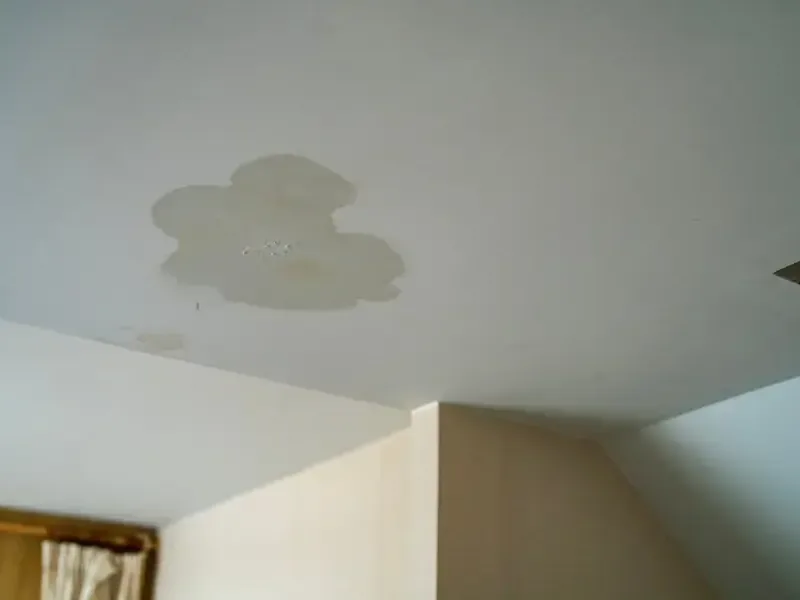
The supply should be isolated only from a safe location. Occupants should not cross a flooded room to reach a valve near electrical equipment. A ceiling that bulges after a pipe release also needs a clear area beneath it, because saturated finish material can detach without warning during the loss.

Opening a wet wall without checking the area can expose wiring or release trapped water into an occupied room. Source repair and restoration access should be coordinated. The damaged pipe may need a plumber, while the surrounding materials require water recovery, selective removal and a documented drying plan.

How the work is held to standard

How burst pipe water damage is handled

Establish the release history

The occupant's observations help identify when the damage became visible and where water first appeared. The inspection then checks the physical evidence around the rupture. Notes should distinguish an active release from residual dripping so source repair and water recovery can be scheduled in the correct sequence.

Define the wet assembly boundaries

A pipe can sit within a wall, ceiling or equipment enclosure. The technician maps the surrounding materials and checks whether water traveled beyond the repair opening. These findings establish selective removal, contents protection and equipment placement across the full wet footprint, including surfaces beyond the broken component that received migrating water.

Recover and expose retained moisture

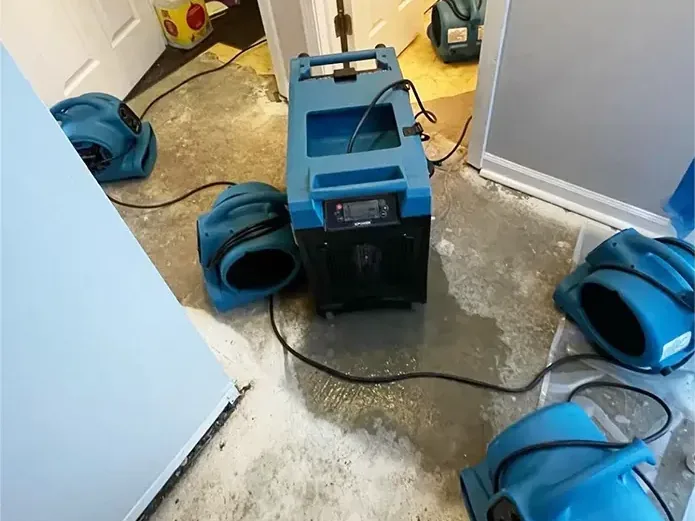
Accessible water is removed before the remaining wet layers are evaluated. Saturated insulation or deteriorated finishes may need removal to expose framing. Where materials remain suitable for drying, the setup directs airflow toward the affected surfaces and controls room humidity while keeping equipment clear of the occupied access route.

Document readiness for reconstruction

Monitoring follows the retained materials rather than the appearance of the repaired pipe. Completion notes identify drying results and any sections still awaiting source correction. The repair handoff can then describe wall closure, trim replacement or flooring work separately, allowing the owner to understand what is complete and what remains.

Typical cost ranges

What does burst pipe water damage cost in North Decatur, GA?

Burst pipe water damage work in North Decatur is shaped by the spray footprint, concealed saturation and access needed around the repaired component. A contained room differs from several wet assemblies. The estimate should separate restoration from the plumbing repair and any later finish replacement.

One contained room

$1,200 to $2,400
  • Limited wet footprint
  • Accessible finish removal
  • Focused equipment setup

Walls and adjoining floor

$2,400 to $4,800
  • Connected material damage
  • Wall cavity access
  • Floor moisture control

Several assemblies

$4,800 to $7,500
  • Broader hidden saturation
  • Multiple access areas
  • Expanded drying documentation

Water category, wet area, material depth and the delay before extraction affect the scope. The water damage cost calculator gives a planning range; the assessment sets the work required.

The process

Burst Pipe Water Damage from assessment to dry materials

Burst pipe restoration addresses the materials damaged by released water while the plumbing defect receives separate repair. Inspection traces both direct spray and gravity driven migration so hidden wet sections receive attention before finishes are closed.

  1. Source assessment

    The source repair record identifies the entry point and the correction performed.

  2. Material decisions

    Photos and moisture mapping define the affected assembly before removal or replacement.

  3. Drying verification

    Repeat measurements compare the affected materials with suitable dry references.

  4. Repair handoff

    The final scope separates completed drying from finish work and reconstruction still required.

A rupture inside a partition may announce itself as a hiss, a sudden wet patch or water emerging at the floor. The most obvious mark is only the starting point for inspection. In North Decatur, where ranch homes and condominium development both form part of the housing setting, the affected assembly determines how access and cleanup should proceed.

Follow the spray before following the puddle

Druid Lake is a neighborhood off North Druid Hills Road. At an affected property there, a burst pipe assessment would begin with the actual rupture location and the surfaces facing it. Pressurized spray can wet the back of a finish or the top of a cavity, leaving moisture above the stain that first caught the occupant's attention.

  • Note the release location and the direction of visible spray marks.
  • Check wall bases below the break for accumulated water and swelling.
  • Include adjoining finishes where a cavity continues beyond the visible opening.
  • Photograph the damaged component before it leaves the repair work area.

Access should answer a specific moisture question

Country Squire Court is off Pangborn Road. In any affected home, removing a finish should have a clear purpose: reaching trapped water, examining saturated insulation or exposing a material that cannot dry while enclosed. A broad opening made without a moisture assessment can create unnecessary repair work while missing the actual wet path through the assembly.

A rupture above a cabinet may require a different approach from a break beside an open floor. Cabinet backs, toe spaces and wall intersections can obstruct inspection. The restoration scope should describe those limitations and identify where additional access is needed, particularly when the plumbing repair opening exposes only the failed fitting rather than the full water spread.

Separate the repaired pipe from the repaired room

Ridgeland Park lies between North Decatur Road and the Decatur municipal boundary. Building access and occupancy affect the work sequence, but the completion decision rests on the materials. A successful plumbing repair can restore supply while the wall and floor remain wet. Closing the access opening immediately may trap moisture that still needs treatment inside the room.

After recovery, structural moisture control addresses retained framing and finishes. A wet overhead area may also need ceiling restoration assessment. The final record should distinguish the source repair, the drying endpoint and the remaining reconstruction tasks. That separation gives the owner a usable sequence instead of treating the return of water service as proof that all interior work is finished.
Service area

Burst pipe water damage coverage in North Decatur

Cleanup planning includes properties around Druid Lake, Country Squire Court and Ridgeland Park. A useful first report identifies the failed component, whether the water is isolated and which rooms show new wet surfaces.

The same service nearby: burst pipe water damage in Clarkston, Scottdale, Avondale Estates.

Water damage restoration in North Decatur · every town covered

Questions

Burst Pipe Water Damage questions in North Decatur

Why is the ceiling wet above the floor puddle?

A supply rupture can project water upward or sideways before it drains down. Moisture may therefore extend above the visible floor damage. Inspection should include surfaces facing the break and the enclosed route water followed after striking those surfaces.

Can the plumber's opening provide enough drying access?

Sometimes it can, but the repair opening may reveal only the damaged component. Water can reach adjoining cavities or flooring beyond it. Moisture readings and the condition of exposed materials determine whether additional targeted access is needed for restoration.

Should supply water be treated as harmless?

The initial source is only part of the assessment. Water can contact dirty cavities, damaged materials or other contaminants while spreading. Cleanup decisions consider its condition at the property and the materials involved rather than relying solely on the original supply source.

Will every wet wall need complete replacement?

The extent of removal depends on deterioration, contamination and access for drying. Some retained materials may dry with suitable exposure and equipment. Others cannot be restored effectively. The scope should explain the specific reason for removing each affected section.

What if water reached a neighboring condominium?

Management and the affected occupants should coordinate access so the release and receiving spaces can be assessed together. Separate room records track moisture migration, cleanup responsibilities and repair progress across the connected interiors, including damage beyond the original unit.

When can a repaired wall be closed?

Closure should follow source correction and satisfactory drying results for the retained assembly. Finishing over damp framing or insulation can conceal an unresolved condition. The restoration record should identify which materials were checked before the reconstruction work proceeds.

Water loss support

Restore the materials around the repaired pipe

Plan water recovery and drying around the affected walls, ceilings and floors before the repair opening is closed.

(888) 532-4616Request a supply loss assessment
(888) 532-4616Water help, 24/7