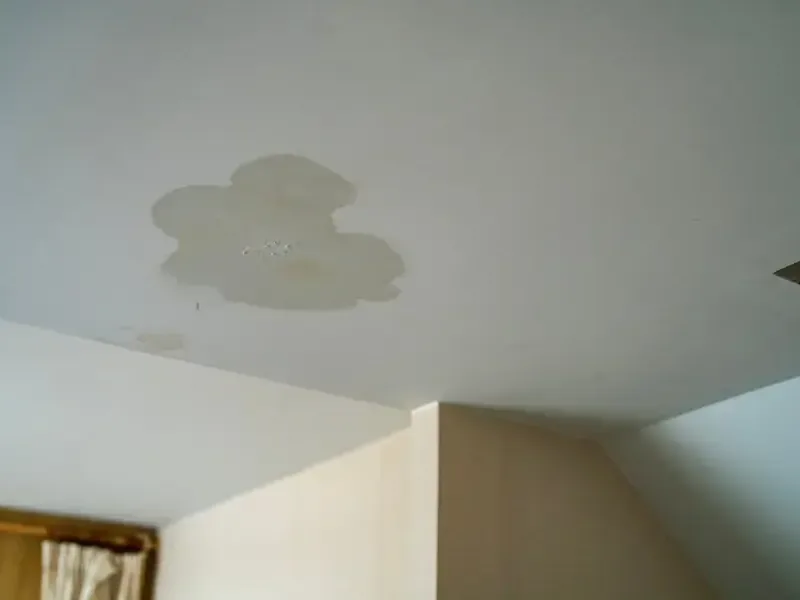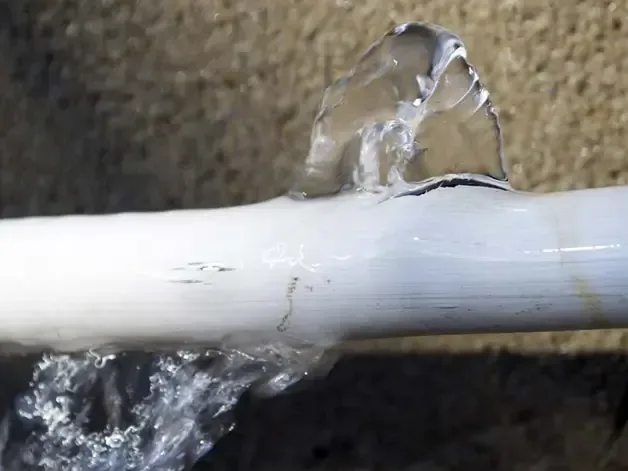
The sound of running water inside a wall can be the first warning of a supply break. By the time water emerges beneath trim, the cavity may already be wet above the floor. A burst pipe assessment in Scottdale traces both the likely source area and the lower places where released water has collected, rather than treating the visible opening as the whole loss.
Cold conditions change what needs attention
January 26, 2026: DeKalb County announced warming center activation during forecast freezing temperatures and hazardous wind chills. Tobie Grant Recreation Center on Parkdale Drive was listed for that activation. Cold weather preparation includes locating accessible shutoffs and checking vulnerable plumbing. An individual supply break still needs inspection to establish its cause and the water route inside the property.
- Water may run down framing before appearing at floor level.
- A ceiling cavity can carry moisture toward an adjoining room.
- Stored belongings may hide the first damp patch behind a wall.
- The repaired pipe location helps focus subsequent material testing and access.
Trace the release through connected surfaces
East Ponce de Leon Avenue contains industrial buildings as well as shops. A supply release inside a business may encounter storage, equipment or finished partitions before reaching an open floor. The assessment considers those obstacles and identifies where water can remain trapped after the most visible pooling has been removed.
Residential rooms require the same attention to transitions. Water beneath a cabinet or behind a baseboard can remain separated from room air. The crew determines whether an assembly can dry through an existing opening or needs selective removal, keeping the access decision tied to wet materials rather than opening unrelated areas.
Keep pipe repair and material recovery connected
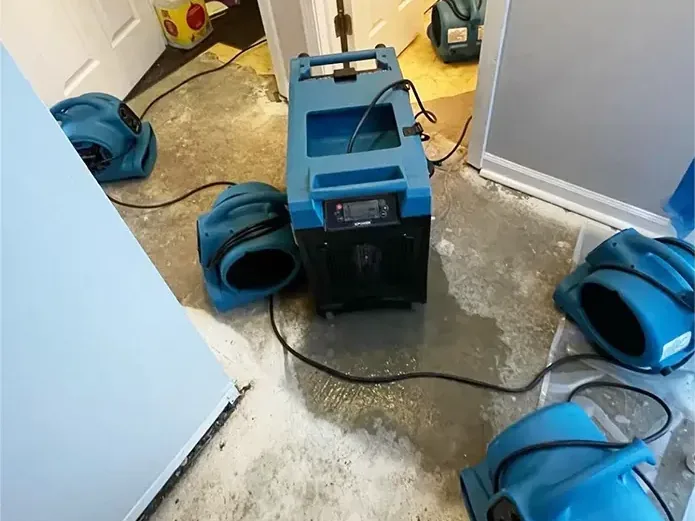
The plumbing repair establishes that the active release has stopped. Recovery then addresses moisture already absorbed into finishes and framing. An owner should expect the scope to describe affected materials, proposed openings and the planned drying arrangement, with any newly discovered spread documented before the work expands.
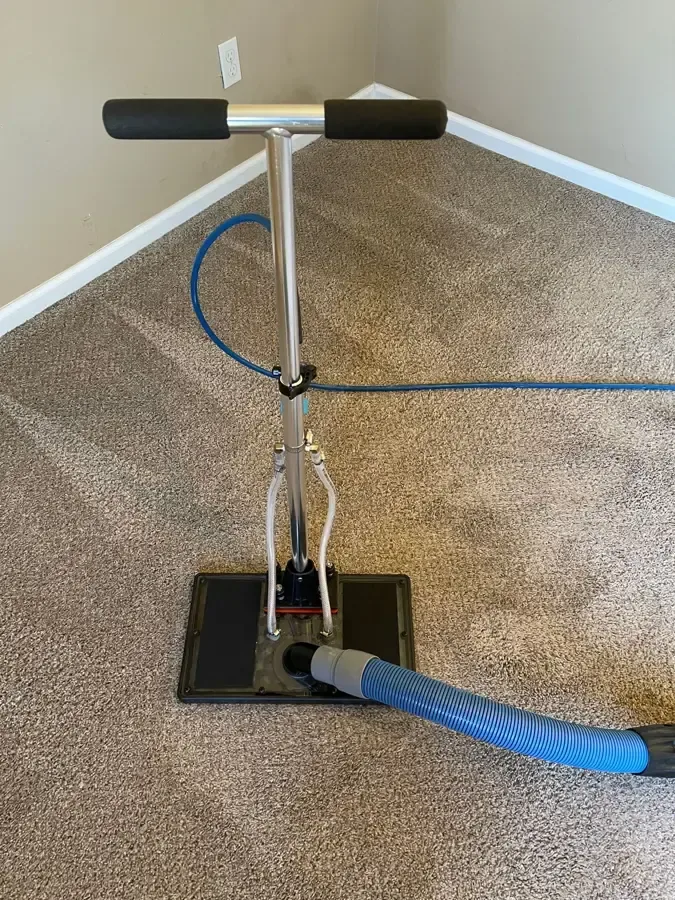
For water that crossed several floor surfaces, standing water extraction can precede the cavity drying work. The final repair decision follows repeated material readings and an inspection of the exposed area. Replacing trim or closing a wall too early can hide the remaining moisture, making a clear drying handoff especially useful after a concealed rupture.