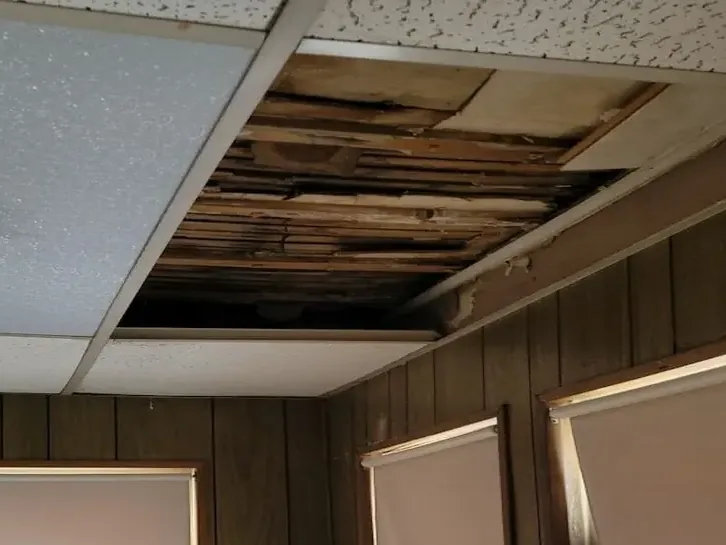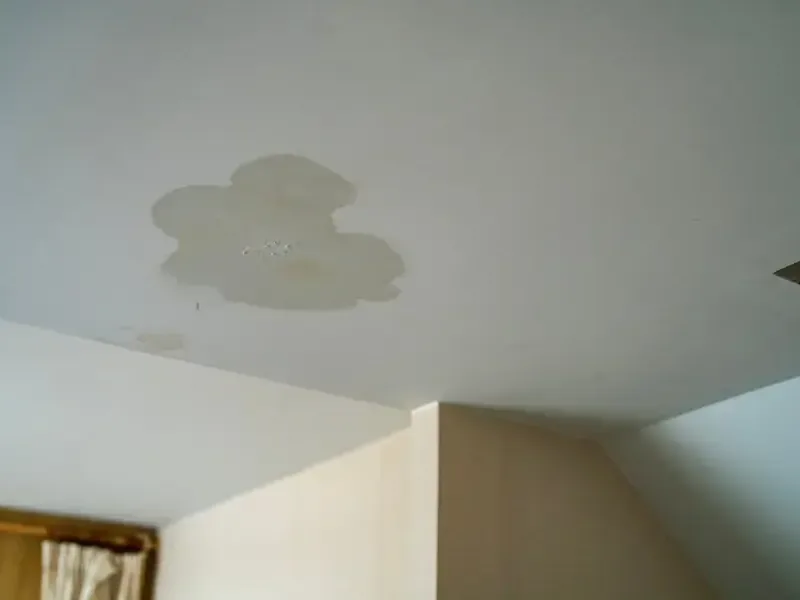
The outline of a ceiling stain can be smaller than the wet area concealed above it. Water may travel along framing or collect behind a finish before becoming visible. North Decatur ceiling cleanup therefore begins with questions about the upper space, the pattern of dripping and any changes in the room below, rather than planning a cosmetic patch immediately.
Coordinate the space above before opening below
Tuxworth Springs is a condominium complex off Scott Boulevard. When a ceiling there receives water from another interior space, management and occupants may need to coordinate entry to trace the source. A restoration opening below can reveal wet materials, but access above may still be needed to stop the release and inspect the full pathway through the assembly.
- Describe whether the ceiling is flat, stained, dripping or visibly bowed.
- Identify bathrooms, equipment spaces or other rooms above the affected area.
- Record damage to furniture and flooring beneath the overhead water route.
- Keep the access contact available when neighboring rooms need inspection.
Inspect the cavity before deciding on a patch
Winston Place is off LaVista Road. In a condominium setting, a ceiling assembly may involve access responsibilities beyond the person occupying the wet room. The work plan should establish authorization for inspection and removal while identifying which surfaces are actually damaged. That coordination helps avoid a finished patch beneath insulation or framing that remains wet.
Insulation can hold water against other materials, while ceiling finishes may lose strength or adhesion. The assessment considers both physical damage and the ability to dry retained components. Removal should expose the necessary wet sections and permit safe handling of debris. It should also preserve photographs of the original stain and any water tracks discovered inside the cavity.
The room underneath belongs in the scope
Clairmont Heights lies near Mason Mill Park within the neighborhood boundaries described by local roads. At an affected home, the ceiling is only part of the loss. Drips can soak upholstery, rugs or floor seams below, and water can descend through wall corners. Those receiving surfaces need inspection even when the upper source has already been repaired.
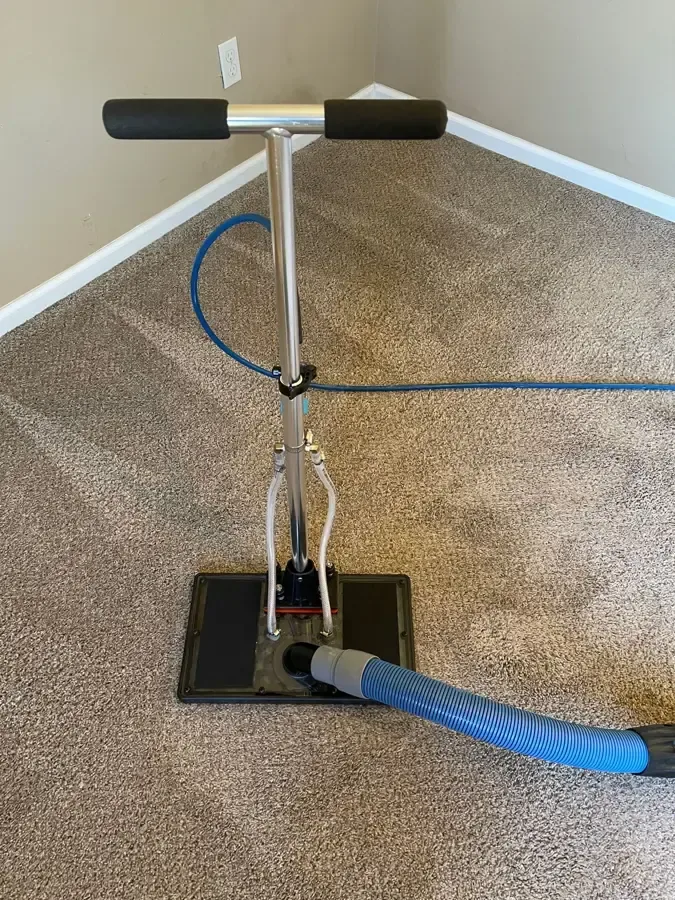
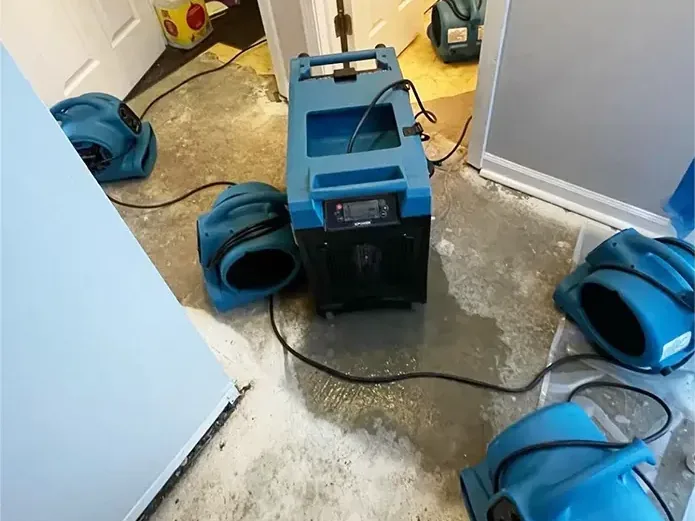
Water recovery from flooring and drying enclosed materials may follow controlled ceiling access. The repair handoff should state which overhead materials were removed, which were dried and whether the leak source remains resolved. A stain blocking coating is a finish decision after restoration, rather than a substitute for checking the damp assembly and the room beneath it.