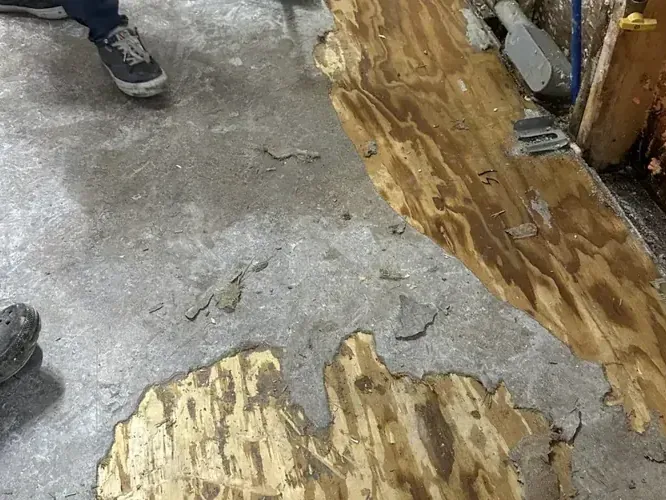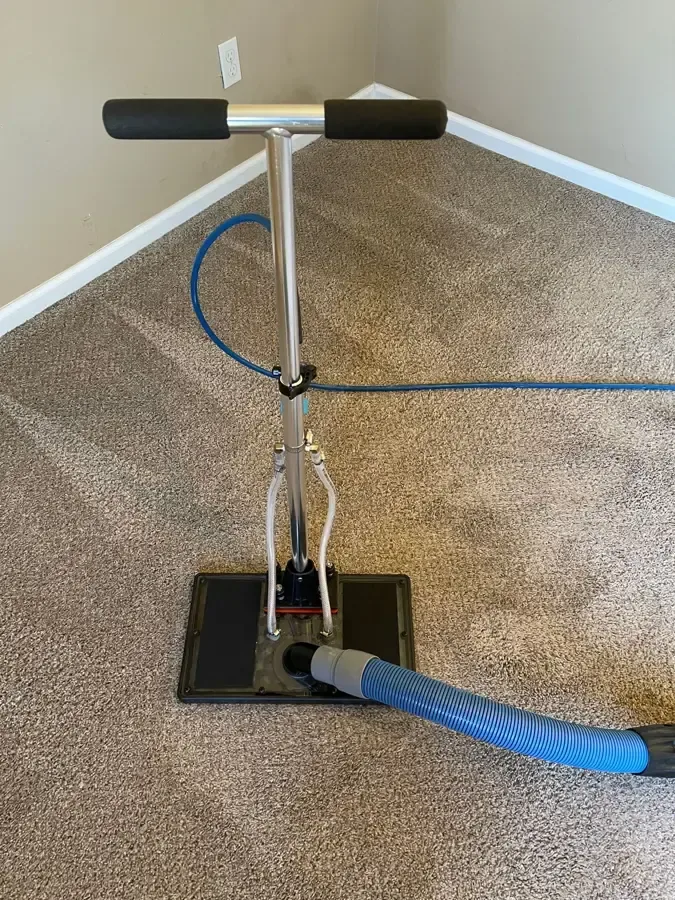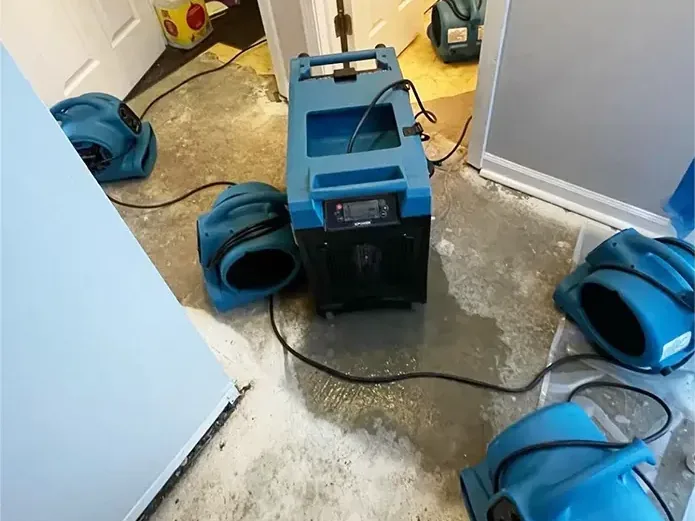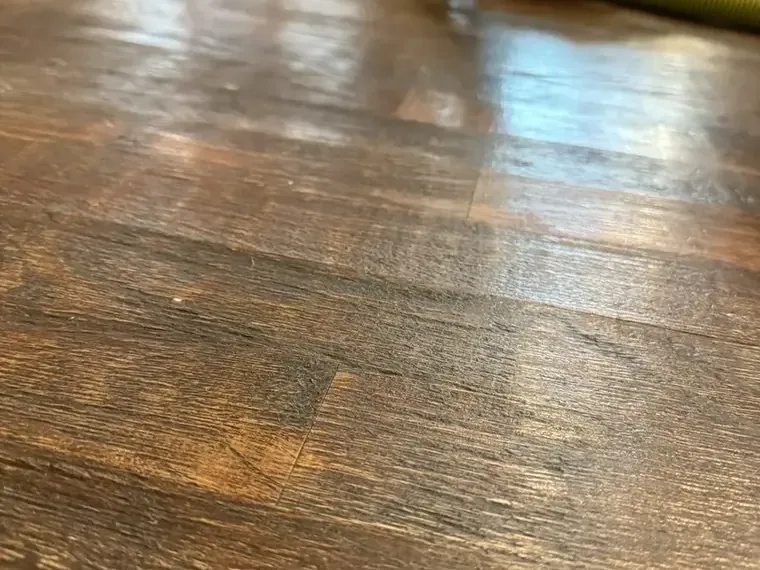
A wood floor can show the water loss in its shape before the remaining moisture is obvious. Raised edges, gaps and areas of lifting deserve assessment across the floor system. North Decatur hardwood restoration looks beyond the surface finish to the board condition and supporting layers, then establishes whether drying access and material retention are practical for that installation.
The underside can remain wet after the surface clears
Ridgeland Park lies between North Decatur Road and the Decatur municipal boundary. In an affected room, the flooring construction determines what needs checking below the boards. Underlayment, adhesive or a supporting wood surface can retain water differently from the visible finish. Readings and suitable access help distinguish a surface exposure from moisture held within the full assembly.
- Photograph board movement before rugs or furniture alter the visible pattern.
- Check seams beside walls and transitions into other floor coverings.
- Record areas where lifting or separation makes ordinary walking unsafe.
- Inspect the supporting layer where controlled access reveals retained water.
Retention depends on condition as well as moisture
University Heights sits north of North Decatur Road around Willivee Drive. A damaged floor there might have an accessible edge or a concealed wet section beneath a fixed furnishing. The assessment identifies those practical conditions before selecting equipment. A drying approach should reach the affected layers and account for the floor's attachment, rather than treating every wood installation identically.
Some boards remain physically unsuitable even after moisture is reduced. Other areas may be retained while damaged sections are removed to expose the supporting layer. The scope should distinguish those outcomes and explain the condition behind each decision. It should also identify where later matching, replacement or refinishing work belongs outside the immediate water recovery and drying phase.
Use the whole room to judge the repair sequence
Leafmore-Creek Park Hills lies between named road corridors and the railroad tracks. At the property level, a continuous floor can connect several rooms, allowing water to reach seams beyond the original spill. Inspection should include adjoining boards and transitions while preserving a dry access route for occupants and equipment around any lifted or unstable sections.
Water recovery removes accessible moisture, while assembly drying treats retained layers. The closing record should identify the checked surfaces and outstanding flooring decisions. That gives the owner a basis for discussing replacement or refinishing after the water problem is addressed, instead of using a smoother appearance as the only measure of whether the underlying assembly is ready.