Water damage response across DeKalb CountyWater and sewage cleanup · IICRC S500
Water appearing as a pipe thaws

Frozen Pipe Water Damage in Avondale Estates

A pipe can begin releasing water as ice thaws, revealing damage after the cold exposure. Restoration focuses on safe source control, the route of the release and the wet materials concealed behind the first visible patch.

(888) 532-4616Arrange cleanup of thaw related water
Supply status check Concealed release mapping Plumbing and drying coordination
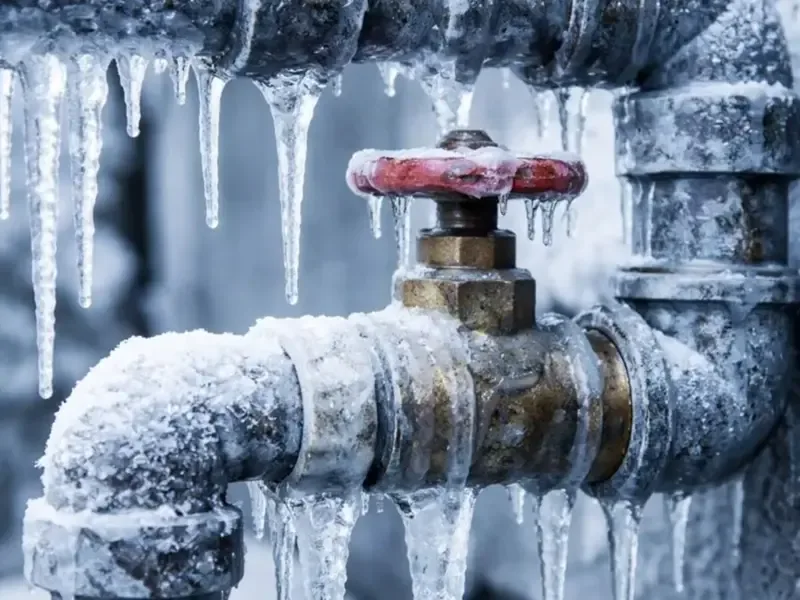
Ice and icicles covering exposed pipes and a shutoff valve
Release timingDuring pipe thaw
First taskSafe supply control
Hidden spreadWall and floor cavities
Restoration focusReleased water damage
First steps

Frozen Pipe Water Damage: what to do now

  1. 1.Avoid improvised pipe heating or wall openings

    Leave thawing and repair to the plumbing trade. Open flames and concentrated heat create hazards around concealed pipes. Describe wet electrical components or unstable finishes before anyone enters the affected space.

  2. 2.Describe the sequence of the water problem

    Note reduced flow, visible ice where safely observable and the time water first appeared indoors. Explain which rooms changed afterward so the inspection can follow the release route beyond the suspected frozen section of pipe.

  3. 3.Keep the source and room access coordinated

    A safely reachable supply control may limit water, but wet electrical areas and unstable ceilings require restricted entry. Arrange cleanup around the plumbing assessment so equipment placement and material opening do not interfere with source repair work.

  4. 4.Check concealed areas after the repair opens access

    When insulation or finishes have been moved for pipe service, those newly exposed surfaces need moisture check. Keep the cavity accessible until retained materials have been assessed and the drying record supports the later repair decision.

Safety before frozen pipe water damage

Do not use an open flame or improvised high heat to thaw piping. A suspected freeze problem needs appropriate plumbing assessment, especially where the pipe is concealed or nearby finishes are wet. Avoid reaching a shutoff through standing water, and keep clear of electrical components that may have been exposed to the release.

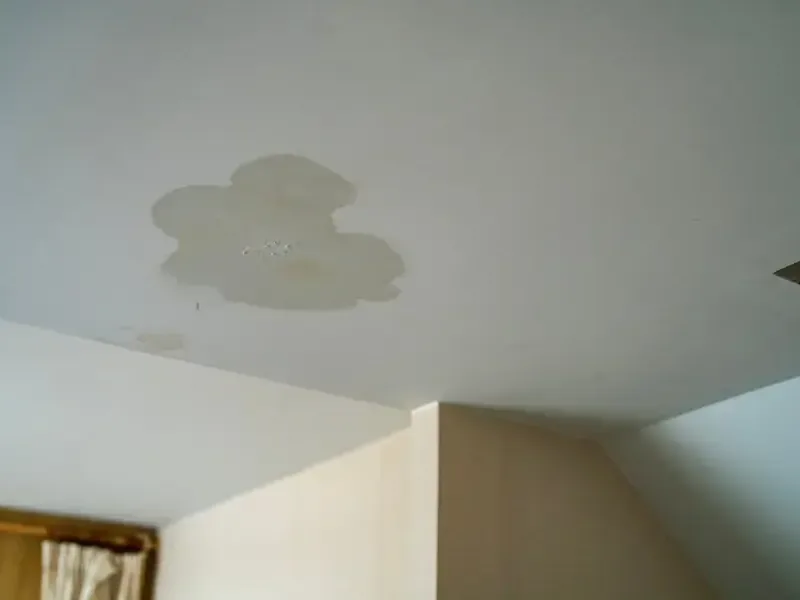
A ceiling below the pipe can weaken before the full water path is obvious. Keep occupants away from sagging material and avoid cutting into the wet cavity. Safe observations about reduced flow, the appearance of water and the rooms affected help direct the response without requiring an owner to open walls or handle frozen equipment.

How the work is held to standard

How frozen pipe water damage is handled

Confirm source status and the release sequence

The first assessment connects the reported freeze or thaw symptoms with the actual indoor water damage. Plumbing investigation establishes the source condition while restoration records the rooms and assemblies reached by escaping water. Safe access and electrical concerns are resolved before equipment or removal work proceeds into the affected cavity or surrounding space.

Expose wet layers around the repair area

Water collection and selective removal are coordinated with the pipe service. Saturated insulation or damaged finishes may need attention beyond the opening created for the plumbing repair. The material map follows that wider moisture boundary, documenting any inaccessible portion that will require another check once the source work makes the area available for inspection.

Dry the retained construction along the water path

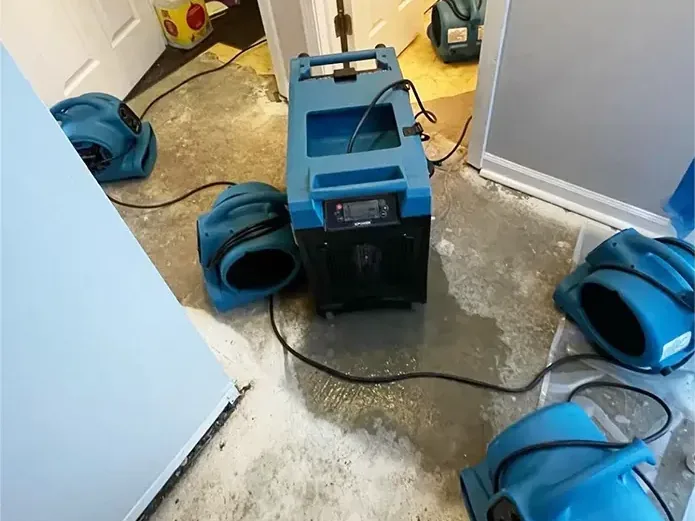
Treatment addresses framing, floors and wall or ceiling materials that remain after necessary removal. Equipment placement reflects the available cavity access and connected rooms rather than a fixed arrangement. Progress readings help reveal retained moisture at hidden edges and determine whether additional access or a changed drying setup is needed as the work continues.

Check the assembly before closing the pipe cavity

The final handoff links completed source correction with the moisture condition of the surrounding building materials. Remaining damaged finishes are listed for repair even when drying goals have been met. That record helps the owner coordinate reinstatement and retain a clear explanation of the release, material removal and treatment performed after the pipe thawed.

Typical cost ranges

What does frozen pipe water damage cost in Avondale Estates, GA?

Frozen pipe water damage costs in Avondale Estates depend on the release path, concealed access and the number of wet assemblies. These ranges describe restoration after a thaw related leak. Pipe assessment, source repair and rebuilding opened finishes should be separated from the extraction and drying scope in the written estimate.

Contained thaw-related leak

$1,200 to $2,200
  • Accessible source area
  • Limited room moisture
  • Focused material assessment

Concealed wall or ceiling loss

$2,200 to $4,200
  • Wet insulation access
  • Connected cavity treatment
  • Overhead surface check

Multiple affected rooms

$4,200 to $6,500
  • Broader water travel
  • Several drying assemblies
  • Expanded progress documentation

Water category, wet area, material depth and the delay before extraction affect the scope. The water damage cost calculator gives a planning range; the assessment sets the work required.

The process

Frozen Pipe Water Damage from assessment to dry materials

Frozen pipe restoration treats water damage from a pipe affected by freezing and thawing. The plumbing assessment establishes the failed section and safe source correction, while cleanup follows escaped water through adjoining finishes and construction that need extraction, access or drying.

  1. Source assessment

    The source repair record identifies the entry point and the correction performed.

  2. Material decisions

    Photos and moisture mapping define the affected assembly before removal or replacement.

  3. Drying verification

    Repeat measurements compare the affected materials with suitable dry references.

  4. Repair handoff

    The final scope separates completed drying from finish work and reconstruction still required.

Reduced flow may draw attention to a cold pipe before a leak becomes visible. When damaged piping thaws, water can escape into a concealed space and emerge later at a wall base or ceiling. Frozen pipe cleanup in Avondale Estates addresses that release after safe source control. The inspection follows the affected building materials while the plumbing trade determines the failed section and repair requirements.

Trace the release after the pipe becomes accessible

The wet boundary can extend beyond the failed section because water follows openings, framing and floor joints. A property near Lake Street should be assessed for that actual route, including any lower room showing fresh discoloration. The first visible patch helps establish the inspection starting point, while readings identify the layers that need extraction, removal or continuing moisture treatment.

  • Record the sequence from reduced flow to the first visible water.
  • Check connected rooms when moisture appears away from the pipe location.
  • Inspect wet insulation that can conceal retained water inside a cavity.
  • Keep source repair details connected with the cleanup and drying record.

Identify the system needing repair

DeKalb County Department of Watershed Management operates the city's public water system. A supply concern around Covington Road needs the appropriate source assessment, while a private indoor release requires a clear plumbing and restoration scope at the property. Only the department or its contractors may work on county infrastructure. The inspection should establish which system is involved before repair arrangements proceed.

For a home near Lake Avondale, cleanup planning depends on the pipe's actual location and surrounding construction. An accessible exposed connection presents different material access from a pipe behind finished walls. Once the plumbing work makes the area safe and reachable, the restoration assessment can include surfaces previously hidden behind insulation, trim or the repair opening.

Finish the thaw response with material measurements

The return of normal flow and completion of pipe repair do not remove water from the building. Drying must address retained materials along the escape path, with repeat checks before cavities are closed. Any newly visible moisture belongs in the ongoing record. The related burst pipe service explains the broader cleanup decisions when a supply failure has soaked several connected assemblies.
Service area

Frozen pipe water damage coverage in Avondale Estates

Thaw related water cleanup serves Avondale Estates around Covington Road, Lake Street and Lake Avondale. Mention reduced water flow, the first visible leak and any adjoining ceiling or floor changes when describing the affected property.

The same service nearby: frozen pipe water damage in Clarkston, Scottdale, North Decatur.

Water damage restoration in Avondale Estates · every town covered

Questions

Frozen Pipe Water Damage questions in Avondale Estates

Can a pipe leak appear only after it begins thawing?

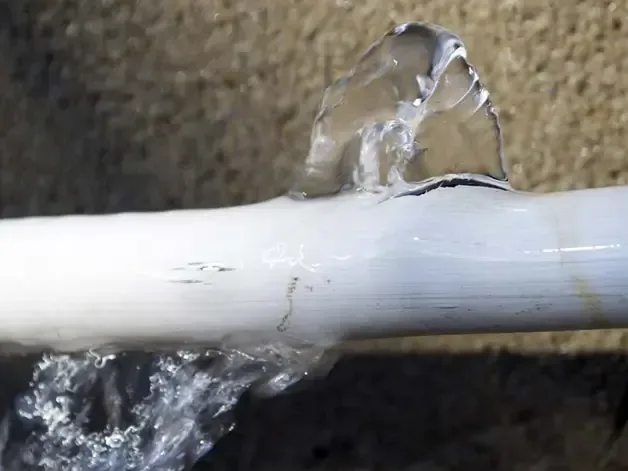
Damaged piping can release water as ice thaws and flow resumes. That water may travel before becoming visible indoors. Describe the sequence of reduced flow and later leakage so inspection can trace the event through connected building materials.

Should concentrated heat be used on the suspected pipe?

Avoid open flames and improvised high heat. Concealed piping and nearby finishes can present hazards that require appropriate plumbing assessment. Safe source control and professional investigation provide a better starting point than attempting to expose or rapidly heat a pipe while the surrounding area is wet.

Does normal water flow mean the building is dry?

Restored flow concerns the plumbing system, while escaped water can remain in insulation, walls and floors. Those materials need assessment after the source is corrected. Measurements establish whether extraction, removal or drying is still needed along the release route through the affected construction.

Why inspect a room away from the failed section?

Water can follow framing, openings or floor layers before emerging somewhere else. The visible damage may therefore sit beyond the pipe repair location. Inspecting connected areas when the pattern suggests spread helps locate wet material that would otherwise remain outside the drying scope.

Will insulation around the pipe need to be removed?

That depends on saturation, contamination and access needed to treat the surrounding assembly. Some wet insulation prevents effective inspection or drying and requires removal. The restoration scope should explain its condition and coordinate any opening with the work needed to repair the pipe itself.

What should be documented before the wall is repaired?

Keep photographs of the failed section, the material exposed during repair and the drying results for the affected cavity. A list of removed finishes also helps. The repair trade can then distinguish source correction, completed moisture treatment and the remaining work needed to close the area.

Water loss support

Follow the water beyond the repaired pipe

Moisture checks of connected cavities and floors help establish the treatment needed before the affected construction is closed and finished again.

(888) 532-4616Request thaw damage moisture mapping
(888) 532-4616Water help, 24/7