Water damage response across DeKalb CountyWater and sewage cleanup · IICRC S500
Water released after a freeze

North Decatur Frozen Pipe Water Damage

A frozen pipe can release water when flow returns, revealing damage after the first cold warning has passed. North Decatur cleanup follows the actual release into concealed finishes and coordinates drying with repair of the affected plumbing component.

(888) 532-4616Discuss water released during thawing
Thaw release assessment Concealed receiving materials Plumbing repair coordination
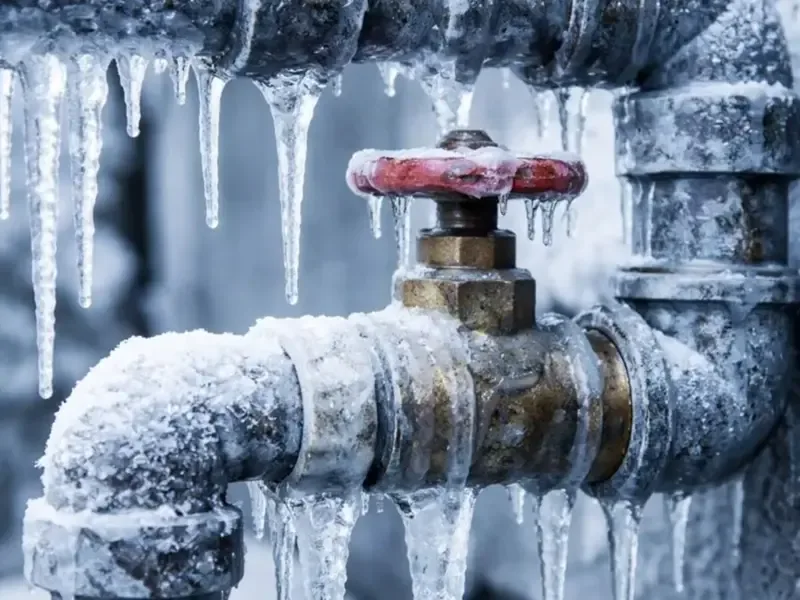
Ice and icicles coating exposed pipes and a shutoff valve
Release timingWhen water flow returns
Source priorityDamaged pipe assessment
Interior concernHidden wet receiving layers
Restoration endpointMaterials checked after drying
First steps

Frozen Pipe Water Damage: what to do now

  1. 1.Record the observed thaw related release

    The discussion distinguishes interrupted flow from the later release and identifies affected rooms. These observations support the plumbing investigation without restoring pressure simply to reproduce the leak inside the damaged building.

  2. 2.Coordinate reliable source isolation and repair

    A plumbing professional evaluates the component and repair requirements. Restoration access depends on safe source control, electrical conditions and stable finishes, preventing another release from entering the prepared cleanup area during treatment.

  3. 3.Inspect the receiving cavities and floor sections

    Moisture assessment follows the actual water route beyond the repair opening. Wet insulation, framing, wall bases and flooring are documented, with targeted access arranged where enclosed layers prevent the full affected assembly from being inspected or dried effectively.

  4. 4.Recover water and monitor the retained structure

    Accessible water is removed and unsuitable materials are addressed before the drying setup treats retained layers. Readings support progress and completion decisions, while the owner receives separate information about source repair, drying results and the reconstruction work still required.

Safety before frozen pipe water damage

An open flame should never be used to thaw a pipe. Wet electrical equipment and concealed damaged connections also make improvised heating unsafe. The pipe requires appropriate professional assessment, while occupants should avoid the affected water and identify a safe location from which the supply can be isolated if that is possible.

A quiet leak can restart when pressure returns, so a newly thawed section should not be treated as repaired merely because dripping pauses. The restoration work area needs reliable source control. Sagging finishes and water near electrical fixtures require separate attention before anyone enters to move furnishings or set up water recovery equipment.

How the work is held to standard

How frozen pipe water damage is handled

Establish the observed sequence and source status

The assessment records the interruption of flow, the later release and the rooms where water became visible. Available plumbing findings identify the damaged component and repair plan. The restoration scope follows the receiving surfaces and records the exposure of each room or concealed section individually. Source history and material condition together establish that inspection pathway.

Map moisture beyond the plumbing access opening

The technician examines wall and ceiling layers around the break and checks the floor beneath them. Water can travel through cavities before emerging in an occupied space. Targeted readings and access identify that pathway, while photographs preserve the condition of insulation, framing and finishes before removal changes the interior loss pattern.

Recover released water and expose retained layers

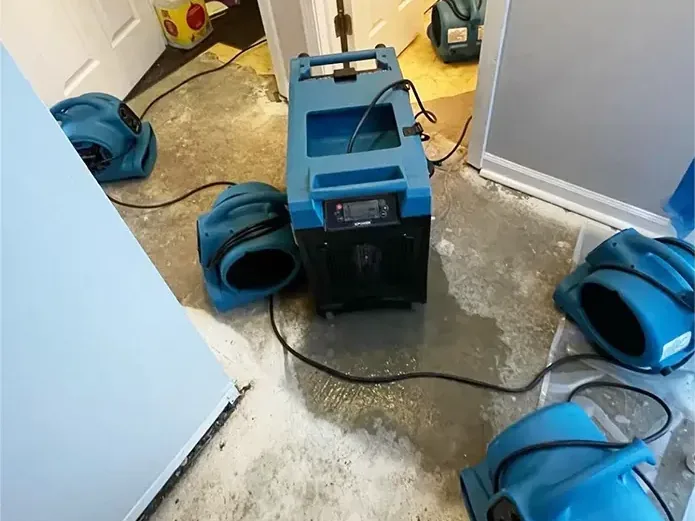
Standing water is removed where accessible, and damaged materials are evaluated for retention. Unsuitable insulation or deteriorated finishes may need removal to make drying practical. Equipment is then arranged around the actual exposed surfaces, with source control maintained so the returning water supply does not introduce another release during the restoration process.

Verify the drying outcome before reconstruction

Progress measurements show how the retained assembly responds after the plumbing repair. The completion record identifies checked materials, removed finishes and any remaining access limitations. Source repair and reconstruction remain separate entries in the handoff, giving the owner a clear sequence for wall closure, insulation replacement or flooring work after the water damage treatment has concluded.

Typical cost ranges

What does frozen pipe water damage cost in North Decatur, GA?

Frozen pipe water damage costs in North Decatur depend on the thaw release footprint, hidden saturation and access around the repaired plumbing. These ranges address restoration of the receiving interior. Pipe repair, additional source investigation and replacement finishes should be identified separately so the estimate reflects each part of the loss.

Contained thaw-related leak

$1,200 to $2,200
  • Limited receiving surfaces
  • Accessible water recovery
  • Focused material treatment

Concealed wall or ceiling loss

$2,200 to $4,200
  • Targeted cavity access
  • Wet insulation handling
  • Retained framing drying

Multiple affected rooms

$4,200 to $6,500
  • Connected interior migration
  • Broader finish removal
  • Expanded moisture documentation

Water category, wet area, material depth and the delay before extraction affect the scope. The water damage cost calculator gives a planning range; the assessment sets the work required.

The process

Frozen Pipe Water Damage from assessment to dry materials

Frozen pipe restoration addresses the water damage from a verified freeze related plumbing loss. The inspection traces the release, evaluates wet wall and ceiling layers and plans recovery and drying while qualified plumbing work resolves the damaged component and its source conditions.

  1. Source assessment

    The source repair record identifies the entry point and the correction performed.

  2. Material decisions

    Photos and moisture mapping define the affected assembly before removal or replacement.

  3. Drying verification

    Repeat measurements compare the affected materials with suitable dry references.

  4. Repair handoff

    The final scope separates completed drying from finish work and reconstruction still required.

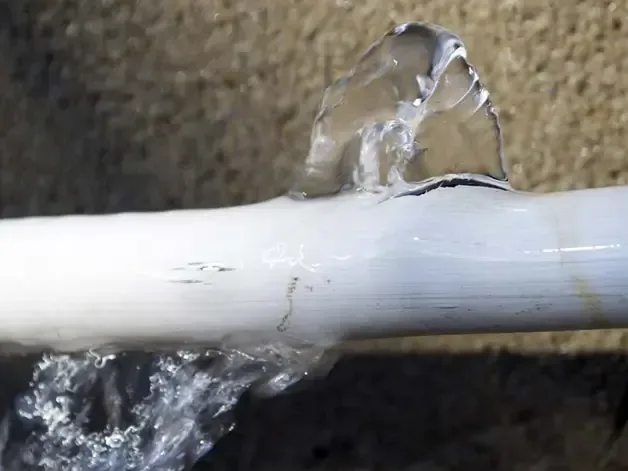
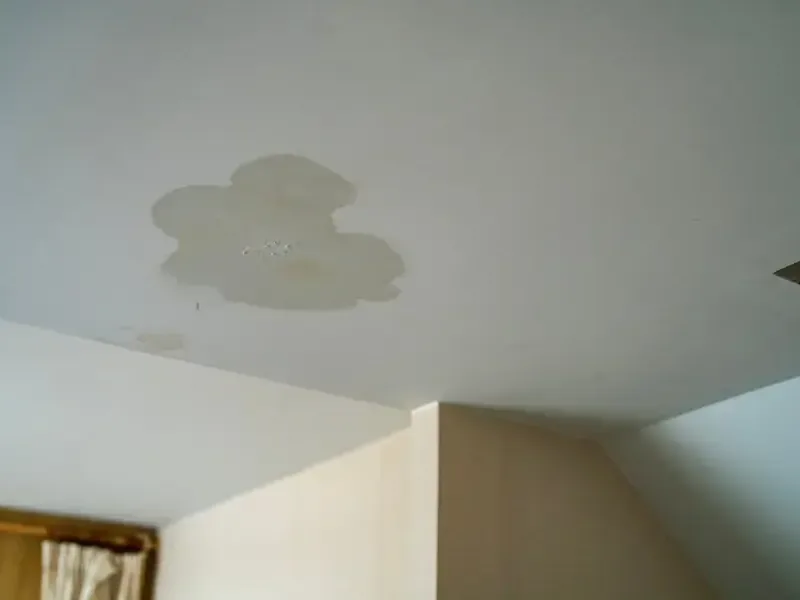
The return of flow can reveal a damaged pipe that had not yet released visible water. A wall stain, ceiling drip or spreading floor puddle may then become the first sign of the interior loss. North Decatur frozen pipe cleanup focuses on that observed release and the materials it reached, with plumbing assessment and water damage restoration coordinated from the start.

Connect the thaw observation to the wet room

Druid Lake is a neighborhood off North Druid Hills Road. At a property with a verified frozen pipe loss, useful observations include where flow was interrupted, where water later appeared and which rooms changed after the release. Those details help the plumbing investigation and direct inspection toward concealed receiving surfaces rather than relying on a weather narrative to define damage.

  • Record the visible release location and any change after flow returned.
  • Identify wet ceilings or wall bases beyond the plumbing repair opening.
  • Keep the affected supply isolated according to the repair professional's direction.
  • Photograph damaged finishes before access or removal changes their original appearance.

Inspect beyond the component that needed repair

Country Squire Court is off Pangborn Road. In an affected home, the damaged pipe may be reachable through a small opening while water has already moved farther through a cavity. The assessment should trace that migration and evaluate insulation, framing and the floor below. A repaired connection alone leaves those receiving materials as an unresolved restoration concern.

Selective access can expose trapped water and reveal whether finishes have lost strength or separated. The purpose of each opening should be clear in the scope. Some materials need removal because of deterioration or restricted drying, while retained components require a plan that reaches their wet surfaces and permits meaningful monitoring as the building returns to normal conditions.

Keep the drying record separate from the plumbing outcome

North Druid Woods sits northwest of North Druid Hills Road and Lawrenceville Highway. Wherever the loss occurs, restored water service and restored interior materials are different milestones. The owner should receive a record of source repair status alongside the moisture findings, making it clear which rooms remain under treatment after the failed plumbing component is corrected.

Burst pipe damage assessment can address the release pattern, and drying wet assemblies follows recovery. Completion notes identify retained layers, removal boundaries and outstanding finish repairs. That information supports reconstruction after the actual water damage has been addressed and avoids closing the repair opening while nearby insulation or framing still needs access and moisture treatment.
Service area

Frozen pipe water damage coverage in North Decatur

Druid Lake, Country Squire Court and North Druid Woods provide neighborhood references for arranging assessment. The report should describe the observed thaw release, affected rooms and whether the plumbing supply has been safely isolated after the damage appeared.

The same service nearby: frozen pipe water damage in Clarkston, Scottdale, Avondale Estates.

Water damage restoration in North Decatur · every town covered

Questions

Frozen Pipe Water Damage questions in North Decatur

Can damage appear only after a pipe thaws?

A damaged section may begin releasing water when flow returns. That can make the interior loss visible after the initial interruption. The plumbing component needs assessment, and restoration should follow the actual water pathway into the walls, ceilings or flooring that received the release.

Should heat be applied directly to the affected pipe?

Improvised heating and open flames create hazards, particularly around concealed utilities or wet electrical components. A qualified professional should assess the frozen or damaged section. Occupants can provide observations and safe access details while avoiding actions that may create another release or additional damage.

Does restored water pressure mean the interior is ready for repair?

Water service concerns the plumbing system, while wet building materials require a separate assessment. Insulation, framing and flooring can retain moisture after the pipe works again. Repair openings should be closed only after the receiving assembly has been evaluated and the required drying work is complete.

Why can damage extend beyond the plumber's opening?

The opening may expose only the failed component. Released water can travel along a cavity or drain into a lower room before it appears. Moisture checks beyond that access point help identify the full affected assembly and establish where additional treatment is necessary.

Can a wall remain intact during drying?

Retention depends on material condition and whether moisture can leave the enclosed assembly effectively. Some areas may need targeted access or removal of unsuitable insulation. The plan should explain the purpose of that access and identify the retained surfaces that will be monitored during drying.

What details help when reporting a freeze related loss?

Useful details include where flow changed, where water later appeared, the affected rooms and the current source status. Photographs taken safely can preserve the starting condition. The report should focus on observations at the property and any completed plumbing findings or repair arrangements.

Water loss support

Resolve the interior loss after the pipe repair

Arrange moisture assessment and treatment of the materials that received the release before wall or ceiling repairs close the access again.

(888) 532-4616Request thaw release restoration
(888) 532-4616Water help, 24/7