Water damage response across DeKalb CountyWater and sewage cleanup · IICRC S500
Incoming water and sediment

North Decatur Storm Flood Cleanup

When stormwater crosses an exterior opening, the cleanup must account for what came inside with it. North Decatur flood restoration begins with safe access, the entry route and the materials that absorbed the incoming water.

(888) 532-4616Discuss water entering from outside
Entry route documentation Sediment and debris handling Affected material removal
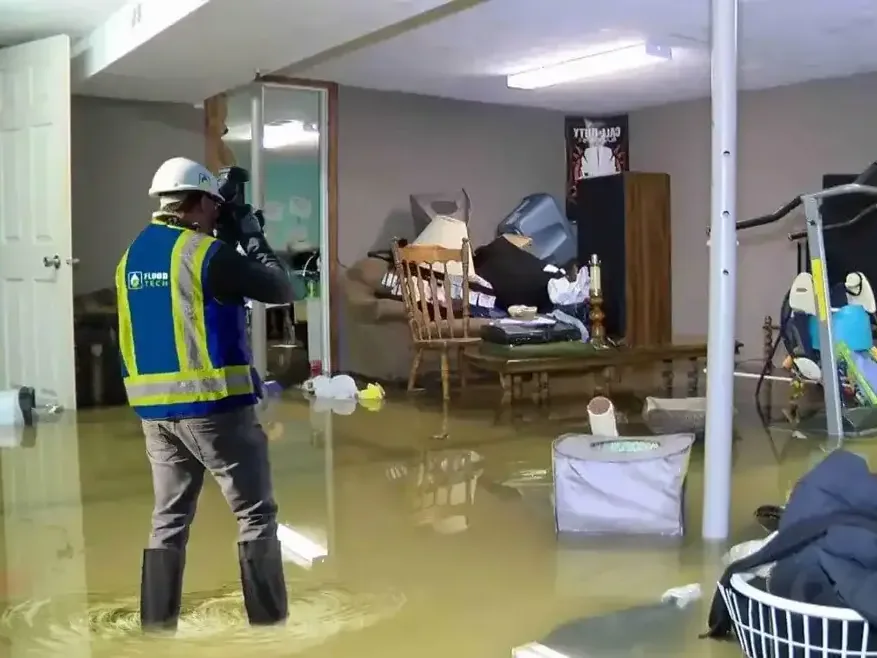
Worker standing in floodwater inside a damaged room
Initial prioritySafe building access
Track firstExterior entry pathway
Cleanup concernSediment and contamination
Retained surfacesClean before drying
First steps

Storm Flood Cleanup: what to do now

  1. 1.Establish a safe inspection boundary

    The response begins with access, electrical exposure and unstable contents. A dry observation point permits documentation of the starting condition while the appropriate building hazards receive attention.

  2. 2.Trace incoming water through the interior

    Inspection connects the exterior opening to wet rooms, deposits and belongings. The mapped pathway identifies concealed receiving surfaces and establishes a boundary for controlled cleaning and material removal.

  3. 3.Remove water and unsuitable porous materials

    Recovery and disposal are planned together so dirty water and debris do not travel through clean areas. The technician evaluates absorbent finishes and documents the condition that makes retention or removal appropriate for each material.

  4. 4.Clean retained surfaces before drying

    After gross contamination and debris are addressed, the retained assembly receives cleaning and moisture treatment. Progress records separate completed sanitation work from ongoing drying and from exterior drainage or building repairs that remain necessary.

Safety before storm flood cleanup

Floodwater should not become a route into the building. Electrical equipment, concealed floor openings and displaced contents can make entry unsafe. Occupants should remain outside the affected area until access has been assessed, and wet electrical systems require qualified attention before normal use or restoration equipment setup proceeds inside.

Water arriving from outside can carry contaminants even when it appears relatively clear. Household fans should not be used to blow across dirty deposits. Cleanup establishes controlled handling and removal first so sediment and contaminated material are not spread through unaffected rooms while the building is being opened for work.

How the work is held to standard

How storm flood cleanup is handled

Assess entry conditions and the water route

Before equipment reaches the wet room, the work plan establishes safe access and the observed route of entry. Photographs capture deposits and water marks that may disappear during cleanup. The inspection also identifies contents or building components that obstruct access, allowing removal and recovery to proceed in a deliberate order.

Organize contaminated material handling

Wet porous finishes and damaged belongings are evaluated for suitable retention or disposal. A controlled route keeps removed material away from clean occupied spaces. The scope records why affected layers require removal and identifies the surfaces that will remain exposed for cleaning, rather than treating all visible water as the only problem.

Recover water and clean exposed surfaces

Extraction reduces the remaining water while debris and sediment are removed from accessible areas. Exposed surfaces then receive cleaning appropriate to the conditions. Particular attention goes to joints, lower walls and recesses where dirty water collected, because those locations can retain contamination after the main floor appears visually clear again.

Monitor drying and prepare repair decisions

Retained materials are dried after the cleanup sequence makes that work appropriate. Measurements document progress and the endpoint for affected assemblies. The owner receives a record of removed finishes, cleaned areas and outstanding source or drainage issues so reconstruction can proceed with a clear understanding of what the interior restoration accomplished.

Typical cost ranges

What does storm flood cleanup cost in North Decatur, GA?

Storm flood cleanup in North Decatur depends on the flooded footprint, sediment load and materials that require controlled removal. The following ranges describe interior restoration planning. Exterior drainage repairs, damaged belongings and reconstruction can create additional scope beyond water recovery and drying.

Contained ground-floor entry

$2,500 to $4,500
  • Limited receiving area
  • Accessible sediment cleanup
  • Focused material assessment

Several flooded rooms

$4,500 to $8,000
  • Connected contaminated spaces
  • Additional porous removal
  • Broader cleaning requirements

Extensive interior flooding

$8,000 to $12,000
  • Large affected assembly
  • Complex contents handling
  • Expanded recovery operations

Water category, wet area, material depth and the delay before extraction affect the scope. The water damage cost calculator gives a planning range; the assessment sets the work required.

The process

Storm Flood Cleanup from assessment to dry materials

Flood cleanup combines water recovery with controlled handling of sediment and contaminated finishes. The assessment identifies where outside water entered, how it spread through the interior and which retained surfaces can be cleaned and dried after unsuitable materials are removed.

  1. Source assessment

    The source repair record identifies the entry point and the correction performed.

  2. Material decisions

    Photos and moisture mapping define the affected assembly before removal or replacement.

  3. Drying verification

    Repeat measurements compare the affected materials with suitable dry references.

  4. Repair handoff

    The final scope separates completed drying from finish work and reconstruction still required.

Outside water can leave a dirty boundary on a wall and a less visible wet layer beneath flooring. A useful flood assessment captures both. North Decatur storm cleanup follows the water from its entry opening across the occupied space, recording deposits, damaged contents and the materials that absorbed water before the surface level began to fall.

Document the entry opening and the indoor footprint

USGS developed flood inundation maps for South Fork Peachtree Creek through the Willivee Drive bridge. The maps estimate extent and depth at selected stream stages. For restoration, the immediate record is the property's actual water route: an exterior opening, the first receiving room and the adjoining finishes reached as water moved through the building.

  • Photograph water marks and deposited sediment from a safe viewing position.
  • Identify interior doors that allowed water to reach additional occupied spaces.
  • Record wet contents before controlled removal changes the room's starting condition.
  • Keep exterior drainage concerns distinct from the indoor cleanup work description.

Dirty water changes material decisions

Clyde Shepherd Nature Preserve sits between Medlock Park, University Heights and the Medlock neighborhood. Those landmarks help describe the community, while the actual water and material condition determine the cleanup. Porous finishes that absorbed contaminated floodwater may require disposal. Retained surfaces need an appropriate cleaning approach before drying equipment is used to treat the remaining moisture.

Extraction alone can leave debris in floor joints and wall cavities. Inspection should consider where sediment settled and where absorbent layers prevent access. Removal boundaries are based on the wet and contaminated footprint. Contents handling also belongs in the scope, particularly when cardboard, upholstered belongings or stored items block inspection of the room's lower surfaces.

Separate drainage followup from indoor recovery

DeKalb County stormwater services include catch basin and culvert repairs, debris removal and detention pond maintenance. A drainage concern can be documented alongside the loss, while restoration addresses the building interior. Useful records distinguish the observed entry route from proposed exterior work so the owner can coordinate those tasks without leaving contaminated rooms untreated.

After controlled cleaning, material drying follows the retained assembly. When wastewater is involved, sewage restoration addresses the sanitary handling needs. The completion record should describe removed finishes, cleaned surfaces and remaining moisture. It should also preserve photographs of the original water marks, giving the owner a clear basis for repair planning after the deposits and damaged materials are gone.
Service area

Storm flood cleanup coverage in North Decatur

Properties near Willivee Drive, University Heights and the Medlock Park neighborhood can use those references when arranging assessment. The report should identify safe access and the opening where outside water entered the building.

The same service nearby: storm flood cleanup in Clarkston, Scottdale, Avondale Estates.

Water damage restoration in North Decatur · every town covered

Questions

Storm Flood Cleanup questions in North Decatur

Is clear looking outdoor water safe to handle?

Appearance alone does not identify the contaminants carried into a building. Outside water may contact soil, waste or other material before entry. The assessment considers the source and exposure pathway, and occupants should avoid moving through the affected room while handling needs are established.

Do creek maps determine the cleanup scope?

Maps describe modeled flood conditions, while restoration addresses the actual property loss. The scope depends on observed entry, affected materials and water condition inside the building. Photographs and a room assessment provide the information needed for recovery, cleaning and drying decisions.

Can wet carpet remain after exterior flooding?

Porous flooring exposed to contaminated incoming water may require removal. The decision considers water condition, backing and the ability to clean the full assembly. Surface extraction does not resolve contamination trapped in padding or beneath a floor covering that blocks access.

Should fans run as soon as the water recedes?

Air movement across dirty deposits can spread contamination. Gross debris, unsuitable materials and cleaning requirements should be addressed before the drying setup is chosen. Equipment then treats retained moisture in a controlled work area rather than distributing residue through otherwise unaffected spaces.

Who addresses a blocked exterior drainage structure?

DeKalb County stormwater services handle functions including drainage structure maintenance. A property owner can report the observed concern through the appropriate county channel while arranging indoor restoration separately. Records should describe what was seen and distinguish that issue from the materials damaged inside.

What helps preserve the starting condition for a claim?

Images of water marks, sediment, room contents and the apparent entry opening are useful when taken safely. A written list of damaged belongings and cleanup records adds context. Coverage questions should be directed to the carrier using the actual policy and documented cause.

Water loss support

Give the flooded interior a complete cleanup scope

Arrange an assessment of water, debris and damaged finishes before the rooms return to ordinary use or receive replacement materials.

(888) 532-4616Request an interior flood assessment
(888) 532-4616Water help, 24/7