Water damage response across DeKalb CountyWater and sewage cleanup · IICRC S500
Rain entry and interior recovery

Stonecrest Roof Leak Water Damage

Rainwater entering at the roof can wet insulation and framing before a ceiling stain appears. Interior restoration follows that concealed path while the roofing contractor addresses the opening that allowed water inside.

(888) 532-4616Discuss rain entry inside the home
Roof repair coordination Attic moisture assessment Interior finish recovery
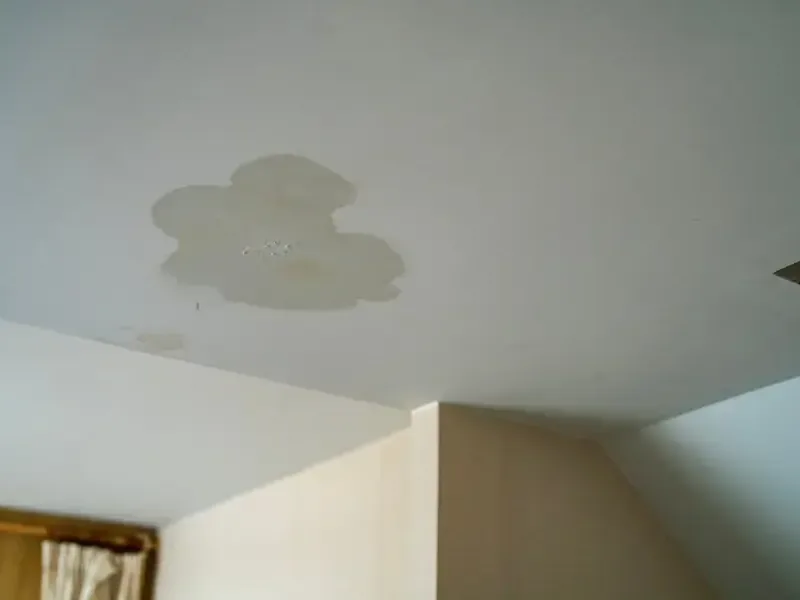
Ceiling finish peeling around damage from overhead water
Entry correctionRoofing trade assessment
Interior routeAttic to room
Wet layersInsulation and finishes
Completion focusDry retained structure
First steps

Roof Leak Water Damage: what to do now

  1. 1.Arrange exterior source attention

    A roofer should evaluate the suspected entry point and suitable temporary protection. The request can describe when interior changes occur, but household members should remain off the roof and out of exposed access areas.

  2. 2.Limit use beneath loose finishes

    The room below a sagging or separating ceiling should remain clear. Furniture can be handled later through a controlled plan rather than retrieved while water and weakened material remain overhead near electrical fixtures.

  3. 3.Preserve the rain related observations

    Photographs and notes about the affected room help connect roof findings to interior conditions. Recording whether stains changed before or after exterior work can also help identify continued entry during the restoration period.

  4. 4.Coordinate attic and room access

    The contractor needs to understand hatch access, stored contents and available dry work space. An organized route lets wet insulation or damaged finishes be handled without unnecessary movement through unaffected parts of the property.

Safety before roof leak water damage

A wet roof is not a safe inspection surface for a resident. Temporary exterior protection and roof access belong with the appropriate contractor. Inside, loose ceiling material and moisture near electrical fixtures can make an apparently small stain a reason to restrict use of the room below.

Attic access also needs assessment before entry. Wet insulation can conceal framing edges, wiring and unsupported ceiling surfaces. Belongings beneath a sagging area should wait for controlled handling. Photographs from a dry doorway can record changing stains without requiring someone to stand beneath the affected section or climb into an uncertain cavity.

How the work is held to standard

How roof leak water damage is handled

Assess entry conditions with interior findings

The assessment gathers the roofer's observations when available and compares them with the room where water appeared. Attic access and electrical concerns are considered before inspection. The scope identifies both obvious finish damage and the concealed route that needs checking between the roof and the occupied room.

Separate damaged layers from retained framing

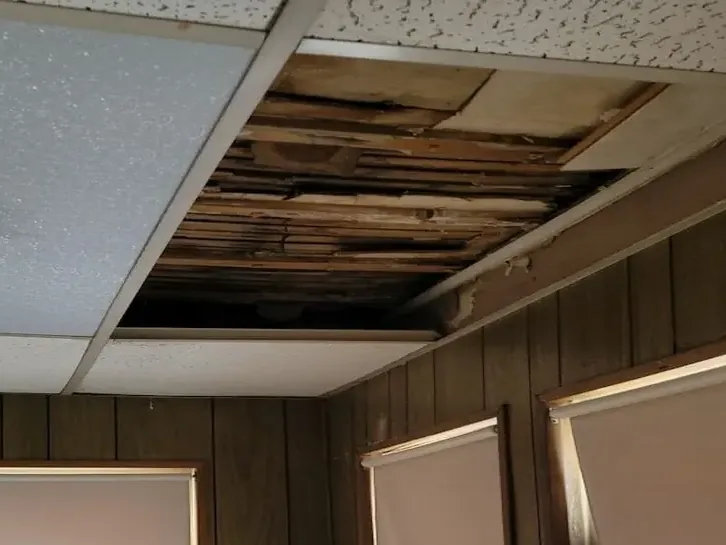
Opening decisions consider wet insulation, weakened ceiling panels and access to the affected structure. Removed materials are handled through a protected route. Photographs and notes preserve the condition found above the stain, helping the repair contractor understand why the finish replacement area may extend beyond the original mark.

Monitor drying while entry stays controlled

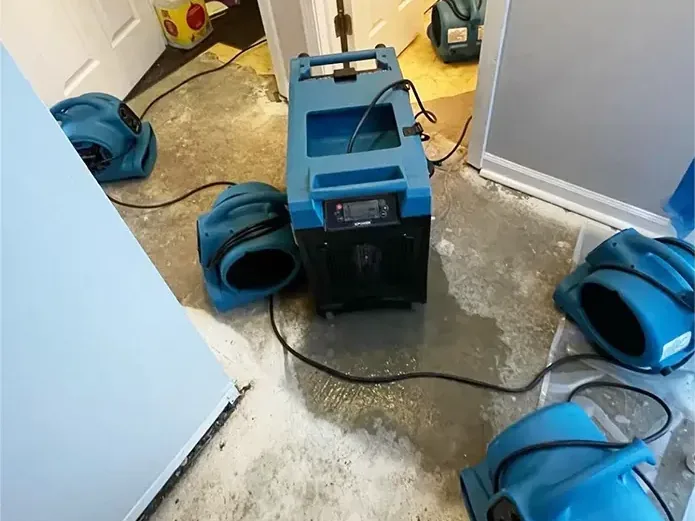
Air movement and moisture removal are arranged around the exposed assembly and available access. Material readings track whether retained framing and adjacent layers are responding. If fresh entry is observed, roofing coordination takes priority so the interior plan does not continue treating water that is still being replenished.

Define the interior reconstruction boundary

The handoff identifies the roof information received, areas dried and finishes requiring replacement. Inspection requirements are coordinated with the relevant trade before closure. The resulting repair scope can distinguish cosmetic work from any unresolved material condition, giving the owner a usable sequence for completing the room.

Typical cost ranges

What does roof leak water damage cost in Stonecrest, GA?

Roof leak interior restoration in Stonecrest varies with attic accessibility, insulation condition and the number of rooms reached by water. These figures concern interior cleanup and drying. Roofing work, exterior protection and finish reconstruction should be separately described in the written proposal.

Limited interior stain area

$1,000 to $1,900
  • Localized ceiling assessment
  • Small finish opening
  • Focused moisture checks

Attic and ceiling materials

$1,900 to $3,600
  • Insulation handling decisions
  • Accessible framing drying
  • Ceiling cavity monitoring

Several interior rooms

$3,600 to $5,500
  • Connected wall inspection
  • Broader contents protection
  • Multiple interior assemblies

Water category, wet area, material depth and the delay before extraction affect the scope. The water damage cost calculator gives a planning range; the assessment sets the work required.

The process

Roof Leak Water Damage from assessment to dry materials

Roof leak water damage service concerns the affected interior: attic materials, ceiling panels, wall tops and the rooms below. Roofing correction and restoration remain separate scopes connected by the need to stop repeated entry before drying finishes.

  1. Source assessment

    The source repair record identifies the entry point and the correction performed.

  2. Material decisions

    Photos and moisture mapping define the affected assembly before removal or replacement.

  3. Drying verification

    Repeat measurements compare the affected materials with suitable dry references.

  4. Repair handoff

    The final scope separates completed drying from finish work and reconstruction still required.

A stain that changes during rain can begin a search above the room, but the water may have traveled across framing before reaching the ceiling. Stonecrest roof leak restoration examines that interior route. The goal is to identify wet materials hidden between the roof and occupied space, then coordinate drying with the roofing work that prevents a fresh release from restarting the damage.

Let the roof and interior scopes meet

The Building Department lists roof permits along with trade, demolition, interior finish and remodeling permits. A roofing repair and interior reconstruction may therefore involve different planning steps. The property owner should keep the roof findings with the restoration notes so the drying team understands whether entry has been controlled and what areas remain exposed during repair.

  • Wet insulation can conceal water beyond the visible ceiling stain below.
  • Roof framing may direct moisture toward a wall or service penetration.
  • Interior paint damage can coexist with sound but damp structural material.
  • Repeated entry can interrupt drying even after an initial extraction is complete.

Inspect the actual attic arrangement

Davidson-Arabia Nature Preserve and Flat Rock Archives are useful reference points for locating a property. They do not determine its attic layout. Access, insulation type and the relationship between the roof opening and occupied rooms need to be checked at the building before a removal or equipment plan is finalized.

For a property reached from Klondike Road, a service request can describe whether the stain changes during rain and whether a roofer has already inspected it. The interior assessment should include wall tops, closets and ceiling transitions connected to the observed path. That approach avoids stopping the scope at the most obvious discolored panel.

Restore what the rain reached inside

Damaged finishes and unsuitable wet insulation may require controlled removal. Sound framing can then be evaluated for drying, with equipment arranged for the accessible assembly rather than aimed only at the room air. The technician tracks material conditions and notes any location that cannot be inspected without additional access or roofing coordination.

The finish repair should follow a clear handoff: source work documented, interior removals described and retained materials evaluated. A roof repair invoice explains the exterior task, while moisture records explain the condition inside. Those records serve different purposes and belong together. New ceiling panels, trim and paint can then address the resulting repair area, with any required inspections resolved before the opened assembly disappears behind a finished surface.
Service area

Roof leak water damage coverage in Stonecrest

Service requests around Davidson-Arabia Nature Preserve, Klondike Road and Flat Rock Archives can describe the indoor damage and any roofing assessment already completed. A dry interior entrance and attic access details help organize inspection.

The same service nearby: roof leak water damage in Clarkston, Avondale Estates, Scottdale.

Water damage restoration in Stonecrest · every town covered

Questions

Roof Leak Water Damage questions in Stonecrest

Does this work include replacing the roof?

Interior restoration and roofing repair are separate scopes. A roofer addresses the entry point and exterior protection, while restoration addresses wet insulation, framing and room finishes. The proposal should clearly identify who handles each task and how the work is coordinated.

Can a roof leak stain appear away from entry?

Water can follow framing or other surfaces before passing through the ceiling. The interior inspection traces connected areas rather than assuming the stain sits directly below the defect. Roof findings help narrow that route when shared with the restoration team.

Should damp attic insulation be covered again?

Its condition and suitability for retention need assessment first. Wet insulation can hold moisture against surrounding materials. Any removal or drying decision should be documented before new ceiling finishes conceal the assembly and make further inspection difficult.

What if another rain occurs during drying?

Continued entry needs attention from the roofing contractor. Restoration monitoring should record any new wetting and reassess affected materials. Keeping exterior source work coordinated with interior drying helps distinguish a slow response from moisture added by another release.

Can an owner inspect from the attic hatch?

A safe view from an accessible position may provide observations, but entering an uncertain attic carries hazards. Wet materials can hide unsupported surfaces or wiring. The inspection should be planned by the contractor before anyone moves into the affected space.

When is the ceiling ready for finishing?

The entry point must be controlled, unsuitable materials addressed and retained components evaluated for moisture. Applicable inspections should also be complete before closure. The finish contractor can then repair the defined area using the restoration handoff and source repair information.

Water loss support

Bring roof findings into the interior repair plan

The wet assembly can be assessed for removal and drying while the roofing contractor addresses the path of incoming water.

(888) 532-4616Discuss rain damaged interior materials
(888) 532-4616Water help, 24/7