Water damage response across DeKalb CountyWater and sewage cleanup · IICRC S500
Outdoor water inside the property

Stonecrest Storm Flood Cleanup

Water crossing a doorway from outdoors brings more than a wet floor. Cleanup needs to account for sediment, affected contents and porous finishes while the entry route and remaining access hazards receive attention.

(888) 532-4616Discuss outdoor water entering rooms
Sediment removal planning Contaminated materials assessed Drainage reporting separated
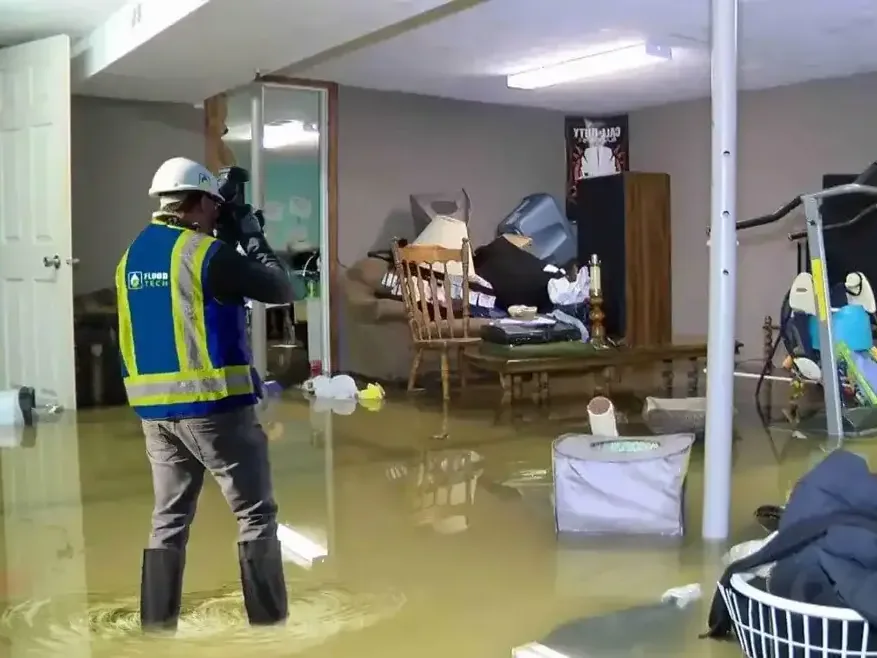
Worker standing in floodwater inside a damaged room
Entry typeOutdoor water intrusion
Cleanup concernSediment and contamination
Work boundaryAffected interior surfaces
Separate taskDrainage source reporting
First steps

Storm Flood Cleanup: what to do now

  1. 1.Wait for a safe entry assessment

    A flooded route with uncertain electrical conditions should remain unused. The report can identify water, loose surfaces and affected rooms without entering the damaged space for photographs.

  2. 2.Record entry from dry positions

    Images of thresholds, residue and exterior drainage observations can support the initial account. Contents and finishes should be documented before removal when that can be done safely without crossing water or disturbing contaminated material.

  3. 3.Separate reporting from interior work

    A public drainage concern can be reported to the responsible county division. The indoor scope still needs its own assessment for extraction, cleaning and disposal, including any wet rooms connected to the original entry point.

  4. 4.Keep affected belongings contained

    Wet porous items should not be carried through clean rooms without a handling plan. The cleanup team can identify a route and sorting area that limits tracking while preserving useful records of damaged contents.

Safety before storm flood cleanup

Flooded rooms can contain electrical hazards, loose floor materials and contaminated water. Entry should wait for a safety assessment when a dry route is unavailable. Children and pets should remain away from the affected space, and household fans should not be used to move air across dirty surfaces.

Outdoor drains, flowing water and unstable debris are unsuitable places for a resident to investigate during an active event. Safe photographs can record entry points from dry ground. Indoor contents retrieval should wait when reaching belongings requires crossing water or disturbing materials whose strength and contamination have not been assessed.

How the work is held to standard

How storm flood cleanup is handled

Establish the contaminated work area

The first assessment identifies access hazards, the route of entry and surfaces contacted by outdoor water. A work boundary separates affected rooms from clean space. Contents handling and recovery equipment are planned within that boundary so water removal does not spread sediment through the rest of the building.

Remove water and unsuitable absorbent material

Extraction is followed by decisions about carpet, pad, insulation and other materials that cannot be suitably cleaned in place. The condition and location of removals are documented. Sediment pockets at thresholds, cabinet bases and exposed cavities receive attention rather than being left beneath future replacement finishes.

Clean before increasing air movement

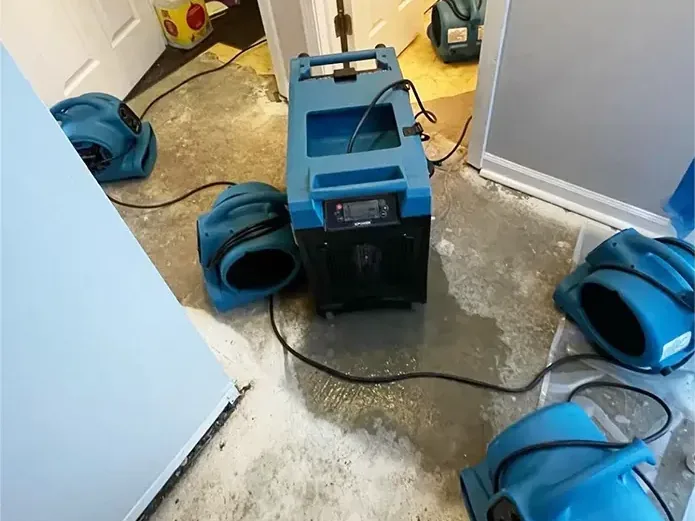
Accessible retained surfaces are cleaned after debris removal, with methods chosen for the water contact and material involved. The drying setup follows that work. Equipment placement accounts for room divisions and exposed structural surfaces, while monitoring shows whether retained substrates and wall bases are losing moisture as intended.

Connect cleanup records with reconstruction

The closing record identifies interior treatment, removed items and remaining repair needs. Any exterior drainage report is kept distinct from the restoration results. The repair contractor receives material condition information and a defined replacement area. Reconstruction planning then follows the documented readiness of retained layers after the standing water has receded.

Typical cost ranges

What does storm flood cleanup cost in Stonecrest, GA?

Storm flood cleanup in Stonecrest depends on contaminated surface area, sediment, access and the amount of porous material requiring removal. These ranges support early planning. Exterior drainage correction, source prevention and replacement finishes need separate descriptions alongside the interior restoration estimate.

Contained ground-floor entry

$2,500 to $4,500
  • Limited indoor spread
  • Initial sediment handling
  • Accessible surface cleaning

Several flooded rooms

$4,500 to $8,000
  • Broader porous removal
  • Connected area containment
  • Multiple drying zones

Extensive interior flooding

$8,000 to $12,000
  • Complex contents sorting
  • Large cleaning scope
  • Expanded structural monitoring

Water category, wet area, material depth and the delay before extraction affect the scope. The water damage cost calculator gives a planning range; the assessment sets the work required.

The process

Storm Flood Cleanup from assessment to dry materials

Storm flood restoration handles interior water and debris after outdoor entry. The work includes evaluating contamination, removing affected liquid and unsuitable porous materials, cleaning accessible surfaces and drying retained structure once continued entry is controlled.

  1. Source assessment

    The source repair record identifies the entry point and the correction performed.

  2. Material decisions

    Photos and moisture mapping define the affected assembly before removal or replacement.

  3. Drying verification

    Repeat measurements compare the affected materials with suitable dry references.

  4. Repair handoff

    The final scope separates completed drying from finish work and reconstruction still required.

Muddy residue at a door threshold can mark the beginning of a wider interior cleanup. Outdoor water may have passed through soil or debris before reaching carpet, cupboards and wall bases. Stonecrest storm flood work therefore begins with access and contamination decisions, not simply a plan to circulate air. The path into the building also needs attention so removal is not overtaken by continued entry.

Report drainage while defining the indoor scope

DeKalb County maintains stormwater infrastructure in Stonecrest, including ditches, swales, easements and catch basins. DeKalb County Roads and Drainage Division handles drainage maintenance and improvements. A report about those systems is distinct from the work inside a property, where water removal, contents decisions and cleaning need their own assessment and written scope.

  • Doorway residue can help document where outdoor water crossed the building boundary.
  • Wet porous finishes may need removal when contamination prevents suitable retention.
  • Cabinet toe spaces and floor transitions can trap sediment after water recedes.
  • Drying equipment belongs after the appropriate removal and cleaning of affected surfaces.

Follow the entry path through occupied space

Panola Shoals Trailhead is on Panola Road, and Browns Mill Road is another local route. These locations can help orient a service request, while the inspection at the property establishes the actual entry conditions. A ground floor room, attached storage area and interior hallway can have different material handling needs even when reached by the same water.

The assessment should document the visible water boundary, deposits and contact with contents. A room that no longer holds standing water may still contain dirty carpet pad, wet insulation or sediment beneath a cabinet. Removal choices follow those conditions and the ability to clean retained surfaces, with photographs preserving items and materials before disposal.

Recover the room without concealing residue

After water and unsuitable materials are removed, accessible retained surfaces can be cleaned before drying equipment is positioned. Containment and work routes help separate the affected area from clean rooms. The technician tracks moisture in the remaining assembly, including wall bases and substrates exposed during removal, so the next stage is based on actual material response.

Owners pay an annual stormwater utility fee on the property tax bill, but interior restoration remains a separate property task. Cleanup records should distinguish the suspected entry route, any drainage report and the treatment of affected rooms. Reconstruction then follows the condition of retained materials and required approvals. That sequence keeps exterior maintenance questions from obscuring the practical decisions needed to make the interior suitable for repair.
Service area

Storm flood cleanup coverage in Stonecrest

Properties around Panola Shoals Trailhead, Panola Road and Browns Mill Road can describe where outdoor water entered and which rooms remain accessible. Drainage observations and interior damage details help establish separate reporting and cleanup tasks.

The same service nearby: storm flood cleanup in Clarkston, Avondale Estates, Scottdale.

Water damage restoration in Stonecrest · every town covered

Questions

Storm Flood Cleanup questions in Stonecrest

Is receded floodwater the end of cleanup?

No. Residue, wet porous materials and concealed sediment can remain after the pool disappears. Those conditions need assessment before drying or reconstruction. The work scope should identify what can be cleaned, what requires removal and where moisture still needs monitoring.

Who receives county drainage maintenance concerns?

DeKalb County Roads and Drainage Division handles drainage maintenance and improvements. County stormwater work includes ditches, swales and catch basins. A public drainage report can accompany an interior restoration request, but each addresses a different part of the problem.

Can household fans dry a flooded room first?

Dirty surfaces need appropriate removal and cleaning before broad air movement. Fans can spread contamination from affected materials into nearby space. The restoration sequence should establish the work boundary, remove unsuitable material and clean retained surfaces before arranging the drying setup.

How should wet contents be documented?

Photographs and a practical item record help preserve the initial condition before sorting or disposal. Handling should occur through a controlled route, especially for items touched by outdoor water. The plan should distinguish items selected for cleaning from those requiring removal.

Does a nearby landmark establish flood risk?

The property assessment needs the actual entry route, building conditions and relevant property information. A local landmark is useful for location, while observed water paths and material contact determine the cleanup scope for the affected rooms and contents.

When can new flooring be installed?

The entry problem needs attention, contaminated materials need appropriate treatment and retained substrates need suitable moisture conditions. The installer should receive the restoration records and apply the selected flooring system's requirements before covering the cleaned and dried assembly again.

Water loss support

Address the residue as well as the water

An interior assessment can separate contaminated materials, retained structure and exterior reporting tasks so recovery follows a clear sequence.

(888) 532-4616Arrange a flooded room assessment
(888) 532-4616Water help, 24/7