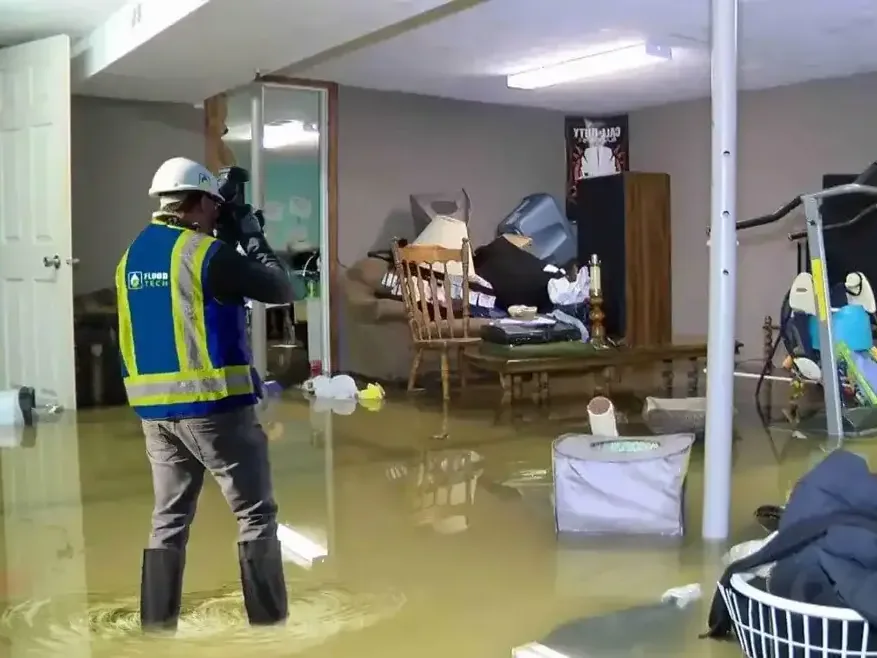
The sound of water under a carpet can reveal a problem that a photograph misses. In Stonecrest, an extraction assessment looks beyond the deepest puddle to the floor transitions, furniture footprints and absorbent edges that keep releasing moisture. Removing the visible pool is the beginning of that inspection, because water already beneath a covering can continue wetting the room after the surface looks clear.
Start with the route water used
DeKalb County maintains public water infrastructure in public rights of way and dedicated easements. Property owners maintain service pipes within their property. These responsibilities matter when a room floods from plumbing: a suspected public problem and an indoor valve or pipe problem need the appropriate response. The extraction plan then addresses the water already inside, including moisture spreading into connected rooms.
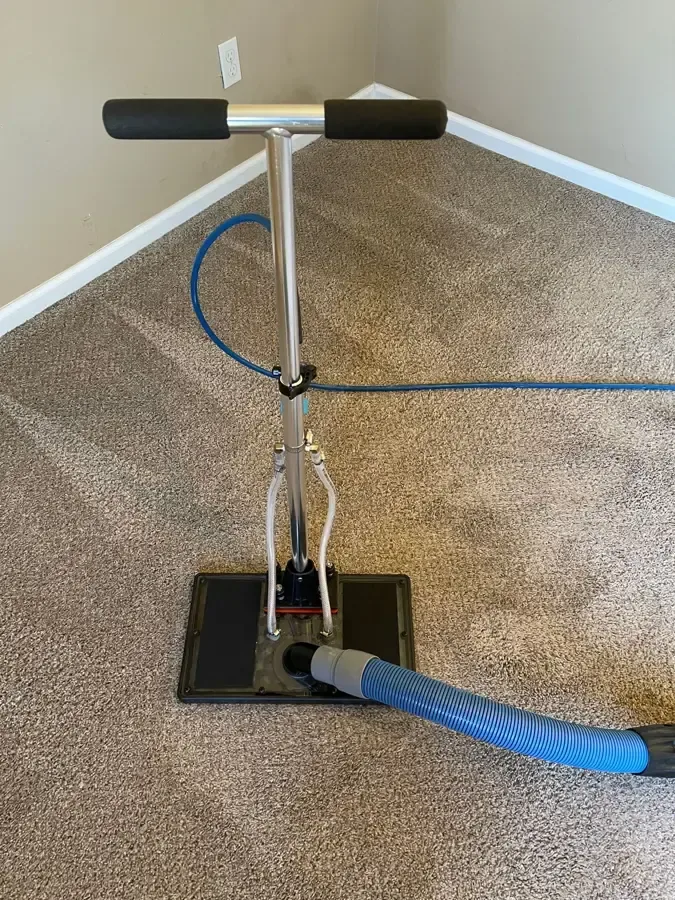
- Carpet edges can release additional liquid after an initial extraction pass.
- A threshold can conceal water beneath neighboring floor coverings and trim.
- Boxes and furniture bases may hold moisture against an otherwise exposed floor.
- Water source and contact history influence handling of affected soft materials.
Accessible floors and concealed layers
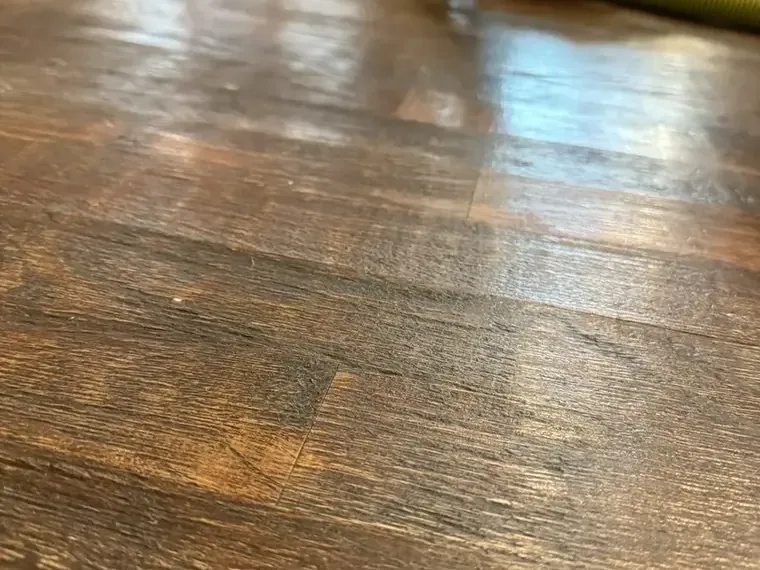
Homes reached from Snapfinger Road or Turner Hill Road need a room specific inspection. Floor covering, pad, substrate and wall base conditions determine the removal approach. A hard surface may allow straightforward collection, while saturated padding or water beneath a floating floor can require access changes before the wet layer can be addressed effectively.
Fairington Park offers a useful location reference for a service request, but the practical details are at the building entrance. Stairs, a shared hallway, loose floor coverings and limited electrical access affect the setup. A clear equipment route helps keep recovery hoses from crossing protected contents and allows extracted water to be handled appropriately.
What remains after the puddle disappears
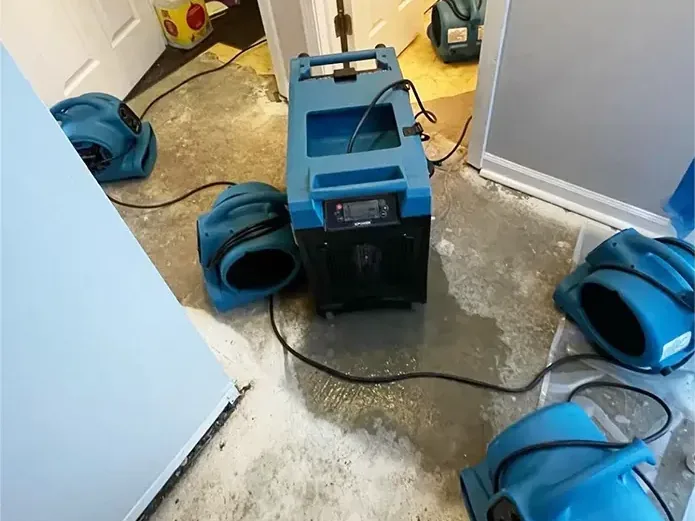
Extraction reduces the amount of liquid that later drying must remove. The underside of flooring and enclosed wall materials need moisture checks before their repair readiness is determined. The technician records moisture at suspect edges and compares nearby materials so that equipment placement follows the remaining wet pattern rather than the original puddle alone.
County stormwater maintenance includes ditches, swales and catch basins. When outdoor drainage is involved, a report to DeKalb County Roads and Drainage Division can proceed alongside interior work. The final removal notes should distinguish the suspected entry route, materials handled and areas that still need drying. That separation makes the next estimate clearer and helps avoid covering a wet substrate prematurely.