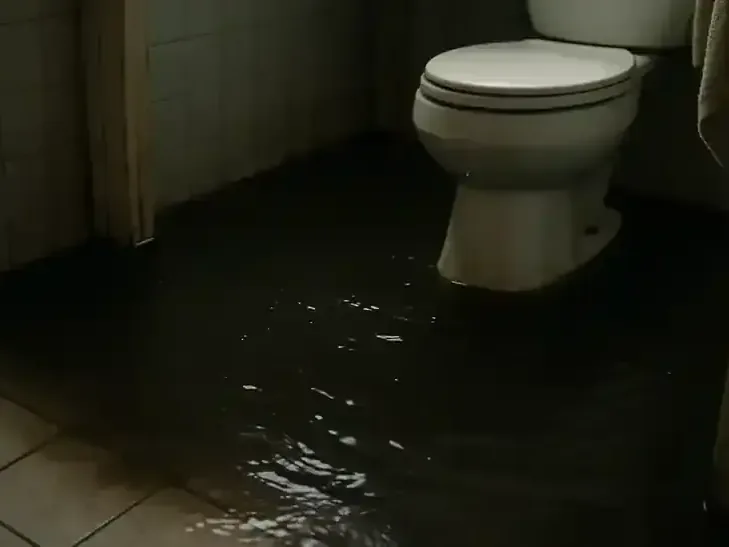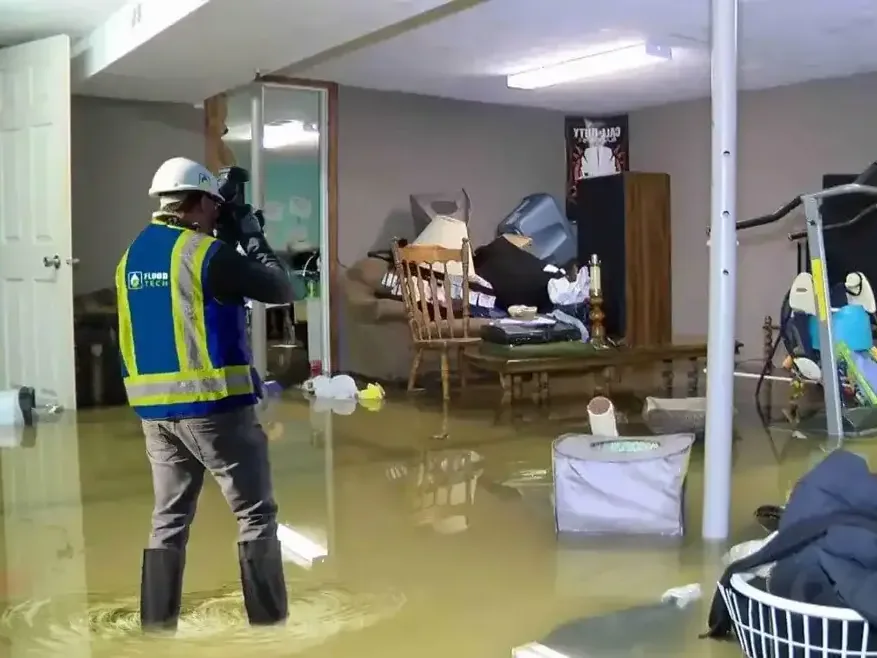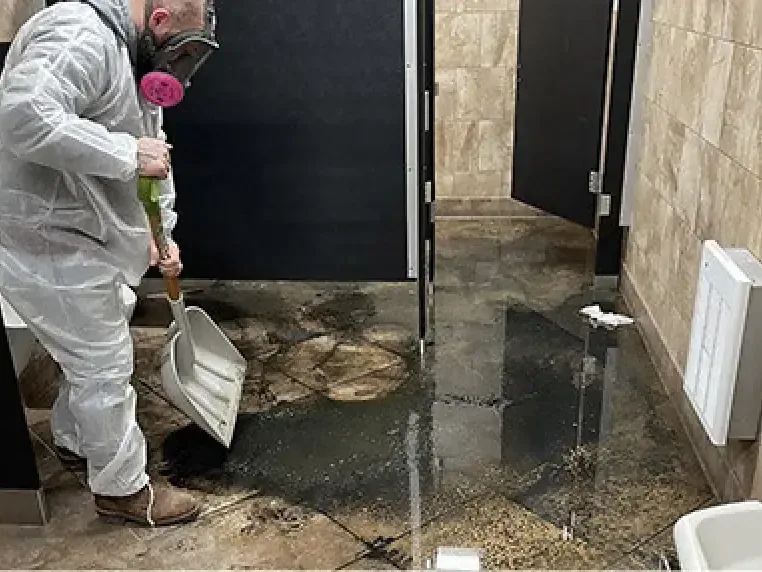
A sewage backup can leave a contamination boundary larger than the puddle around a drain. Foot traffic, wet objects and contact beneath floor coverings can extend the affected area. In Stonecrest, a useful cleanup plan starts by defining that boundary and controlling access. It then addresses the wastewater, damaged porous materials and retained surfaces in an order that limits movement of contamination into clean rooms.
Connect public reporting with property source investigation
DeKalb County Watershed Management receives sanitary sewer spill reports. The county owns and maintains public sanitary sewer infrastructure in public rights of way and dedicated easements, while homeowners maintain service pipes within their property. These responsibilities help direct the source investigation and reporting. Neither task replaces the separate removal and cleaning needed when wastewater has entered occupied space.
- Porous floor coverings can hold contamination beneath a superficially clean surface.
- Cabinet bases and trim gaps may conceal contact beyond the visible pool.
- Tracked water and affected belongings can enlarge the area requiring treatment.
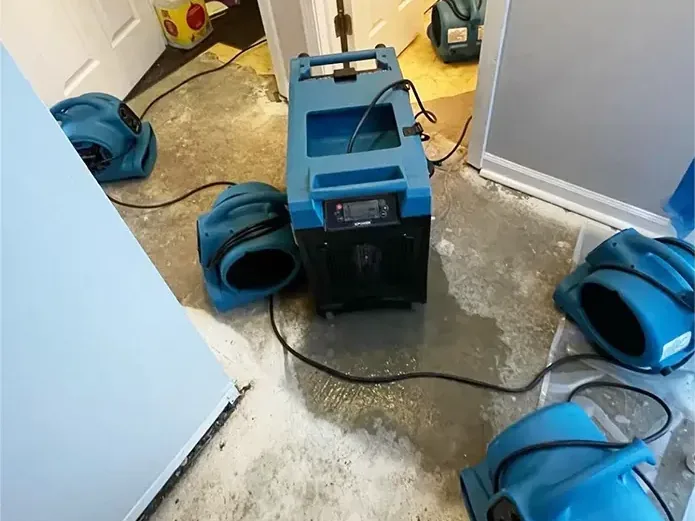
- Drying equipment follows removal and cleaning rather than replacing those tasks.
Build a work route through the affected rooms
Snapfinger Road and Turner Hill Road are local routes, while Browns Mill Park Complex is on Browns Mill Road. Those references can locate a service request. The important interior details include the drain involved, rooms reached, floor coverings and any access that would force workers through otherwise clean space.
The removal plan should identify how contaminated liquid and unsuitable absorbent materials will leave the building. Contents sorting can distinguish hard items suitable for treatment from porous items that require disposal. Photographs preserve the condition before removal, and the written scope explains why particular materials cannot remain instead of grouping every item under a vague cleanup allowance.
Restore retained surfaces before finish replacement
After wastewater and affected debris are removed, accessible sound surfaces receive appropriate cleaning and treatment. Opened cavities need inspection for retained contamination and moisture. Drying then addresses the remaining wet structure, with measurements showing whether substrates and wall bases are responding before reconstruction hides them again.
The completion record should identify the source findings available, county reporting details when applicable, cleaning boundaries and disposal decisions. It should also make outstanding plumbing or reconstruction work clear. Returning a room to normal use depends on addressing the contaminated surfaces and the remaining moisture, not merely removing an odor. A documented handoff gives the next trade a defined repair area and an account of the materials left in place.