Water damage response across DeKalb CountyWater and sewage cleanup · IICRC S500
Condensate escaping the equipment area

Stonecrest AC Leak Water Damage

A cooling system can leave a damp closet edge or ceiling stain when condensate escapes its intended path. Restoration traces the wet materials while the HVAC contractor evaluates the equipment and the drainage problem behind the release.

(888) 532-4616Discuss escaped AC condensate
HVAC correction coordinated Nearby assemblies checked Recurring dampness investigated
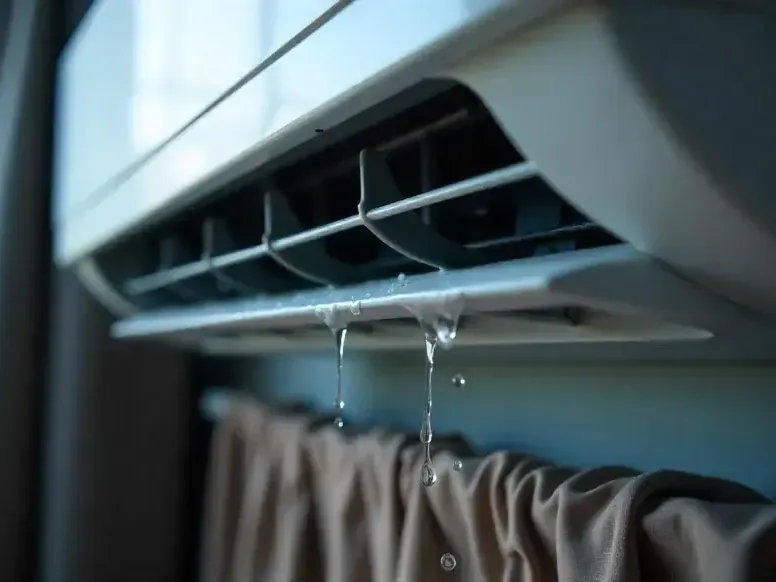
Water dripping from the lower edge of a wall mounted air conditioner
Source systemCooling equipment condensate
Visible symptomsDamp edges and stains
Repair tradeHVAC source correction
Restoration targetWet surrounding assemblies
First steps

AC Leak Water Damage: what to do now

  1. 1.Describe the equipment setting

    The request should identify equipment in a closet, overhead space or on a wall. Nearby stains and connected rooms help define which assemblies need inspection alongside the HVAC service.

  2. 2.Leave powered components to the trade

    Wet equipment and wiring require qualified assessment. The HVAC contractor should determine safe isolation and operation while household members avoid reaching inside the unit, moving it or disturbing drainage connections to search for the source.

  3. 3.Record the repeated moisture pattern

    Notes about when dampness appears and which finishes change can help connect equipment operation with the visible release. Photographs from a dry position preserve the original condition without requiring entry below unstable ceiling material or beside wet components.

  4. 4.Coordinate access before finishes return

    Any platform, floor edge or cavity exposed during equipment service can be assessed for damage while accessible. The reconstruction plan should account for drying and material replacement before trim, panels or equipment conceal the affected layers again.

Safety before AC leak water damage

Cooling equipment combines water and powered components, so wet access around the unit needs professional assessment. Household members should not reach into the equipment or disconnect wet wiring to investigate a drip. The HVAC contractor should determine safe operation and isolation while restoration plans access to the surrounding damaged materials.

A ceiling beneath an equipment space can become unstable when water accumulates overhead. The area below sagging or loose finishes should remain clear. Opening a drain, moving equipment or removing a wet platform without the appropriate trade can create another release or expose a hazard before the source is controlled.

How the work is held to standard

How AC leak water damage is handled

Connect HVAC findings with the wet pattern

The assessment gathers the equipment location, operating observations and any completed service findings. Electrical and overhead concerns are addressed before material access. Restoration then maps the surfaces reached by escaped condensate, including concealed connections that may explain why a stain appears away from the unit or returns after the floor is wiped.

Inspect the support and surrounding finishes

Safe equipment access can reveal a wet platform, wall edge or floor layer. The technician evaluates these materials for damage and suitability to retain, coordinating movement with the HVAC trade when needed. Any opening is documented so the eventual repair scope reflects the actual wet assembly rather than only the visible stain.

Dry after the condensate source is controlled

Accessible water and unsuitable material are removed before retained surfaces are treated. Equipment placement follows the cavity and room arrangement, with repeated readings tracking moisture reduction. If wetting returns, the source correction is reviewed with the relevant trade instead of treating a continuing release as an ordinary slow drying response.

Document the equipment and building handoff

The closing notes distinguish HVAC work reported from restoration work performed. They identify removed finishes, retained component conditions and remaining reconstruction tasks. The repair contractor can then coordinate applicable approvals and installation requirements before closing the assembly, while the owner retains a clear account of both the source correction and the surrounding material recovery.

Typical cost ranges

What does AC leak water damage cost in Stonecrest, GA?

AC leak water damage restoration in Stonecrest depends on equipment access, repeated wetting and the wall, ceiling or floor layers involved. These ranges describe material restoration. HVAC service, condensate drainage correction and replacement finishes should be separately explained so the owner can coordinate the complete repair sequence.

Accessible condensate spill

$700 to $1,300
  • Limited surface collection
  • Nearby edge checks
  • Small drying setup

Closet or wall assembly

$1,300 to $2,400
  • Platform condition assessment
  • Selective finish access
  • Retained component monitoring

Ceiling or concealed spread

$2,400 to $3,800
  • Overhead safety planning
  • Connected cavity inspection
  • Expanded material treatment

Water category, wet area, material depth and the delay before extraction affect the scope. The water damage cost calculator gives a planning range; the assessment sets the work required.

The process

AC Leak Water Damage from assessment to dry materials

AC leak water damage cleanup addresses flooring, wall finishes, insulation and ceilings affected by escaped condensate. The assessment follows the equipment location and water path, then coordinates access, material decisions and drying with the contractor correcting the cooling system.

  1. Source assessment

    The source repair record identifies the entry point and the correction performed.

  2. Material decisions

    Photos and moisture mapping define the affected assembly before removal or replacement.

  3. Drying verification

    Repeat measurements compare the affected materials with suitable dry references.

  4. Repair handoff

    The final scope separates completed drying from finish work and reconstruction still required.

A recurring stain below cooling equipment can be easy to mistake for a minor cosmetic issue. Escaped condensate may instead be keeping a concealed wall edge, platform or ceiling layer wet during operation. Stonecrest AC leak restoration follows that repeated path into the building materials, while an HVAC assessment identifies the equipment or drainage correction needed to prevent further release into the same area.

Trace the condensate beyond the equipment casing

The visible drip may be only the final point of a longer path. Water can collect beneath a cabinet, pass along a support surface or enter a wall penetration before reaching the room. The restoration assessment should compare those connections and inspect nearby finishes rather than limiting the scope to the spot directly under the equipment.

  • Closet trim can reveal moisture spreading along a concealed floor edge.
  • A wet equipment platform may hide affected material beneath its surface.
  • Repeated staining can indicate continued wetting between visible dripping episodes.
  • A lower ceiling requires separate safety checks before inspection or opening.

Connect equipment service with material access

Salem Road and Panola Road are local location references, and Southeast Athletic Complex is on Hillvale Road. At the property, the practical details are the equipment setting, access route and rooms connected to the stain. A closet installation, overhead location or wall mounted unit can direct condensate toward different building surfaces.

The HVAC contractor can investigate the condensate path and determine the source correction. Restoration can use that information to inspect any exposed platform, floor or cavity while access is available. The source finding should be recorded separately from the material condition so successful equipment operation does not prematurely end attention to the wet structure around it.

Resolve recurrent moisture before restoring finishes

Repeated small releases can keep absorbent layers damp even when each puddle is easily wiped away. Appropriate material access allows the technician to assess damage and establish a drying target. Unsuitable finishes receive a removal decision, while retained components are monitored for moisture reduction after the source has been controlled.

The final handoff should identify the reported HVAC correction, the affected assembly and the results of drying checks. Replacing ceiling paint or closet trim belongs after those conditions are addressed. Where repair work involves trade or interior finish approvals, coordination should occur before closure. A clear sequence helps the owner understand why an equipment service visit and a material restoration visit answer different questions about the same condensate release.
Service area

AC leak water damage coverage in Stonecrest

Requests around Salem Road, Southeast Athletic Complex and Panola Road can describe the cooling equipment location and nearby stains. Information about repeated dampness and any HVAC service already arranged helps focus the material assessment.

The same service nearby: ac leak water damage in Clarkston, Avondale Estates, Scottdale.

Water damage restoration in Stonecrest · every town covered

Questions

AC Leak Water Damage questions in Stonecrest

Can a small condensate drip damage concealed material?

Repeated wetting can keep absorbent layers damp even when each visible release appears small. The inspection should follow the path beneath or beside the equipment. Measurements help determine whether a floor edge, platform or ceiling needs more than surface wiping.

Does HVAC repair include drying the building materials?

Equipment correction addresses the condensate source. Wet flooring, wall finishes and insulation require their own assessment and restoration decisions. The proposal should distinguish those tasks and coordinate access so a successful service visit does not conceal moisture remaining around the installation.

Should the cooling unit be moved to inspect underneath?

Movement belongs with the appropriate equipment trade after safe isolation. Restoration can coordinate inspection of the exposed footprint or support surface. Household members should avoid shifting connected equipment because wiring, drainage and other connections can be damaged or exposed during movement.

Why check the room below an overhead unit?

Condensate can pass through a platform or ceiling assembly before appearing in the occupied room. The lower ceiling may need a safety assessment and cavity inspection. The restoration scope should connect that secondary damage with the equipment area above it.

Can a recurring stain simply be painted over?

The source and retained material condition need attention before cosmetic repairs. Repeated staining can indicate continuing moisture in the assembly. Drying records and source findings help establish when replacement finishes can be installed without hiding the same unresolved wet area.

What details make the initial request useful?

The equipment location, nearby stain pattern and any HVAC work already arranged are useful starting points. The request should also describe safe access and loose ceiling material. Photographs can supplement those observations when taken without approaching wet powered equipment or unstable overhead finishes.

Water loss support

Restore the materials around the cooling equipment

A coordinated assessment can identify wet layers and define the cleanup needed before equipment supports, trim or ceiling finishes conceal them again.

(888) 532-4616Arrange an AC moisture damage assessment
(888) 532-4616Water help, 24/7