Water damage response across DeKalb CountyWater and sewage cleanup · IICRC S500
Water escaping the utility space

Stonecrest Water Heater Leak Cleanup

A tank leak can keep a closet floor wet while water slips beneath the door into an adjoining room. Restoration starts with safe appliance isolation and a check of the materials beyond the heater footprint.

(888) 532-4616Assess the wet heater closet
Appliance safety first Closet edges examined Adjacent flooring checked
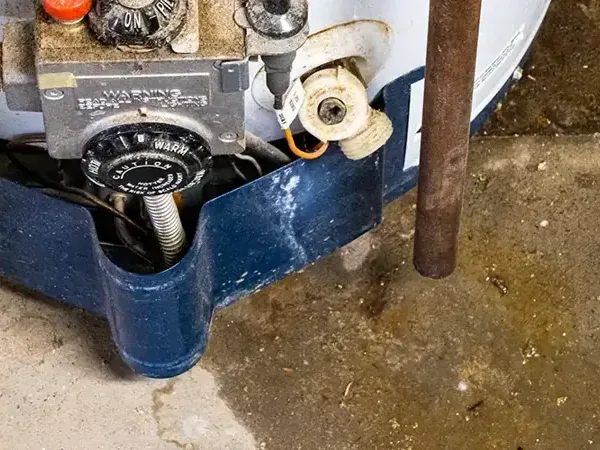
Water escaping at the base of a gas water heater
Source locationTank or connections
Safety concernHeat and energy
Spread checkCloset to room
Recovery scopeSurrounding wet materials
First steps

Water Heater Leak Cleanup: what to do now

  1. 1.Describe appliance and access concerns

    The request should mention hot water, wet powered equipment and whether the heater has a dry approach. These details identify source isolation needs before restoration access begins.

  2. 2.Keep the tank in place

    Moving or disconnecting a heater can expose energy and plumbing hazards. The appliance contractor should handle that task while restoration plans how to inspect the footprint and surrounding materials once safe access is available.

  3. 3.Check belongings from outside the spill

    Stored boxes and adjacent furniture can indicate where water traveled. Photographs taken safely can document damage, but contents beside hot or electrically affected equipment should wait for controlled handling rather than immediate retrieval.

  4. 4.Coordinate replacement with the wet footprint

    If removal is planned, the exposed floor and wall edges need a condition assessment before the replacement occupies the space. The repair sequence should allow for any necessary material removal, cleaning or drying there.

Safety before water heater leak cleanup

Water around a heater can involve hot surfaces, hot water and powered or fuel burning equipment. The appliance and its energy supply require qualified attention when conditions are uncertain. Reaching behind the tank through standing water or attempting to move it can expose a resident to avoidable hazards.

A safe accessible water valve may limit continued discharge, but source isolation should account for the installation and access route. Boxes or belongings beside the heater should wait when retrieval would require contact with hot equipment or wet electrical components. Household members should leave appliance disconnection and movement to the relevant trade.

How the work is held to standard

How water heater leak cleanup is handled

Establish safe source control

The appliance condition and water supply are assessed by the appropriate trade before equipment is moved or disconnected. Restoration records the visible spill and access limitations. This first stage identifies whether the closet can be approached safely and what coordination is needed before the affected floor becomes fully accessible.

Map the closet and connected room

Measurements follow the tank perimeter, threshold and nearby wall bases, with attention to flooring concealed beneath stored belongings. The assessment records where the spread extends beyond the utility space. If appliance removal is necessary, that newly exposed area is added to the inspection before replacement equipment is positioned.

Remove water and treat retained materials

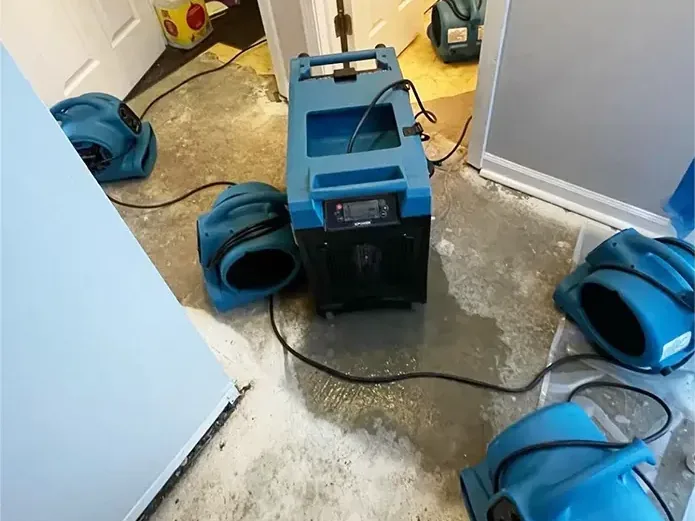
Accessible liquid is collected and damaged or unsuitable materials receive a removal decision. Cleaning and drying then address the retained floor and wall components. Equipment placement accounts for the small working space, ventilation needs and continued safe access for the contractor responsible for the appliance installation.

Document the installation area condition

The handoff records the source work reported, the surfaces treated and moisture results around the appliance footprint. Remaining finish repairs and contents decisions are listed separately. That information lets the owner coordinate replacement and reconstruction with a clear view of any material still requiring attention before it becomes inaccessible again.

Typical cost ranges

What does water heater leak cleanup cost in Stonecrest, GA?

Water heater leak cleanup in Stonecrest is affected by closet access, adjoining floor damage and contents around the installation. These planning ranges concern released water and wet materials. Appliance replacement, plumbing connections and energy related work should be separately identified by the appropriate contractor.

Contained utility-space loss

$800 to $1,500
  • Accessible water collection
  • Closet perimeter checks
  • Limited contents handling

Closet and adjacent room

$1,500 to $2,700
  • Doorway spread inspection
  • Connected floor drying
  • Trim removal decisions

Extended floor and contents loss

$2,700 to $4,000
  • Expanded material access
  • Additional item sorting
  • Concealed footprint assessment

Water category, wet area, material depth and the delay before extraction affect the scope. The water damage cost calculator gives a planning range; the assessment sets the work required.

The process

Water Heater Leak Cleanup from assessment to dry materials

Water heater leak cleanup removes released water and assesses the closet, floor layers, trim and contents it reached. Appliance repair or replacement belongs with the appropriate trade, while restoration follows the moisture remaining around the installation.

  1. Source assessment

    The source repair record identifies the entry point and the correction performed.

  2. Material decisions

    Photos and moisture mapping define the affected assembly before removal or replacement.

  3. Drying verification

    Repeat measurements compare the affected materials with suitable dry references.

  4. Repair handoff

    The final scope separates completed drying from finish work and reconstruction still required.

A water heater can be tucked away enough that the first sign of trouble is damp flooring outside its closet. Water may pool under the tank, soak stored boxes and move through trim gaps before the source is noticed. Stonecrest cleanup addresses that surrounding damage after the appliance has been safely isolated, with inspection extending beyond the small area where the tank stands.

Look past the drain pan

Water can escape the pan or collect beyond a nearby drain during a tank release. Inspection should check the pan edge, closet threshold and adjoining wall bases for overflow or concealed spread. Absorbent materials beneath stored items can remain wet after the open floor clears, and flooring outside the closet may have received water through a gap that is difficult to see.

  • Closet trim can absorb water where its lower edge meets the floor.
  • Stored cardboard may keep a small spill against the surface beneath it.
  • A doorway transition can hide moisture entering the neighboring floor assembly.
  • Equipment removal may expose wet material that was inaccessible during initial assessment.

Coordinate the tank work with room access

Browns Mill Aquatic Center is on Browns Mill Road, and Fairington Parkway is another useful local location reference. The restoration request should also describe whether the heater is in a closet, garage or other utility space. That arrangement affects access for both the appliance contractor and the person assessing wet floor layers.

Homeowners maintain service pipes within their property. A plumbing contractor can distinguish an appliance problem from a connection or nearby pipe release and determine the repair scope. Restoration then addresses the water already outside the system. Keeping those responsibilities clear helps avoid treating a new tank installation as completion of the surrounding cleanup.

Make the concealed footprint part of the handoff

If the tank must be moved, the newly exposed footprint needs inspection before replacement equipment covers it. Damaged base material, wet wall edges and loosened flooring should be documented while accessible. The installation schedule and drying plan can then be coordinated around the actual condition, rather than leaving a wet surface beneath a newly fitted appliance.

The completed cleanup record should identify extracted areas, contents handled and retained materials monitored. Source repair notes belong alongside that record, especially when the initial cause was hidden by the installation. Finish replacement follows the condition of the closet and adjoining rooms. A small utility space can need several distinct decisions even when the visible leak appears confined to the base of the heater.
Service area

Water heater leak cleanup coverage in Stonecrest

Requests near Browns Mill Aquatic Center, Browns Mill Road and Fairington Parkway can describe the heater location and adjoining rooms. Information about hot water, electrical access and stored items helps plan a safe inspection.

The same service nearby: water heater leak cleanup in Clarkston, Avondale Estates, Scottdale.

Water damage restoration in Stonecrest · every town covered

Questions

Water Heater Leak Cleanup questions in Stonecrest

Is replacing the tank enough to finish cleanup?

A replacement addresses the appliance, while released water may remain in flooring, trim or nearby contents. Those materials need a separate condition check. The installation plan should include access to the footprint before the new tank conceals it.

Can water escape even with a drain pan?

A pan can overflow or fail to capture water from every release point. The assessment should inspect the surrounding floor and threshold rather than assuming containment. Any damp edge beyond the pan can help identify spread into connected materials.

Should the heater be moved to dry underneath?

Movement or disconnection belongs with the appropriate appliance or plumbing trade. The restoration team can coordinate inspection and drying when the footprint becomes accessible. Household members should not shift a connected tank to investigate water beneath it.

Why inspect the room beside the utility closet?

Water can travel through the doorway transition or beneath trim, reaching absorbent layers outside the closet. The adjoining room may therefore need extraction or drying even when its surface holds little water. Measurements help define the actual boundary.

What happens to wet storage boxes?

Their condition and contact with the released water determine handling. Boxes can soften and hold moisture against the floor, so controlled sorting may be needed. Photographs and a contents record help document damaged items before cleaning or disposal decisions.

Which details are useful before an assessment?

The heater location, visible water spread and any hot water or energy concern are useful starting points. Information about an arranged repair or replacement also helps coordinate access. Safe photographs of the closet entrance can supplement the description.

Water loss support

Restore the space around the appliance

The closet floor, trim and nearby contents can receive a defined assessment before replacement equipment or new finishes conceal wet materials.

(888) 532-4616Arrange a utility space damage assessment
(888) 532-4616Water help, 24/7