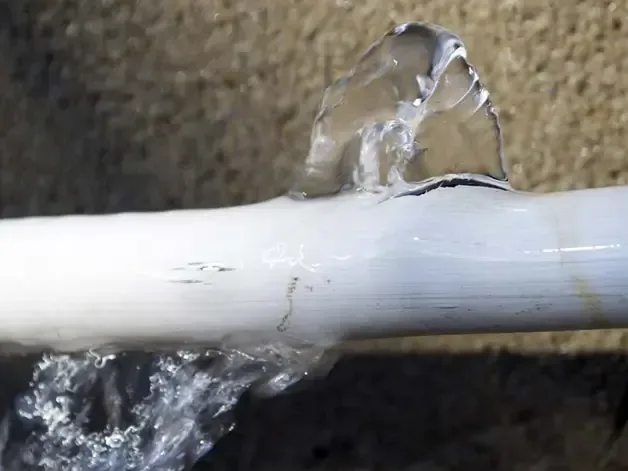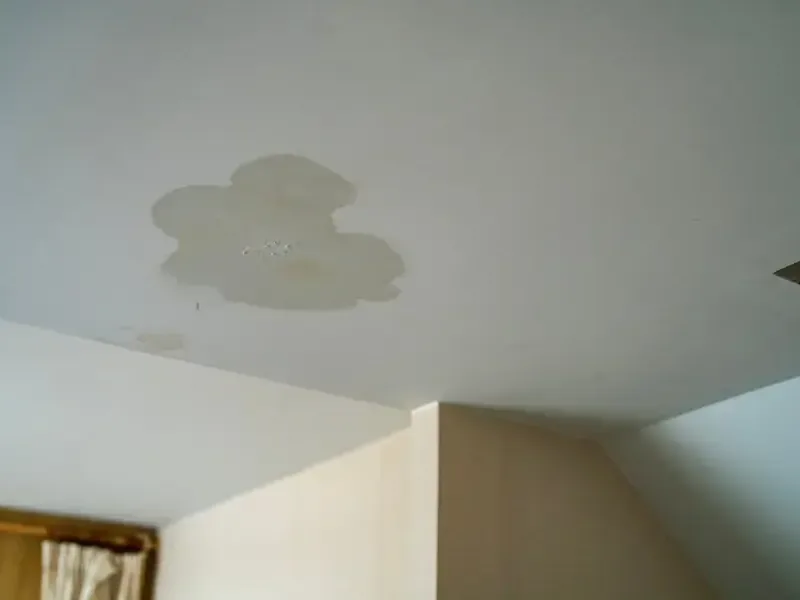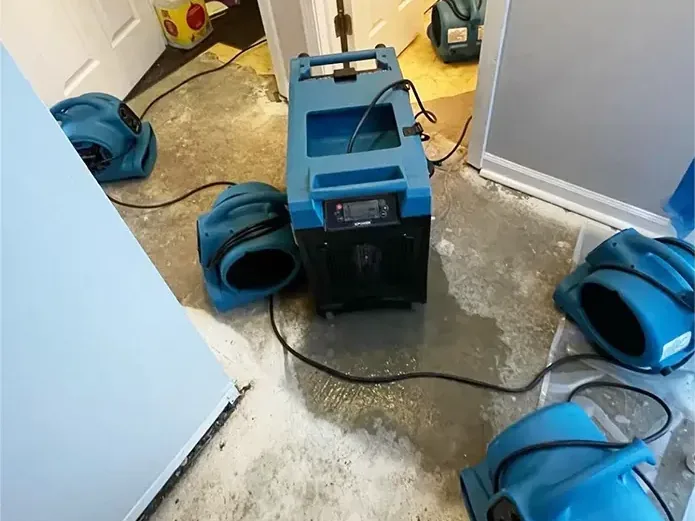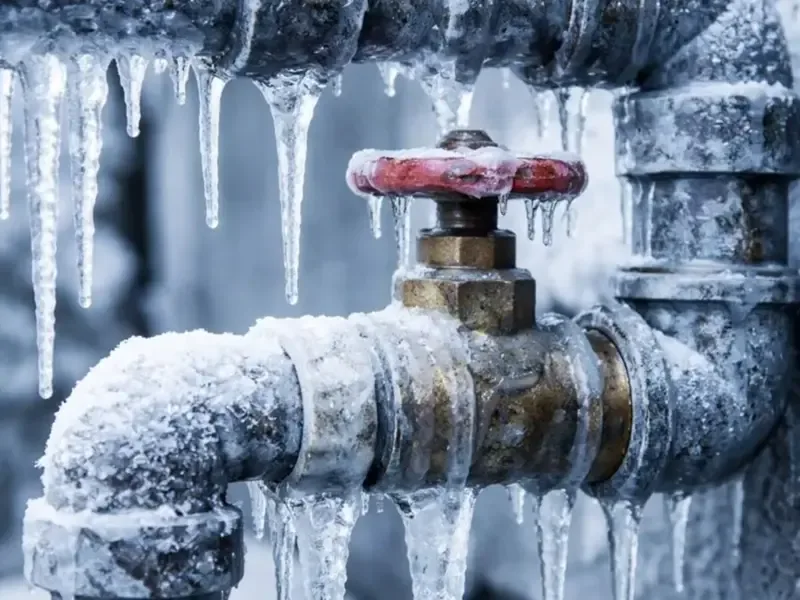
The first visible leak may arrive after a frozen pipe begins to thaw. Water can then enter a wall cavity or run along a concealed surface before reaching the room. Stonecrest restoration addresses the resulting wet materials, while the plumbing contractor evaluates the damaged pipe and supply. The timing of those observations helps define the inspection route without treating the visible puddle as the entire loss.
Follow the thaw related release beyond the pipe
A pipe repair can require a limited opening, but water from the damaged section may have reached insulation, trim and a lower ceiling. Restoration inspection should trace those connections. The assessment compares visible changes with material readings to identify wet areas that remain hidden after the plumbing contractor has corrected the break and restored controlled operation.
- Water can travel along framing before appearing beneath a wall or ceiling.
- Insulation may hold moisture beside the repaired section after visible dripping stops.
- A doorway edge can reveal spread into another room's floor covering.
- More than one affected location can require further plumbing investigation and access.
Use the actual pipe setting to plan access
Everett Park is on Klondike Road, and Browns Mill Road is a local transportation route. A property request can use those references and describe whether the suspected pipe is inside a wall, in a utility space or otherwise exposed. Access and the connected building assembly determine the cleanup approach.
Homeowners maintain service pipes within their property. A plumbing assessment can address the damaged section and discuss protection of exposed pipes as a seasonal precaution. The restoration scope remains focused on materials already wetted, with source repair findings shared so the drying plan accounts for the actual release location and any remaining inaccessible area.
Separate future protection from current recovery
Protecting a pipe against future cold exposure and drying the surrounding building are related but distinct tasks. The current loss may need extraction, selective removal and monitoring of retained framing or substrates. Each material should receive a decision based on its condition, rather than assuming that all damage resolves when normal water flow returns.
The final record should identify the reported source correction, surfaces opened and moisture results used for the repair handoff. Finish work can then be planned around the affected assembly, with applicable trade or remodeling approvals coordinated before closure. Any further plumbing investigation should remain visible in that plan. Keeping these tasks separate helps the owner understand both the completed cleanup and the work still needed around the repaired pipe.